<strong>Stroke is often misunderstood.</strong> <em>A stroke is an acute interruption of blood flow to the brain, caused by either a clot or a bleed, producing...
10 Stroke Myths Debunked: What Exercise, Nutrition, and Recovery Actually Do
Stroke is often misunderstood. A stroke is an acute interruption of blood flow to the brain, caused by either a clot or a bleed, producing sudden neurological deficits; these events are preventable and treatable when medical care, exercise, and diet target the right risk factors. Acting fast saves tissue.
Key Takeaways:
- Stroke myths mislead prevention and recovery choices.
- Exercise science and Nutrition have clear roles in reducing risk and aiding rehabilitation.
- Recovery requires balanced training, medical care, and sensible diet—not miracle cures.
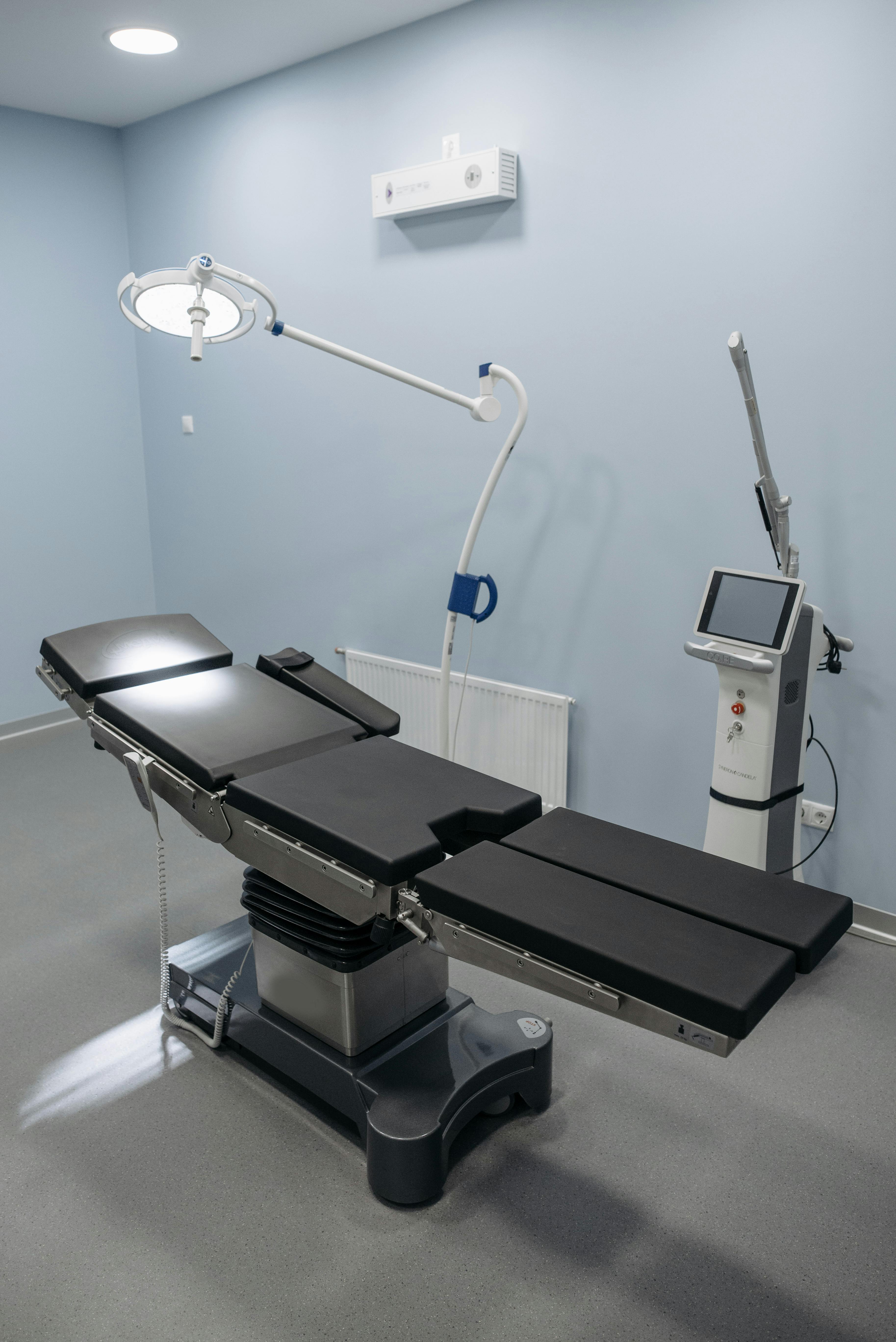
What is a stroke?
Short primer. A stroke is the acute loss of brain function due to interrupted cerebral perfusion—ischemic strokes result from arterial blockage while hemorrhagic strokes come from vessel rupture—and both produce symptoms that depend on which brain region is affected, making type-specific diagnosis and timely treatment essential. Recognize FAST signs.
Anatomy and physiology. The brain needs constant oxygen and glucose through blood, neurons can't tolerate prolonged ischemia, and vascular anatomy means similar symptoms can arise from very different lesions; therefore, treatments range from clot-busting drugs to neurosurgical interventions depending on cause and timing. Different strokes, different care.
Clinical urgency. Early recognition of facial droop, arm weakness, or slurred speech is vital because thrombolysis and thrombectomy are time-sensitive, and early rehabilitation improves long-term outcomes—so delays are costly both medically and functionally. Time matters.
Core benefits / importance of correcting stroke myths
Short statement. Reducing misinformation improves prevention, acute response, and rehabilitation engagement because accurate knowledge prompts better clinical and lifestyle decisions that lower risk and improve recovery trajectories. Cut the nonsense.
Public health impact. Misinformation encourages delay in calling emergency services, reliance on ineffective treatments, and resignation about recovery; by contrast, evidence-based strategies—blood pressure control, smoking cessation, appropriate anticoagulation, and lifestyle modification—reduce incidence and severity. Get real.
Exercise science relevance. Regular moderate-to-vigorous Cardio lowers systolic blood pressure and improves vascular function, while Strength Training reduces insulin resistance and preserves lean mass; both are central to stroke prevention and, when started appropriately after stroke, support neuroplasticity and functional improvement. Move more.
Nutrition’s role. Whole-diet patterns that emphasize vegetables, fruits, whole grains, legumes, and lean proteins while limiting sodium and processed foods reduce stroke risk more consistently than single-nutrient supplements, and adequate protein intake supports muscle during rehab. Eat real food.
Stewardship perspective. Viewing the body as a gift that deserves care reframes prevention and rehab as moral responsibilities as well as clinical ones, and that quiet conviction improves adherence to sensible programs of activity, diet, and rest. Respect the temple.
Step-by-step implementation guide (prevention and recovery)
Short setup. Use practical, sustainable steps rather than chasing miracle cures—this is about long-term risk reduction and functional gains through steady work and medical oversight. Start today.
- Medical baseline and risk modification. Get blood pressure treated, check for atrial fibrillation, manage diabetes, and stop smoking; medications and procedures can drastically cut immediate risk, so pair lifestyle changes with clinical care. Do it now.
- Build a simple Workout Plan for prevention. Target 150 minutes per week of moderate Cardio, add two resistance sessions weekly for the major muscle groups with progressive overload, and include balance work for older adults to reduce falls and comorbidity risk. Keep it doable.
- Nutrition that moves the needle. Prioritize whole foods, reduce sodium and added sugars, and aim for a pattern similar to the Mediterranean diet; avoid spending on unproven supplements and instead invest in more vegetables and lean protein. Real food wins.
- Recovery training after stroke. Coordinate early with PT/OT/SLP, then add progressive aerobic exercise and resistance training tailored to tolerance and impairment, focusing on high-repetition, task-specific practice to drive neuroplastic change. Train smart.
- Sleep, stress, and recovery. Prioritize sleep, manage stress, and schedule recovery days—poor sleep and chronic stress raise blood pressure and inflammation, undermining both prevention and recovery. Rest matters.
- Monitoring and adjustments. Track BP, glucose, gait speed, and functional milestones, re-evaluate every 3–6 months, and adjust the plan based on objective progress and clinical feedback. Measure, then act.
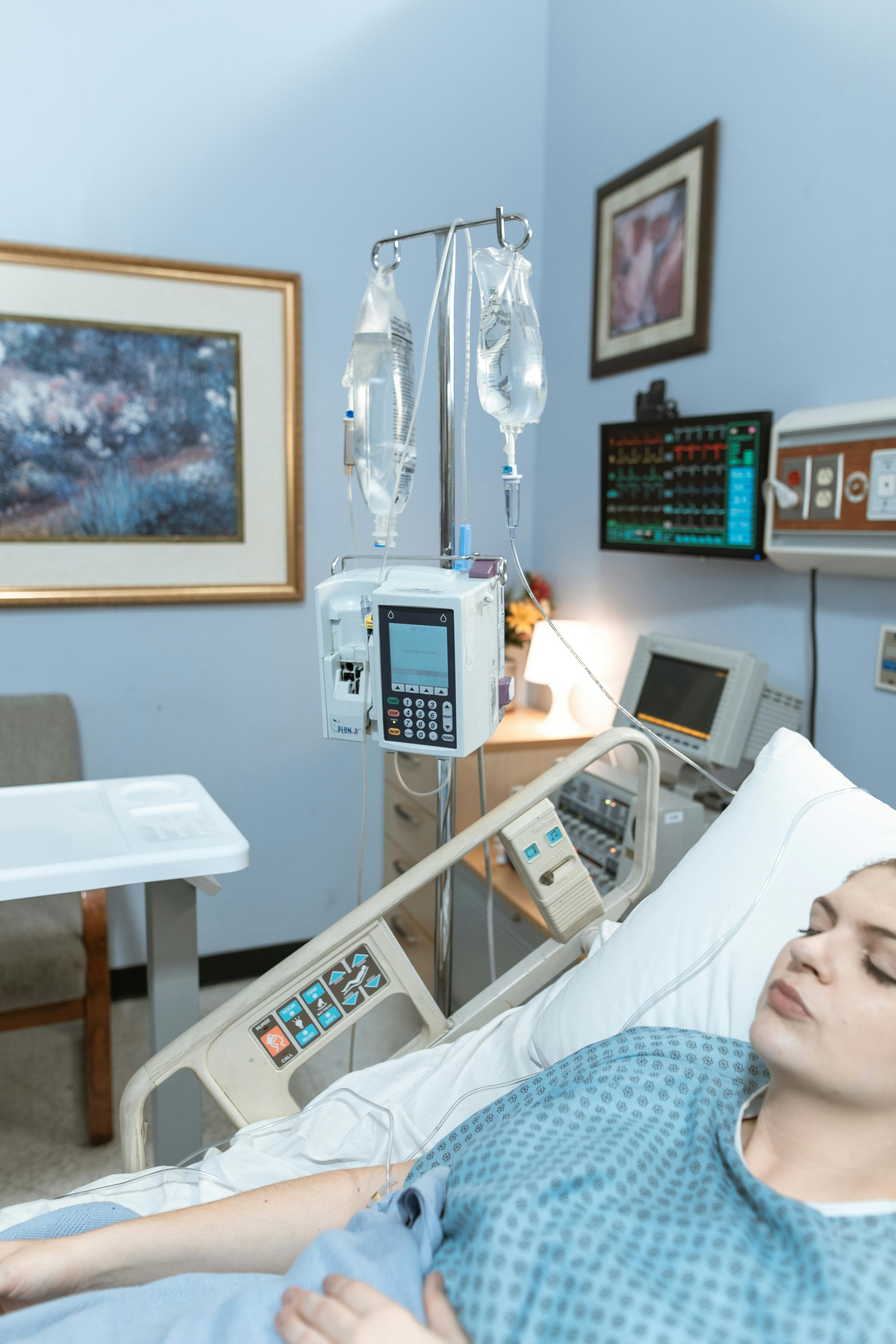
Comparison Table
Short lead-in. Contrast the myths-driven approach with an evidence-based one so the differences are obvious and actionable. See the gap.
Below is a quick comparison highlighting how choices influence risk and recovery—this table uses practical items you can act on today.
| Feature | **Myths-Based Approach** | **Evidence-Based Prevention & Recovery** |
|---|---:|---|
| Primary focus | Quick fixes and anecdotes | Blood pressure control,
Nutrition,
Cardio,
Strength Training |
| Acute response | Home remedies, delay | Immediate EMS activation and hospital care |
| Rehabilitation | Passive treatments only | Coordinated PT/OT/SLP plus progressive exercise |
| Dietary advice | Single superfood or pills | Whole-diet patterns (Mediterranean-style), sodium reduction |
| Long-term outcomes | Higher risk and disability | Lower incidence, better functional recovery |
Short commentary. The myths approach often sounds easier but it costs health; the evidence approach requires discipline and coordination yet delivers measurable reductions in stroke risk and improvements in function. Choose wisely.
Common mistakes to avoid
Short warning. These are the errors I see that derail prevention and rehab—avoid them. Heads-up.
Mistake 1: Thinking stroke only hits the very old. Strokes occur across adult ages; younger adults with hypertension, smoking, drug use, or untreated arrhythmias are at real risk, and ignoring lifestyle measures because you’re "not old" is foolish. Age isn’t everything.
Mistake 2: Dismissing transient symptoms. Transient ischemic attacks (TIAs) are warnings and require urgent evaluation—treating them as minor inconveniences forfeits a chance to prevent a major stroke. Act fast.
Mistake 3: Relying on supplements. Supplements rarely prevent stroke; randomized data favor medical control and diet patterns, so don’t bet your health on advertisements or testimonials. Save your money.
Mistake 4: Skipping active rehab. Passive modalities alone seldom produce lasting gains; graded aerobic and resistance training combined with task practice accelerates recovery and improves cardiovascular health. Get moving.
Mistake 5: Expecting immediate miracles. Recovery is typically incremental; set realistic goals, track small improvements, and build momentum rather than waiting for a single dramatic change. Small wins add up.
Frequently Asked Questions
Short intro. Here are straightforward answers to common questions people ask about stroke prevention and recovery. Quick Q&A.
Q1: Can exercise prevent stroke? Yes—regular aerobic and resistance training reduce blood pressure, improve endothelial function, and lower metabolic risk; combined with medical care and diet, exercise is protective. Do it.
Q2: Are there foods that cause or prevent stroke? Diets high in sodium and processed meats increase risk, whereas diets high in vegetables, fruits, whole grains, legumes, and fish reduce risk; focus on the pattern not on single "miracle" foods. Eat well.
Q3: If someone has a stroke, should they expect full recovery? Outcomes vary; early, intensive, task-specific rehab with aerobic conditioning improves the chance of meaningful recovery, but some deficits may persist depending on severity and location. Be realistic.
Q4: Do anticoagulants cause strokes? Anticoagulants reduce ischemic stroke risk in atrial fibrillation but can increase bleeding risk; stopping anticoagulation without clinical advice can raise stroke risk—individualized clinical decisions are essential. Follow a clinician.
Final thought
Short reflection. Most fitness and health advice is noisy and overpromised; cut through that with measured, evidence-based prevention and rehab that combine medical care with consistent Cardio, strength work, and sensible Nutrition. Be practical.
Practical stewardship. Treating the body with respectful, steady care is both medically smart and quietly aligned with a moral view that our health enables service to others; choose truth over hype and incremental progress over dramatic claims. Steady wins.
Immediate action. If you or someone shows stroke signs, call emergency services immediately—then pursue coordinated prevention and rehab with clinicians, therapists, and realistic training plans. Act now.

References and further reading: For authoritative guidance and patient-facing information see the American Stroke Association’s myth page, the CDC stroke factsheet, NHS stroke resources, and clinical reviews on exercise in stroke prevention and recovery.
Explore related topics on the site: Health, Fitness, Nutrition.