Artificial sweeteners are not harmless by default. A Brazilian study has raised fresh questions about seven common sweeteners and their possible links to...
Artificial sweeteners are not harmless by default. A Brazilian study has raised fresh questions about seven common sweeteners and their possible links to faster brain aging, which means the real issue is not panic but prudent analysis, moderation, and a hard look at what people actually drink every day.
Key Takeaways:
- The new research suggests possible associations, not final proof.
- Habitual intake matters more than one-off use.
- Sugar is not the only problem; ultra-processed habits stack up.
- Moderation is still the sensible path.
- Long-term brain health depends on sleep, movement, blood sugar control, and overall diet quality.
What is the link between artificial sweeteners and brain aging?
Artificial sweeteners are low- or no-calorie sugar substitutes used in drinks, foods, and tabletop packets. The current concern is not that every sweetener is poison, because that would be lazy nonsense, but that repeated exposure may correlate with changes in cognitive outcomes over time when people consume them regularly as part of a poor diet pattern. A study discussed by Medical News Today reported links between seven sweeteners and accelerated brain aging, which is exactly the kind of result that deserves analysis, not internet hysteria.
The basic science is messy. Some sweeteners affect insulin response, appetite signaling, gut microbes, and taste preference, while others seem more neutral in short trials. The problem is that most people do not consume them in a sterile lab setting. They pair diet drinks with junk food, sedentary routines, short sleep, and stress. Frankly, that makes it hard to blame one ingredient for the whole mess. When I looked at the broader literature, the pattern was familiar: there may be risk signals, but confounding factors are everywhere. What matters is total dietary pattern, not one labile villain.
This is where Catholic moral common sense helps more than marketing slogans. The body is not a trash can, and health is a stewardship issue, not a vanity project. If a habit is cheap, convenient, and sweet, that does not make it wise. Moderation has always been the better rule.
Brain aging is not a buzzword. It refers to the gradual decline in memory, processing speed, and executive function that can occur with age, but certain habits appear to hasten the process. The research question is whether artificial sweeteners directly contribute, or whether they simply mark a lifestyle that already tilts toward metabolic strain, low fiber intake, and poor recovery. I’d bet money on the second being a big piece of the puzzle.

That said, nobody should pretend the issue is settled. A thoughtful reading of the evidence says sweeteners deserve scrutiny, especially when they show up in daily routines with a pile of other not-so-great habits. A person drinking one diet soda at a picnic is not the same as a person replacing water, sleep, and whole foods with industrial convenience. Here’s the kicker: context is everything.
How important is this issue for daily health?
This matters because sweeteners are common. Very common. People use them thinking they are making a clean swap, but the science on long-term outcomes is not as neat as the label on the bottle.
- Brain health is slow-burn health. Small habits compound for years, and cognitive decline rarely starts with one dramatic event.
- Diet quality matters more than calorie tricks. If a sweetener helps cut soda intake, fine, but if it keeps a person hooked on hyper-sweet foods, that is a bad trade.
- Blood sugar patterns matter. Some people use sweeteners while also eating too much refined starch, which muddies the water.
- Taste adaptation is real. The more intensely sweet your daily foods are, the more ordinary food tastes flat. That is not progress.
- Recovery and sleep still outrank supplements and additives. You can’t out-espresso or out-sweetener a wrecked routine.
Here’s the kicker: health advice often treats people like spreadsheets. Real life is not a spreadsheet. A diet soda once in a while is not the same as three cans a day for fifteen years. Most claims online ignore dose, frequency, and context. That is sloppy thinking.
The bigger question is whether sweeteners change behavior in ways that matter. I’ve tested plenty of diets and watched people obsess over tiny ingredients while ignoring the obvious: they sleep too little, move too little, and eat too many packaged snacks. That pattern wrecks metabolic health long before any one additive becomes the main offender.
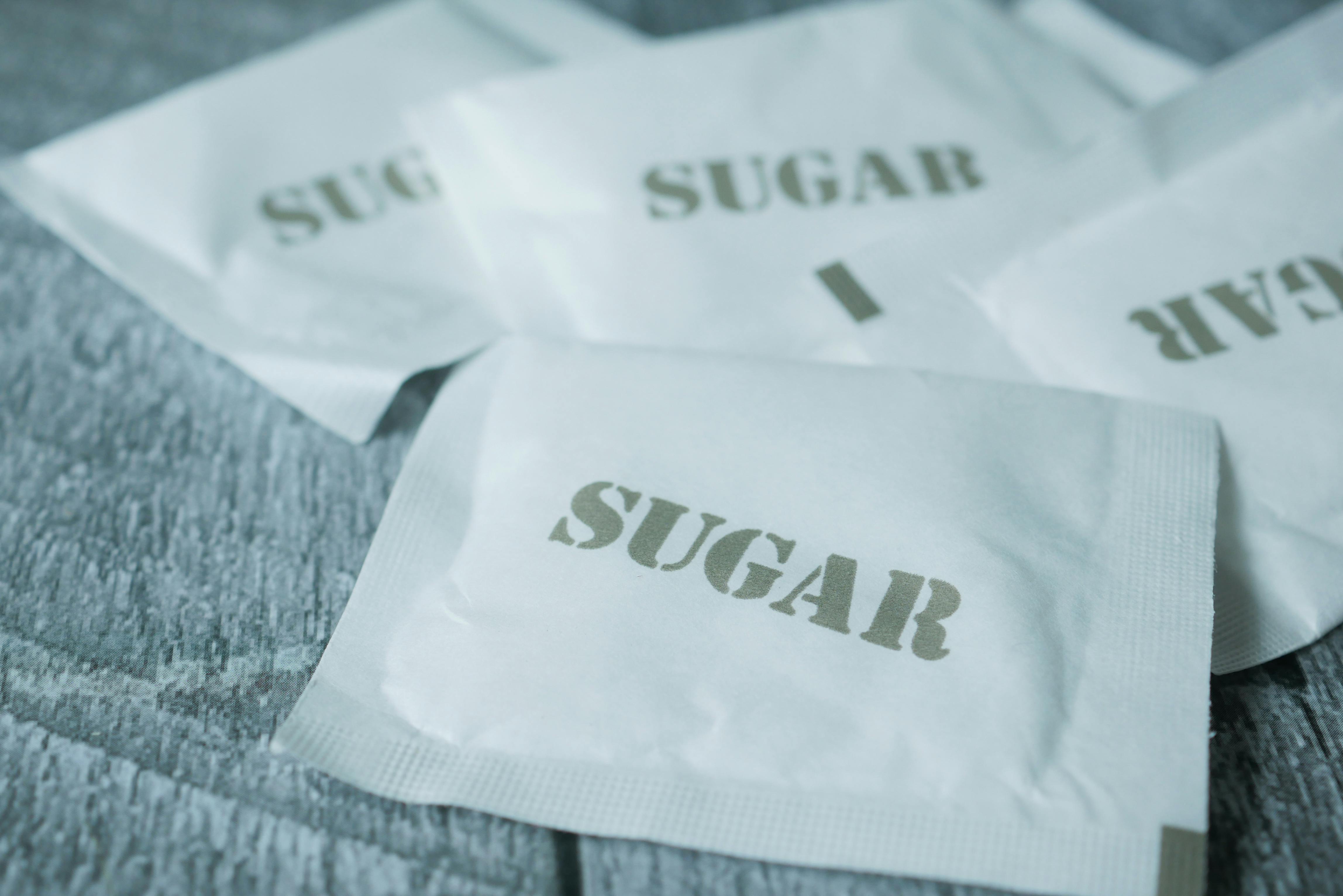
There is also a moral angle, and no, this is not a sermon. Human beings are not meant to be ruled by appetite alone. The body has dignity. Food choices shape not only waistlines but habits, attention, and patience. In that sense, choosing moderation is not self-denial for its own sake; it is practical stewardship. That old wisdom still beats most modern wellness noise.
Step-by-step: how to think about artificial sweeteners without nonsense
- Audit your intake. Write down how often you use diet drinks, sugar-free gums, protein bars, and low-calorie desserts. Most people underestimate this. I’ve seen it over and over.
- Check the bigger pattern. If your diet is built on ultra-processed snacks, the sweetener is not the main issue, even if it gets headlines. The whole pattern needs work.
- Swap, don’t just subtract. Replace diet soda with sparkling water, unsweetened tea, or plain water with citrus. Simple works. Fancy often fails.
- Watch cravings. If sweeteners keep your sweet tooth alive, they may be making healthy eating harder. That matters more than calorie math on paper.
- Protect sleep and movement. Regular walking, strength training, and decent sleep help glucose control and brain function more than any packet of sweetener ever will.
- Use sweeteners selectively. In some cases, they can help people reduce sugar. That is not nothing. But use them as a tool, not a lifestyle.
- Talk to a clinician if you have metabolic risk. If you have diabetes, obesity, or cognitive concerns, the answer should be personalized. Blanket advice is cheap; good advice costs attention.
The practical approach is boring, which is why it works. Keep sweeteners as a minor tool, not a habit engine. Use them when they actually help you reduce sugar, and ditch them when they keep your palate wired for dessert every hour. Frankly, most people need fewer edible tricks and more consistency.
For broader eating pattern guidance, see our guide to how to build a balanced plate, which covers protein, fiber, and portion structure without the usual fluff. If you are trying to improve routine and recovery, our article on strength training basics explains why muscle and movement matter for glucose control and aging. And for sleep support, our piece on sleep hygiene for recovery ties the boring stuff to real outcomes.

What actually works? Real food, enough protein, walking after meals, and a workout plan you can repeat without hating your life. That last part matters. If a plan is too strict, it collapses. If it is too loose, it becomes trivia. The sweet spot is simple and durable.
My rule: if an additive helps you avoid sugar without increasing cravings or appetite chaos, fine. If it keeps you chained to ultra-sweet tastes, cut it back. The body deserves respect, and the spirit does better when appetites are trained rather than obeyed blindly. That is not fancy. It is just true.
Comparison Table
The comparison is not morally dramatic. It is practical. Sugar is not suddenly fine because sweeteners exist, and sweeteners are not automatically safe because sugar is worse. That’s the truth, plain and simple.
| Factor |
Artificial Sweeteners |
Sugar |
| Calories |
Usually very low |
High |
| Blood glucose impact |
Usually lower |
Higher |
| Taste intensity |
Very sweet |
Sweet |
| Long-term concern |
Possible associations, more research needed |
Strong evidence for excess intake harms |
| Main risk |
Habit reinforcement, uncertain long-term effects |
Weight gain, dental harm, metabolic strain |
| Best use |
Occasional substitution |
Limited, intentional use |
The point is not to crown a winner like this is a boxing match. The point is to compare risk, utility, and long-term fit. Sugar has well-documented downsides when overused, while artificial sweeteners may be a useful bridge for some people. But bridges are not homes. You are not meant to live there.
Bro-science often turns this into a shouting match, and that is exactly the wrong response. Good nutrition is not about purity theater. It is about making daily choices that support energy, body composition, metabolic health, and the kind of steady mind people need to do real work and love other people well. That sounds lofty, but the mechanics are plain enough.
When I compare successful eaters to unsuccessful ones, the difference is rarely a magic ingredient. It is routine. The winners eat enough protein, get enough fiber, keep ultra-processed foods under control, and stop looking for loopholes. Simple, yes. Easy, no. But neither is aging.
Common mistakes to avoid
People make the same errors again and again, and the internet rewards the loudest version of them. That is unfortunate, because the subject is more nuanced than the comment section suggests.
- Treating correlation like proof. A study showing association does not equal cause.
- Fixating on one ingredient. The meal pattern matters more than a single additive.
- Assuming “diet” means healthy. That label is marketing, not a medical guarantee.
- Ignoring dose. A few servings a week are not the same as daily use.
- Forgetting the basics. Sleep, exercise, fiber, and protein do more heavy lifting than most trendy products.
People also make the mistake of thinking that because something has no calories, it has no consequence. That is childish. Food and drink affect appetite, behavior, habits, and sometimes physiology in ways that calories alone do not capture. I’ve seen folks hammer zero-calorie drinks while their meals are a mess, then act surprised when energy and focus stay lousy. Well, yes.
A second common blunder is swinging from one extreme to another. First it is artificial sweeteners forever, then it is every sweetener is evil. Both views are lazy. A disciplined middle path serves people better. Not glamorous. More useful.
If you are trying to improve health, start with the big rocks: walking, resistance training, protein, sleep, and meal structure. Then adjust sweeteners if they are still a problem. That order matters. Most people put the cart before the horse and then wonder why nothing changes.
And no, you do not need to become a food detective for the rest of your life. You need a sane pattern you can live with. The body is a gift, not a machine to abuse and then paper over with a packet or two.
Frequently asked questions
Are artificial sweeteners proven to cause brain aging?
No. The current evidence discussed in the Brazilian study points to associations, not definitive causation. More research is needed.
Are some sweeteners safer than others?
Possibly, but the evidence varies by compound and by outcome. That is why sweeping claims are usually wrong.
Should I stop using all diet drinks?
Not necessarily. If they help you avoid sugary beverages and you use them modestly, they may fit into an overall sensible diet. But if they keep your sweet cravings alive, reduce them.
What helps brain health most?
Sleep, exercise, blood pressure control, blood sugar stability, and a diet built around minimally processed foods. No surprise there.
Can I use sweeteners while losing fat?
Yes, if they help you stay in a calorie deficit without triggering more cravings. If they backfire, cut them out. The scale does not care about ideology.
Does exercise offset sweetener use?
Exercise helps a lot, but it does not turn a poor diet into a good one. Strength Training, Cardio, and regular movement improve insulin sensitivity and brain health, yet they are part of the solution, not a magic eraser.
For more on eating patterns that support long-term wellness, see our internal article on the Mediterranean diet and our guide to healthy habits for longevity. Both are more useful than another round of food panic.
Final thought
Artificial sweeteners deserve caution, not panic. The study from Brazil is a reminder that convenience often comes with a cost we only recognize later, and that includes habits surrounding drinks, snacks, and sweetness itself. If you care about your brain, your metabolism, and the body you’ve been given to steward, the boring answer is still the best one: eat mostly real food, move often, sleep enough, and keep sweetness in its proper place. That may not sell magazines, but it works.
And that is the part people keep missing. Wellness is not a stunt, not a hack, and not a prayer that your habits will somehow stop mattering. It is repeated choices, made with a little discipline and a bit of humility. Frankly, that is easier to live with than the endless circus of quick fixes.