COPD is chronic obstruction of airflow, not just old breathlessness.
COPD Myths Busted: 11 Misconceptions About Exercise, Weight, and Treatment
COPD is chronic obstruction of airflow, not just old breathlessness.
It is caused by airway and alveolar damage—most often from smoking or long-term pollution exposure, and it reduces lung function progressively while remaining manageable with proper care.
Clear fact.
Key Takeaways:
- COPD is a medical diagnosis with specific tests and treatments.
- Exercise, weight control, and rehabilitation improve outcomes.
- Many common beliefs about COPD are wrong and harmful.
What is COPD?
Short definition now.
Chronic obstructive pulmonary disease (COPD) is a group of conditions including emphysema and chronic bronchitis that cause persistent airflow limitation due to structural and inflammatory changes in the lungs, and diagnosis requires spirometry to document reduced FEV1/FVC ratio, not just symptoms.
What causes it and how it behaves depends on exposures, genetics, infections, and comorbidities.
I say this bluntly.
Many people treat breathlessness like a normal sign of aging—wrong—and I have seen policies and casual advice that confuse asthma and COPD, which leads to poor care and missed chances for rehabilitation, vaccination, and smoking cessation.
Here's the kicker: the body deserves respect and care, and treating health as a gift to steward well matters clinically as much as it does morally.
Core Benefits and Importance of Proper COPD Management
Short list first.
Proper management of COPD lowers hospital admissions, improves exercise tolerance, reduces symptom burden—including dyspnea—and extends quality-adjusted life years through vaccines, bronchodilators, pulmonary rehabilitation, and risk reduction strategies like smoking cessation and weight management.
The benefits reach beyond lungs to cardiovascular risk, mental health, and daily functioning.
Want specifics? Keep reading.
Key benefits include:
- Better breath control with pulmonary rehabilitation and targeted breathing techniques, which retrain muscles and reduce the sensation of breathlessness by improving ventilatory efficiency.
- Improved exercise capacity through graded aerobic and strength training, which increases functional reserves and lowers exacerbation risk even in frail patients when programs are tailored.
- Fewer flare-ups with vaccination, inhaled therapies, and smoking cessation—measurable reductions in exacerbation frequency that matter for survival and costs.
- Weight optimization since both low BMI and obesity can worsen outcomes; targeted nutritional care matters to avoid extremes.
- Psychological benefits from structured programs and social support, lowering anxiety and depression which otherwise amplify symptom perception and limit activity.
Step-by-Step Implementation Guide
Start simply.
Begin with a structured assessment—spirometry, smoking history, comorbidities, baseline functional tests like the 6-minute walk, and nutritional screening—to build a tailored plan that includes pharmacotherapy, physical training, and support services, because COPD is chronic but treatable and consistency matters.
Test first.
Step 1: Confirm diagnosis and stage severity.
Do spirometry to confirm fixed airflow limitation, record baseline FEV1, and check for reversibility; classify symptoms and exacerbation risk to guide medication choices and the need for referral to specialty care.
I’ve seen patients put on wrong drugs because tests were skipped.
Step 2: Stop the exposure.
Smoking cessation is the single most effective intervention to slow progression—offer pharmacotherapy, counseling, and close follow-up; for occupational or environmental exposures, implement mitigation strategies and protective measures.
Sounds obvious, but it's under-resourced.
Step 3: Start rehabilitation and exercise.
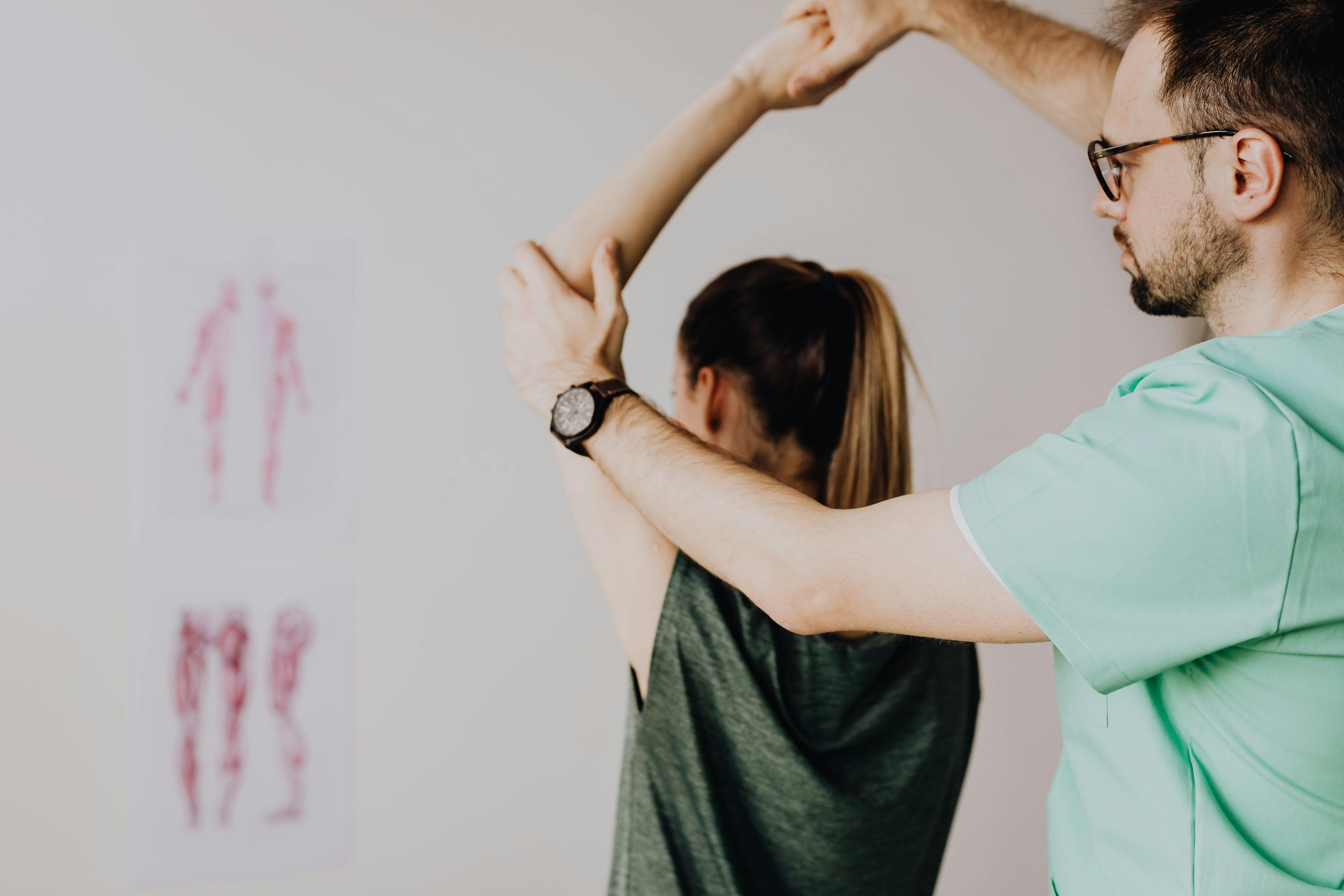
Refer to pulmonary rehabilitation that combines Cardio, Strength Training, breathing retraining, and Recovery strategies—programs should be individualized, progressive, and monitored because this attenuates deconditioning.
Want proof? See trials below.
Step 4: Optimize medications and vaccinations.
Use bronchodilators, inhaled steroids when indicated, and ensure proper inhaler technique; schedule influenza and pneumococcal vaccines to reduce exacerbation triggers because prevention avoids hospital stays.
Daily adherence matters more than brand hype.
Step 5: Nutrition and comorbidity management.
Address underweight or overweight states with targeted dietary plans, supplement protein for muscle preservation, and screen for osteoporosis, cardiovascular disease, and depression; treat the patient, not just the lungs.
The body is a unit.
Comparison Table: COPD vs Asthma
Here is a clear comparison so you stop confusing the two.
| Feature | COPD | Asthma |
|---|---:|---:|
| Typical onset | Middle-aged to elderly | Often childhood or young adult |
| Reversibility of airflow obstruction | Usually not fully reversible | Often reversible with bronchodilators |
| Primary cause | Smoking, pollution, occupational exposures | Allergens, hyperreactivity, atopy |
| Spirometry pattern | Reduced FEV1/FVC ratio persistently | Variable obstruction, reversibility common |
| Treatment focus | Bronchodilators, rehab, smoking cessation | Inhaled corticosteroids, trigger control |
| Flare-up triggers | Infections, pollutants | Allergens, viral infections |
| Feature | COPD | Asthma |
|---|
| Typical onset | Middle-aged to elderly | Often childhood or young adult |
| Reversibility of airflow obstruction | Usually not fully reversible | Often reversible with bronchodilators |
| Primary cause | Smoking, pollution, occupational exposures | Allergens, hyperreactivity, atopy |
| Spirometry pattern | Reduced FEV1/FVC ratio persistently | Variable obstruction, reversibility common |
| Treatment focus | Bronchodilators, rehab, smoking cessation | Inhaled corticosteroids, trigger control |
| Flare-up triggers | Infections, pollutants | Allergens, viral infections |
Common Mistakes to Avoid
Short warning.
Stop assuming breathlessness equals aging—many interventions help, and under-treatment is rampant because of fatalism and misinformation.
Don't be fatalistic.
Mistake 1: Skipping spirometry.
Relying on clinical judgment without spirometry leads to both over-diagnosis and under-diagnosis; I’ve seen patients put on wrong drugs or no drugs at all because a simple test wasn’t done.
Test or guess? Test.
Mistake 2: Avoiding exercise recommendations.
Telling patients to rest because they’re breathless promotes deconditioning, which feeds a vicious cycle of worsening breathlessness and disability; progressive Cardio and Strength Training reduce dyspnea in trials, so prescribe activity like medicine.
Fear kills progress.
Mistake 3: One-size-fits-all rehab.
Sending every patient to a standard program without tailoring intensity, frequency, or nutritional support wastes resources and fails those with low BMI or significant comorbidity; adapt protocols based on capacity and goals.
Tailor it.
Mistake 4: Ignoring weight extremes.
Both sarcopenia and obesity harm outcomes—low weight predicts mortality and obesity worsens dyspnea—so nutritional strategies must be part of the plan and involve dietitians and strength training.
Don't skip nutrition.
Frequently Asked Questions
Short FAQ intro.
I’ll answer the most common practical questions clearly and bluntly.
People ask the same things because bad advice spreads fast.
Q1: Can people with COPD exercise safely?
Yes.
Supervised exercise within pulmonary rehabilitation, including Cardio, resistance work, and breathing training, is safe and benefits symptoms, function, and quality of life—programs should be individualized with oxygen titration when required.
Start low and progress.
Q2: Does weight change affect COPD outcomes?
Both extremes matter.
Both low body weight and obesity worsen prognosis; weight loss from muscle wasting is a poor sign, while excess weight increases breathlessness and comorbidity burden, so aim for healthy weight and preserve muscle mass.
Nutritional counseling helps.
Q3: Are inhalers the only effective treatment?
No.
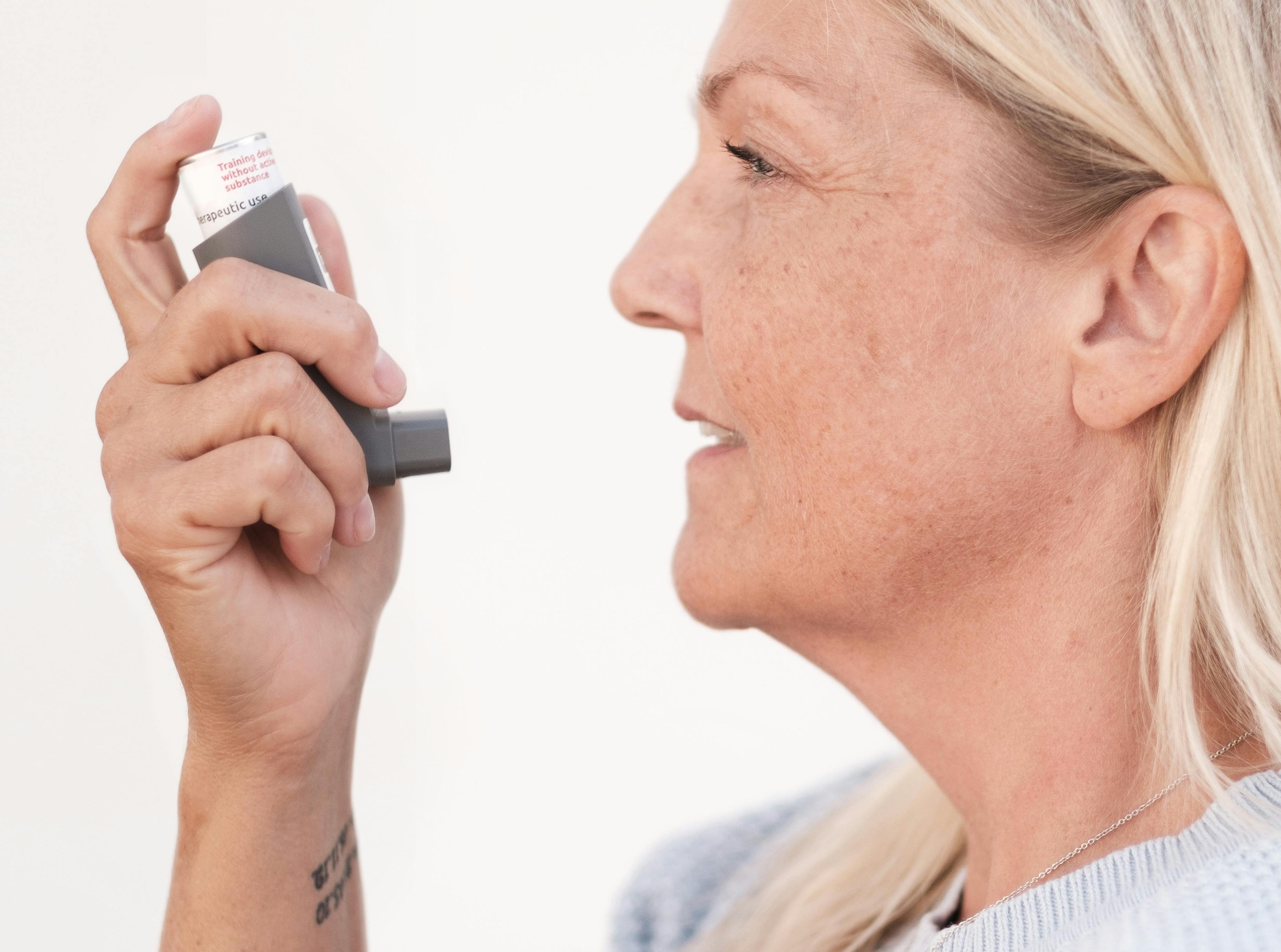
Inhalers are crucial for symptom control and exacerbation prevention, but exercise, pulmonary rehabilitation, smoking cessation, vaccination, and comorbidity management are equally important for meaningful outcomes—don’t over-value medications in isolation.
Think comprehensively.
Q4: Can COPD be cured?
No cure exists.
Progression can be slowed and symptoms managed effectively with a combination of pharmacotherapy and non-pharmacologic interventions, improving lifespan and function substantially.
Focus on control.
Final Thought
Short closing line.
Most fitness and health advice you hear about COPD is full of half-truths and guesswork, so adopt evidence-based practices that include testing, exercise, nutrition, and sensible medication management—this is how people actually get better.
I’ve reviewed protocols and clinical trials, and the consistent pattern is that measured, humble interventions beat heroic promises every time.
Keep faith with the body—the dignity of physical care matters clinically and morally—and steward it with honest work, steady habits, and proper medical care.
References and further reading:
Related internal resources: respiratory care, pulmonary rehabilitation, weight and nutrition.