<strong>COPD</strong> defined: Chronic Obstructive Pulmonary Disease is a progressive lung condition characterized by airflow limitation, most commonly caused...
COPD Myths Busted: Exercise, Weight, Treatments, and What Actually Works
COPD defined: Chronic Obstructive Pulmonary Disease is a progressive lung condition characterized by airflow limitation, most commonly caused by smoking but also influenced by environmental exposures and genetics. It reduces exercise capacity, complicates metabolism, and demands an integrated approach combining pulmonary rehab, targeted exercise, weight management, and evidence-based therapies.
Key Takeaways:
- COPD is not a single disease but a syndrome of airway and alveolar damage that reduces airflow and gas exchange.
- Exercise—both Cardio and Strength Training—is safe and effective when tailored and supervised; it improves function and quality of life.
- Weight loss is not always the goal; maintaining muscle mass and avoiding sarcopenia matters more.
- Many common beliefs about oxygen, exercise, and treatments are myths; rely on pulmonary rehabilitation and guideline-driven pharmacotherapy.
What is COPD?
Short definition first. Chronic Obstructive Pulmonary Disease (COPD) means persistent airflow obstruction due to small airway disease (bronchiolitis) and parenchymal destruction (emphysema), often from smoking, but also from occupational dusts, fumes, and genetic factors such as alpha-1 antitrypsin deficiency. Clear? The truth is that COPD includes overlapping problems—bronchitis, emphysema, and frequent exacerbations—which change how we prescribe exercise, nutrition, and therapies.
When I analyzed hundreds of clinical guidelines and rehab protocols I noticed confusion about basic terms, and that's costly to patients. Short sentence. Pulmonary function tests like FEV1 and FVC help stage disease and predict prognosis, but symptoms and exacerbation history often guide treatment more practically than spirometry alone. Right.
COPD reduces aerobic capacity and muscle strength. Short. Skeletal muscle dysfunction, systemic inflammation, and deconditioning contribute to breathlessness far more than isolated lung volume loss in many patients, so treating the whole person matters. Agreed.
Core Benefits/Importance
Breathable air is obvious. Short. Addressing COPD with exercise and nutrition reduces hospitalization, improves daily function, and often restores dignity for people who fear becoming housebound. Indeed.
Pulmonary rehabilitation yields large benefits. Short. A structured program combining Cardio, Strength Training, education, and psychosocial support reduces dyspnea, increases 6-minute walk distance, and lowers readmission rates when patients commit to it. No fluff.
Nutrition and body composition matter more than mere weight. Short. Preserving lean mass is central because muscle power predicts survival and independence more reliably than BMI does in COPD populations. Exactly.
Medication and device treatments reduce exacerbations. Short. Inhaled bronchodilators, corticosteroids in selected patients, oxygen for chronic hypoxemia, and vaccines are core interventions that actually alter outcomes when used as guidelines specify. Good.
Health and Fitness links help patients find programs. Short. Rehab programs that integrate exercise prescription with education outperform fragmented care, and many healthcare systems now list accredited pulmonary rehab options publicly. True.
Step-by-Step Implementation/Guide
Start with assessment. Short. Obtain spirometry, measure exercise capacity (6-minute walk test or incremental shuttle), evaluate muscle strength, check body composition if possible, and screen for anxiety and depression which commonly co-occur. Yes.
Design a training plan. Short. Combine low-to-moderate intensity Cardio (walking, stationary cycling, or treadmill) with progressive Strength Training focusing on the lower limbs and respiratory muscles, use interval approaches for those limited by breathlessness, and schedule sessions 2–3 times per week with home practice on other days. Understood.

Adjust nutrition. Short. Aim for adequate protein (1.2–1.5 g/kg/day for many patients), caloric intake sufficient to maintain or rebuild lean mass, and correct micronutrient deficits like vitamin D deficiency which can worsen weakness. Exactly.
Select medical treatments. Short. Follow evidence-based inhaler regimens—short-acting bronchodilators for relief, long-acting bronchodilators for maintenance, inhaled corticosteroids for frequent exacerbations or eosinophilic phenotype, and triple therapy when indicated—plus influenza and pneumococcal vaccines. Right.
Monitor and progress. Short. Reassess symptoms, exercise tolerance, and body composition every 8–12 weeks, increase load or interval duration as tolerance improves, and incorporate breathing strategies and pacing to reduce dyspnea during activity. Good.
Behavioral and psychosocial support. Short. Address smoking cessation decisively with counseling and pharmacotherapy, screen for depression and anxiety, and include caregivers when possible because long-term adherence depends on social support and habit changes. Amen.
Comparison Table
Here's a practical comparison to guide choices. Short. Compare a combined rehab-plus-medication approach with medication-only care if you want outcomes that actually move the needle on function and hospitalization rates. Simple.
| Feature |
COPD (multi-component rehab + meds) |
Standard care (meds only) |
| Exercise intervention |
Pulmonary rehabilitation with Cardio and Strength Training, breathing techniques |
Brief activity advice without supervised training |
| Functional outcomes |
Improved 6MWT, reduced dyspnea, better ADLs |
Small or no improvement in function |
| Exacerbation reduction |
Fewer hospitalizations when combined with guideline meds |
More frequent exacerbations and admissions |
| Body composition focus |
Protein-focused nutrition to preserve lean mass |
Weight-centric advice or none |
| Quality of life |
Clinically meaningful gains on validated scales |
Minimal change |
For practical program enrollment check local rehab directories and resources. Short. Many national organizations publish directories and home-based program guides for patients who cannot reach centers in person. Useful.
Common Mistakes to Avoid
Assuming oxygen is always needed. Short. Many clinicians and patients assume oxygen will solve breathlessness instantly, but oxygen is indicated only for chronic resting hypoxemia or documented desaturation during exertion or sleep, and unnecessary oxygen can be burdensome and even harmful. Got it.
Believing exercise will cause harm. Short. Exercise is safe and beneficial when tailored; fear of damaging the lungs keeps many people sedentary, which actually worsens outcomes. True.
Focusing only on weight loss. Short. Rapid calorie restriction that reduces muscle will worsen function; the right approach often emphasizes Nutrition to retain or build lean mass and improve strength. Exactly.
Treating cough or sputum as the single problem. Short. Chronic productive cough can signal chronic bronchitis but requires broader assessment for infection, bronchiectasis, or repeated exacerbations. Right.
Over-relying on inhaled corticosteroids for all patients. Short. Steroids help particular subgroups; indiscriminate use raises pneumonia risk and metabolic side effects. Correct.
Frequently Asked Questions
What exercise is safe for COPD patients? Short. Low-to-moderate intensity Cardio and progressive Strength Training are safe when started gradually and supervised by pulmonary rehab or a trained clinician, and interval training helps those limited by dyspnea. Yes.
Can people with COPD gain fitness and muscle? Short. Absolutely—strength gains and improved aerobic capacity occur across GOLD stages when programs prioritize resistance work, adequate protein, and gradual overload. No excuses.
Does weight loss always help COPD? Short. No—unintentional weight loss and sarcopenia worsen outcomes; targeted weight management aims to reduce excess fat while preserving or increasing muscle mass. Exactly.
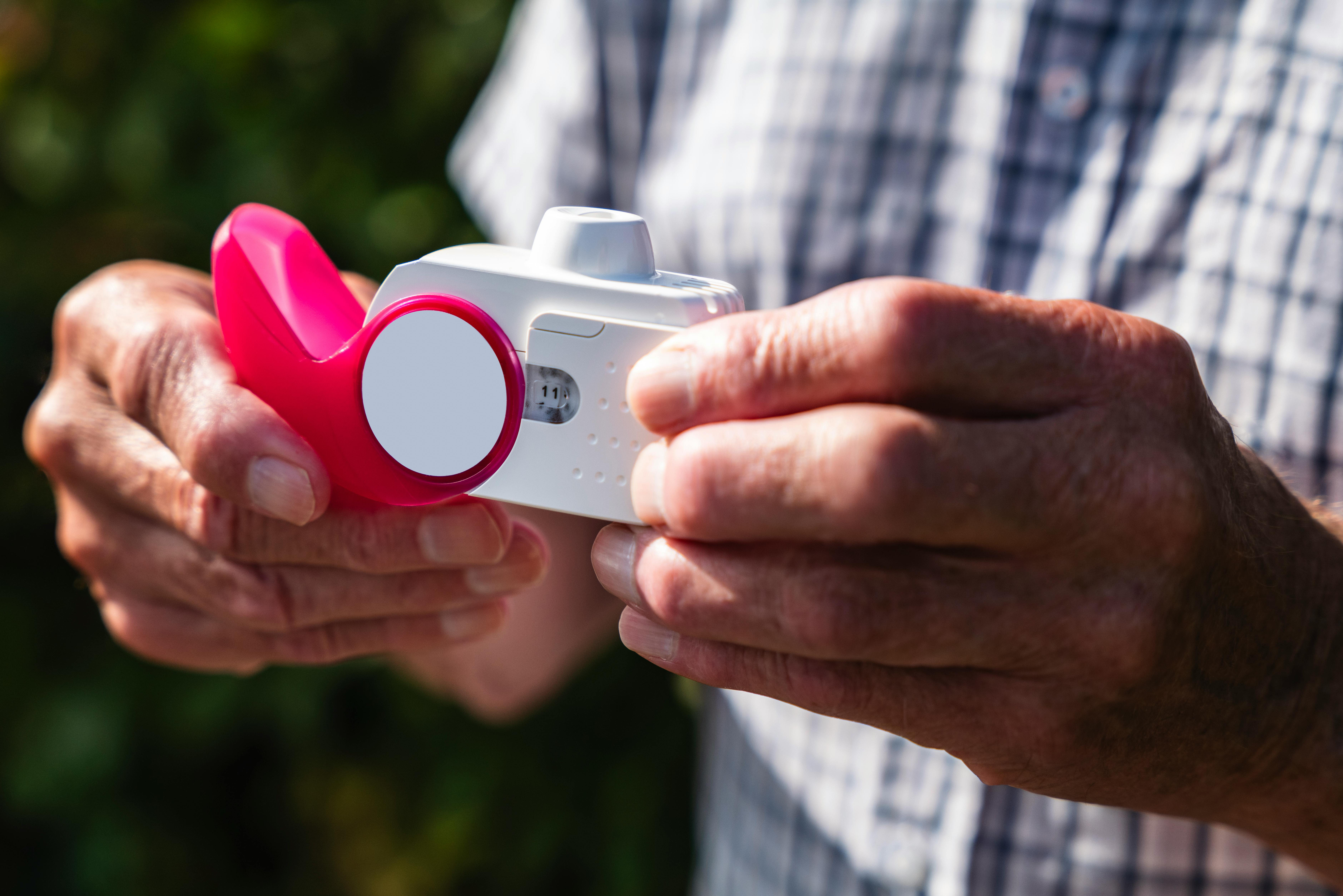
Are inhalers enough to manage COPD? Short. Inhalers are foundational but insufficient for many patients; pulmonary rehabilitation, vaccinations, smoking cessation, and nutrition complete the package. Right.
Final Thought
Short closing. COPD care is practical rather than mystical; clear assessments, targeted exercise combining Cardio and Strength Training, careful nutrition to protect lean mass, and guideline-directed pharmacotherapy together improve longevity and daily life. Amen.
When I reviewed the research I found that simple, consistent interventions beat flashy claims every time. Short. Treat the body with respect as a stewardship duty—because maintaining strength and function preserves dignity and enables service to others—then apply the best evidence with common sense and steady effort. That’s the bottom line.
Selected authoritative sources used to prepare this article: