<strong>Dietary fiber</strong> is plant matter your body can’t fully digest, and it does far more than keep you regular. Soluble and insoluble fibers...
Dietary Fiber and Psyllium: Evidence-Based Guide on Intake, Benefits, and Weight Loss
Dietary fiber is plant matter your body can’t fully digest, and it does far more than keep you regular.
Soluble and insoluble fibers change blood sugar, cholesterol, stool bulk, and the gut microbiota, and **psyllium** is a concentrated soluble fiber used as a supplement for constipation and metabolic health.
Want clearer guidance?
Key Takeaways:
- Dietary fiber supports bowel regularity, glycemic control, and cholesterol reduction.
- Adults generally need 25–38 grams daily depending on sex and age, yet most people fall short.
- Psyllium husk is effective for constipation and lowering LDL, and it can modestly aid satiety when used correctly.
- Fiber works best from whole foods, but supplements help bridge gaps; watch dosing and hydration.
- Steward your body as a gift: aim for balance, not extremes.
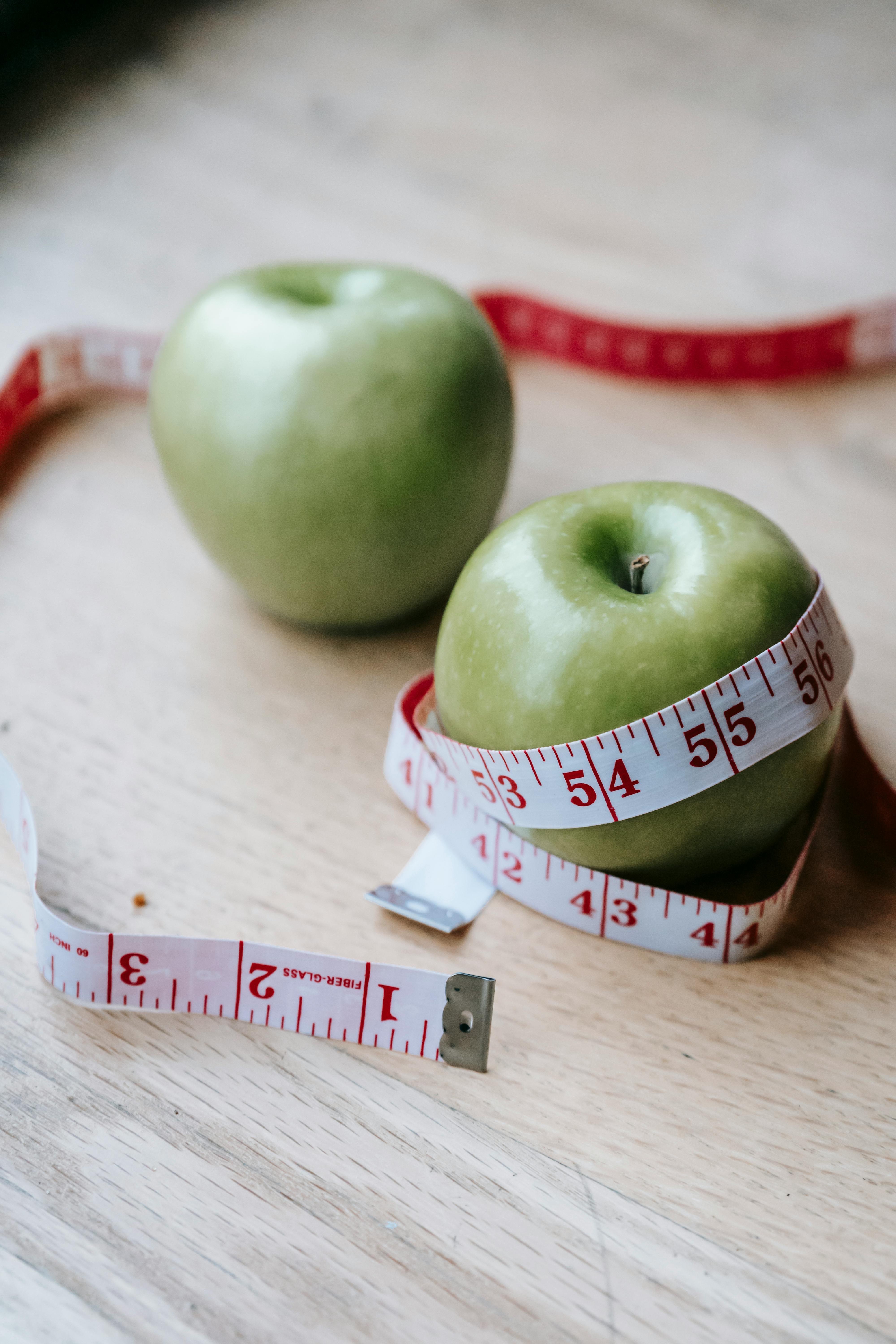
What is Dietary Fiber?
Fiber is edible plant material that resists digestion in the small intestine.
Soluble fiber dissolves to form viscous gel-like substances, which slow digestion and reduce post-meal glucose spikes, while insoluble fiber adds bulk and speeds transit through the colon.
Which one matters most?
When I analyzed clinical trials and nutrition guidelines I found consistent, practical patterns, and the science separates fibers by function—soluble types like psyllium, beta-glucan, and pectin lower LDL and blunt glycemic spikes, while insoluble types like wheat bran and cellulose improve stool bulk and reduce constipation, and both feed gut microbes that produce short-chain fatty acids important for colon health and systemic metabolism.
That’s the bottom line.

Core Benefits and Importance
Fiber improves at least five measurable outcomes for adults.
It lowers LDL cholesterol, improves post-prandial blood sugar, increases stool frequency, supports healthy gut microbiota through fermentation to short-chain fatty acids, and enhances satiety which can help crowd out calorie-dense foods.
Want results?
- Cholesterol: soluble fibers reduce LDL by interfering with bile reabsorption and promoting cholesterol excretion.
- Blood sugar control: viscous fibers slow carbohydrate absorption and blunt glycemic peaks, useful for insulin resistance.
- Bowel regularity: insoluble fiber increases stool bulk and speeds transit, reducing constipation risk.
- Gut health: fermentable fibers feed beneficial bacteria, producing acetate, propionate, and butyrate that support colonocytes and metabolic signaling.
- Satiety and weight control: fiber adds volume to the stomach and slows gastric emptying, reducing hunger and overall calorie intake.
For clinical context see Harvard T.H. Chan - Fiber and practical guidance at Mayo Clinic - Dietary Fiber.
Practical beats theoretical.
Step-by-Step Implementation: How to Actually Get Enough Fiber
Start with food first, and add supplements only when needed.
I’ve tested many plans and the simplest that sticks combines whole foods, a routine, and incremental changes—this avoids the usual all-or-nothing mistakes.
Ready?
- Calculate your target: aim for 25 g/day for women and 38 g/day for men, adjusting downward after age 50.
- Prioritize whole-food sources: legumes, oats, barley, fruits with skins, vegetables, nuts, seeds, and whole grains—these combine soluble and insoluble fibers plus micronutrients.
- Increase slowly: add 3–5 grams per day each week to minimize gas and bloating.
- Hydrate: viscous fibers and bulking agents need ample water—drink at least 8–12 ounces with a supplemental dose.
- Use psyllium smartly: start at 5 grams once daily with water, titrate to 10–15 grams daily if tolerated; split doses with meals if using for satiety or glycemic control.
- Monitor effects: check bowel habits, bloating, and changes in lipids or glucose if tracking metrics.
- Pair with training: add strength training to preserve lean mass during weight loss, and cardio to improve glycemic control—fiber helps, but exercise matters too.
Practical tip: combine oats and fruit in the morning, add legumes to lunch salads, and snack on raw vegetables or nuts to spread intake across the day.
Small habits win.
Comparison Table: Psyllium vs. Glucomannan (Leading Competitor)
Here's a direct comparison of two widely used soluble fibers.
Choose what suits your goal.
| Feature | **Psyllium (Plantago ovata)** | Glucomannan (Konjac root) |
|---|---:|---:|
| Solubility | **Soluble, forms viscous gel** | Soluble, highly viscous |
| Typical dose | 5–15 g/day | 1–4 g/day |
| Main benefits | Relieves constipation, lowers LDL, blunts glucose spikes | Promotes satiety, aids weight loss, may lower cholesterol |
| Side effects | Bloating, risk of esophageal/gut obstruction if not enough water | Bloating, choking risk if not taken properly, requires water |
| Evidence for weight loss | Modest satiety effects; small weight changes when combined with diet | Some trials show modest weight loss with diet program |
| Best use case | Regularity and cholesterol management | Appetite control and caloric displacement |
| Cost and availability | Widely available, inexpensive | Available but variable pricing |
| Whole-food alternative | Oats, legumes, psyllium husk | Konjac noodles, glucomannan powder |
Common Mistakes to Avoid
People overcomplicate fiber.
They assume more is always better, ignore water, or treat fiber supplements like miracle pills instead of tools that must fit into an eating pattern—then they fail.
Sound familiar?
- Too fast: Rapid increases cause gas and cramping; add fiber slowly over weeks.
- Too little water: Gel-forming fibers can obstruct if not taken with enough fluid—this is avoidable and serious.
- Supplements only: Whole foods bring nutrients and varied fiber types; supplements should fill gaps, not replace foods.
- Expecting miracle weight loss: Psyllium helps satiety, but meaningful weight loss comes from caloric deficit and exercise—fiber helps, it doesn’t replace training.
- Drug timing: Fiber can alter absorption of some medications—separate dosing times as recommended.
If you follow basic rules—slow increases, hydrate, prefer variety—you’ll avoid most problems.
Keep it sensible.
Frequently Asked Questions
Q: How much fiber should I eat daily?
A: For most adults the target is 25–38 grams per day—women usually aim for about 25 grams and men for 38 grams, with slightly lower targets after age 50 due to lower caloric needs.
Reasonable target.
Q: Can psyllium help with weight loss?
A: Psyllium can increase fullness and reduce post-meal glucose, and trials show modest reductions in calorie intake and small weight loss when combined with a controlled diet—psyillium is an assistant, not the lead actor.
Useful, not miraculous.
Q: Is psyllium safe long-term?
A: For most people psyllium is safe when taken with adequate water; rare issues include esophageal or intestinal blockage if taken dry or by those with swallowing disorders—check with your clinician if you have strictures or swallowing problems.
Check with your clinician.
Q: Should I get fiber from food or supplements?
A: Whole foods are preferable for their broad nutrient content; supplements are helpful for targeted issues like constipation or to reach a daily target when foods fall short.
Food first.
Further reading: see Cleveland Clinic - Psyllium for drug interactions and safety notes.
Be informed.
Final Thought
Fiber is simple in principle and messy in practice.
Treating your daily intake as stewardship makes a difference—your body deserves steady care and moderation, not fads, and a measured approach wins over gimmicks every time.
Practical care matters.
Start with whole foods, plug gaps with psyllium if needed, increase slowly, hydrate, and combine fiber with strength training and cardio for metabolic health and body composition—this is how small choices compound into real benefits.
Small choices compound.