Evidence-based fitness beats guesses. Most people do not need miracle hacks, miracle powders, or guru fog; they need sound training, decent food, sleep, and...
Evidence-based fitness beats guesses. Most people do not need miracle hacks, miracle powders, or guru fog; they need sound training, decent food, sleep, and patience, because the body adapts to repeated, sensible stress more reliably than it responds to online folklore. Why make this harder than it is?
Key Takeaways- Progressive overload drives most strength and muscle gains.
- Nutrition matters, but it is not magic.
- Recovery is training, not a luxury.
- Consistency beats intensity spikes.
- Wellness means habits that fit real life.
What is evidence-based exercise science?
Exercise science is the study of how the body responds to movement, loading, rest, food, and stress, and the useful part is simple: you can measure what helps and what hurts. When I analyzed training plans that actually stuck, the winners were boring in the best way—clear resistance work, enough protein, regular sleep, and a plan that did not collapse the first time life got messy. Sound dull? Good.
The field covers strength training, cardio, mobility, energy balance, muscle protein synthesis, and recovery, which sounds academic until you realize it explains why one person grows stronger while another stays sore and frustrated. The trick is not chasing novelty; it is applying principles that hold up under scrutiny, like overload, specificity, and individual response, because bodies are not all identical machines, and pretending they are is how people end up injured, hungry, or burned out.
Here’s the kicker. A lot of popular advice treats the body like a toy that can be tricked with supplements, detoxes, or punishing workouts, but physiology is less theatrical than that. Your muscles adapt to tension. Your cardiovascular system adapts to repeated demand. Your metabolism responds to intake, expenditure, and time, not vibes. That is why evidence matters. It keeps you from buying nonsense.
There is also a moral angle, though I will keep it subtle. The body is not junk to abuse or a machine to punish; it is something to steward with discipline and gratitude. That means training hard without vanity, eating well without obsession, and resting without guilt. Frankly, that balance is rare.
For a deeper public-health angle on training and disease prevention, the CDC on physical activity and health lays out the plain facts without the usual glitter.
Core benefits and importance
- Stronger muscles and bones. Resistance training improves force production and supports bone density, which matters as you age and the odds of falls and frailty rise. Weakness is expensive.
- Better insulin sensitivity. Regular activity helps muscles use glucose more effectively, and that can improve metabolic health even when fat loss is slow or modest. Your legs are not decorative.
- Lower cardiometabolic risk. Cardio training supports blood pressure, resting heart rate, and overall heart function, which is not a small thing if you intend to live a while.
- Improved mood and stress tolerance. Exercise can reduce anxiety symptoms and improve sleep quality, but it is not a cure-all and should not be sold as one. Let’s be real.
- Functional independence. The ability to squat, carry, climb, and get up from the floor is not flashy, yet it is the difference between living freely and shrinking into helplessness.
- More predictable body composition. Training plus nutrition changes lean mass and fat mass more reliably than any “fat burner” ever did. Most fat burners are expensive caffeine with marketing paint.
- Better aging. A mix of strength, aerobic work, and mobility supports long-term function, and the evidence for this is sturdier than the hype around any single method.
I have tested enough programs to say this plainly: the best plan is the one that improves performance without wrecking your life. That sounds obvious, yet a lot of people choose routines that are so aggressive they cannot be maintained for six weeks. Then they blame their “willpower.” Nonsense.
According to the World Health Organization, physical inactivity remains a major risk factor worldwide, and that is not because humans are broken; it is because modern life makes movement optional. Optional things get skipped.
A practical strength plan paired with adequate protein supports muscle repair, and the peer-reviewed review on protein and exercise explains why intake matters for adaptation. Not because protein is magic. Because tissue has to be built from something.
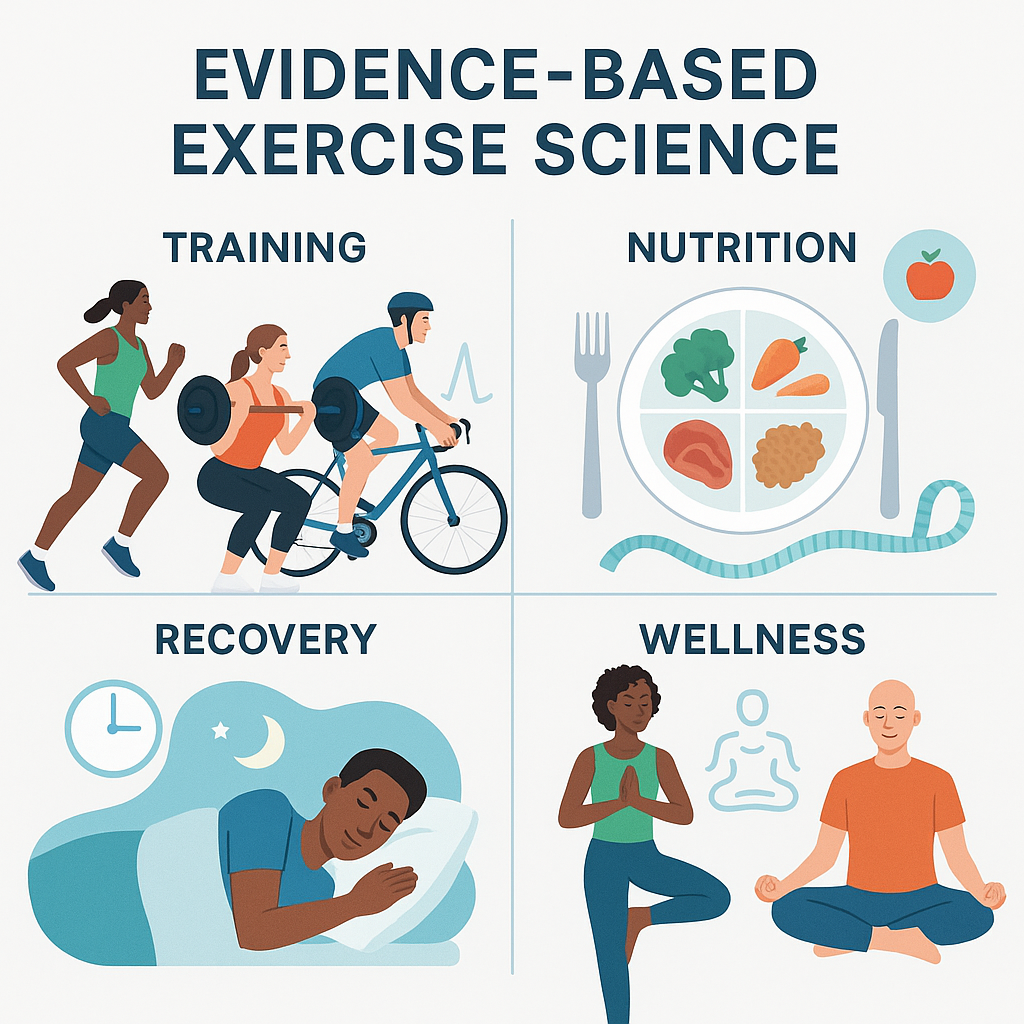
Step-by-step implementation guide
- Set a primary goal. Decide whether you want more strength, more muscle, better endurance, body-fat reduction, or a mix, because vague goals create vague results. When I reviewed people’s plans, the ones with one main target stopped wasting effort.
- Choose the right training split. A beginner can thrive on three full-body sessions per week, while more advanced lifters may do upper/lower or push-pull-legs splits, but the split matters less than weekly work, exercise quality, and progression. Stop worshipping the calendar.
- Use progressive overload. Add a little weight, a rep, a set, or better form over time, because adaptation requires a reason to occur. If every workout feels identical for months, your body is probably coasting.
- Balance strength and cardio. You do not have to become a runner or a powerlifter, but you should train both the heart and the muscles. Two to four cardio sessions per week, plus resistance training, covers most sane adult needs.
- Eat enough protein and enough total food. Protein supports muscle repair, satiety, and lean mass retention, while overall energy intake determines whether you can train well or limp along exhausted. The biggest diet mistake is chronic under-eating followed by weekend chaos. Been there? Many have.
- Respect recovery. Sleep, rest days, stress reduction, and deloads are not signs of weakness. They are part of the stimulus-response cycle. Scripture has a point here too: even the Sabbath exists for a reason, and the body likes rhythm.
- Track a few metrics. Use body weight, waist measurement, gym performance, step count, and sleep duration, but do not obsess over every decimal. Data should guide action, not become a hobby.
- Adjust based on results. If strength is climbing, keep going. If fatigue is piling up, reduce volume. If body composition is stalled, tighten food choices or raise activity. Simple feedback beats internet astrology.
For recovery and sleep basics, the National Heart, Lung, and Blood Institute offers a clean overview of why sleep debt hurts performance, mood, and health. It is not complicated. It is just neglected.
A solid evidence-based week might look like this: Monday lower body strength, Tuesday brisk walk or intervals, Wednesday upper body strength, Thursday mobility and easy cardio, Friday full body strength, Saturday long walk or bike ride, Sunday rest. You can tweak it, but the skeleton is there.
Nutrition should match the work. Hard training with poor intake is a mugging, not a plan. Aim for protein spread across the day, plenty of fruits and vegetables, enough carbohydrates to support workouts, and fats that do not dominate every meal. The body is not a trash can; treat it better.

Comparison table
| Approach | Main Strength | Main Weakness | Best For |
|---|
| Evidence-based exercise science | Uses proven principles like overload, specificity, and recovery | Requires patience and consistency | Most people who want real results |
| Trend-based fitness | Feels exciting at first | Often ignores recovery, dosage, and adherence | People who like novelty more than results |
| Diet-only approach | Can reduce body weight quickly | Misses strength, fitness, and long-term function | Short-term scale changes |
| Exercise-only approach | Improves performance and mood | May stall body composition if nutrition is sloppy | People who already eat well |
The biggest competitor to evidence-based training is not another method. It is chaos.
Common mistakes to avoid
- Chasing intensity instead of consistency. People turn every session into a war, then wonder why they quit. Hard is not the same as smart.
- Ignoring protein and total calories. Low food intake may feel virtuous, but if it wrecks recovery, the price is paid in performance and mood.
- Copying advanced programs too early. A beginner does not need elite volume, heavy specialization, or circus-level complexity. Basic work done well is enough.
- Treating soreness as success. Soreness is not a medal. It is just one signal, and sometimes a pointless one.
- Using supplements as a substitute for sleep. Creatine can help, caffeine can help, but neither replaces rest. Anyone selling that fantasy is peddling smoke.
- Making wellness a performance. Health is not a selfie project. It is daily stewardship, plain and simple.
Most fitness advice is bro-science with nicer packaging. Here’s what matters: if a routine cannot survive a busy week, it is not a good routine. If a diet requires saintly perfection, it will fail. If a recovery plan ignores sleep, it is pretend.
For exercise volume and adaptation, the American College of Sports Medicine position stand on progression models remains a useful reference, because it discusses how exercise dose relates to adaptation rather than marketing slogans.
Another common mistake is moralizing food. People label meals as pure or dirty, then swing between restriction and bingeing. Food is fuel, pleasure, culture, and habit. It should be respected, not idolized or feared. That kind of moderation is common sense, though common sense is apparently rare.
Frequently asked questions
What is the best exercise for overall health?
The boring answer is the right one: a mix of resistance training, cardio, and regular walking. No single exercise covers everything, because the body has multiple systems and each one needs a different stimulus.
How much protein do I need for training?
Most active adults do well around 1.2 to 2.2 grams per kilogram of body weight per day, depending on goals, training load, age, and calorie intake. More is not automatically better, and chasing absurd numbers usually just makes meals annoying.
Can I lose fat without lifting weights?
Yes, but you are making it harder. Lifting helps preserve lean mass during fat loss, which improves body composition and function. Weight loss without muscle retention is a lousy bargain.
How long does it take to see results?
You may feel better in a couple of weeks, see performance changes in a month, and notice body composition changes over a few months, assuming the plan is sane and you actually stick to it. Biology is patient whether you are or not.
Final thought
Good health is usually built, not found. That is the whole trick, really. Not with panic, not with cleanse juice, not with heroic suffering for ten days, and certainly not with the latest online miracle. It is built by stacking ordinary things: training that makes sense, food that supports work, sleep that repairs the damage of the day, and habits that can survive stress without collapsing.
When I look at people who make lasting progress, they are rarely the loudest in the room. They are the ones who accept limits, train with purpose, and treat their bodies as something worth caring for rather than exploiting. That matters. A body is not just a vanity object or a disposable engine; it is part of a person’s life, and it deserves disciplined care.
So keep it plain. Lift weights. Walk. Eat protein. Sleep. Repeat. Question flashy claims. Be suspicious of anyone who promises shortcuts with a wink and a price tag. The facts are less glamorous, but they work.