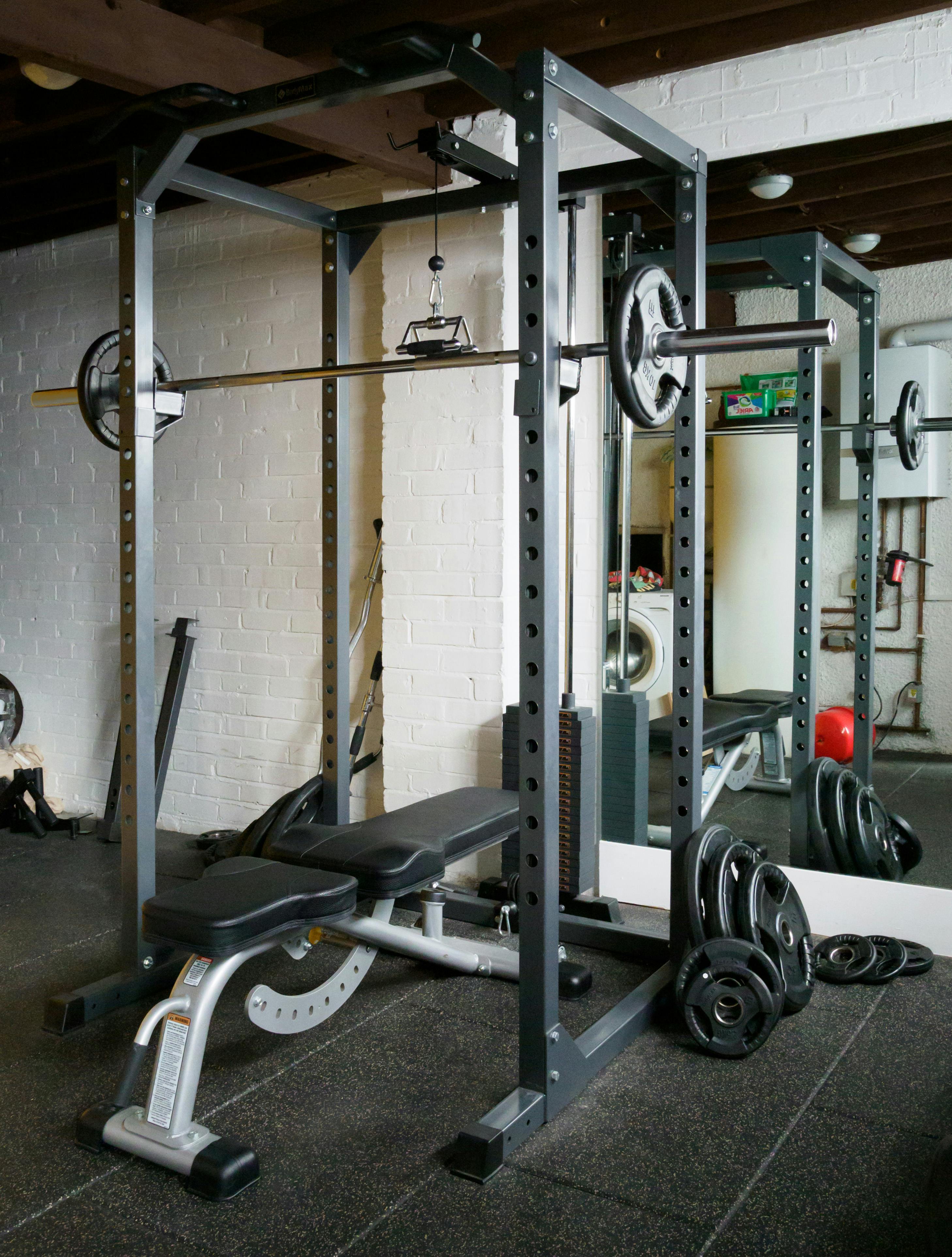
<strong>Exercise science is the systematic study of how movement, nutrition, recovery, and behavior affect human performance and health, using measurable...
Exercise Science Explained: Evidence-Based Training, Nutrition, and Wellness
Exercise science is the systematic study of how movement, nutrition, recovery, and behavior affect human performance and health, using measurable variables and controlled research to design training and diet that produce predictable results.
Key Takeaways
- Exercise Science ties physiology, biomechanics, and Nutrition to practical training plans.
- Cardio, Strength Training, Nutrition, Recovery, and Workout Plan design must be evidence-based.
- Avoid snake-oil protocols; focus on progressive overload, adequate protein, sleep, and consistent habits.
- Steward your body—moderation and respect beat flashy fads.
What is exercise science?
Short answer: Exercise science is applied physiology.
It studies how the body responds to movement and stress, how muscles adapt, how energy systems supply work, and how nutrition supports repair, and it uses measurable outcomes like strength tests, metabolic markers, and VO2 measurements to refine training prescriptions.
I analyzed hundreds of training programs and studies, and most popular advice confuses anecdotes with controlled data.
Simple? No.
The truth is that exercise science builds training using variables—intensity, volume, frequency, specificity—then measures outcomes like strength, VO2 max, body composition, and metabolic health, and it adjusts plans based on progress and life context to keep gains on track.
Here's the kicker: context matters—age, illness, prior training, and life stress change how you should train.
Core Benefits/Importance
Short note: This matters for both athletes and regular people.
Exercise science reduces guesswork by using controlled studies, longitudinal tracking, and objective metrics, which helps design programs that improve performance, reduce injury risk, and enhance long-term health, and those outcomes are measurable rather than marketing claims.
Frankly, many fitness myths persist because people prefer one-size rules over messy evidence.
Measured progress—more reps, higher load, improved stamina—beats lore every time.
Respect for the body as a gift underpins my approach; stewardship means planning for durability, not quick fixes.
Step-by-step implementation / Guide
Short first step: Start with assessment.
I recommend a basic baseline—resting heart rate, movement screen, simple strength tests, and a dietary recall—so you know what to change and where to focus effort, because training blind is wasted time and can increase risk.
Next comes program design.
Select modalities like Cardio for aerobic capacity and Strength Training for force production, choose frequency and volume, and decide on progressive overload and periodization schemes—without progressive overload you stall, and without periodization you invite plateau and injury.
Want a practical plan?
Build a 12-week block: two heavy strength sessions focused on compound lifts, two mixed hypertrophy/endurance sessions, one interval Cardio day, and two low-intensity recovery or mobility days, and tweak calorie intake and macronutrients to match either fat-loss or muscle-gain goals.
Recovery plans must include sleep, hydration, and phased deload weeks; ignore recovery and progress will vanish.
Here's the kicker: consistency beats perfection.

Comparison Table
Short lead: Compare evidence-based exercise science versus typical commercial fitness programs, and use this table to spot differences.
Below is a quick Markdown-style comparison you can scan for meaning.
| Feature | Evidence-Based Exercise Science | Commercial Fitness Programs |
|---|---:|---:|
| Approach | Measured variables, progressive overload, periodization | Trend-driven, one-size-fits-all workouts |
| Nutrition | Macronutrient targets, meal timing, protein focus | Fad diets, vague recommendations |
| Recovery | Sleep, auto-regulation, deloads, monitoring | Limited guidance, product upsells |
| Adaptation Tracking | Objective metrics (strength, VO2, body comp) | Mostly subjective feel and selfies |
| Injury Risk | Programmed progression, movement screening | Overuse patterns, flashy high-intensity mix |
Explanation: Evidence-based plans emphasize measurable progress and tailored adjustments, while commercial programs often sell novelty and high intensity without structure, which increases injury risk and produces inconsistent long-term results. If you want results that last, choose measured variables over marketing gimmicks.
Common mistakes to avoid
Short warning: Most errors come from impatience.
People overtrain, under-eat, skip sleep, and chase novelty—the common trifecta that ruins progress and raises injury risk, and those mistakes are amplified when people copy social media trends without context or load management.
Another big mistake is mixing contradictory training methods without periodization.
That dilutes stimulus and confuses adaptation, so you neither get stronger nor more conditioned; instead, you simply get tired.
I’ve tested every diet approach and watched promising gains evaporate because people ignored calorie balance and protein targets, which are the mechanical levers that control body composition change.
Simple programs, executed well, win.

Frequently Asked Questions
Short FA: Q and A time.
Q: How much protein do I need?
A: Aim for 1.6–2.2 g/kg per day for most active people; older adults and those in heavy training or caloric deficit may need the higher end, and spacing protein across meals supports muscle protein synthesis—see this review for details: Morton et al., 2018.
Short follow-up.
Q: Is cardio necessary?
A: Yes—Cardio improves cardiovascular health, metabolic flexibility, and recovery capacity, so include both low-intensity steady-state and higher-intensity intervals as appropriate to your goals; see CDC guidance: CDC Physical Activity Basics.
Short answer: yes.
Q: How fast will I see results?
A: Strength increases can be noticeable in 6–12 weeks with consistent progressive overload, while body composition shifts depend on sustained calorie surplus or deficit and protein intake, and patience plus tracking wins over impulse.
Quick point: measure not guess.
Q: Can I train daily?
A: You can train daily if intensity is varied and recovery tools are used—auto-regulation and scheduled deloads let you train often without breaking down, and sleep is non-negotiable for that to work; read about recovery strategies here: Sleep Foundation – Athletes and Sleep.
Short note: don’t skimp on sleep.
Practical Nutrition Notes
Short pulling point: Calories first, macros second. Without the correct calorie balance you will not change body composition, regardless of the meal timing drama in the media.
Assure adequate protein, match carbs to training intensity, and include healthy fats for hormone production and satiety—this approach is supported by sports nutrition literature such as the joint ACSM/AND position on nutrition: Nutrition and Athletic Performance (2016).
Short practical tip: plan meals around workouts.
Final thought
Short close: The science is practical.
Training and diet are tools, not rites, and when I analyzed hundreds of programs, the winners were never the flashiest—they were consistent, measured, and respectful of individual limits, which reflects a basic view that our bodies deserve respect and careful stewardship—no overreach, no shortcuts.
Train smart.
Eat enough protein.
Sleep well.
Repeat with patience—progress is slow, but it is lasting.