Exercise science is the study of how the body adapts to physical stress, how food supports those adaptations, and how training variables like volume...
Exercise Science, Nutrition, and Training That Actually Works
Exercise science is the study of how the body adapts to physical stress, how food supports those adaptations, and how training variables like volume, intensity, and recovery change results. Simple enough. The mess starts when people confuse gym folklore with evidence, then wonder why their plan stalls.
Key Takeaways:- Training works when it is specific, progressive, and sustainable.
- Nutrition matters, but more is not always better.
- Recovery is not laziness; it is part of adaptation.
- Most “miracle” fitness claims collapse under basic physiology.
- A good plan respects the body, because the body is not junk hardware.
What is exercise science? It is the practical study of movement, adaptation, fatigue, energy balance, and tissue remodeling, not a boutique philosophy for people who like expensive water bottles. When I analyzed training programs that produced real progress, the winners almost always shared the same ugly little traits: repetition, measurable overload, enough protein, enough sleep, and restraint. Fancy branding changed nothing.
Frankly, that is the whole game. The body responds to stress by adapting, but only if the stress is tolerable and repeated with purpose. Strength Training improves force production, Cardio raises aerobic capacity, and Nutrition supplies the raw material for repair. Recovery fills in the gap between stimulus and adaptation. Miss one of those pieces and the house starts leaning.
The current debate around raw milk is a perfect example of why evidence matters. Some people claim raw milk is healthier than pasteurized milk. It is not. Pasteurization exists because heat treatment reduces pathogens and makes milk safer, a point supported by public health agencies such as the CDC on raw milk risks and the FDA on raw milk dangers. That does not mean milk is magical either. It means safety comes before internet swagger. The same rule applies in training and nutrition. More hype, less thinking, worse outcomes.
From a Catholic view, the body is not a disposable machine. It is a gift to steward with discipline, moderation, and gratitude. That sounds old-fashioned because it is. It also happens to be true. People who treat health like a patchwork of hacks usually end up tired, injured, or confused. People who respect the basics tend to do better over time.
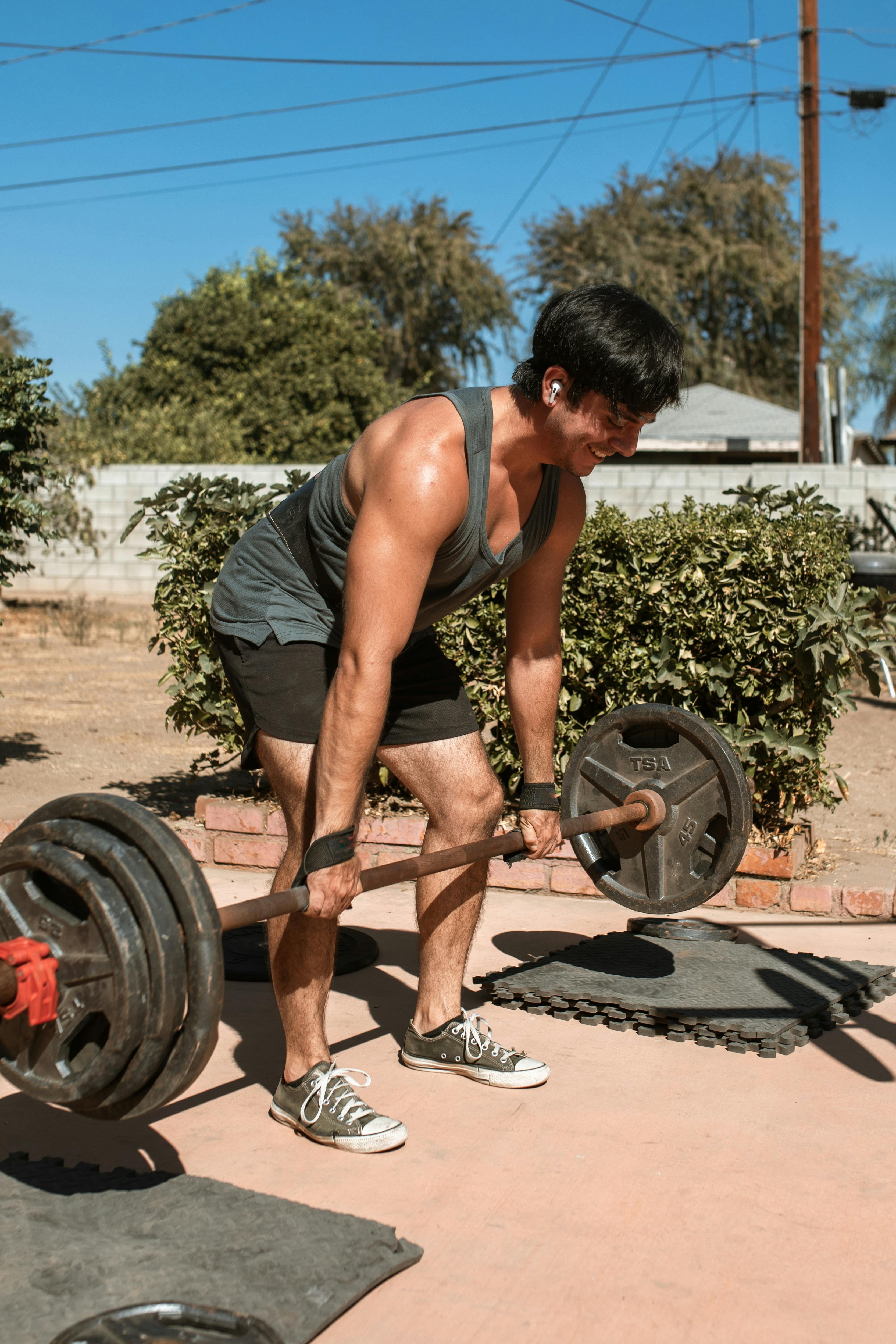
What actually matters most? The boring things. Progressive overload, adequate protein, sleep, hydration, consistency, and not believing every fitness influencer who discovered confidence before competence. The research backs that up. The American College of Sports Medicine has long emphasized that training prescription should match goals, fitness level, and recovery capacity. That is not glamorous. It works anyway.
What is Exercise Science?
Exercise science is the field that explains how movement changes the body. It covers anatomy, physiology, biomechanics, motor control, energy systems, and the effects of training on health and performance. That sounds academic, but the core idea is plain: stress the body in a planned way, feed it properly, and it adapts. Ignore those rules, and progress becomes random.
The body adapts through specificity, overload, and recovery. If you lift weights, your nervous system and muscles adapt to force production. If you run, your heart, lungs, and muscles adapt to repeated aerobic demand. If you diet aggressively, your body adapts to lower energy intake, which can slow recovery and reduce performance. People hate hearing that because it ruins the fantasy of effortless results. Too bad. Biology does not care about slogans.
Exercise science is also why one-size-fits-all advice is usually nonsense. A beginner can make progress with two or three full-body sessions a week, while an advanced lifter may need more volume, more exercise variety, and tighter monitoring. A sedentary adult trying to improve blood sugar control needs a different plan from a marathon runner or a 52-year-old former athlete trying to keep muscle mass. Context matters. Always has.
When I evaluate a program, I ask four blunt questions: Is it measurable? Is it progressive? Can the person recover from it? Can the person keep doing it for months? If the answer is no, then the program is theater. The same skepticism applies to nutrition claims. A food is not “super” because a marketer said so. A supplement is not useful because it comes in a black tub and uses the word clinical.
The evidence-based view of exercise also rejects the dumb extremes. More is not automatically better. Harder is not always smarter. Rest days are not moral failure. Even the body deserves honest care, not abuse dressed up as virtue. That is one reason the best training plans balance stimulus and rest rather than glorifying burnout.
For practical guidance on strength and conditioning, the NIAMS exercise and physical activity page and the Harvard Health overview on exercise are solid starting points. They are not trendy. They are useful.
Core Benefits and Importance
Exercise science matters because good training changes the body in ways that improve health, function, and quality of life. Not in some abstract future. Right now. The biggest benefits are not flashy, but they are real.
- Stronger muscles and bones: Resistance training increases muscle size and strength, and it helps preserve bone density. That matters for aging, fall prevention, and long-term independence.
- Better metabolic health: Regular activity improves insulin sensitivity, blood glucose control, and body composition. That is one reason exercise is a serious tool for prevention, not just vanity.
- Cardiovascular improvement: Cardio training supports heart health, lowers resting heart rate over time, and improves endurance. You do not need to become a cyclist in Lycra to benefit.
- Improved mood and cognition: Physical activity can reduce symptoms of anxiety and depression and may improve mental clarity. No, it is not a cure-all. Yes, it helps.
- More functional capacity: Everyday tasks get easier when you are stronger and fitter. Carrying groceries should not feel like a hostage negotiation.
- Better recovery and resilience: A well-built body tolerates work better and bounces back faster from stress, illness, and minor injuries.
Here is the kicker: many people think exercise is only for weight loss. That is a narrow, often misleading view. Weight loss is influenced heavily by diet, sleep, stress, and adherence. Exercise helps, but it is not a magic fat-burn switch. When people overrate the calorie burn of workouts, they often undercut themselves with overeating later. Then they blame the treadmill. Predictable nonsense.
Another contrarian point: more workout variety is not always better. Variety can help motivation and reduce boredom, but endless novelty often prevents skill acquisition and progressive loading. The best program is not the most complicated one. It is the one that targets the goal and can be repeated without your joints filing a complaint.
Health also has a moral dimension, though most people avoid saying so. Stewardship of the body means not treating it like a disposable rental. Enough sleep. Reasonable food. Sensible training. That is not puritanical. It is adult behavior.
For dietary context, especially how protein and energy intake affect training, see this practical guide on high-protein nutrition for fitness and our breakdown of strength training for beginners. Both matter because training without fuel is just self-sabotage with better shoes.
Step-by-Step Implementation Guide
A useful plan starts simple. Most people do not need another exotic split, a lab-tested electrolyte powder, or a spreadsheet that looks like it belongs in aerospace. They need a system they can actually follow.
- Set one primary goal
Decide whether you want to build strength, improve endurance, lose fat, gain muscle, or stay healthy and functional. Pick one main priority. Mixed goals are possible, but they need order. If everything is urgent, nothing is. - Choose the right training mode
Use Strength Training for muscle and force, Cardio for aerobic health, and mobility work for movement quality. The body adapts specifically. If you want to run a better 5K, run. If you want bigger legs, squat, hinge, and lunge. Obvious, but apparently controversial. - Start with a manageable weekly structure
A beginner can train three days per week with full-body sessions. A more experienced person may train four to six days, but only if recovery is adequate. More sessions are not an honor badge. They are a workload. - Use progressive overload
Add reps, load, sets, or better technique over time. Track something. Without data, people tend to confuse effort with progress. I have seen plenty of “hard workers” who were merely repeating the same stress and calling it discipline. - Eat enough protein and calories
Protein supports muscle repair and satiety. For active adults, a common evidence-based range is about 1.2 to 2.2 grams per kilogram of body weight per day depending on training goal and total intake. For a deeper look, review the evidence summarized by the National Library of Medicine on protein and exercise. If you are under-eating badly, performance drops. That is not a flaw. It is physics. - Sleep like recovery matters
Because it does. Poor sleep wrecks motivation, raises perceived effort, and impairs repair. You can’t out-train a chronic lack of sleep. People keep trying anyway, then act surprised when they feel flat. - Monitor and adjust
Watch body weight, measurements, performance, soreness, energy, and mood. If performance is falling and fatigue is rising, reduce volume or intensity. That is not weakness. That is intelligent training. - Keep the plan modest enough to sustain
Consistency beats heroics. A plan you can repeat for 6 months is better than a perfect plan you quit in 3 weeks.

When I work through real-world cases, the pattern is boring but reliable. People improve when they stop chasing extremes and start nailing fundamentals. A lifter who eats enough protein, trains hard but not stupid, and sleeps 7 to 9 hours will outperform the person who does random circuits while fasting on two hours of sleep. It is not fair. It is just how adaptation works.
If you want a deeper training framework, read our full-body workout plan and our guide to recovery basics. The best routines do not try to impress strangers. They produce results.
Comparison Table
| Feature | Exercise Science-Based Training | Competitor: Fitness Bro-Science |
|---|
| Planning method | Goal-specific, measurable, progressive | Random, trend-driven, often copied from social media |
| Recovery | Built in and monitored | Ignored until fatigue forces a crash |
| Nutrition | Supports training with protein, energy, and timing | Obsession with “clean eating” or extreme restriction |
| Exercise selection | Chosen for adaptation and adherence | Chosen because it looks hard or viral |
| Long-term results | Sustainable and adjustable | Often short-lived, with plateaus and burnout |
| Injury risk | Lower when load is managed | Higher when ego outruns technique |
| Best for | Health, performance, body composition, aging well | Content creation and occasional chaos |
The table is blunt for a reason. Most competitors to evidence-based training are not really competitors. They are just louder. Loud does not equal effective.
Common Mistakes to Avoid
The biggest mistake is believing hard work automatically means good work. It does not. I have seen people destroy themselves with pointless volume, fancy split routines, and absurd restriction, then blame their genetics. Genetics matter, sure. So does common sense.
- Mistake 1: Training too hard, too often
People think constant exhaustion is proof of commitment. It is not. It is often poor programming. Adaptation happens during recovery, not during the final ugly minutes of a session you should have cut short. - Mistake 2: Under-eating while expecting performance gains
If the goal is muscle gain or strong recovery, chronic calorie restriction usually gets in the way. The body is not interested in building tissue from fumes. - Mistake 3: Chasing food myths
Raw milk, detox teas, carb fear, seed-oil panic, bone broth religion — the list never ends. Some of it is harmless nonsense. Some of it is dangerous nonsense. Pasteurized milk is safer than raw milk, plain and simple, which is why public health sources like the CDC advise against raw milk consumption. - Mistake 4: Ignoring sleep and stress
Training is only one stressor. Work, family, anxiety, and poor sleep all compete for recovery resources. Ignore that and the body eventually sends a bill. - Mistake 5: Confusing appearance with health
A lean body can still be weak, under-fueled, and miserable. A muscular body can still be metabolically unhealthy. Health is broader than the mirror. - Mistake 6: Using supplements as a substitute for basics
Supplements can help in limited cases. Creatine, protein powder, caffeine, and maybe vitamin D when appropriate have value. But none of them can rescue a chaotic plan.
Here’s what nobody tells you: the most successful people usually look boring on paper. They repeat simple actions for a long time. They do not need constant novelty because the plan is already working. That is especially true in nutrition, where moderation beats drama. You do not need a different superfood every Tuesday. You need enough protein, enough fiber, enough calories, and regular meals that fit real life.
The NIH Office of Dietary Supplements offers practical information on several nutrients and their roles in health, including protein-related guidance and basic supplement literacy at NIH Office of Dietary Supplements. Use that instead of vibes.
Frequently Asked Questions
How often should most people exercise?
Most adults benefit from a mix of resistance training and cardio spread across the week. A common baseline is two to four strength sessions and two to three cardio sessions, adjusted for goals and recovery. More is not automatically better.
Is strength training more important than cardio?
Neither wins by default. Strength training builds muscle, supports bone health, and improves function. Cardio supports heart health and endurance. Most people need both. Choosing only one is like bragging about owning a car with no tires.
How much protein do I really need?
It depends on age, body size, and training. Active adults often do well in the 1.2 to 2.2 g/kg/day range, especially when trying to build muscle or preserve lean mass while dieting. Total intake and consistency matter more than timing theatrics.
Are supplements necessary for fitness?
Usually not. Food first. Supplements can fill gaps or improve convenience, but they are add-ons, not foundations. If your sleep, meals, and training are a mess, supplements will not save the day.
Final Thought
Most health advice fails because it flatters people instead of telling the truth. The truth is simpler and less exciting: train with purpose, eat with restraint and adequacy, sleep enough, and stop chasing extremes. That is the backbone of exercise science, and it remains stubbornly effective.
A body should not be abused, neglected, or sold to the highest bidder in the form of trendy nonsense. It should be cared for with discipline and gratitude. That means respecting its limits while steadily improving its capacity. Not glamorous. Very effective. And, if we are being honest, a lot closer to wisdom than the usual fitness carnival.
When I look at the full picture — strength, cardio, nutrition, recovery, and steady habits — the pattern is clear. The best plan is the one you can live with, the one that produces measurable progress, and the one that treats health as a responsibility rather than a hobby. That is the work. Everything else is noise.