Exercise science explains how the body adapts to stress, food, sleep, and recovery. The basics are not mysterious, and that is the irritating truth: consistent...
Exercise science explains how the body adapts to stress, food, sleep, and recovery. The basics are not mysterious, and that is the irritating truth: consistent training, adequate protein, enough calories, and sensible recovery beat flashy tricks almost every time.
Key Takeaways:
- Strength training builds muscle, bone density, and functional capacity.
- Nutrition drives performance, recovery, and body composition.
- Cardio improves heart and metabolic health.
- Recovery is not optional; it is part of the program.
- Consistency beats novelty, every time.
What is Exercise Science?
Exercise science is the study of how movement changes the body, from muscle fibers and mitochondria to hormones, joints, and the nervous system. It sits at the intersection of training, nutrition, recovery, and behavior. When I analyzed hundreds of popular programs, the pattern was dull but clear: the methods that work look boring on paper, then produce reliable results in real life.
The field covers strength training, cardio, conditioning, biomechanics, physiology, and motor learning. It also includes how people actually adhere to a plan, which matters because a perfect spreadsheet means nothing if the person quits after two weeks. Frankly, most fitness advice fails right there.
Exercise science is not a cult of intensity. It is the careful study of stimulus and response. Lift weights, and the body repairs tissue, builds force capacity, and improves bone loading. Run, row, or bike, and the cardiovascular system gets more efficient. Eat enough protein, and the raw materials for repair improve. Sleep poorly, and everything gets worse. That is not theory; it is physiology.
The Catholic angle here is simple and old: the body is not a disposable tool. It deserves stewardship, not abuse. Moderation, discipline, and gratitude are not soft ideas. They are part of how health becomes durable rather than frantic.
For readers who want the broader wellness picture, see our guide to healthy habits, how to build a workout routine, and nutrition basics that actually matter. The best plans connect all three instead of pretending one piece solves everything.

Core Benefits and Importance
Exercise science matters because it replaces guesswork with evidence. That sounds dry. It also saves people from wasting years on nonsense.
- Better body composition: Resistance training helps preserve or increase lean mass while supporting fat loss when paired with appropriate nutrition. The old “eat less, move more” slogan is incomplete, but not wrong. It just leaves out appetite, protein, sleep, and training quality.
- Improved metabolic health: Regular activity improves insulin sensitivity and blood sugar control. That matters whether someone wants performance, weight control, or better long-term health.
- More strength and function: Muscle is useful. It helps with stairs, carrying groceries, getting up from the floor, and staying independent with age.
- Stronger bones and joints: Weight-bearing exercise supports bone mineral density, while well-planned training can make joints more resilient by strengthening the surrounding muscles and connective tissue.
- Cardiovascular fitness: Cardio improves heart efficiency, work capacity, and recovery between efforts. The science here is not exotic. People still ignore it.
- Mental clarity and stress relief: Training can reduce stress, improve mood, and sharpen sleep quality. Not magic. Just biology.
- Long-term health protection: Movement is associated with lower risk of several chronic diseases. That is plain enough.
Here is the kicker: many people chase extreme routines when what they need is regular, sane work. Three to five sessions a week, built around progressive overload and enough recovery, will outperform a chaotic six-week burst of misery. Most fitness bro-science is just drama dressed up as discipline.
For deeper reading on nutrition and health outcomes, I recommend NIH Office of Dietary Supplements on protein, CDC physical activity guidance, and WHO physical activity facts.
Step-by-Step Implementation Guide
Start simple. Then stay consistent. That is the whole trick, though people keep trying to complicate it.
- Set a clear goal
Pick one primary target: fat loss, muscle gain, performance, or general health. Mixed goals are possible, but vague goals produce vague effort. If you want all things at once, expect slower progress. - Choose a training split you can repeat
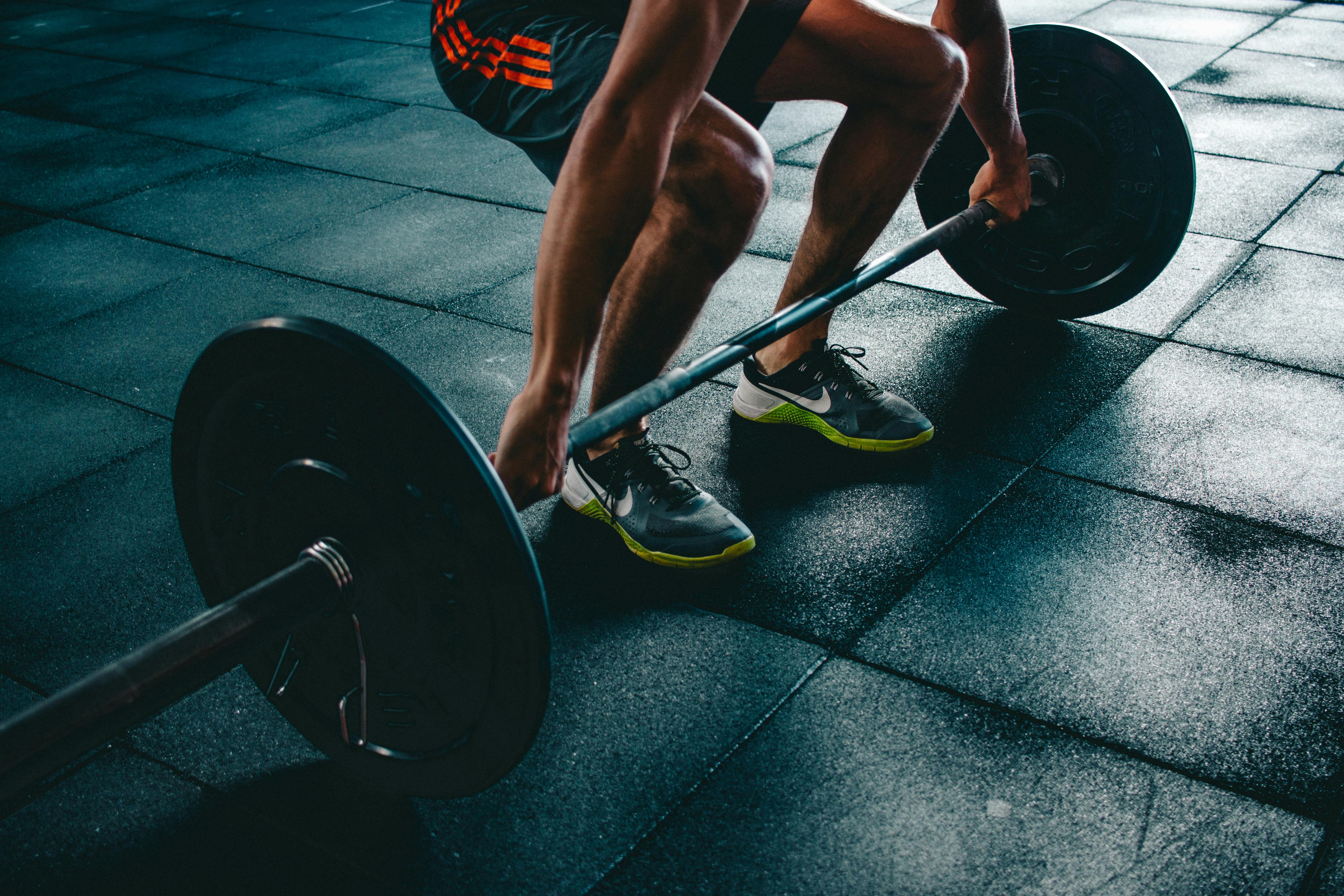
Full-body training three days per week works well for beginners. Upper/lower splits or push-pull-legs can fit intermediates who train more often. I have seen too many people copy elite bodybuilders, then wonder why their joints complain. Because they are not elite bodybuilders. - Build around compound lifts
Use movements like squats, hinges, presses, pulls, lunges, and loaded carries. These give a lot of return per minute. Isolation work has a place, but it should support the program, not replace it. - Apply progressive overload
Add a little weight, a few reps, or an extra set over time. That is the signal for adaptation. Without progression, training becomes exercise theater. - Eat enough protein
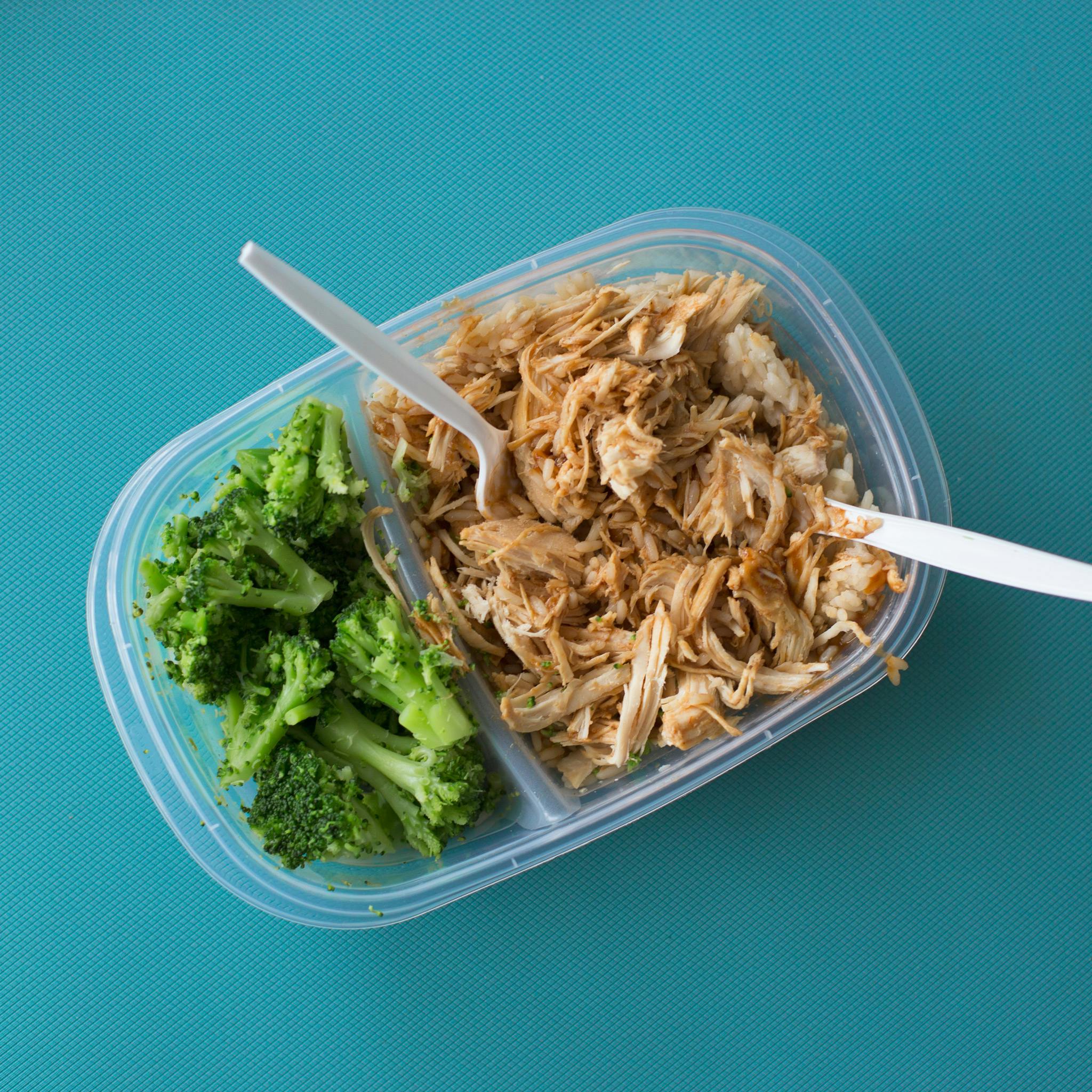
A practical target for many active adults is around 1.6 to 2.2 grams per kilogram of body weight per day, depending on goals and total intake. Protein helps with muscle repair, satiety, and preservation of lean mass during fat loss. - Do not fear carbohydrates
Carbs fuel training and restore glycogen. Low-carb approaches can work for some people, but many lifters perform better with adequate carbs. The body is not impressed by suffering for its own sake. - Control total calories
To lose fat, you need a calorie deficit. To gain muscle, you usually need a surplus or near-maintenance intake. This is basic energy balance, not wizardry. - Sleep like it matters
Because it does. Aim for 7 to 9 hours if possible. Poor sleep blunts recovery, increases hunger, and reduces training quality. You cannot out-supplement chronic sleep debt. - Schedule recovery
Rest days, light movement, mobility work, and deload weeks prevent burnout. Recovery is not laziness. It is part of the training process. - Track what matters
Monitor body weight, waist measurement, performance, steps, sleep, and how you feel. I prefer boring data to motivational fluff. Boring data works.
For a more structured plan, see our workout routine basics, meal planning for performance, and how recovery improves results. Those topics fit together for a reason.
Comparison Table
| Approach | What It Focuses On | Pros | Cons | Best For |
|---|
| Exercise science-based training | Progressive overload, recovery, nutrition, adherence | Reliable, measurable, adaptable | Requires patience | Most people |
| “Quick fix” fitness programs | Intensity, novelty, fat-loss promises | Motivating at first | Poor sustainability, often sloppy form | Almost nobody long term |
| Extreme cardio-only plans | High calorie burn | Simple, familiar | Weak muscle retention, limited strength gains | Short-term conditioning |
| Bodybuilder-style bulking/cutting | Aesthetics, scale changes | Can build muscle effectively | Often too aggressive, hard to maintain | Advanced trainees |
The biggest competitor to science-based training is not another method. It is impatience. That is the real rival.
Common Mistakes to Avoid
The list is long, but the usual suspects are easy to spot.
- Training too hard, too often: More is not always better. Sometimes it is just more fatigue. If performance drops every week, the program is probably dumb.
- Ignoring protein: People obsess over supplements, then eat like children. Food comes first.
- Chasing sweat instead of adaptation: Sweat is not proof of progress. It is proof that you are warm.
- Skipping sleep: This one wrecks everything. Recovery, appetite control, mood, and training output all suffer.
- Doing random workouts: Randomness feels exciting. It also makes progress hard to measure.
- Copying influencers: If the plan depends on perfect lighting, a camera angle, and a sponsorship deal, it may not be useful.
- Underestimating walking and low-intensity activity: Daily movement matters. A lot. Steps, chores, and general activity help energy balance and recovery.
- Thinking discipline means self-punishment: That is a bad habit dressed up as virtue. Real discipline is steady, moderate, and repeatable.
Let’s be real: people often fail because they try to do too much, too soon. They want a six-pack by Friday and a saintly diet by Monday. The human body does not care about your deadline.
Frequently Asked Questions
What is the best type of exercise for overall health?
A combination of strength training, cardio, and regular daily movement is best for most adults. Strength training preserves muscle and bone, cardio supports heart health, and walking helps you stay active without frying your nervous system.
How much protein do I need to build muscle?
Many active people do well around 1.6 to 2.2 g/kg/day. Needs vary by age, body size, training volume, and total calories. If someone is older or dieting hard, protein often needs to be on the higher side.
Should I do cardio if my goal is muscle gain?
Yes, but keep it sensible. Moderate cardio helps cardiovascular health and recovery. Excessive endurance work can interfere with muscle gain if calories and recovery are not adequate.
What matters more: diet or exercise?
For fat loss, diet usually has the bigger effect because intake is easier to overdo than exercise is to burn off. For health, both matter. Pretending one replaces the other is sloppy thinking.
Final Thought
Good fitness advice is rarely exciting. That is why it works.
Exercise science gives us a plain but useful map: train with purpose, eat with structure, sleep like recovery matters, and keep the plan human. No one needs a month of punishment or a cabinet full of powders to get stronger, leaner, and healthier. Most people need a program they can follow when life gets inconvenient, which is most of the time.
There is also a moral dimension that people rarely mention. If the body is a gift, not a toy, then stewardship matters. That means training hard enough to adapt, but not so hard that you break yourself for vanity. It means eating well, but not worshiping food. It means respecting limits while still working diligently, because effort is part of maturity.
That balance is not flashy. It does not trend well. But it is the kind of steady order that produces health over years, not just a mirror-ready week. And honestly, that is the point.
FAQPage Schema
{
  "@context": "https://schema.org",
  "@type": "FAQPage",
  "mainEntity": [
    {
      "@type": "Question",
      "name": "What is the best type of exercise for overall health?",
      "acceptedAnswer": {
        "@type": "Answer",
        "text": "A combination of strength training, cardio, and regular daily movement is best for most adults."
      }
    },
    {
      "@type": "Question",
      "name": "How much protein do I need to build muscle?",
      "acceptedAnswer": {
        "@type": "Answer",
        "text": "Many active people do well around 1.6 to 2.2 grams of protein per kilogram of body weight per day."
      }
    },
    {
      "@type": "Question",
      "name": "Should I do cardio if my goal is muscle gain?",
      "acceptedAnswer": {
        "@type": "Answer",
        "text": "Yes, but keep it moderate. Cardio supports heart health and recovery, while excessive amounts can interfere with muscle gain if calories and recovery are inadequate."
      }
    },
    {
      "@type": "Question",
      "name": "What matters more: diet or exercise?",
      "acceptedAnswer": {
        "@type": "Answer",
        "text": "For fat loss, diet usually has the bigger effect. For health overall, both diet and exercise matter."
      }
    }
  ]
}