Exercise science is the study of how the body responds to movement, load, fuel, rest, and stress. That sounds dry, but it is the whole game. If you want better...
Exercise Science, Nutrition, and Training That Actually Works
Exercise science is the study of how the body responds to movement, load, fuel, rest, and stress. That sounds dry, but it is the whole game. If you want better health, more muscle, less fat, stronger joints, and a calmer mind, you need principles, not internet slogans. Most fitness advice fails because it ignores physiology and overpromises results.
Key Takeaways- Exercise works when training, nutrition, and recovery line up.
- Strength training is not optional if you care about long-term health.
- Cardio matters, but it is not a license to eat badly.
- Protein, sleep, and consistency beat gimmicks.
- The best plan is the one you can repeat without wrecking your life.
What is exercise science?
Exercise science is the practical study of how cardio, strength training, nutrition, recovery, and behavior interact over time. It asks basic but annoying questions: How much stress can a muscle handle? Why does one person adapt quickly while another stalls? Why do people quit six weeks into a plan they swore was "perfect"? Those questions matter more than trendy exercises with awful names.
I have looked at enough training programs to see the same pattern. The ones that work usually look boring on paper. Progressive overload. Adequate protein. Sleep. Some cardio. A few hard sessions. Repeated for months. Frankly, that is why most people skip the science and chase novelty.
Exercise science is not a guess. It rests on measurable variables such as workload, intensity, volume, frequency, movement quality, energy balance, and adaptation. If you lift weights, your muscles grow because the body senses a demand and repairs tissue to tolerate that demand next time. If you run or bike, your heart and lungs adapt because repeated effort changes oxygen delivery and use. If you undereat chronically, progress slows because the body does not build well on empty shelves.
The biggest mistake is treating the human body like a machine with one lever. It is not. It is biological, adaptive, and stubborn. It also deserves care, because health is not a toy. Even from a plain moral standpoint, the body is something to steward well, not abuse for vanity or neglect for convenience.
If you want a deeper look at structure, see the CDC's physical activity basics, the American Heart Association's guidance on exercise, and the NIH Office of Dietary Supplements' protein fact sheet. Those are better than random gym chatter.
Core Benefits and Importance
Exercise science matters because it keeps you from wasting time. It also keeps you from getting hurt by bad advice. Here is the kicker: the health benefits are broad, but they come from specific inputs, not magical routines.
- Better body composition: Strength training preserves and builds lean tissue, while sensible nutrition helps reduce excess fat. A starvation diet can drop scale weight, sure, but often at the cost of muscle and sanity.
- Stronger bones and joints: Resistance training, impact work, and proper loading stimulate bone density and improve connective tissue tolerance. That matters as you age.
- Improved cardiovascular health: Cardio lowers blood pressure, improves aerobic capacity, and helps glucose control. The idea that only runners benefit is nonsense.
- Metabolic health: Muscle is metabolically active tissue. More muscle often means better glucose handling and better resilience to poor sleep or stress, within reason.
- Mental clarity and mood: Exercise can reduce anxiety symptoms and improve mood. No, it is not a cure-all. But it beats doomscrolling on the couch.
- Better function: Real life involves carrying groceries, climbing stairs, getting up off the floor, and moving without pain. Training should support that.
- Long-term independence: People who keep strength and aerobic fitness into later life usually maintain more autonomy. That is not hype. It is simple reality.
Most people overvalue calorie burn and undervalue adaptation. They pick workouts by how miserable they feel, which is a silly metric. A workout can be hard and still be poorly designed. It can also be modest and produce excellent results if repeated consistently.
There is also a discipline angle. Health habits shape the will. You do not become virtuous by eating broccoli, obviously, but regular training trains order, restraint, and patience. That is not nothing.
Step-by-Step Implementation Guide
- Start with honest assessment. You need to know what you can actually do, not what your ego says on a good day. Track body weight, waist size, strength levels, resting heart rate, sleep, and weekly activity. If you are new, begin with walking, basic resistance training, and simple meal structure. If you are experienced, identify the weak link, maybe conditioning, maybe protein, maybe too much junk volume.
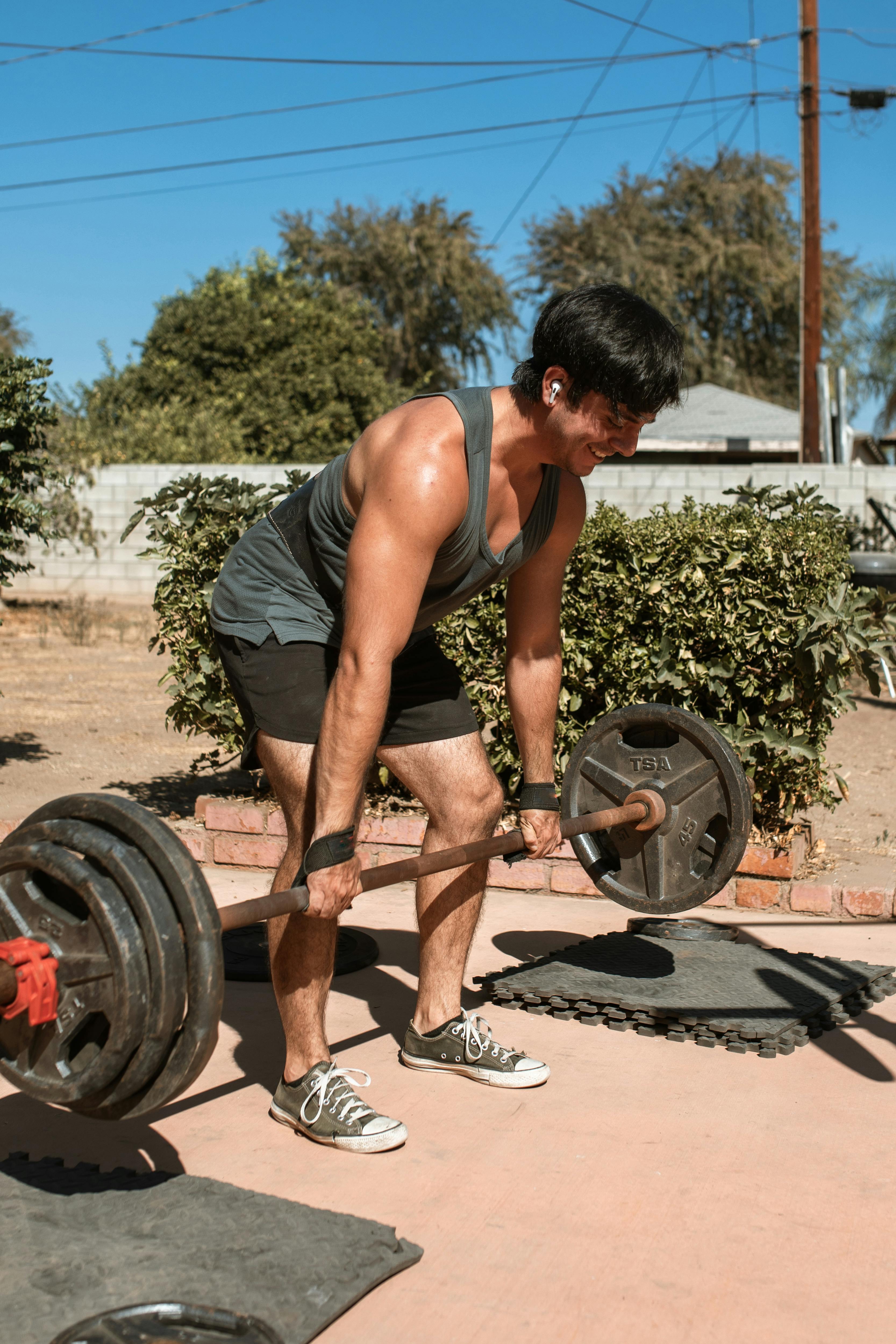
- Build around strength training. Two to four sessions per week is plenty for most people. Focus on squat patterns, hip hinges, presses, rows, carries, and core work. I have tested enough approaches to say this: you do not need circus tricks. You need progressive overload, decent form, and enough recovery to do it again.
- Add cardio without fear. Aim for a mix of steady-state work and intervals. Walking, cycling, rowing, incline treadmill, and swimming all count. If you hate cardio, fine, but stop pretending your heart will somehow train itself. The CDC recommends at least 150 minutes of moderate activity per week for adults. That is not cruel. It is basic maintenance.
- Eat enough protein. Protein supports muscle repair, satiety, and maintenance during fat loss. Most active adults do better somewhere around 1.6 to 2.2 grams per kilogram of body weight per day, depending on goals and appetite. That does not mean powders are required, though they can be useful. It means your meals should contain enough quality protein from eggs, dairy, fish, poultry, meat, legumes, or mixed sources.
- Control total intake. Nutrition is not just about protein. If you want fat loss, you need a calorie deficit. If you want performance or muscle gain, you need enough energy to support training. People love arguing about carbs while eating too much processed food or too little overall. That is where the problem lives.
- Prioritize sleep and recovery. Sleep is where adaptation gets paid for. Seven to nine hours is a fair target for many adults. Recovery also includes rest days, light movement, hydration, and stress control. You can train hard, but not endlessly. The body is not a machine shop assembly line.
- Use simple tracking. Track workouts, sets, reps, load, and a few body metrics. Do not turn your life into a spreadsheet shrine. Still, data beats vibes. When I analyzed training logs, the winners were the people who adjusted based on evidence, not emotion.
- Reassess every four to eight weeks. If progress stalls, change one variable at a time. Add volume, adjust calories, improve sleep, or reduce junk fatigue. Do not burn everything down because one week looked ugly. That is amateur behavior.
If you want workout structure ideas, see this guide to strength training basics and Mayo Clinic's exercise benefits overview. For nutrition, Harvard's Healthy Eating Plate is cleaner than most diet trends.

Comparison Table
| Aspect | Exercise Science-Based Approach | Biggest Competitor: Fitness Fads |
|---|
| Goal | Build measurable fitness, health, and performance | Sell excitement and quick fixes |
| Method | Progressive overload, nutrition, recovery | Random workouts, detox claims, miracle supplements |
| Results | Slower at first, durable over time | Fast hype, poor adherence |
| Injury Risk | Lower when programmed well | Higher when technique and load are ignored |
| Nutrition | Protein, calories, micronutrients, hydration | "Clean eating" slogans or extreme restriction |
| Mindset | Consistency, patience, data | Novelty, ego, shortcuts |
| Best For | Long-term health and real function | Social media clips |
Common Mistakes to Avoid.
People make the same mistakes because the same nonsense keeps getting recycled. Let’s be real.
- Doing too much too soon: The body adapts, but not instantly. Starting with six hard sessions a week is how beginners get sore, discouraged, or injured.
- Chasing sweat instead of progress: Sweating is not a metric. A session can be sweaty and useless. Progress is measured by load, reps, endurance, body composition, and function.
- Ignoring protein: Many active people under-eat protein, especially during fat loss. Then they wonder why they feel weak and hungry.
- Treating cardio as punishment: Cardio is not penance for eating. It is a health tool. Use it.
- Copying elite athletes: Professional athletes have different recovery, genetics, and schedules. Your life is not theirs. Stop pretending otherwise.
- Believing supplement marketing: Most supplements are marginal at best. A few work. Many are expensive urine with branding.
- Skipping recovery: If sleep is bad and stress is high, performance usually suffers. That is not weakness. That is biology.
- All-or-nothing thinking: Missing one workout does not ruin anything. Quitting because of one bad meal or one rough week is the real problem.
The truth is, most failure comes from poor compliance, not a lack of rare knowledge. People buy complexity because it feels sophisticated. It usually is not. The basics work because the body obeys basic laws of adaptation.
A subtle but important point: stewardship matters. Treat your body with respect, not abuse. That means avoiding chronic excess, needless deprivation, and obsessive training that leaves you broken and irritable. Balance is not weakness. It is wisdom.
Frequently Asked Questions
Q: How many days per week should I exercise?
A: For most adults, 3 to 5 days is plenty. Two to four strength sessions and some cardio usually cover the bases. More is not always better if recovery is poor.
Q: What matters more, diet or exercise?
A: For fat loss, diet usually drives the biggest change because it is easier to create a calorie deficit through food. For strength, health, and function, exercise is indispensable. The answer is both, not some fake debate.
Q: Do I need supplements?
A: Usually no. Protein powder, creatine, caffeine, and vitamin D can be useful in certain cases, but they are not mandatory. Food, sleep, and training consistency come first.
Q: How long before I see results?
A: Some people notice better energy and mood in a few weeks. Visible body composition changes often take 6 to 12 weeks or more. Real adaptation takes time. That is annoying, but true.
Final Thought
Exercise science is not glamorous. That is exactly why it works.
The best plans are built on boring truths: train the body with intent, feed it enough to adapt, rest it so it can recover, and repeat the process long enough for results to show up. Most people want a shortcut because shortcuts are easier to sell. Coaches know this. Supplement companies know this. Social media certainly knows this.
But the human body does not negotiate with hype. It responds to stress, fuel, and rest. Respect those things, and you get stronger, leaner, fitter, and more capable. Ignore them, and you get frustration dressed up as effort. I have little patience for the nonsense, but the path itself is simple enough.
Take care of the body you have. Use it well. And stop mistaking chaos for intensity.
