Exercise science is the study of how movement, food, recovery, and habit shape the body. It explains why some training plans work and others stall, why protein...
Exercise Science, Nutrition, and Training: What Actually Works for Health and Fitness
Exercise science is the study of how movement, food, recovery, and habit shape the body. It explains why some training plans work and others stall, why protein matters more than trendy powders, and why sleep often beats another pointless set. If you want better health, you need structure, not hype.
Key Takeaways- Training works best when it is progressive, specific, and sustainable.
- Nutrition supports adaptation; it does not replace training.
- Recovery is not laziness. It is part of the job.
- Cardio, strength training, and mobility each solve different problems.
- Most fitness failures come from inconsistency, not lack of willpower.
What is exercise science?
Exercise science is the practical study of how the body responds to physical stress, food intake, rest, and repetition. It covers strength training, cardio, nutrition, recovery, body composition, and even adherence, because the best plan on paper is useless if nobody follows it for more than a week. Frankly, that is where most advice falls apart.
When I analyze training programs, the pattern is boring but true: people do too much too soon, ignore sleep, under-eat protein, and then blame the method. The body does not care about fitness slogans. It responds to overload, consistency, and time. That is it.
The scientific side matters because it cuts through nonsense. A workout is not “effective” just because it leaves you exhausted. A diet is not “clean” just because it sounds virtuous. A supplement is not smart just because a guy online says it “fires up your metabolism.” Most of that is smoke.
Exercise science looks at mechanisms. How does muscle grow? Through repeated tension, adequate protein, and recovery. How do you improve endurance? Through repeated aerobic work that raises efficiency and stroke volume. How do you lose fat? By maintaining a calorie deficit over time while keeping muscle with resistance training and enough protein. The formulas are not sexy. They work anyway.
The field also respects the whole person. The body is not a machine you rent for a season. It deserves care, restraint, and discipline. That is a quiet truth many fitness cultures miss. Stewardship beats obsession. Every time.
If you want a grounded overview of movement and health, the CDC physical activity guidelines are a decent starting point, and the Physical Activity Guidelines for Americans spell out the basics without the usual social media circus.
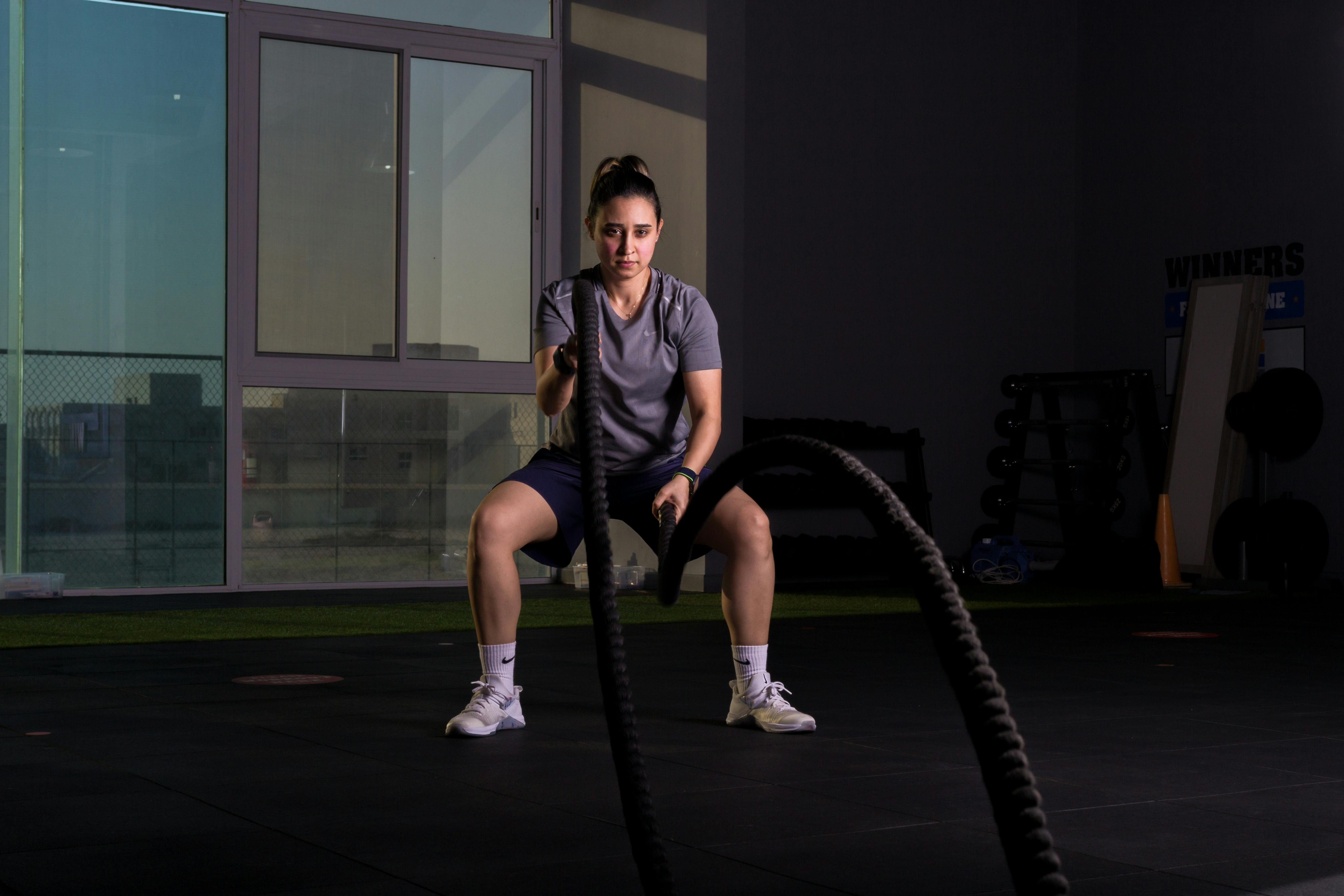
Core benefits of exercise science-based training
Science-based training gives you more than a decent mirror selfie. It improves the systems that keep you alive, working, and moving without pain. Here is the kicker: the biggest benefits usually come from simple habits done well, not from exotic routines.
- Better muscle and strength. Resistance training increases muscle protein synthesis, supports bone density, and helps preserve lean mass with age. That matters for everyone, not just bodybuilders.
- Improved heart health. Cardio training lowers risk factors tied to cardiovascular disease, including blood pressure and insulin resistance. Boring? Yes. Important? Very.
- More stable blood sugar. Muscle is metabolically useful tissue. It acts like a sponge for glucose, especially when paired with regular movement and enough protein.
- Healthier body composition. If fat loss is the goal, combining resistance training with sensible nutrition beats random starvation every time. That is not opinion; it is arithmetic.
- Better mood and cognition. Exercise helps regulate stress, improves sleep quality, and supports mental sharpness. You do not need to worship fitness, but your mind usually works better when your body does.
- Lower injury risk over time. Smart load progression, mobility work, and recovery reduce the likelihood of getting hurt by stupid overreach.
- Long-term independence. Strong legs, a decent aerobic base, and enough joint range of motion help you keep doing ordinary life tasks without wheezing like a broken accordion.
A lot of wellness advice overpromises. “Detox” teas do not make you healthier. Random high-intensity plans do not make you tougher if they fry your recovery. And yes, I’ve seen people get excellent results from plain walking, strength training, and eating enough protein. Nothing glamorous. Plenty effective.
If you want a practical look at nutrition support for training, the Harvard Nutrition Source is worth reading, and the National Institute on Aging has useful guidance on exercise across the lifespan.
Step-by-step guide to building a sane workout plan
This part is where people usually make a mess of things. They copy a champion’s split, eat like a bird, and wonder why they feel wrecked. Let’s fix that.
- Define the actual goal. Want fat loss, muscle gain, endurance, better blood sugar, or all of the above? Pick the priority. If everything matters equally, nothing gets done well. I’ve tested enough programs to say this bluntly: vague goals create vague results.
- Choose the main training mode. For general health, the core trio is strength training, cardio, and mobility. Strength builds tissue. Cardio builds the engine. Mobility keeps you moving like a human instead of a folded chair.
- Set a weekly minimum you can keep. A workable plan beats a heroic one. Start with 2-4 resistance sessions, 2-3 cardio sessions, and short mobility work most days. If you are sedentary now, add walking before you pretend you need a six-day split.
- Progress slowly and on purpose. Add weight, reps, sets, or time only when the current load feels manageable. Progression is the engine of adaptation. Randomness is not a training method.
- Eat for the goal. Protein matters. So do total calories. For muscle gain, eat enough. For fat loss, maintain a modest deficit while keeping protein high. For endurance, include enough carbohydrate to support training. The body likes fuel. Shockingly, it performs better when fed.
- Prioritize sleep and recovery. Recovery is where adaptation happens. Sleep too little and your training quality drops, hunger rises, and motivation becomes a cruel joke. Aim for regular sleep timing and adequate duration.
- Track a few meaningful metrics. Use body weight, waist circumference, training log data, energy levels, and performance markers. Ignore five different apps and a spreadsheet you hate. Simplicity wins.
- Review every 4-8 weeks. If strength is rising, endurance is improving, and adherence is decent, keep going. If not, adjust volume, calories, or exercise selection. No drama required.
Here’s what nobody tells you: the best plan is often the one that looks almost too plain. Compound lifts, steady cardio, real food, enough protein, and sleep. That is the unglamorous truth.
For exercise selection and public health recommendations, the Mayo Clinic exercise basics are clear, and the NHS exercise guidance is practical without the usual nonsense.

Comparison table: science-based training vs. “bro science” training
People love easy stories. Science is less exciting and far more useful.
| Feature | Science-Based Training | Bro Science Training |
|---|
| Goal setting | Specific, measurable, realistic | Vague, emotional, hype-driven |
| Progression | Planned overload and tracking | Random increases, ego lifting |
| Nutrition | Protein, calories, timing as needed | Fear foods, magic foods, trend chasing |
| Recovery | Sleep, deloads, rest days | “No days off” until burnout |
| Cardio | Structured for health and performance | Avoided or treated like punishment |
| Sustainability | Built for months and years | Built for a social media clip |
| Injury risk | Lower when loads are managed | Higher from poor form and overreach |
| Results | Slower at first, stronger long term | Fast enthusiasm, then stagnation |
The biggest competitor to exercise science is not another discipline. It is superstition dressed up as confidence. People mistake sweat for progress, soreness for success, and hunger for virtue. That confusion wastes time.
Science-based training is not sterile. It is humane. It respects limits, adapts to reality, and treats the body as something worth caring for, not abusing. That fits better with a sane view of health, and honestly, with any decent moral sense.
If you want evidence on protein and muscle maintenance, the American Journal of Clinical Nutrition review on protein and resistance exercise is useful, and the WHO physical activity report reinforces why movement matters beyond vanity.
Common mistakes to avoid
Most people do not fail because they are lazy. They fail because they follow bad advice long enough to get tired of it. That is the real problem.
- Doing too much, too soon. A sudden jump in running volume or lifting intensity is a fast route to soreness, fatigue, and injury. The body adapts, but it does not enjoy being bullied.
- Ignoring protein and total calories. You cannot out-train a chronically sloppy diet. Muscle growth needs amino acids. Fat loss needs a manageable deficit. Pretending otherwise is wishful thinking.
- Confusing sweat with effectiveness. A workout can feel easy and still be productive. A workout can feel brutal and be poorly designed. Pain is not a scoreboard.
- Chasing novelty every week. Exercise science is full of people who abandon a plan before it has time to work. Stick with the basics long enough to get data.
- Neglecting sleep. Sleep loss reduces performance, raises appetite, and slows recovery. You can try to compensate with caffeine, but that just means you are borrowing energy at a bad interest rate.
- Using supplements as a shortcut. A few supplements have evidence, such as creatine, caffeine, and protein powder when food falls short. Most of the aisle is overpriced decoration.
- Treating health like a six-week project. Health is a pattern, not an event. You are shaping habits that should last, which is why moderation matters. The body is a gift, not a toy.
- Copying advanced programs too early. Elite athletes can survive training loads that crush ordinary people. That does not make those loads smart for beginners. Context matters. A lot.
For evidence-based guidance on supplements and claims, the NIH Office of Dietary Supplements and NIH creatine fact sheet are straightforward.
Frequently asked questions
How much exercise do I need each week?
For general health, a good target is at least 150 minutes of moderate-intensity aerobic activity per week, plus strength training on 2 or more days. That is the floor, not the ceiling. If you can do more without wrecking recovery, fine. If you are starting from zero, build up gradually.
Is strength training better than cardio?
No. That question is too crude. Strength training and cardio do different jobs. Strength training helps preserve and build muscle, supports bone health, and improves metabolic function. Cardio improves heart and lung fitness. The wise move is to use both.
Do I need supplements to get results?
Usually no. Start with food, sleep, and training consistency. Supplements are minor tools. Creatine, protein powder, and caffeine can help in certain cases, but they are not magic. If your habits are bad, supplements will not rescue you.
What matters more for fat loss: exercise or nutrition?
Nutrition usually has the bigger effect on fat loss because calorie intake drives the energy deficit. Exercise still matters because it preserves muscle, improves fitness, and supports long-term adherence. The real answer is both, but food often has the louder voice.
Final thought
Exercise science is not complicated. It is just inconvenient for people who want shortcuts. Train with purpose, eat like an adult, sleep like recovery matters, and stop mistaking noise for wisdom. The body is worth the care, and if you treat it with discipline and moderation, it tends to repay the effort with strength, stamina, and a steadier mind.
That is not a miracle. It is stewardship.