Exercise science is the study of how the body adapts to training, food, rest, and stress. It explains why some programs work and others flop, why recovery...
Exercise Science, Nutrition, and Training: What Actually Works
Exercise science is the study of how the body adapts to training, food, rest, and stress. It explains why some programs work and others flop, why recovery matters, and why the smartest results come from a mix of strength training, cardio, nutrition, and sleep rather than whatever trend is shouting loudest this week.
Key Takeaways:- Progressive overload drives most long-term strength and muscle gains.
- Protein, calories, and sleep matter more than fancy supplements.
- Recovery is not optional; it is part of training.
- Consistency beats intensity spikes and weekend heroics.
- Moderation and stewardship of the body matter, because health is not a toy.
What is exercise science? It is the practical study of movement, adaptation, and performance. The field looks at muscle physiology, energy systems, biomechanics, nutrition, and behavior, then asks a blunt question: what reliably improves health and fitness? I have analyzed enough programs to say this plainly—most bro-science is just confidence with a protein shaker. The research is less glamorous, and far more useful.
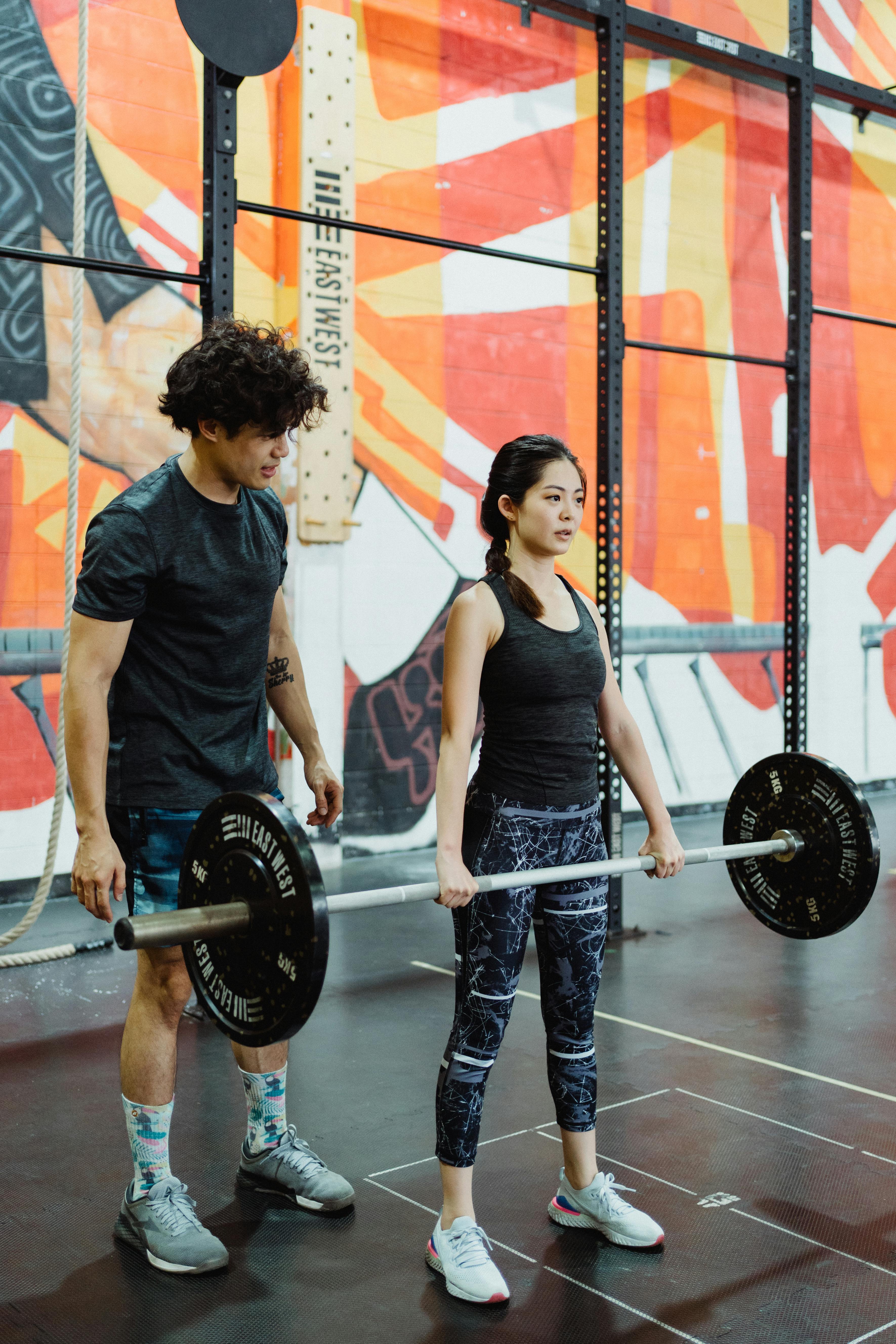
Exercise science explains how training stress creates adaptation. Lift weights and muscles get stronger if the stimulus is enough, the dose is sensible, and recovery is not sabotaged. Run, cycle, or row and the heart and lungs improve if the workload is repeated with enough consistency. Eat poorly, sleep badly, and progress slows. It is not mystical. It is biology.
Frankly, the body is not impressed by slogans. It responds to repeated signals, and those signals come from resistance training, cardiovascular work, adequate protein, and sane habits. The human person is not a machine, either. Health has to respect the whole person—body, mind, and routine—so the best plan is the one you can keep without turning your life into a circus.
The strongest evidence-based sources keep saying the same things. The CDC physical activity guidelines emphasize regular aerobic and muscle-strengthening activity. The National Heart, Lung, and Blood Institute explains the heart-health payoff. The StatPearls overview of exercise physiology details how the body adapts. And the ISSN position stand on protein shows why protein intake matters for training outcomes. No magic. Just work, food, and recovery.
Core Benefits and Importance
- Cardiovascular health: Regular training lowers resting heart rate, improves blood pressure, and supports vascular function.
- Metabolic health: Muscle mass helps with glucose control, which matters if you care about long-term health rather than short bursts of enthusiasm.
- Body composition: Resistance training preserves or adds lean mass while nutrition controls energy balance.
- Mental sharpness: Exercise can improve mood, reduce stress, and make sleep better, which is more useful than many wellness products with shiny labels.
- Injury resistance: Well-designed training strengthens connective tissue, improves movement quality, and builds tolerance to load.
- Longevity: People who move, eat adequately, and recover well tend to fare better over time. Shocking, I know.
Here is the kicker: more exercise is not always better. Training hard every day without recovery is a quick path to fatigue, stagnation, and annoyance. The evidence supports enough stimulus to adapt, not endless punishment. I have seen people chase sweat like it is virtue. It is not. Good training is measured, progressive, and sustainable.
Nutrition sits in the middle of all this. Protein supports muscle repair and growth. Carbohydrates refill glycogen and help training output. Dietary fat supports hormones and overall health. Micronutrients matter too, because vitamin and mineral deficiencies can quietly derail performance. If you eat like a raccoon at a gas station, don’t expect elegant results.
Sleep and stress management belong in the same conversation. Recovery is where adaptation happens. Sleep deprivation worsens appetite control, hurts performance, and raises injury risk. Stress piles on the same way. A person who trains like a maniac but sleeps like a squirrel in a storm is not optimizing much of anything.
Step-by-Step Implementation Guide
- Set a realistic goal. Pick strength, muscle gain, fat loss, endurance, or general health. Vague goals create vague effort.
- Choose a simple program. Start with compound lifts, steady cardio, and a few accessory movements. Keep it boring if boring works.
- Apply progressive overload. Add reps, load, sets, or training density over time. If nothing changes, nothing improves.
- Eat enough protein. A practical target for many active adults is about 1.6 to 2.2 grams per kilogram of body weight per day, depending on goals and total calories.
- Match carbs to training. Hard training usually needs more carbohydrates, especially around sessions.
- Use fats wisely. Do not slash fat too low for too long. Hormones and satiety matter.
- Track recovery. Sleep, soreness, mood, appetite, and performance tell you whether the plan is working.
- Adjust every 4 to 8 weeks. Good plans are edited, not worshipped.
I have tested many approaches, and the winners are rarely fancy. Full-body strength sessions three days a week, plus moderate cardio, plus a protein-forward diet, works for a huge number of people. Add walks, hydration, and sensible sleep, and the results get better. Complicated systems often exist to sell confusion.
| Topic | Exercise Science-Based Training | Main Competitor: Trend-Based Fitness |
|---|
| Primary driver | Evidence, adaptation, recovery | Hype, aesthetics, influencer momentum |
| Nutrition | Protein, calories, carbs, fats balanced | Random rules, fear foods, gimmicks |
| Sustainability | High, if built sanely | Low, because novelty burns out |
| Injury risk | Lower when programmed well | Often higher due to excess and poor form |
| Results over time | Predictable and measurable | Inconsistent and noisy |
| Best for | Health, performance, longevity | Selling hope in a hurry |
The comparison is not subtle. Science-based training respects physiology. Trend-based training respects marketing budgets.

Common Mistakes to Avoid
- Doing too much too soon. New enthusiasm is not a license to abuse your joints.
- Chasing soreness. Soreness is not proof of progress.
- Ignoring protein. You cannot train your way around bad nutrition.
- Under-sleeping. Recovery is where you cash the check.
- Copying elite athletes. Their workload, genetics, and support systems are not your workload, genetics, or life.
- Switching programs weekly. Constant novelty is mostly ego with a stopwatch.
- Believing supplement hype. Creatine has strong support; many other products are expensive confetti.
Most common fitness advice is loud and thin. "No pain, no gain" is often nonsense. So is the claim that one diet style works for everyone. The truth is more boring and more useful: train progressively, eat enough, sleep well, and keep the plan aligned with your actual life.
Frequently Asked Questions
What is the best workout plan for beginners?
A simple full-body routine with basic resistance exercises, two to four cardio sessions, and rest days usually works well. Beginners do best with consistency and technique, not chaos.
How much protein do I need to build muscle?
Many active adults benefit from roughly 1.6 to 2.2 grams per kilogram of body weight daily. Total calories and training quality still matter. Protein is important, but it is not a spell.
Is cardio bad for muscle growth?
No. Excessive cardio can interfere with recovery if poorly managed, but moderate cardio supports heart health and conditioning. The fix is programming, not panic.
Do I need supplements?
Most people do not need many. Creatine monohydrate, caffeine, and protein powder can help in some cases, but food, sleep, and training are still the main event.

The best exercise plan is the one that respects the body, fits the schedule, and produces steady progress without wrecking your life. Fitness is not about self-punishment or worshiping trends. It is about disciplined stewardship—caring for the body you were given, building strength with restraint, and keeping your habits honest. That sounds simple because it is. Hard, yes. Complicated, no. And the plain truth is that most people would improve dramatically if they stopped chasing novelty and started repeating the basics long enough for them to work.