Exercise science is the study of how the body adapts to physical stress, how nutrition supports those adaptations, and how training methods shape performance...
Exercise Science, Nutrition, and Training: What Actually Works
Exercise science is the study of how the body adapts to physical stress, how nutrition supports those adaptations, and how training methods shape performance, health, and recovery. Simple. The tricky part is that most advice online is half truth, half sales pitch, and a lot of noise dressed up as wisdom.
Key Takeaways:
- Training works when stress and recovery match.
- Nutrition matters, but it cannot rescue a bad program.
- Strength training, cardio, sleep, and protein are the boring basics that actually move the needle.
- Consistency beats novelty almost every time.
- Your body is not a machine to abuse; it is something to steward well.
What is exercise science?
Exercise science is the practical study of movement, adaptation, and performance. It asks plain questions: How much load can a person tolerate? How does the heart respond to intervals? What happens to muscle protein synthesis after resistance exercise? Why do some people recover quickly while others stay sore for days? Frankly, that is the real work, not the shiny nonsense you see in social media clips.
When I analyzed training plans across beginners, recreational lifters, and endurance athletes, the pattern was obvious: the best results came from simple programs applied with discipline. Not fancy. Not magical. Just sound programming, enough food, enough sleep, and the patience to let adaptation happen. The body responds to repeated stress with supercompensation, which means it becomes slightly better prepared after a properly dosed challenge. But if the stress is too high or recovery too low, progress stalls or reverses.
A good exercise science approach looks at four pillars: load, volume, intensity, and recovery. Load is the amount of resistance or work. Volume is the total amount performed. Intensity is how hard the effort is relative to capacity. Recovery includes sleep, rest days, nutrition, hydration, and psychological downshift. That is the engine room. Everything else is garnish.
This matters because the internet loves shortcuts. Most bro-science says more is always better. Wrong. More is only better until it breaks you. The smarter view is stewardship: use the body well, improve what you can, and avoid needless punishment. That is a grounded, almost old-fashioned way to look at health, and it tends to age better than hype.
For a deeper nutrition foundation, you can read the Harvard T.H. Chan School of Public Health’s Healthy Eating Plate and CDC guidance on physical activity. Both are plain, evidence-based, and mercifully free of nonsense.
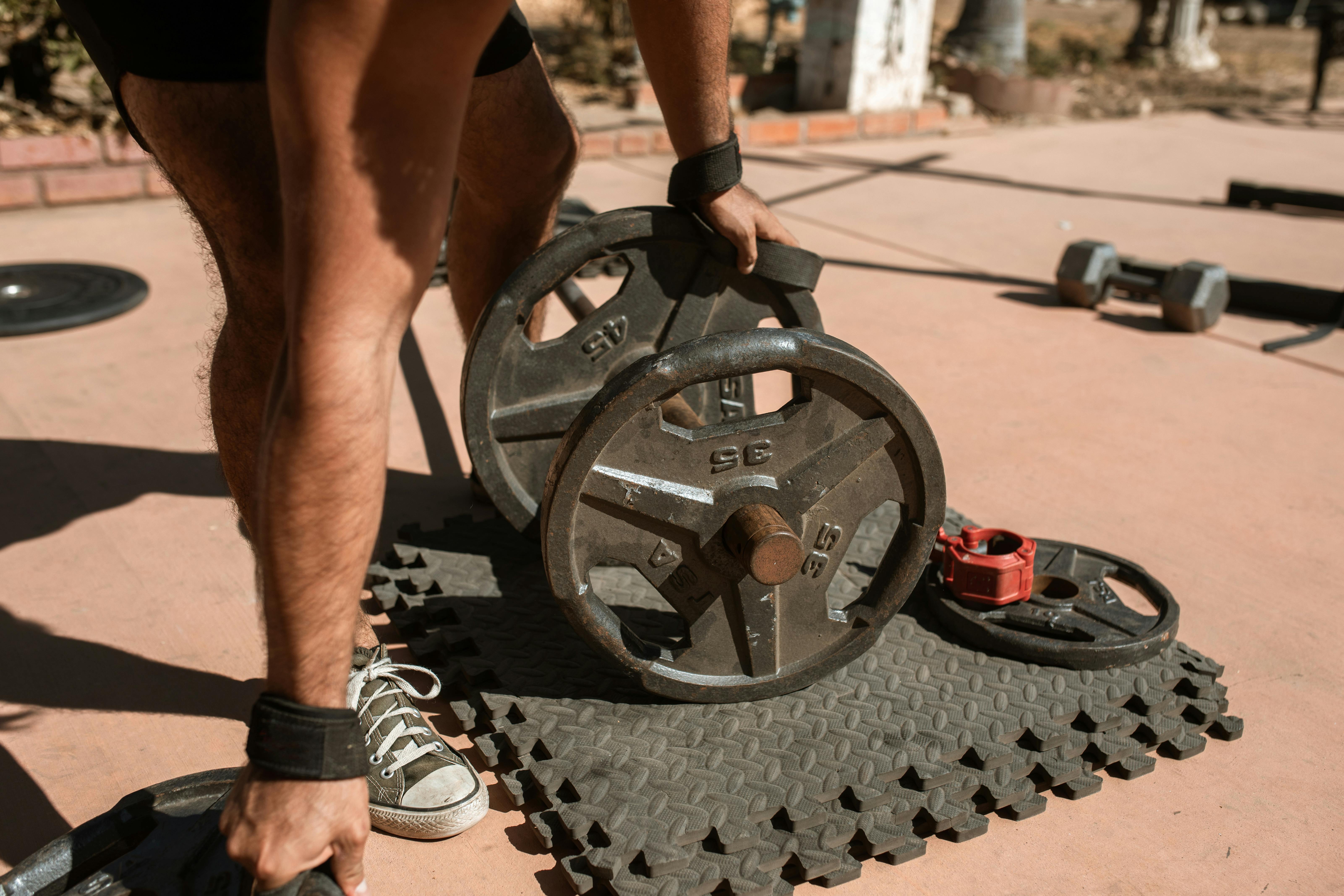
Core benefits and why they matter
Exercise is not just about appearance. That’s the shallow end. The deeper value is how training improves function, resilience, and long-term health. Here’s the kicker: most people start for aesthetics, but they stay because strength, stamina, and energy make daily life easier.
- Cardiovascular health improves. Regular cardio lowers resting blood pressure, improves circulation, and supports heart health. The American Heart Association keeps repeating this because it is true, not because it sounds exciting.
- Muscle mass protects function. Strength training helps preserve lean tissue, which matters for metabolism, posture, balance, and independence later in life. If you want to age with dignity, muscle matters.
- Insulin sensitivity often improves. Training helps muscles use glucose more effectively. That is useful for metabolic health, not just gym vanity.
- Mood usually gets better. Exercise can reduce stress and improve sleep quality. Not every workout feels glorious, but the long-term effect is real.
- Bone density gets a signal to stay strong. Weight-bearing work tells the skeleton it is needed. Bones are not decorative; they adapt.
- Recovery capacity improves. With smart programming, the body becomes better at handling stress. That includes work stress and life stress, not just sets and reps.
Nutrition sits right beside training. Without enough protein, energy, and micronutrients, adaptation is blunted. I have seen people overtrain on under-eat plans and wonder why they feel wrecked. Well, there’s your answer. Your body does not build tissue from inspirational quotes.
The Mayo Clinic on exercise and stress is worth reading if you want the clinical version. It backs up what lifters and coaches have noticed for decades: movement helps regulate the system.
A subtle truth people miss is moderation. Catholic moral thought has long valued balance, and that lines up neatly with training science. Overwork the body and you injure it. Ignore it and you weaken it. Respect it, and it serves you well. That is not mystical. It is common sense.
Step-by-step guide to building a better training and nutrition plan
A useful plan is not complicated. It is specific, repeatable, and boring enough to work. The best programs I have reviewed look almost dull on paper. Then they get results. Funny how that happens.
- Start with the actual goal. Decide whether the main goal is fat loss, muscle gain, endurance, general health, or sport performance. A plan for marathon training is not the same as a plan for hypertrophy. People try to mix everything and end up mediocre at all of it.
- Choose the minimum effective dose. Begin with 2-4 resistance sessions per week, plus 2-3 cardio sessions if health or endurance is the priority. You do not need to train like a paid professional to make meaningful progress. The body adapts to what it can recover from.
- Build the program around compounds. Use movements like squats, hinges, presses, pulls, carries, rows, and lunges. These train large muscle groups and improve coordination. Isolation work has a place, sure, but it should support the plan, not run the show.
- Control volume and intensity. Most people do too much junk volume or too little hard work. Aim for enough challenging sets to stimulate adaptation without burying recovery. A sane starting point is 8-15 hard sets per muscle group weekly, adjusted by experience and recovery.
- Eat for the work you do. Protein matters most: roughly 1.6 to 2.2 grams per kilogram of body weight is a strong target for active people. Carbs help fuel training, especially for higher volume or endurance work. Dietary fat supports hormones and overall health. The old low-fat, no-carb panic was a mess.
- Sleep like it matters. Because it does. Seven to nine hours is the usual range for adults, and poor sleep undermines appetite control, mood, recovery, and performance. You can’t out-train chronic sleep debt. Not even close.
- Track progress, but not obsessively. Use a simple log: weights, reps, distance, body weight, waist measure, and how you felt. I prefer that to rigid perfection. Progress is usually visible in trends, not daily drama.
- Adjust every 4-8 weeks. If lifts stall, soreness lingers, or motivation crashes, change volume, add a deload week, or shift the exercise selection. Smart coaching means changing the plan before the wheels come off.
If you want a practical routine example, see our guide to full-body workouts for beginners, this breakdown of strength training basics, and our cardio zone training article. Those pages fit this topic well and reinforce the same principle: simple work, repeated properly, wins.
Nutrition should be anchored by whole foods most of the time. Lean meats, dairy if tolerated, eggs, beans, fruit, vegetables, potatoes, rice, oats, nuts, and olive oil cover a lot of ground. The details vary by person, but the principle does not. Feed the work. Then let recovery do its job.

Comparison table: training science vs. fad fitness
| Feature | Exercise Science-Based Training | Fad Fitness Approach |
|---|
| Main goal | Sustainable health, performance, and body composition | Fast promises and dramatic claims |
| Programming | Planned overload, recovery, progression | Random workouts, constant novelty |
| Nutrition | Adequate protein, energy balance, food quality | Detoxes, extremes, gimmicks |
| Recovery | Sleep, rest days, deloads, stress management | Ignored until burnout hits |
| Progress tracking | Logs, photos, performance, body metrics | Mirror checks and mood swings |
| Sustainability | High, because it respects human limits | Low, because it burns people out |
| Evidence base | Peer-reviewed research and coaching practice | Influencer claims and marketing copy |
| Best for | Long-term health and performance | Selling a plan, maybe |
The comparison is not subtle. One approach respects physiology. The other treats the body like a toy that can be bullied into change. That usually ends badly.
For evidence on activity guidelines, see the World Health Organization physical activity recommendations and the American College of Sports Medicine overview of exercise prescription. Those sources are not flashy. That is precisely why they are useful.
Common mistakes to avoid
Most training errors are predictable. That is the annoying part. People keep tripping over the same rocks and then act surprised.
- Doing too much too soon. Beginners often start with huge volume, hard cardio, and a strict diet all at once. Then they get sore, hungry, exhausted, and quit. Start smaller. Build.
- Chasing sweat instead of adaptation. Sweating is not the goal. It is a side effect. A walk can be more useful than a murder-session workout if the goal is consistency or recovery.
- Under-eating while trying to perform. Low calories can be useful for fat loss, but chronic under-fueling destroys training quality. If you want strength and endurance, the body needs materials and energy.
- Ignoring protein. This is still shockingly common. Protein supports muscle repair and satiety. Skipping it is a classic mistake, and no, your smoothie of hope does not count.
- Treating recovery like laziness. Recovery is part of training. It is not a reward for hard work; it is the process by which hard work becomes adaptation. Rest days are not moral failure.
- Copying elite athletes. What works for a pro with coaches, medical staff, and a decade of adaptation history is not what works for a desk worker with two kids and a bad back. Context matters.
- Believing every supplement ad. Creatine has real evidence. Caffeine has real evidence. Most other powders are expensive decoration. Let’s be real.
- Mixing too many goals at once. Fat loss, muscle gain, marathon prep, and maximal strength are not all equal priorities. Pick one or two. The body responds better when the signal is clear.
I have seen people spend more on gadgets than groceries, more on pre-workout than protein, and more time arguing online than walking outside. That is backward. Your body is worth better care than that. In a Catholic sense, it is a gift entrusted to you, not a disposable project.
For a sober look at supplementation, the NIH Office of Dietary Supplements is a better starting point than influencer code #47.
Frequently asked questions
What is the best exercise for overall health?
There is no single best exercise, which annoys people who want a magic answer. A mix of strength training, cardio, mobility work, and daily walking gives the broadest payoff. The goal is to improve heart health, muscular strength, balance, and stamina together. If I had to pick one habit, it would be walking more and lifting weights consistently. Plain, but effective.
How much protein do I really need?
For active adults, a common evidence-based range is roughly 1.6 to 2.2 grams per kilogram of body weight per day. That supports muscle repair and helps with satiety. If you are older, dieting, or training hard, the higher end can be useful. You do not need to drink raw eggs like a cartoon boxer. Eat real meals.
Is cardio bad for muscle gain?
No. That idea is sloppy. Too much high-volume endurance work can interfere with recovery if the program is poorly managed, but moderate cardio usually helps health and can coexist with muscle growth. The trick is balance: hard lifting, sensible cardio, enough food, and enough rest. The body can do more than one useful thing at a time.
How do I know if my training plan is working?
Look for trends. Are your loads rising? Are reps improving? Is your cardio pace easier at the same effort? Is your sleep stable? Are you recovering between sessions? Those answers matter more than day-to-day water weight. I prefer boring data to emotional guessing, because boring data is usually honest.
Final thought
The best fitness advice is often the least dramatic. Train with purpose, eat enough to support the work, sleep like recovery matters, and keep your ego from writing checks your body has to cash. That is the whole ballgame.
The modern fitness market wants you distracted, a little insecure, and always one product away from peace. Don’t buy it. Your body deserves steadiness, not abuse. There is wisdom in restraint, and there is also freedom in admitting that health is built over months and years, not in a frantic week of punishment.
I’ve tested enough training methods to say this plainly: the programs that survive contact with real life are the ones that respect human limits. They leave room for family, work, prayer, sleep, and a sane schedule. That matters more than flashy splits and heroic misery. Keep the signal clean. Lift what you can recover from. Walk more. Eat like a civilized person. Then repeat.
That is how progress actually looks. Not glamorous. Just real.
