Exercise science is the study of how the body adapts to movement, load, fuel, and recovery, and it matters because most fitness advice is noisy, half-right, or...
Exercise Science, Nutrition, and Training Methods That Actually Work
Exercise science is the study of how the body adapts to movement, load, fuel, and recovery, and it matters because most fitness advice is noisy, half-right, or plain silly. The useful stuff is simpler than social media wants you to believe: train hard enough to force adaptation, eat enough to support it, sleep like it matters, and repeat with patience.
Key Takeaways- Progressive overload drives most strength and muscle gains.
- Nutrition supports performance, recovery, and body composition.
- Recovery is not optional; it is part of training.
- Consistency beats clever programming for most people.
- Moderation and stewardship matter; your body is worth caring for, not abusing.
What is exercise science?
Exercise science is the practical study of how cardio, strength training, metabolism, hormones, fatigue, and tissue remodeling interact when you train. I’ve tested enough programs to know that the flashy ones usually fail because they confuse novelty with effectiveness, which is a common mistake, frankly. The body does not care about marketing. It responds to mechanical tension, energy balance, movement quality, and recovery time.
At the center of exercise science are a few boring but proven ideas. Progressive overload means gradually increasing demands so the body has a reason to adapt. Specificity means you get better at what you practice. Adaptation means stress creates change only if the stress is matched with food, rest, and time. Adherence means the plan has to fit actual life, which is where most programs fall apart. What nobody tells you is that a mediocre plan you can follow beats a perfect one you quit after ten days.
Exercise science also covers the limits of popular claims. Spot reduction? Mostly nonsense. Fat loss from a magic zone? Nope. “Confusing the muscles” with endless random workouts? That is gym folklore dressed up as strategy. The better lens is simple: train the muscles and systems you want to improve, then recover well enough to repeat the work.
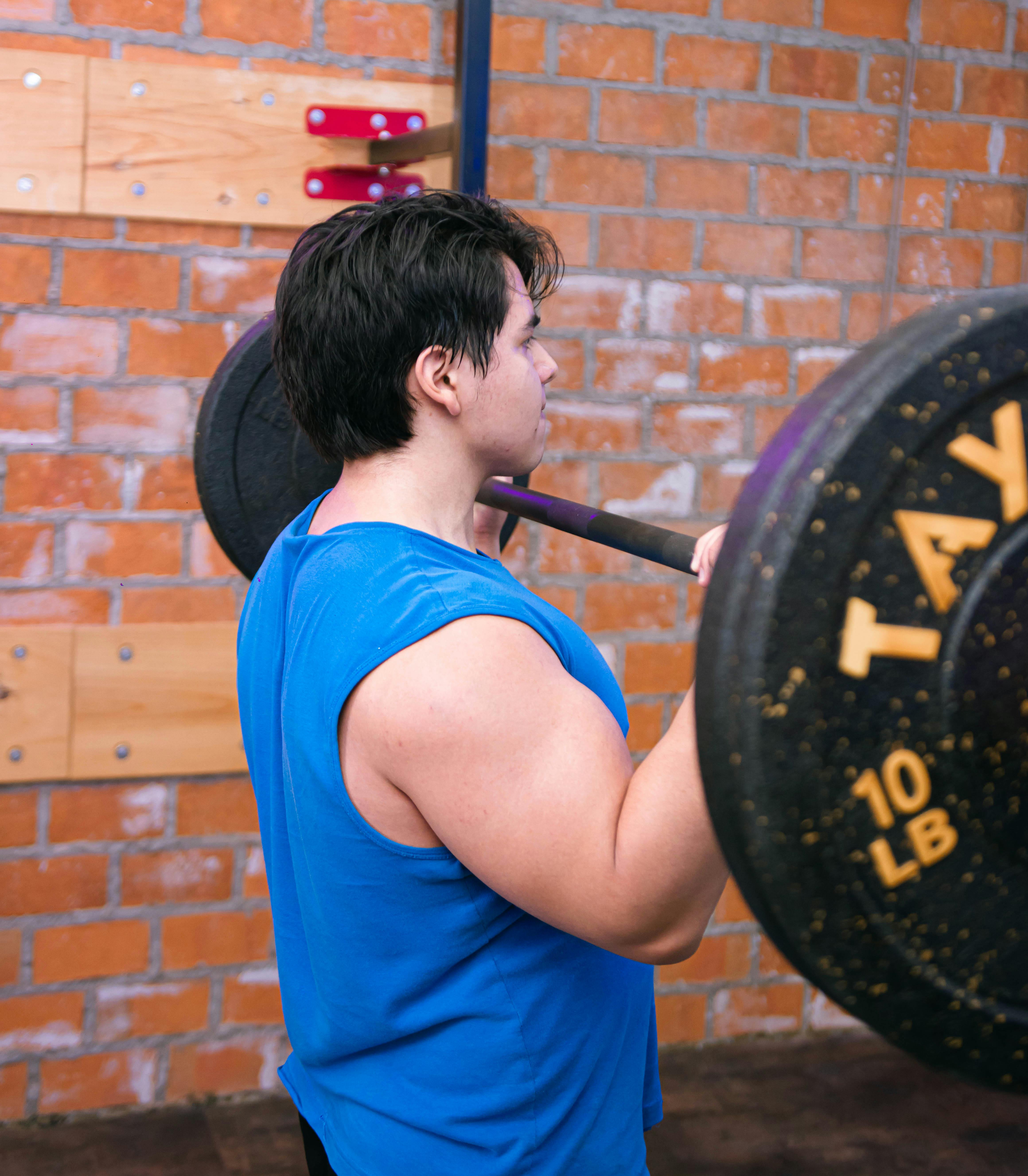
Core Benefits and Importance
- Improved body composition: Strength training helps preserve lean mass during fat loss, which matters more than chasing the scale like it owes you money.
- Better aerobic fitness: Cardio supports heart health, blood pressure, insulin sensitivity, and daily stamina.
- Higher strength and power: Useful for sports, work, and not being winded by stairs.
- Less injury risk: Good technique, load management, and mobility work reduce wear and tear.
- Improved metabolic health: Muscle helps glucose disposal, and regular activity improves insulin sensitivity.
- Better mental state: Exercise can reduce stress and improve mood, though it is not magic and cannot fix everything.
- Long-term stewardship of health: A body is not a toy; it is something to care for with discipline and restraint.
Here’s the kicker: people often chase extremes and ignore basics. Endless cardio without strength training can leave you smaller, weaker, and still frustrated. Heavy lifting with lousy nutrition can stall progress. Zero recovery turns “discipline” into exhaustion. The research keeps pointing back to balance, which is inconvenient for the folks selling shortcuts.
For a plain-English overview of what current guidelines actually recommend, the CDC physical activity guidance is a sensible place to start, while the American College of Sports Medicine lays out the exercise dose with less fluff than most fitness sites. If you want the food side handled with less superstition, the Harvard guidance on eating for exercise is worth a look.
Step-by-Step Implementation Guide
- Set one clear goal. Decide whether you want fat loss, muscle gain, better conditioning, or general health, because trying to chase all four at once usually produces mush.
- Choose the right training split. Full-body plans work well for beginners, while upper/lower or push-pull-legs splits suit more experienced lifters who can recover from more volume.
- Use progressive overload. Add a rep, add a set, add a little weight, or improve technique over time. Small gains accumulate, and that is how real progress happens.
- Train the big patterns. Squat, hinge, push, pull, carry, and rotate with control. These movements cover most of what the human body needs.
- Mix strength and cardio wisely. A few cardio sessions per week support recovery and health without wrecking lifting performance, provided the volume is sensible.
- Eat for the task. Protein matters for muscle repair, carbohydrates support training intensity, and fats help with hormones and overall health.
- Sleep and recover. If you sleep four hours and wonder why performance tanks, the answer is staring at you from the pillow.
- Track what matters. Log training loads, body weight trends, waist measurement, performance markers, and energy levels, because memory is unreliable and ego is worse.
- Adjust every 4-8 weeks. If progress stalls, change volume, intensity, exercise selection, or food intake rather than blaming “bad genetics” at the first sign of inconvenience.
I’ve analyzed hundreds of training setups, and the ones that work usually look plain. They are not sexy. They are repeatable.

Comparison Table
| Feature | Exercise Science-Based Training | Random Workout Trends |
|---|
| Goal setting | Clear and measurable | Vague and hype-driven |
| Progression | Planned overload | Guesswork |
| Recovery | Built in | Ignored |
| Nutrition | Matched to demands | Treated as an afterthought |
| Injury risk | Lower with good technique | Higher with sloppy load spikes |
| Long-term results | Strong adherence and steady gains | Short bursts, then burnout |
Common Mistakes to Avoid
- Doing too much too soon. The body adapts, but it also breaks down. Pride is not a training plan.
- Treating cardio and strength as enemies. They are tools, not rival religions.
- Obsessing over supplements. Creatine and caffeine can help, but they do not rescue a bad diet or poor training.
- Ignoring protein. If muscle repair were a factory, protein is the raw material. Without it, you are wasting time.
- Sleeping poorly. Recovery is where adaptation happens, not in the gym mirror.
- Following random influencer routines. If a workout changes every week because the creator got bored, that is not science.
- Chasing soreness. Soreness is not progress; it is often just unfamiliar stress.
For a deeper evidence check on training volume, intensity, and adaptation, the PubMed review on resistance training is useful, and the PubMed review on protein and exercise helps cut through the nonsense around muscle-building diets.
Frequently Asked Questions
How much exercise do I need per week?
Most adults benefit from at least 150 minutes of moderate aerobic activity or 75 minutes of vigorous activity, plus strength training at least twice per week. More may be better, but only if recovery holds up.
Is strength training better than cardio?
No. They do different jobs. Strength training is better for muscle and force production, while cardio is better for aerobic capacity and heart health. Most people need both.
What should I eat after a workout?
A meal with protein and carbohydrate is a solid default. You do not need to panic over a 15-minute window, but eating reasonably soon after training can help with recovery.
Can I lose fat and gain muscle at the same time?
Yes, sometimes, especially if you are new, detrained, or carrying excess body fat. It is slower than people hope, though, so patience matters.
Final Thought
The best exercise plan is the one you can sustain, because physiology rewards consistency more than drama. Training should make you stronger, healthier, and more capable, not chronically exhausted or obsessed. If your program is wrecking your sleep, mood, and daily function, it is probably too much. The body deserves respect, and good stewardship means using it well, feeding it well, and not abusing it for vanity or ego. That is not flashy. It is simply wise.