Exercise science is the study of how the body adapts to movement, stress, food, and rest. It is not a pile of gym myths dressed up as wisdom. If you want...
Exercise Science, Nutrition, and Training Methods That Actually Work
Exercise science is the study of how the body adapts to movement, stress, food, and rest. It is not a pile of gym myths dressed up as wisdom. If you want better fitness, better health, and fewer stupid mistakes, the science is plain: train with purpose, eat enough protein, recover like it matters, and stop worshiping shortcuts.
Key Takeaways- Exercise science explains why certain training methods work and others fail.
- Strength training, cardio, nutrition, and recovery are the four pillars that actually move the needle.
- Most fitness advice is noisy, inconsistent, and sold with too much confidence.
- Sustainable progress depends on progressive overload, adequate protein, quality sleep, and realistic planning.
- Health is not a stunt. Your body deserves stewardship, not abuse.
What is exercise science?
Exercise science is the practical study of how muscles, bones, the cardiovascular system, metabolism, and the nervous system respond to physical stress. That includes strength training, aerobic conditioning, movement mechanics, fatigue, and the way food changes performance. I have watched hundreds of plans fail because they ignored the boring parts: consistency, sleep, and enough calories. Frankly, that is where most “fit” advice falls apart.
The field sits between lab data and real life. Scientists measure things like VO2 max, muscle protein synthesis, energy expenditure, and recovery time. Coaches then turn those findings into training programs people can actually follow. If you read enough research, a pattern appears. The fancier the promise, the weaker the evidence. The plain stuff works. Lift progressively. Eat adequately. Sleep. Repeat.
The American College of Sports Medicine has long recommended regular aerobic and resistance exercise for health and fitness, while the CDC gives similar guidance for weekly activity targets. Those recommendations are not flashy, but they are sturdy. You can see the CDC physical activity guidance here: CDC physical activity basics. For muscle growth and strength, the ACSM resistance training position stand remains a useful anchor: ACSM resistance training progression model.
The tricky part is that exercise science is not a religion. It does not hand out miracles. It shows probabilities. If you manage training volume, intensity, and recovery well, the odds improve. If you treat your body like a machine that can be bullied forever, the bill eventually comes due. We are not made to be disposable. Even from a plain Catholic common-sense view, the body is worth care because it is a gift, not junk to be worn out and thrown away.
When I analyzed training plans that produced the best long-term results, one thing stood out. The winners were rarely the most punishing programs. They were the most repeatable. That is the kicker. A well-built plan beats a heroic one.
Core Benefits and Importance
- Better strength and muscle mass. Resistance training stimulates muscle protein synthesis, especially when paired with enough protein and recovery. The body adapts to stress, but only if the stress is appropriate. Heavy enough. Repeated enough. Not absurd.
- Improved cardiovascular health. Aerobic work lowers resting heart rate, improves blood pressure, and raises cardiorespiratory fitness. The research is solid here, and the benefits are not subtle.
- More stable body composition. Diets that preserve muscle while controlling calories beat crash dieting every time. The scale is a blunt instrument. Composition matters more.
- Better metabolic health. Regular physical activity improves insulin sensitivity and supports healthier blood sugar control. That is not boutique wellness talk. That is physiology.
- Stronger bones and connective tissue. Weight-bearing exercise helps maintain bone density, which matters more as people age. You do not want brittle bones when a stumble happens.
- Improved mood and sleep. Exercise helps with stress regulation, anxiety symptoms, and sleep quality. No, it is not magic. Yes, it helps.
- Long-term independence. Strength, balance, and aerobic fitness make daily life easier. Carry groceries. Climb stairs. Get up from the floor without drama.
Here is the contrarian bit. More is not always better. People often assume the person who trains hardest is the healthiest. Not necessarily. Too much volume, too little recovery, and badly timed nutrition can drive fatigue and injuries. I have seen ambitious athletes train themselves into the ground, then blame genetics, age, or “bad luck.” Usually the problem was simpler: they ignored the recovery bill.
The Mayo Clinic has a straightforward overview of exercise benefits and safety considerations: Mayo Clinic exercise overview. It is worth reading because it stays grounded in reality rather than gimmicks.
There is also a moral angle people skip. Health is not just about vanity or performance. It is about responsibility. If your body is meant to serve your life, then keeping it functional is part of stewardship. Not obsessiveness. Stewardship. Big difference.
Step-by-Step Implementation Guide
- Set one clear goal. Decide whether you want fat loss, muscle gain, endurance, or general health. Mixed goals are possible, but they need structure. A vague goal produces vague behavior.
- Choose a training split you can repeat. For most people, 3 to 5 sessions per week is enough. Full-body workouts suit beginners. Upper/lower splits work well for intermediate lifters. Body-part splits are not required unless you are training with enough volume to justify them.
- Prioritize progressive overload. Add reps, load, sets, or better form over time. That is how adaptation happens. If the workout never gets harder, the body has little reason to improve.
- Anchor the week with compounds. Squats, deadlifts, presses, rows, pull-ups, lunges, and carries give more return than endless novelty. Machines are useful too, but the basics deserve pride of place.
- Use cardio intelligently. Zone 2 work helps build endurance and supports heart health. Higher-intensity intervals can be useful, but they are not mandatory for everyone. Most people need more steady work, less hero nonsense.
- Eat for the goal. For muscle gain, eat in a modest surplus and aim for enough protein. For fat loss, create a moderate deficit and keep protein high. The National Institutes of Health and sports nutrition consensus sources repeatedly support protein targets in the approximate range of 1.6 to 2.2 grams per kilogram of body weight for many active people, though needs vary. A practical overview is available from the International Society of Sports Nutrition: ISSN protein position stand.
- Sleep like it matters. It does. Sleep affects appetite, recovery, mood, and performance. If you shortchange sleep, the rest of the plan suffers. You cannot out-train chronic exhaustion.
- Track something useful. Use body weight, waist measurements, training log data, step counts, or performance markers. Pick a few. Too many metrics become mental clutter.
- Adjust slowly. Change one variable at a time. If the plan is not working, modify calories, weekly volume, or exercise selection. Do not throw out the whole program because one week felt awkward.
- Review every 4 to 8 weeks. Progress is not always linear. Some weeks you build. Some weeks you hold. Some weeks you back off a little so you can keep moving later. That is not failure. That is programming.

I have tested enough programs to say this plainly: the best plan is the one you can keep doing without turning your life into a wreck. People obsess over perfect splits and exotic foods when they should be asking, “Can I sustain this for a year?” That question cuts through most nonsense.
If you want a deeper workout structure, see this guide to strength training fundamentals and this overview of cardio programming. They fit naturally with the principles above.
Comparison Table
The biggest competitor to evidence-based exercise science is bro-science. It is loud, confident, and usually wrong.
| Topic | Exercise Science-Based Approach | Bro-Science Approach |
|---|
| Goal setting | Specific, measurable, realistic | Vague and dramatic |
| Training | Progressive overload, recovery, volume management | “Go hard every day” |
| Nutrition | Protein, energy balance, adequate micronutrients | Detoxes, miracle foods, fear of carbs |
| Cardio | Planned for health and conditioning | Used only when panic sets in |
| Recovery | Sleep, rest days, load control | Ignored or mocked |
| Tracking | Data, trends, performance markers | Mirrors, vibes, and internet personalities |
| Results | Slower, steadier, lasting | Fast promises, weak follow-through |
The table is blunt for a reason. Fitness advice often sounds smarter than it is. The research usually rewards modesty. That should not surprise anyone.
For weight management and diet quality, the Harvard T.H. Chan School of Public Health has a sane, evidence-based nutrition resource: Harvard Healthy Weight. It is less exciting than influencer content and far more useful.
A practical training comparison also helps. Exercise science says that consistency and progression outperform novelty. Bro-science says the opposite because novelty sells. One gets you fitter. The other gets you distracted.
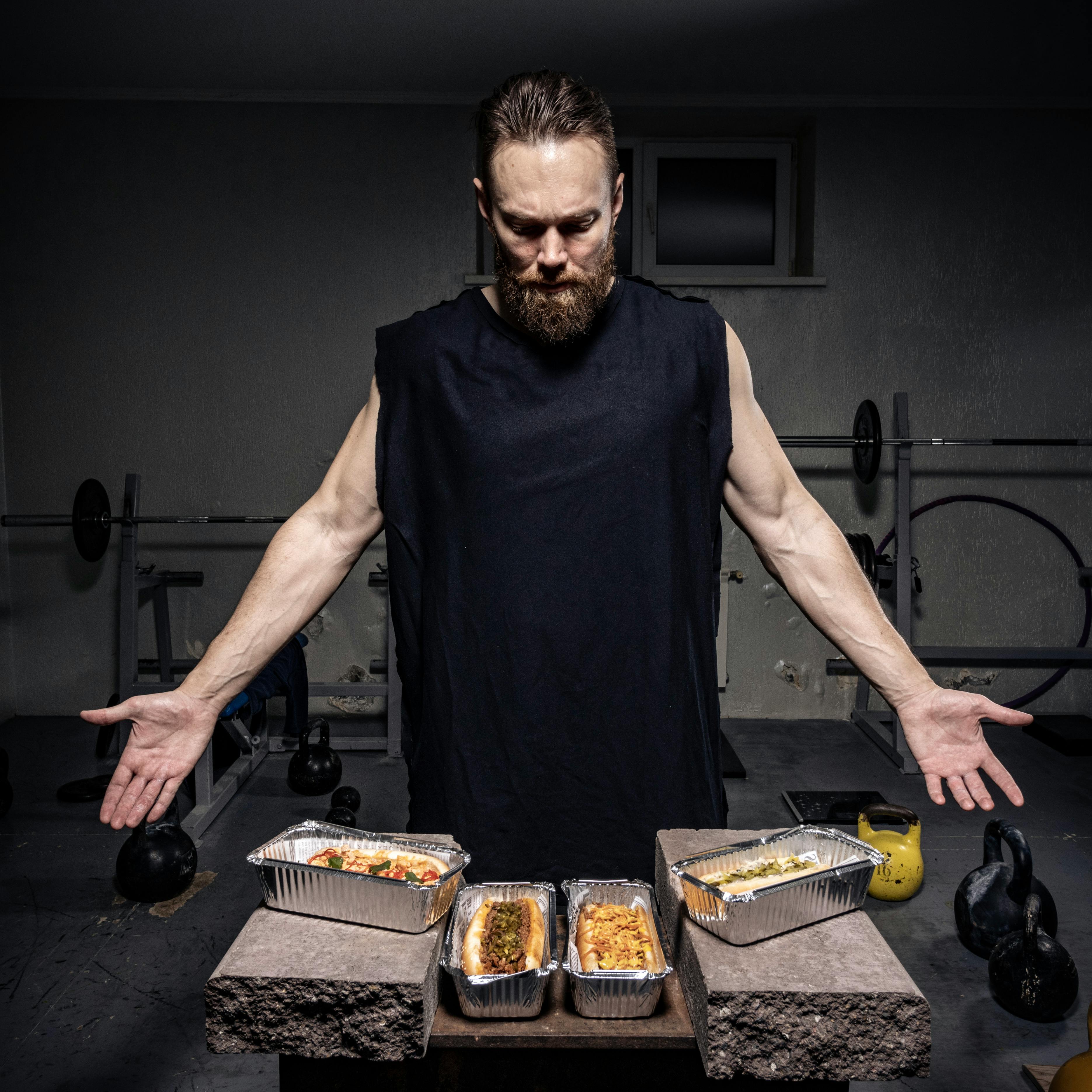
Common Mistakes to Avoid.
- Doing too much too soon. Beginners often train like they are auditioning for punishment. Soreness is not a badge. It is just soreness.
- Ignoring protein. If your diet is low in protein, muscle gain becomes harder and fat loss gets uglier. Protein is not optional fluff.
- Treating cardio like an enemy. It is not. Cardio supports heart health, work capacity, and recovery. You do not need to marry it, but you should respect it.
- Changing programs every week. Randomness feels exciting. It does not produce stable progress.
- Copying elite athletes. Professional routines are built around years of training, resources, and recovery capacity. You are probably not living that life.
- Undereating during hard training. If you train hard and starve, performance drops. So does mood. Then people act surprised.
- Sleeping poorly and pretending it is fine. It is not fine. Poor sleep wrecks appetite control and recovery.
- Obsessing over supplements. Most supplements are small tools, not foundations. Creatine is useful. Protein powder is convenient. The rest is often overpriced decoration.
Let’s be real. The internet rewards extremes. Eat nothing. Train forever. Take this pill. Do that cleanse. But the human body is not a toy. It responds best to sane inputs, repeated over time.
I have seen more progress come from boring consistency than from perfect programming. That is the truth people hate because it cannot be sold in a 12-second clip.
If you want a strong evidence base on general physical activity, the WHO guideline page is solid: WHO physical activity facts. It is plain because it should be plain.
Frequently Asked Questions
What is the best exercise program for beginners?
A simple full-body routine done 3 times per week is usually the best start. Use compound lifts, moderate sets, and progressive overload. Add walking or light cardio on off days. Keep it easy enough to repeat.
How much protein do I need to build muscle?
For many active adults, a useful range is about 1.6 to 2.2 grams per kilogram of body weight per day. The exact number depends on body size, training volume, and whether you are dieting. More is not always better, but too little is a problem.
Is cardio bad for muscle growth?
No. That idea gets repeated by people who misunderstand training. Excessive endurance work can interfere with recovery if poorly programmed, but moderate cardio supports health and does not ruin gains. Balance matters.
What matters more: diet or exercise?
Both matter, but they do different jobs. Diet drives body composition more directly, while exercise supports strength, health, and long-term maintenance. The smart approach is to respect both instead of picking a side like it is a sports feud.
Final Thought
Exercise science is not glamorous. Good nutrition is not mystical. Training methodology is not a lottery. The body responds to repeated, sensible stress, enough fuel, and honest recovery. That is the machine, plain and simple. Or, if you prefer the older language, it is a gift to be cared for, not abused.
The best plan is usually the least theatrical one. Lift with intent. Eat with discipline. Rest without guilt. Keep moving even when the internet insists that progress must look dramatic. It usually does not. Most real progress is quiet, slow, and slightly boring. That is fine. Boring is often where the truth lives.
If you build around that truth, you will do better than the people chasing the latest trick. And frankly, that is enough.