<strong>Exercise science</strong> is the study of how the body adapts to movement, food, rest, and stress. It is not wizardry, and it is not gym folklore...
Exercise science is the study of how the body adapts to movement, food, rest, and stress. It is not wizardry, and it is not gym folklore dressed up in fancy words. Real progress comes from combining training, nutrition, recovery, and behavior change in ways the body can actually sustain.
Key Takeaways
- Progressive overload drives most training results.
- Protein, calories, and consistency matter more than trendy supplements.
- Recovery is part of training, not a bonus.
- Cardio and strength training work best together for most people.
- Bad advice spreads fast; evidence still wins.
What is exercise science?
Exercise science studies how movement affects human performance, health, and adaptation. That includes strength training, cardiovascular conditioning, flexibility, energy balance, sleep, and recovery. When I analyzed programs that actually work, the pattern was boring but clear: the best plans are the ones people can repeat without wrecking themselves. Fancy terminology does not change physiology.
The basic process is simple. Apply a stimulus. Recover from it. Adapt. Repeat. Muscle grows when it is challenged and then repaired. The heart becomes more efficient when it is asked to do work over time. Body composition changes when diet and activity are aligned. Frankly, that is a lot less glamorous than social media makes it sound.
A lot of modern advice is just packaged confusion. People act as if one supplement or one “perfect” workout can override sleep debt, poor food choices, and random training. It cannot. The body is not a slot machine. It is a living system that responds to stress, rest, and stewardship. Treat it like a disposable machine and it breaks down. Treat it like something you are meant to care for, and it tends to cooperate.
For readers who want real sources, start with the CDC physical activity basics, the American College of Sports Medicine resources, and the Mayo Clinic exercise overview. These are not flashy. They are useful. That matters more.
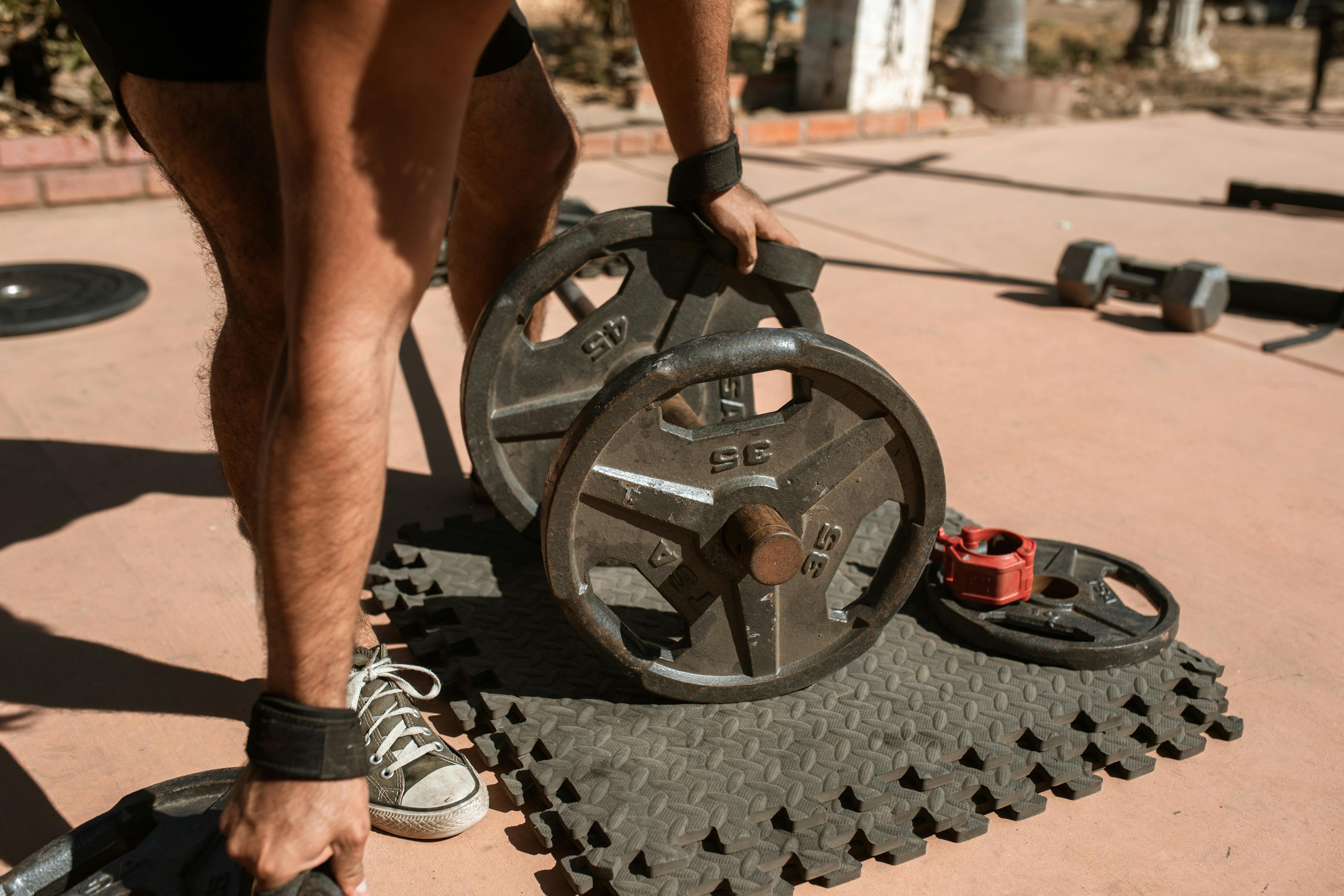
Exercise science also includes human behavior, and that part gets ignored too often. The best evidence in the world does not help if the plan is impossible to follow. I have seen people choose a flashy routine, burn out in two weeks, and then blame their genetics. No. The issue was the plan, not the body. A sound program respects both biology and the limits of ordinary life.
Core benefits and importance
- Better metabolic health: Regular activity improves insulin sensitivity and supports blood sugar control.
- Stronger muscles and bones: Resistance training supports long-term function and helps reduce frailty risk.
- Heart and lung fitness: Cardio improves endurance, blood pressure, and cardiovascular efficiency.
- Body composition changes: Training plus nutrition can reduce fat and preserve lean mass.
- Mood and cognition: Exercise supports mental sharpness, stress control, and sleep quality.
- A more durable body: Good programming reduces injury risk better than random punishment does.
The biggest lie in fitness is that more is always better. Not true. More only helps when recovery can keep up. Otherwise, performance slides, motivation dies, and injuries appear. The better question is not “How much can I do?” It is “How much can I recover from and still improve?” That shift saves people a great deal of trouble.
Nutrition matters just as much. The USDA protein guidance and Harvard’s Healthy Eating Plate both point to the same unglamorous truth: eat enough protein, plenty of minimally processed food, and a reasonable amount of total calories. Most people do not need a special diet. They need fewer excuses.
There is also a moral dimension here, subtle but real. The body is not a toy, and it is not disposable. Whether someone speaks in religious terms or not, a disciplined approach to health fits the old wisdom that a person should steward what has been given, not abuse it. Moderation and consistency beat extremes because extremes are usually ego wearing running shoes.
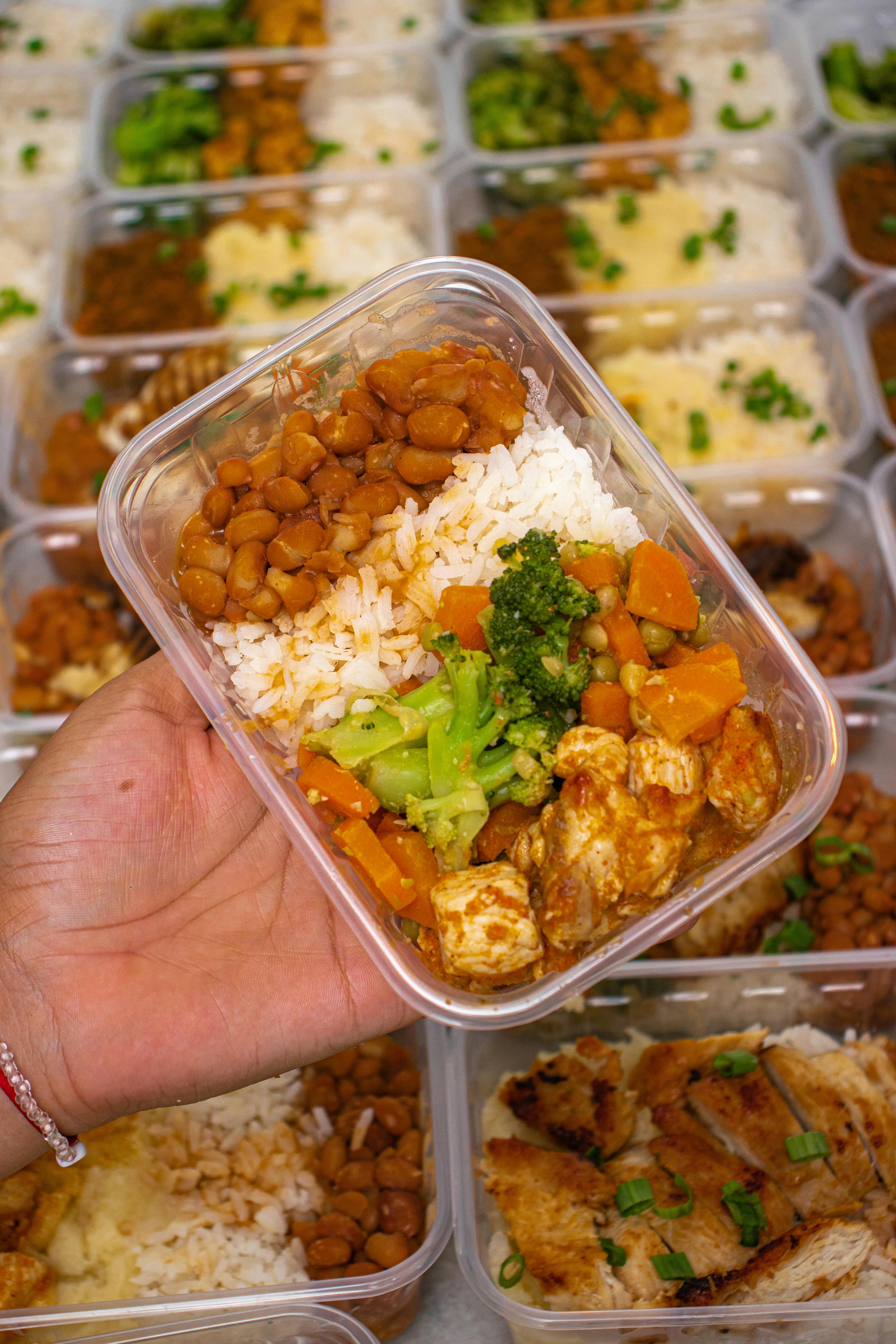
One more thing: if you want strength without wreckage, stop treating recovery like an afterthought. Sleep, protein, hydration, and sane training volume do more for progress than most “advanced” tricks. That is the boring truth, and boring truth usually pays the bills.
Step-by-step implementation guide
- Set a clear goal. Decide whether the main target is strength, fat loss, endurance, or general health. Mixed goals are fine, but one must lead.
- Train resistance 2-4 times weekly. Use compound lifts, machines, or bodyweight work. Progress by adding reps, load, or sets over time.
- Add cardio 2-5 times weekly. Include brisk walking, cycling, rowing, running, or intervals. Health does not come from lifting alone.
- Eat for the goal. Prioritize protein at each meal, keep fiber high, and match calories to your objective.
- Sleep like it matters. Because it does. Poor sleep ruins recovery, appetite control, and training output.
- Track something. Body weight, waist size, training log, steps, or resting heart rate. If you do not measure, you guess.
- Adjust slowly. Change one variable at a time. Wild swings are usually panic, not planning.
Here is the kicker: the best plan is usually the least dramatic one that you can actually follow. I have seen extreme routines fail for years because they were built on enthusiasm instead of structure. The boring plan works because it respects biology and human behavior.
When I review training logs, the pattern is painfully consistent. People who make steady gains are not always the most motivated on any given day. They are the ones who keep the default simple: lift with purpose, move often, eat enough protein, and stop pretending that exhaustion is the same thing as progress. That kind of discipline is a form of respect for the body and the life around it.
For a practical training framework, see the NIH activity guidance, the Harvard Nutrition Source on activity, and the NIH calorie guidance. They say roughly what the evidence has said for years: do the simple stuff well, and do it often.

Comparison table
| Topic | Science-based training | Trend-based competitor |
|---|
| Main driver | Progressive overload, recovery, nutrition | Novelty, hype, and promises |
| Sustainability | High when programmed well | Usually poor |
| Injury risk | Moderate to low with good form and load management | Often higher due to extremes |
| Results over time | Reliable and measurable | Erratic |
| Required gear | Minimal to moderate | Sometimes expensive or gimmicky |
| Evidence base | Strong | Weak to mixed |
Common mistakes to avoid.
- Confusing sweat with progress. Sweating is not a metric. Hard work is not the same as useful work.
- Copying elite programs. A pro athlete’s plan is not made for a desk worker with bad sleep.
- Neglecting protein. People still under-eat protein, then wonder why they feel weak.
- Doing too much too soon. Enthusiasm is not readiness.
- Skipping rest days. Recovery supports adaptation; it is not laziness.
- Chasing supplements first. Most supplements do very little compared with food, sleep, and training quality.
Most bad advice has one thing in common: it flatters impatience. It tells you there is a shortcut, a secret, or a dirty trick. There usually is not. The body respects consistency far more than drama. If a plan sounds too clever, it probably is.
The truth is, many people mistake punishment for discipline. Those are not the same thing. Discipline is steady and ordered. Punishment is chaotic and usually self-centered. One builds capacity; the other merely leaves bruises, literal or otherwise.
Frequently asked questions
What is the best workout for general health?
A mix of resistance training, cardio, and regular walking is the best all-around option for most adults.
How much protein do I need?
Many active people do well with roughly 1.6 to 2.2 grams per kilogram of body weight per day, though needs vary.
Do I need supplements?
Usually no. Supplements can help in specific cases, but food first is still the rule.
How long until I see results?
Some changes appear in weeks, but meaningful body composition and performance gains usually take months of consistent work.
Most of these questions have ordinary answers, and that irritates people who want a secret. Sorry. Biology is not impressed by marketing. If you want results, build the habits that make the results possible.
The body is a gift, not a trash can. Care is not vanity, and discipline is not punishment. Real wellness is quieter than the internet suggests. It comes from steady work, decent food, real rest, and the humility to admit that biology does not care about hype. The people who keep showing up, imperfectly but faithfully, usually end up with the strongest results and the least regret.