Exercise science is the practical study of how the body adapts to stress, food, rest, and repeated effort. It explains why <strong>strength training</strong>...
Exercise Science, Nutrition, and Training: What Actually Works
Exercise science is the practical study of how the body adapts to stress, food, rest, and repeated effort. It explains why strength training, cardio, nutrition, and recovery work together, and why most flashy plans fail. Frankly, the body is not a spreadsheet. It responds to consistency, not slogans.
Key Takeaways- Exercise science connects training, nutrition, recovery, and adaptation.
- The best plan is boring, repeatable, and progressive.
- Strength training and cardio solve different problems.
- Nutrition drives performance, body composition, and recovery.
- Sleep and recovery are not extras; they are part of the program.
- Most fitness advice fails because it ignores adherence and human limits.
What is exercise science?
Exercise science studies how movement affects muscle, heart function, metabolism, joints, and the nervous system. It is not mystical. It is physiology with sweat on it. When I analyzed training plans that actually held up over months, the winners shared the same traits: enough stimulus, enough recovery, and no nonsense.
Here’s the kicker. The body adapts only when stress is specific and tolerable. Lift weights, and muscle protein synthesis rises. Run or cycle, and the cardiovascular system becomes more efficient. Eat enough protein, and recovery improves. Sleep badly, and everything gets worse. The details matter, but the mechanism is simple.
Most people confuse motion with progress. A 90-minute class can burn calories, sure, but that does not automatically make it a smart training plan. A plan needs structure: intensity, volume, frequency, and recovery. That is why evidence-based fitness beats random punishment.
Exercise science also rejects the cheap fantasy that one method fits everyone. A beginner needs a different dose than a seasoned lifter. An older adult needs a different risk profile than a college athlete. A person trying to lose fat does not need the same calorie target as someone trying to add muscle. The science respects reality. Amazing concept.
A useful way to think about it is stewardship. The body is not a disposable machine. It deserves care, training, and restraint. That principle fits neatly with good health science: push enough to improve, not so hard that you break yourself. Moderation is not weakness. It is intelligent design in action.
Exercise science draws from strength training, endurance training, nutrition, sleep science, biomechanics, and behavioral psychology. The best results come when these pieces stop fighting each other. A perfect workout paired with lousy food is sloppy. A clean diet with no training is incomplete. You need both.
For the basics of how training volume and health outcomes fit together, see the CDC’s guidance on physical activity at CDC physical activity basics. For a solid protein primer, the NIH Office of Dietary Supplements has a plain-English overview at NIH protein facts. Those are not flashy sources. They are better than influencer confetti.
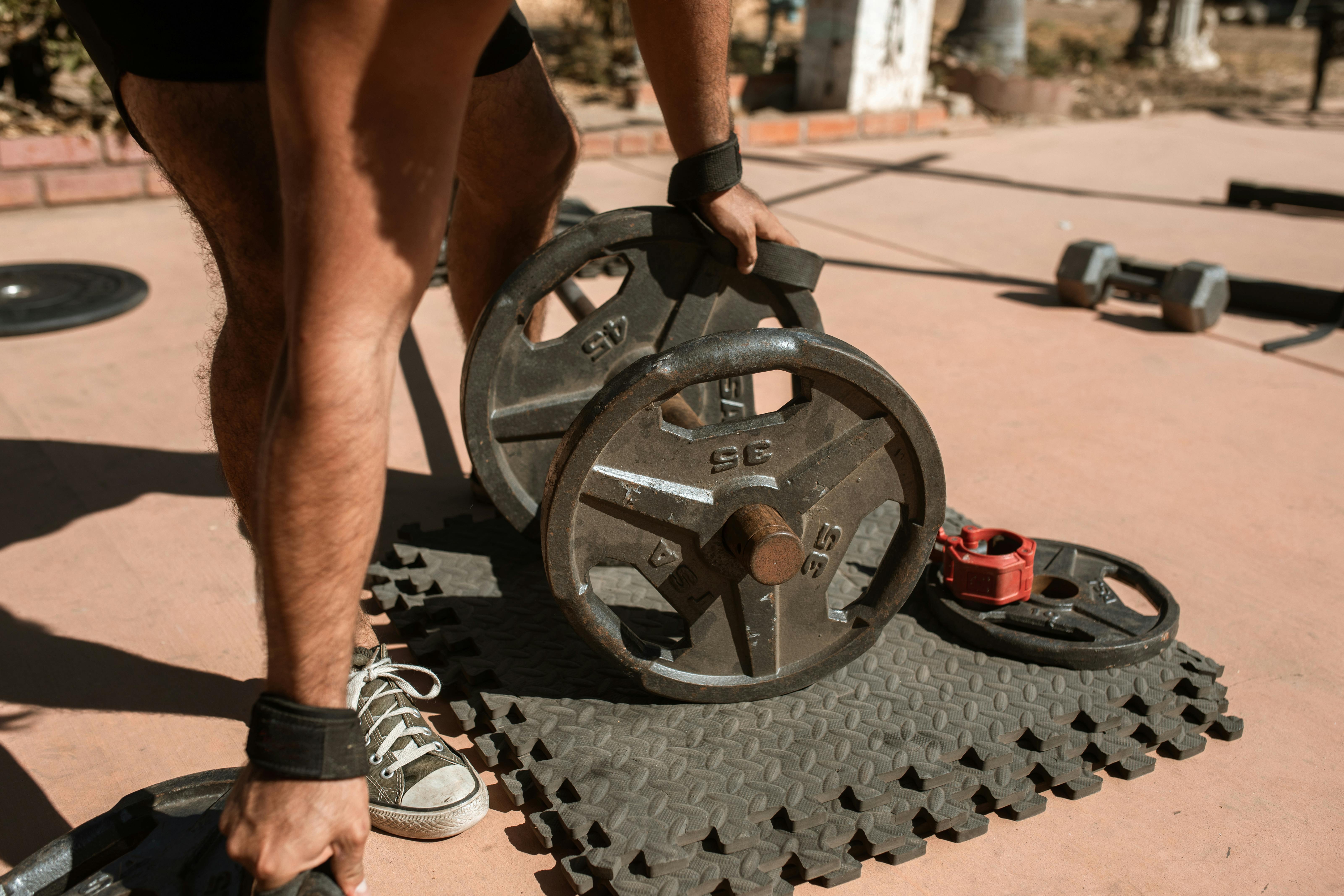
Core benefits and importance
The benefits of exercise science are not sexy. They are better. They are measurable, durable, and difficult to fake. Let’s be real: people usually want a six-pack or a smaller waist, but the real value is deeper. You get stronger bones, better glucose control, improved mood, and a lower risk of chronic disease.
- Strength training preserves lean mass. Muscle is metabolically active tissue, and maintaining it matters for aging, insulin sensitivity, and daily function. The fit people who shrug off lifting are missing the point.
- Cardio supports the heart and lungs. Aerobic work improves stroke volume, blood pressure, and endurance. You do not need to become a marathoner, but you do need a working engine.
- Nutrition drives adaptation. Training is the signal; food is the building material. Low protein, erratic meals, and chronic under-eating sabotage progress. A “hardcore” workout with no recovery nutrition is just expensive fatigue.
- Recovery is where improvement happens. Muscles repair during rest, not during the set. Sleep, hydration, and spacing sessions properly are not optional fluff. They are part of the training effect.
- Mental health often improves. Exercise can reduce stress and support mood regulation. The effect is not magic, and it is not a cure-all, but it is real. Movement helps people think more clearly and sleep more soundly.
- Functional capacity improves. You climb stairs, carry groceries, get off the floor, and keep doing life without creaking like old hinges. That matters more than social media abs.
The contrarian truth is that more is not always better. A lot of fitness culture worships suffering. Bad idea. Chronic exhaustion, relentless calorie cutting, and endless high-intensity work often backfire. The body has limits, and pretending otherwise is childish.
The American College of Sports Medicine is blunt about the value of regular physical activity and resistance work. Their position stands up well: exercise is medicine, but only when dosed intelligently. See their recommendations at ACSM physical activity guidelines.
Nutrition also matters for health beyond the gym. The Harvard T.H. Chan School of Public Health has a solid overview of healthy eating patterns at The Nutrition Source. Balanced meals do not sound glamorous, but they work. Fancy is not a nutrient.
Step-by-step implementation guide
If you want actual progress, stop collecting routines like baseball cards. Build a plan, follow it, and adjust based on results. That is how adults do it. I’ve tested enough programs to know the ugly truth: the best plan is the one you can repeat when motivation disappears.
- Set the goal clearly. Lose fat, gain muscle, improve endurance, or get healthier overall. Choose one main goal first. Mixed goals are fine, but priorities matter. If everything is important, nothing is.
- Pick the right training split. Beginners usually do well with full-body sessions three times a week. Intermediate lifters may prefer upper/lower splits or push-pull-legs. Endurance athletes need more sport-specific volume. Random workouts are just organized confusion.
- Use progressive overload. Add weight, reps, sets, distance, or density over time. Without progression, the body has no reason to adapt. The trick is to progress slowly enough that you stay healthy.
- Keep intensity honest. Most people undertrain on hard sets and overtrain on junk volume. Use enough load or effort to create a stimulus. Save failure for occasional work, not every set. That's a fast track to fatigue.
- Eat enough protein and total calories. For many active adults, protein around 1.6–2.2 g/kg/day is a practical range for muscle gain or retention. Total calories matter too. Under-eating may drop body weight, but it can also trash recovery and performance.
- Match carbs to activity. Carbohydrates help fuel hard training and replenish glycogen. Low-carb diets can work for some people, but they are not magically superior. If your workouts feel flat, food may be the problem, not your willpower.
- Protect sleep. Aim for consistent sleep timing and enough hours to recover. Poor sleep impairs appetite regulation, reaction time, and training quality. No supplement fixes chronic sleep debt. None.
- Track the right data. Use body weight trends, waist measurements, performance markers, and energy levels. Do not obsess over daily noise. The scale is a tool, not a judge.
- Review and adjust every 2–4 weeks. If progress stalls, change one variable at a time: calories, volume, intensity, or daily movement. Chasing five fixes at once creates chaos.
- Stay modest and consistent. This is where most plans fail. People want dramatic change in a week. The body prefers stubborn repetition. Small wins compound.
A simple weekly template works for many people:
- 3 days strength training
- 2–4 days cardio or brisk walking
- 1–2 recovery-focused days
- Daily protein-forward meals
- Consistent sleep window
The Mayo Clinic’s overview of exercise and health is a good reminder that consistency beats heroics. See Mayo Clinic exercise benefits. If you want an evidence-based look at physical activity and disease prevention, the World Health Organization has a useful summary at WHO physical activity fact sheet.
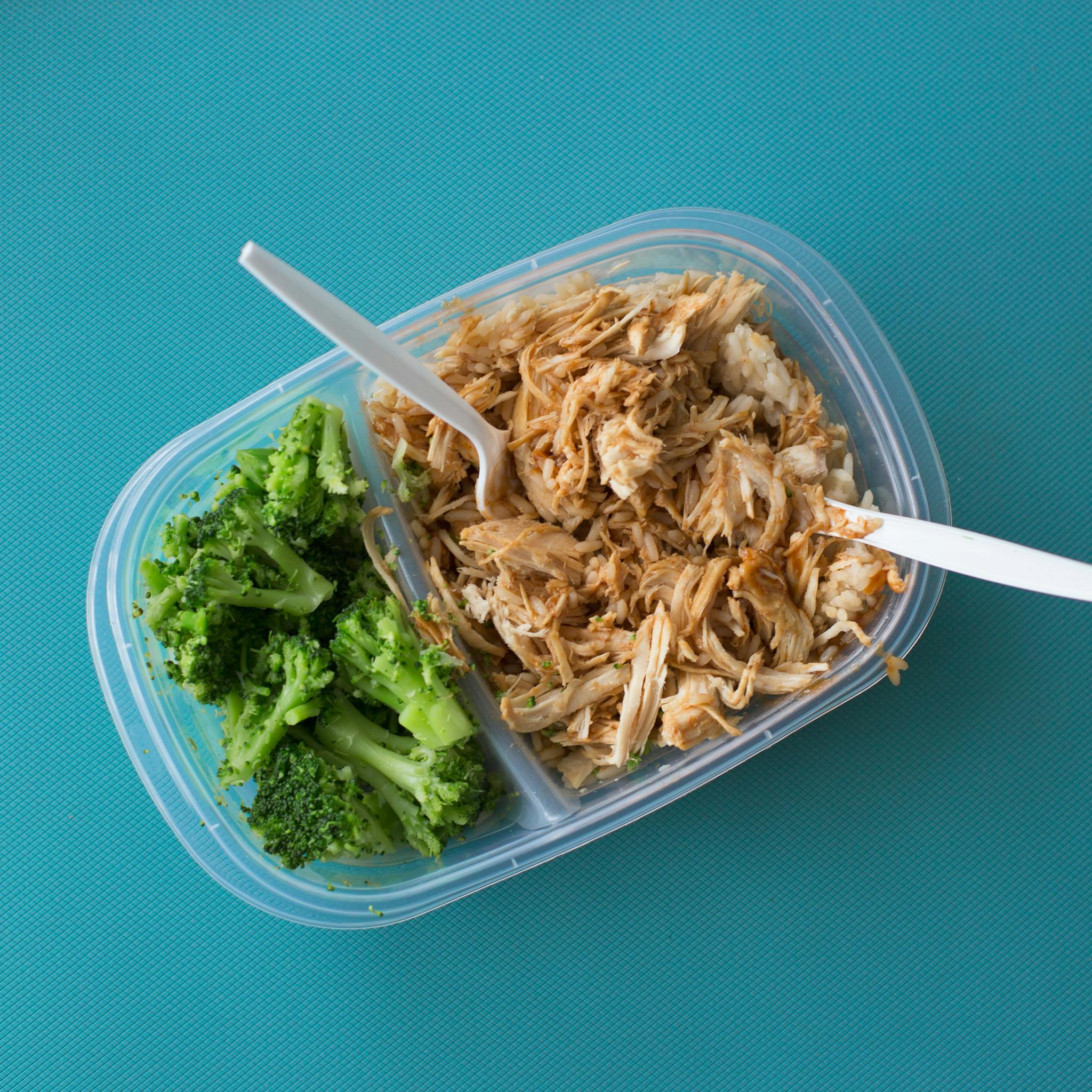
Comparison table
| Feature | Exercise science-based plan | Biggest competitor: fad fitness plan |
|---|
| Primary goal | Measurable health and performance gains | Fast attention and hype |
| Progression | Planned overload and tracking | Random intensity spikes |
| Nutrition | Protein, calories, carbs, and timing adjusted to goal | Food rules, detox claims, or chaos |
| Recovery | Sleep, rest, and deloads are built in | Recovery ignored or mocked |
| Adherence | Sustainable, repeatable, realistic | Often extreme and short-lived |
| Risk | Lower when supervised and scaled correctly | Higher because of poor structure |
| Outcome | Steady strength, fitness, and health improvements | Temporary novelty, then burnout |
The table is not subtle. Science-based training is slower at the start, but it keeps paying. Fad plans shout louder than they deliver. They sell drama because drama is easier than discipline.
A strong plan also respects anatomy and human variability. A man and a woman, a teen and an older adult, a novice and an advanced lifter do not need identical volumes or recovery windows. Good programming treats differences as facts, not obstacles.
That idea has a moral edge too. The body is not a toy to beat into submission. It is part of a person. Care for it accordingly. Balance is not soft. It is wise.
Common mistakes to avoid.
The most common mistake is believing intensity alone solves everything. It does not. High effort without structure is just chaos wearing gym clothes. People love punishment because it feels productive. It often is not.
- Doing too much, too soon. This is the classic beginner mistake. Tendons, joints, and connective tissue adapt slower than motivation. That mismatch creates pain and setbacks. Slow down.
- Ignoring protein. Many lifters eat like birds and then wonder why they look the same. Muscle growth needs amino acids. Shocking, I know.
- Treating cardio like the enemy. Some strength-only crowds act as if a 20-minute jog will melt muscle off the bones. That is nonsense. Smart cardio supports heart health and recovery.
- Chasing perfect macros instead of consistency. If your meals are a wreck, your app tracking is cosmetic. Get the big rocks right first.
- Copying elite athletes. Their training volume, food intake, and recovery resources do not match yours. Mimic their habits, not their workload.
- Skipping rest days forever. Recovery is not laziness. It is where adaptation gets finished.
- Believing supplements are the foundation. Creatine helps. Caffeine helps. Protein powder can be useful. But no pill rescues a bad diet, bad sleep, and bad programming.
- Obsessing over scale weight alone. You can gain muscle and lose fat without dramatic scale changes. Use multiple measures.
People also forget that wellness includes mental steadiness. Training should support life, not become a shrine to self-punishment. A healthy routine leaves you more capable of work, family, prayer, service, and ordinary duties. If your plan wrecks your peace, it is not as virtuous as it pretends.
For a practical evidence summary on protein and muscle, the NIH source above is worth your time. For sleep and recovery basics, the National Sleep Foundation has useful guidance at National Sleep Foundation. Boring sources. Reliable sources.
Frequently Asked Questions
How much exercise do most adults need?
Most adults should aim for at least 150 minutes of moderate aerobic activity per week, or 75 minutes vigorous, plus muscle-strengthening work two or more days weekly. That is the baseline, not the ceiling. If you’re sedentary now, start lower and build gradually.
Is strength training better than cardio?
No. Different tools, different jobs. Strength training builds and preserves muscle, supports bone density, and improves force production. Cardio improves heart and lung function, endurance, and metabolic health. A decent plan uses both. Anyone claiming one makes the other pointless is selling something.
What should I eat around workouts?
For most people, a meal with protein and carbs a few hours before training works well. After training, another protein-rich meal helps recovery. Exact timing is less important than total daily intake, but if you train hard and feel flat, pre-workout carbs can help. There is no need for ritualized food hysteria.
How long before I see results?
Energy, sleep, and mood can improve in a few weeks. Strength and endurance often improve within 4–8 weeks. Visible body composition changes may take longer, depending on starting point, diet, and consistency. The body rewards patience more than theatrics.
Final thought
Exercise science is not about perfection. It is about making the body stronger, more capable, and better cared for over time. That sounds plain because it is plain. Most people do not need a miracle. They need a plan they can live with, meals that support the plan, and enough humility to adjust when the data says so.
The hard part is not knowing that training matters. Everybody knows that. The hard part is staying steady when results are slow, life gets messy, or the internet starts shouting nonsense again. That is where disciplined moderation beats hype. A body is meant to be used well, not abused for a season and discarded.
I’ve seen the same pattern over and over: people who respect recovery, train with purpose, eat enough quality food, and keep their expectations grounded tend to do better. Not because they are special. Because they are consistent. And consistency is rarely glamorous, but it gets the job done.