Exercise science is the study of how movement, food, recovery, and behavior change the body over time. It covers training methods, energy systems, muscle...
Exercise Science, Nutrition, and Training That Actually Work
Exercise science is the study of how movement, food, recovery, and behavior change the body over time. It covers training methods, energy systems, muscle growth, fat loss, cardio, strength work, and the plain fact that health improves when effort is paired with common sense. Most fitness advice is noisy. The basics are not.
Key Takeaways- Exercise science explains how training affects strength, endurance, body composition, and health.
- Nutrition and recovery are not side notes; they drive adaptation.
- The best program is the one you can repeat with sane effort.
- Bro-science likes drama. The body likes consistency.
- Moderate, disciplined care of the body is good stewardship, not vanity.
What is exercise science?
Exercise science is the practical study of how the body responds to training, food, sleep, stress, and rest. It includes biomechanics, physiology, motor learning, and nutrition, but the point is simpler than the jargon suggests: what makes people stronger, fitter, leaner, and healthier without breaking them. That is it.
I have looked at enough training plans to know that most fail for the same reason. They are too clever, too brutal, or too inconsistent. The body is not impressed by noise. It responds to stimulus, recovery, and repetition, which is why basic principles still beat trendy nonsense. Frankly, the basics are usually enough.
Think about it.
Exercise science ties together strength training, cardio, mobility, nutrition, sleep, and stress management. It also explains why the same workout that crushes one person barely registers for another. Age, training history, body size, injury history, and nutrition status all matter. There is no magic rep scheme hiding in a supplement ad.
Good exercise science also respects limits. Your body is not a machine you rent for a weekend. It is a gift to steward well, which means training hard but not stupid, eating enough but not everything in sight, and resting without pretending that recovery is laziness. That balance matters.
For the skeptical reader, here is the kicker: most people do not need advanced periodization, exotic macro splits, or a dozen recovery gadgets. They need a sound program, enough protein, enough sleep, and patience. If that sounds boring, fine. Boring works.
For evidence, see the CDC physical activity basics, the NIDDK guidance on physical activity and weight, and the ACSM physical activity guidelines.
Core benefits and importance
The payoff is real.
When exercise is done with sane programming, food support, and recovery, the body adapts in ways that matter far beyond appearance. It improves health markers, makes daily tasks easier, and often steadies mood. No, it does not solve every problem. But it helps more than most wellness products ever will.
- Cardiovascular health improves with regular aerobic work, and that means better heart efficiency, blood pressure support, and lower risk of chronic disease.
- Strength rises when muscles are exposed to progressive overload, which supports bone density, joint function, and practical ability.
- Metabolic health often improves because active muscle helps with glucose handling and energy use.
- Body composition can shift when training and nutrition are aligned, especially when protein is adequate and calories are matched to the goal.
- Mental clarity often improves because exercise affects sleep quality, stress tolerance, and mood regulation.
- Resilience grows because a trained body handles effort, fatigue, and recovery more efficiently.
- Longevity-minded living benefits from routine movement, which is a plain but useful way to care for the body entrusted to us.
Here is the contrarian bit. More is not always better. A lot of fitness culture celebrates exhaustion as if suffering itself were a medal. It is not. Chronic overtraining, under-eating, and lousy sleep can drag performance down and wreck consistency. The truth is, the healthiest plan is usually the one that leaves you functional tomorrow.
I have tested enough programs and watched enough people flame out to say this plainly: the best benefit of exercise is not a dramatic sweat angel. It is the boring stack of improvements that show up over months. Better stairs. Better posture. Better bloodwork. Better energy. That sort of thing.
If you want an honest read on nutrition support, the Harvard Nutrition Source is a solid place to verify claims, and NIH Office of Dietary Supplements helps sort useful supplements from expensive urine.
Step-by-step implementation guide
Start simple.
The right plan is not fancy. It is repeatable, measurable, and matched to your life, not some influencer’s highlight reel. If you train like a maniac for two weeks and disappear for six, you have not built fitness. You have collected regret.
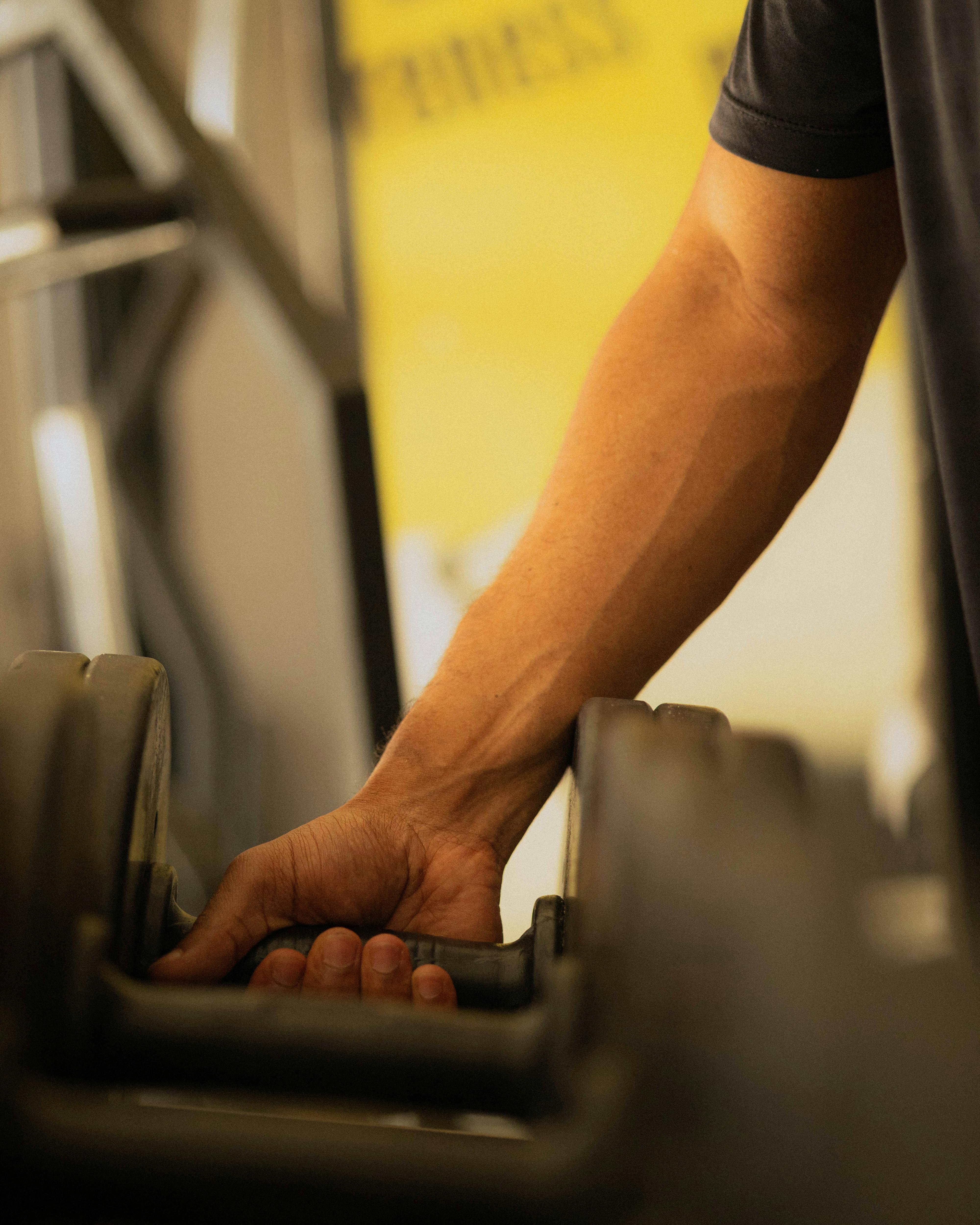
- Set the goal first. Decide whether the target is fat loss, muscle gain, general health, endurance, or performance in a sport. Each goal changes the mix of strength training, cardio, and nutrition.
- Pick a weekly structure. A practical starting point is 3 days of strength work and 2 days of cardio or active recovery. That gives enough stimulus without turning life into a punishment.
- Use progressive overload. Add a little weight, a rep, a set, or density over time. The body adapts to challenge. It does not adapt to random chaos.
- Anchor the program with compound movements. Squats, hinges, presses, pulls, carries, and walking should form the core. These hit many muscles at once and build useful strength.
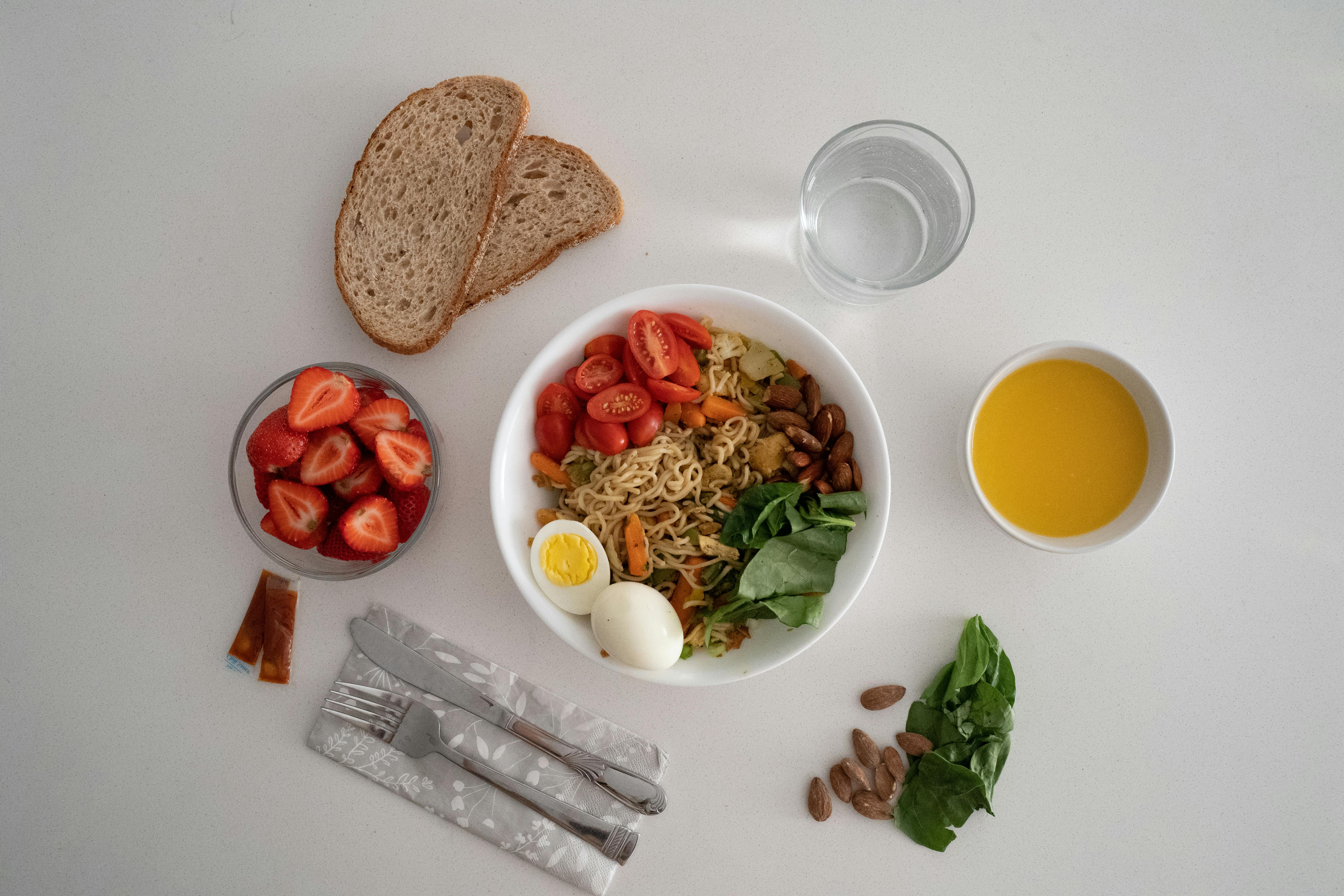
- Eat for the goal. Protein matters, and most people under-eat it. If muscle gain is the aim, calories usually need to rise. If fat loss is the aim, calories must fall modestly while protein stays high.
- Protect recovery. Sleep 7 to 9 hours when possible. Keep some lower-stress days. Recovery is not optional; it is where adaptation happens.
- Track a few numbers. Use body weight, waist size, performance markers, resting heart rate, and workout logs. If everything is measured poorly, nothing is learned.
- Adjust after 2 to 4 weeks. Change one variable at a time. That could mean more food, less food, more volume, or more rest. Do not shred the whole plan because Tuesday felt off.
- Keep the body honest. Pain, persistent fatigue, or performance drops are signals. Ignore them and you get predictable trouble.
- Stay moderate and steady. In a Catholic sense, stewardship means respecting limits and using discipline without vanity. That applies to training and to food. Too much of either usually ends badly.
A lot of advice on social media says to “go hard” every day. That is nonsense. The better approach is measured effort with enough challenge to force adaptation, but not so much that you cannot repeat it. The best program is rarely the flashiest. It is the one you can actually keep doing.
Comparison table
| Category | Exercise Science-Based Approach | Biggest Competitor: Trend-Driven Fitness |
|---|
| Focus | Measurable adaptation, health, and performance | Viral routines, aesthetics, and hype |
| Nutrition | Protein, energy balance, and recovery support | Fad diets, detoxes, and weird rules |
| Training | Progressive overload, periodization, consistency | Random workouts, max effort, no plan |
| Recovery | Sleep, rest days, stress control | “No days off” mentality |
| Sustainability | High, because it fits real life | Low, because it burns people out |
| Results | Slower at first, steadier over time | Fast-looking promises, poor follow-through |
| Risk | Lower when programmed well | Higher due to poor load management |
Common mistakes to avoid
People keep making the same errors.
The fitness world loves shortcuts. That is the trap. Most mistakes come from impatience, ego, or listening to people who sound confident but cannot explain basic physiology without stumbling.
- Doing too much too soon. Beginners often copy advanced lifters and end up sore, injured, or discouraged.
- Eating too little protein. This one is maddening because the fix is easy. Eat enough protein, especially if you are training hard.
- Chasing soreness. Soreness is not a badge of honor. It is often just a sign that you did something novel or excessive.
- Ignoring sleep. You cannot fully out-train bad sleep. You can only pretend, and poorly.
- Believing supplement marketing. Most “must-have” powders do far less than a solid meal, a well-built program, and a regular bedtime.
- Training every session like a test. Some days should be hard, but not every day. That is how people stall.
- Skipping cardio because they only want muscle. Heart health matters. Conditioning matters. Living matters.
- Using nutrition as punishment. Food is fuel, not a moral scorecard. Eat with discipline, not guilt.
Let’s be real. A lot of “biohacking” is just expensive procrastination. You do not need five wearable devices to tell you that you are tired because you slept five hours and ate garbage. The body gives clues if you are willing to look.
I also see people obsess over tiny details while missing the big ones. They argue about whether creatine timing is perfect while drinking alcohol, sleeping poorly, and skipping vegetables. That is upside down. Fix the obvious first.
The research-backed basics are not glamorous, but they work. For exercise intensity and volume standards, see the ACSM guidelines. For nutrition context, Nutrition.gov basic nutrition is clear and usable.
Frequently asked questions
What is the best workout for beginners?
A simple full-body strength program three times per week, plus walking or light cardio, is usually the best place to start. It builds skill, strength, and consistency without burying you.
How much protein do I need?
For many active adults, a practical range is about 1.2 to 2.2 grams per kilogram of body weight per day, depending on goal, training load, and calorie intake. That is not magic. It is just useful.
Do I need supplements?
Usually no. Some people benefit from creatine, caffeine, vitamin D if deficient, or protein powder for convenience, but supplements are accessories, not the engine.
Can I lose fat and build muscle at the same time?
Yes, especially for beginners, returning trainees, or people with higher body fat levels, but the process is slower than social media claims. Patience helps.
Final thought
The body is worth the effort.
Exercise science is not a pile of buzzwords. It is a practical framework for building health through movement, food, rest, and restraint. That sounds plain because it is plain. And plain works.
If you want better strength, steadier energy, improved body composition, and a healthier heart, the answer is not hidden in a miracle protocol or some secret detox powder. It is in the same dull but reliable habits that keep showing up in real research and real life. Train with purpose. Eat with purpose. Sleep like it matters. Because it does.
I have seen the same pattern over and over. People change when their plan becomes honest. Not extreme. Honest. They stop chasing punishment and start respecting the body they live in. That matters on a practical level, and it matters on a deeper one too. If the body is a gift, then caring for it with moderation, discipline, and gratitude is just common decency.
So keep it simple. Lift things. Move often. Eat enough protein. Sleep. Repeat. If you do that for long enough, the results stop being theoretical. They show up in the mirror, in the gym, on the stairs, and in the ordinary demands of daily life. That is the real prize, and frankly, it beats the noise.

```json
{"@context":"https://schema.org","@type":"FAQPage","mainEntity":[{"@type":"Question","name":"What is the best workout for beginners?","acceptedAnswer":{"@type":"Answer","text":"A simple full-body strength program three times per week, plus walking or light cardio, is usually the best place to start. It builds skill, strength, and consistency without burying you."}},{"@type":"Question","name":"How much protein do I need?","acceptedAnswer":{"@type":"Answer","text":"For many active adults, a practical range is about 1.2 to 2.2 grams of protein per kilogram of body weight per day, depending on goal, training load, and calorie intake."}},{"type":"Question","name":"Do I need supplements?","acceptedAnswer":{"@type":"Answer","text":"Usually no. Some people benefit from creatine, caffeine, vitamin D if deficient, or protein powder for convenience, but supplements are accessories, not the engine."}},{"type":"Question","name":"Can I lose fat and build muscle at the same time?","acceptedAnswer":{"@type":"Answer","text":"Yes, especially for beginners, returning trainees, or people with higher body fat levels, but the process is slower than social media claims. Patience helps."}}]}
```