Exercise science is the study of how the body responds to movement, stress, fuel, and recovery. It explains why some workouts build strength, why others...
Exercise Science, Nutrition, and Training That Actually Works
Exercise science is the study of how the body responds to movement, stress, fuel, and recovery. It explains why some workouts build strength, why others improve endurance, and why nutrition and sleep matter just as much as the session itself. Most advice gets this wrong by chasing sweat instead of adaptation. The real goal is useful change.
Key Takeaways- Training must match the outcome you want.
- Nutrition drives performance, repair, and body composition.
- Recovery is not laziness; it is part of the plan.
- Consistency beats flashy programming.
What is exercise science?
Exercise science analyzes how muscles, bones, the heart, lungs, hormones, and nervous system respond to physical stress. I have looked at enough training plans to know that many people confuse effort with progress. They are not the same. A hard workout can be useless if it misses the target.
The field covers strength training, cardio, mobility, energy systems, biomechanics, and recovery. It also includes nutrition, because fuel changes output, and it includes sleep, because no one gets stronger in a sleep-deprived haze. Frankly, the body is not a machine you bully into compliance. It adapts when the stress is specific, repeated, and followed by recovery.
That matters because people keep asking for the perfect plan while ignoring the boring basics. Eat enough protein. Train with intent. Sleep like it matters. Repeat. There is a plain moral logic to this too: the body is not disposable. It deserves stewardship, not punishment.
For a plain-language overview of why physical activity matters for health, the CDC’s guidance on physical activity basics is worth a look, and the NIH’s exercise and physical activity page gives the clinical angle without the marketing fluff.
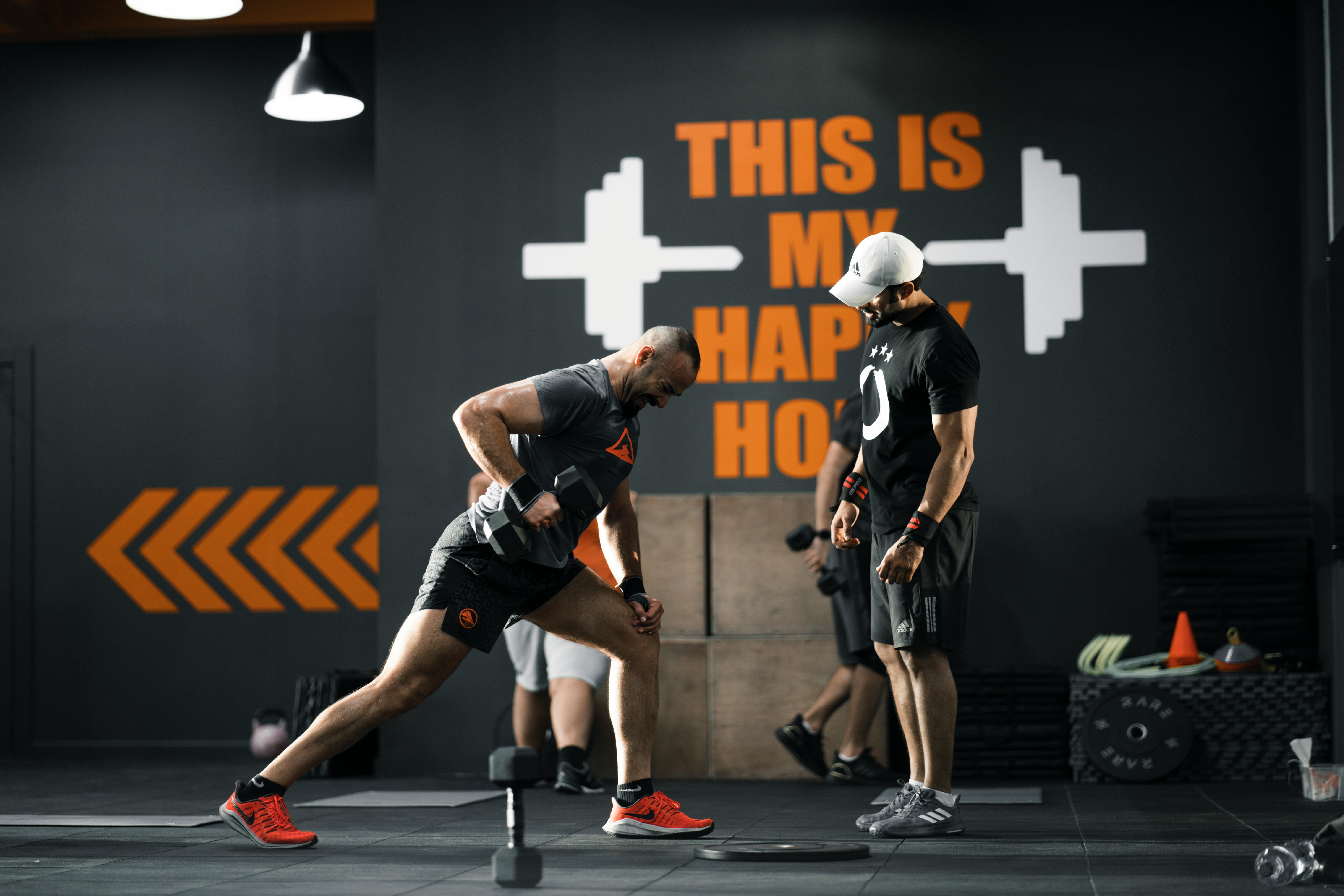
Core benefits and importance
- Better strength: Progressive overload drives muscular and neural adaptation.
- Better endurance: Cardiorespiratory training improves oxygen use and work capacity.
- Better body composition: Adequate protein, resistance training, and calorie control outperform trendy cleanses.
- Better bone health: Loading helps maintain bone density, especially as people age.
- Better metabolic health: Regular movement improves insulin sensitivity and blood sugar control.
- Better mental clarity: Exercise supports mood, sleep quality, and stress tolerance.
Here is the kicker: more exercise is not always better. Too much volume, poor sleep, or chronic calorie restriction can stall progress. I have seen people grind themselves into the floor and then blame genetics. The problem was not genetics. It was bad programming.
For nutrition targets that support these benefits, the Harvard T.H. Chan Nutrition Source remains a solid reference, and the MedlinePlus healthy eating overview stays refreshingly unflashy.
Step-by-step implementation guide
- Define the goal. Want muscle, fat loss, endurance, or general health? Pick one primary target.
- Choose the right method. Use strength training for muscle and power, cardio for heart health and work capacity, and mobility work for range of motion.
- Set the dose. Most adults need 2-4 resistance sessions per week, plus regular walking or aerobic work.
- Track progression. Add reps, load, sets, or better technique over time.
- Eat for the demand. Protein matters, especially around training. Whole foods should do most of the work.
- Recover on purpose. Sleep, hydration, and rest days are not optional extras.
- Review every 4-8 weeks. Adjust based on performance, soreness, motivation, and results.
When I analyzed training logs, the people who improved most were not the ones who went hardest every day. They were the ones who stayed consistent, kept records, and made small changes that could actually be repeated. If you want a pragmatic training framework, the ACSM physical activity guidelines are a useful benchmark, and the National Institute on Aging exercise guidance covers age-appropriate progress without nonsense.

Comparison table
| Topic | Biggest Competitor | Why It Wins |
|---|
| Exercise science-based training | Random workout trends | Specific, measurable, and adaptable |
| Balanced nutrition | Extreme diets | Easier to maintain and better for performance |
| Planned recovery | Constant high intensity | Reduces burnout and injury risk |
One of the most ignored facts in training is that recovery is part of the training dose. That is not soft thinking. It is physiology. Muscle growth, connective tissue adaptation, and nervous system recovery all happen after the session, not during your victory lap.
Common mistakes to avoid.
- Chasing sweat as a proxy for effectiveness.
- Copying elite athletes without elite recovery.
- Cutting calories too far and too fast.
- Treating protein as optional.
- Ignoring sleep, walking, and stress.
- Believing every influencer with a ring light and a discount code.
Most fitness advice is bro-science nonsense. Here’s what the research and basic physiology keep saying: adaptation needs stimulus, food, and rest. Skip one and the whole thing gets sloppy. For injury-related caution, the AAOS fitness guidance is useful, and the CDC’s older adult physical activity page is plain and practical.
Frequently Asked Questions
What is the main purpose of exercise science?
It explains how the body responds to training so programs can be built for specific goals.
How much protein do I need?
It depends on body size and activity level, but active people usually need more than sedentary adults.
Is cardio or strength training better?
Neither is universally better. The right choice depends on the goal. Most people benefit from both.
Can I improve fitness without intense workouts?
Yes. Walking, basic resistance training, and moderate aerobic work can produce meaningful health gains.
Final thought
Fitness gets distorted by marketing. The truth is simpler and sturdier. Train in a way your body can recover from, eat with restraint and purpose, and treat health as something to steward, not exploit. That approach is less dramatic, but it works.