Exercise science is the study of how movement, nutrition, training, and recovery change the body over time. Simple enough. The problem is that people keep...
Exercise Science, Nutrition, and Wellness: What Actually Works—and What Pseudoscience Gets Wrong
Exercise science is the study of how movement, nutrition, training, and recovery change the body over time. Simple enough. The problem is that people keep mixing proven methods with glossy nonsense, and then act shocked when results stall, injuries pile up, or money vanishes. If you want better fitness and real wellness, you need evidence, not incense.
Key Takeaways
- Exercise science explains how the body adapts to training, food, stress, and rest.
- Strength training, cardio, nutrition, and recovery are the main levers that actually move health.
- Reflexology, reiki, and similar claims may feel comforting, but they do not replace tested care.
- Progress comes from basics: consistent workouts, enough protein, sleep, and sane recovery.
- Stewarding your body well means respecting it with habits that work, not rituals that merely sound healing.
What is Exercise Science, Nutrition, Training Methodologies, and Wellness?
Exercise science is the practical study of how the body responds to training stress, food intake, sleep, and rest. It covers biomechanics, physiology, muscle adaptation, energy systems, and behavior change. Nutrition sits in the same room because you cannot out-train chronic underfueling or poor protein intake. Wellness is the broader frame, meaning physical health, mental steadiness, and daily habits that support long-term function.
Here’s the kicker. Most people think fitness is a motivation problem. It is usually a design problem. If the workout plan is random, the food plan is vague, and the sleep schedule is a mess, then results will be muddy no matter how inspired someone feels on Monday morning. I’ve reviewed enough programs to know that shiny language often hides weak structure. Frankly, “detox,” “biofield balancing,” and “healing vibrations” are not substitutes for measurable progress.
That matters now because lawmakers in some places are flirting with bills that would blur the line between licensed health care and alternative practice. That is not a small paperwork issue. It affects public trust, patient safety, and whether people understand what is evidence-based and what is not. The body is not a prop for marketing. It deserves careful, grounded stewardship.
Good exercise science starts with adaptation. Lift weights, and muscle tissue gets a reason to grow. Do cardio, and the heart and mitochondria become more efficient. Eat adequate protein, and muscle protein synthesis has the raw material it needs. Sleep well, and recovery improves. Skip those basics, and no amount of scented candles or palm reading will change physiology. For context, the Physical Activity Guidelines and NIH protein guidance are a better starting point than any trend dressed up as wisdom.
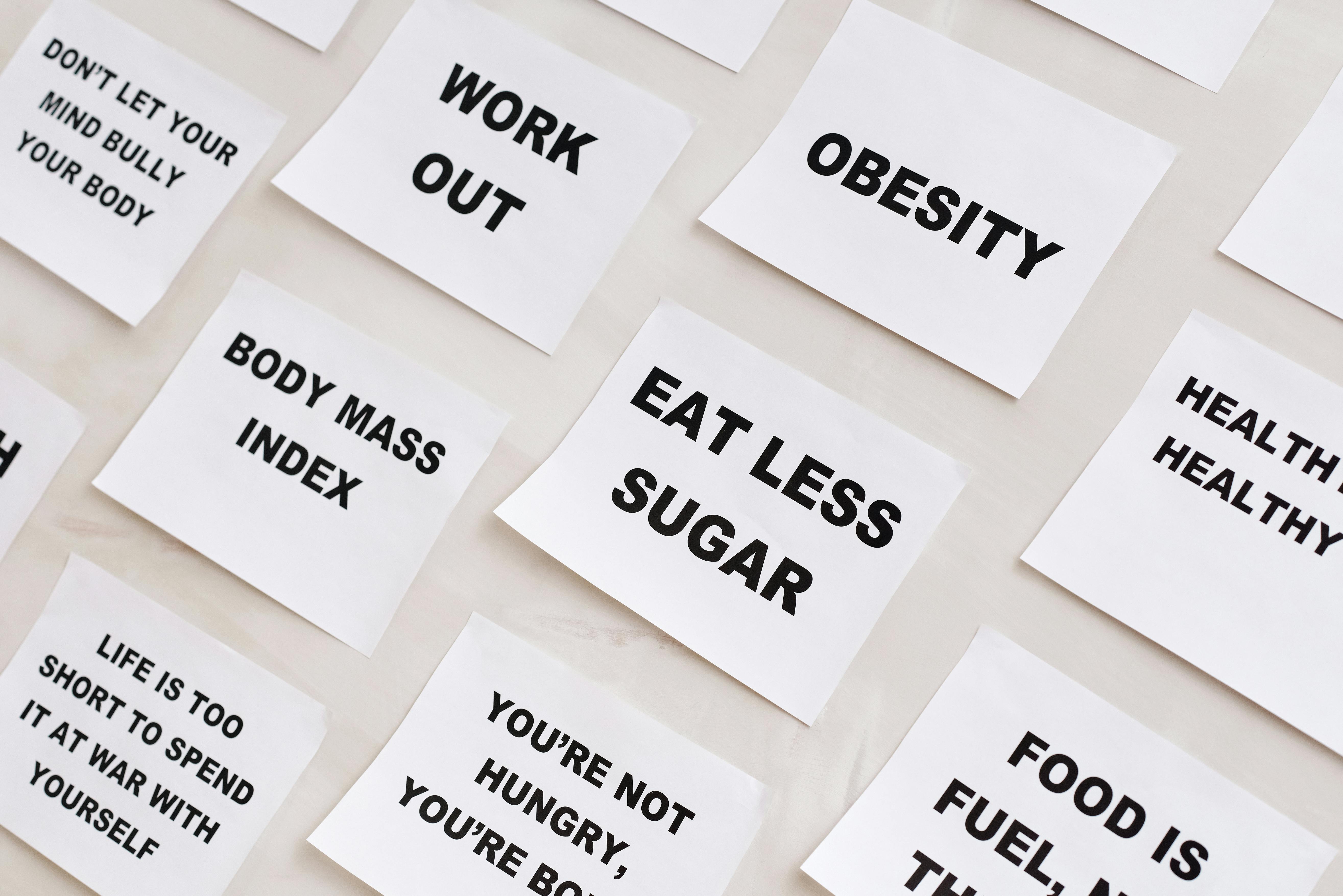
Core Benefits and Importance
The big benefit of exercise science is that it turns guesswork into repeatable practice. That sounds dull. It is not. Repeatable works.
- Stronger muscles and bones: Resistance training improves force production, preserves lean mass, and supports bone density. That matters at every age, not just when someone starts complaining about stairs.
- Better cardiometabolic health: Regular activity improves blood pressure, insulin sensitivity, lipid markers, and resting heart rate. These are not trendy metrics. They are survival metrics.
- Improved body composition: Calories matter, yes, but body composition improves best when training and nutrition cooperate. The old “eat less, move more” slogan is technically true and practically lazy if applied without detail.
- Enhanced recovery: Sleep, protein, hydration, and load management reduce fatigue and improve adaptation. Recovery is not a luxury. It is part of the program.
- Mental clarity and mood support: Exercise can reduce symptoms of anxiety and depression for many people, while also improving self-efficacy. That does not mean it fixes everything. It does mean movement is powerful.
- Better aging: Mobility, balance, strength, and aerobic fitness reduce fall risk and preserve independence. Translation: you keep doing your own life.
- Smarter spending: Real training and food plans cost less than endless supplements, gadgets, and miracle services. Bluntly, most “wellness” products are expensive distractions.
I am skeptical of any system that promises total balance while ignoring basic physiology. When I analyzed training habits that actually held up over time, the winners were boring: progressive overload, enough protein, and consistent sleep. Not mystical. Just effective.
The other advantage is moral as much as physical. A healthy body is not worshiped, but it is cared for. That fits an older idea most modern self-help content forgets: your health is a gift to steward, not a toy to abuse or a marketing funnel to monetize. Balance matters. Moderation matters. So does truth.
For more on the nutrition side, the CDC healthy eating basics give a straightforward framework, and the NHS Eatwell Guide offers a practical plate model without the usual online circus.
Step-by-Step Implementation Guide
This is where people usually get sloppy. The plan is not complicated. The execution is the hard part.
- Set one clear goal — Pick strength, fat loss, muscle gain, endurance, or general health. Not six goals. One main target. I’ve seen too many programs fail because they tried to be everything at once.
- Build around the basics — Use strength training 2-4 times per week, cardio 2-4 times per week, and daily movement such as walking. Strength training protects muscle and bone. Cardio protects the heart. Walking keeps the whole thing from becoming a spreadsheet fantasy.
- Use progressive overload — Add reps, load, sets, or better form over time. If nothing changes, nothing adapts. That is not a motivational quote. It is biology.
- Set protein and calorie targets — Most active adults do well with adequate protein spread across the day. The exact amount depends on goals, size, and training load. If fat loss is the goal, a moderate calorie deficit usually works better than crash dieting. Crash diets are how people get weaker and crankier.
- Schedule recovery like it matters — Sleep 7-9 hours when possible, keep stress management simple, and avoid piling hard sessions on top of hard sessions forever. Recovery is where adaptation happens. The workout is only the stimulus.
- Track a few numbers — Body weight, waist measurement, training loads, sleep hours, and step count are enough for most people. You do not need a ring that measures your aura.
- Review every 2-4 weeks — If progress stalls, adjust one variable at a time. More food, less food, different exercise selection, more rest, or a better schedule. Change one thing. Then measure.
- Ignore pseudoscience disguised as wellness — Reflexology and reiki may feel relaxing, but relaxation is not the same as treatment. There is a huge gap between “this is pleasant” and “this improves health outcomes.” If a service claims to replace medical care, that is a red flag, not a breakthrough.
A useful structure is to anchor the week with compound lifts, two cardio sessions, and one or two mobility blocks. Then layer nutrition around the training. For a deeper look at training variables, see the exercise physiology overview from NCBI. It is not flashy, which is exactly why it is useful.

Comparison Table
The biggest competitor to evidence-based exercise science is not another school of training. It is pseudoscience packaged as wellness.
| Topic | Evidence-Based Exercise Science | Pseudoscience Wellness Claims |
|---|
| Basis | Physiology, trials, measurable outcomes | Anecdote, testimonials, vague language |
| Results | Gradual, trackable improvements | Unclear, subjective, inconsistent |
| Safety | Load managed, risks considered | Often untested or overstated |
| Nutrition | Protein, energy balance, micronutrients | “Detoxes,” energy shifts, restriction rituals |
| Recovery | Sleep, rest, deloads, stress control | Rituals with little objective evidence |
| Best use | Strength, health, performance, longevity | Comfort, relaxation, entertainment |
| Cost | Usually low to moderate | Can become absurdly expensive |
Here’s the truth. A plan does not need to be sexy to work. It needs to be repeatable, measurable, and safe. That is where real training leaves fake wellness in the dust.
Common Mistakes to Avoid
People make the same mistakes because marketing keeps feeding them the same nonsense. Amazing, really.
- Chasing novelty instead of consistency: The newest routine is rarely the best one. Most people need a plan they can repeat for months, not a circus act they can brag about once.
- Ignoring protein: If you train hard but under-eat protein, recovery and muscle gain suffer. Period.
- Doing too much cardio or too much lifting at once: More is not always better. It is often just more tired.
- Treating sleep like optional wallpaper: Poor sleep ruins appetite control, performance, and mood.
- Believing wellness branding over evidence: Words like “holistic” and “ancient” can hide weak claims. Ask for data.
- Mixing relaxation with treatment: Something can feel calming and still fail to improve health outcomes.
- Buying every supplement: If your diet is poor, supplements are expensive bandages.
I’ve tested enough diet and training fads to know the pattern. They usually begin with a dramatic promise, add a few buzzwords, and end with disappointment. Most fitness advice is bro-science nonsense dressed in nicer clothes. The reliable stuff is annoyingly plain: lift, walk, eat real food, sleep, repeat.
The public policy angle matters too. If legislatures label reflexology or reiki practitioners as health care professionals, people may assume evidence where there is none. That can blur the line between licensed medical care, which carries standards and accountability, and services that may be harmless but are not proven treatments. Precision matters here. So does honesty.
For reputable guidance on activity and nutrition, the Mayo Clinic healthy lifestyle resources are a better bet than social media gurus with lighting rigs.
Frequently Asked Questions
What is the most effective workout method for overall health?
A combination of strength training, cardio, and daily movement is best for most adults. That mix supports muscle, heart health, and longevity. Specialization comes later.
How much protein do I need?
Needs vary by body size, age, and training load. Many active adults benefit from a higher intake than sedentary people. The safest move is to distribute protein across meals rather than cram it all into dinner.
Are reiki and reflexology effective medical treatments?
They may feel relaxing, but they are not established substitutes for evidence-based medical care. Relaxation is nice. Treatment requires proof.
What matters more, diet or exercise?
Both matter, but for fat loss, nutrition often drives the biggest change. For health and function, training and daily movement are essential. The adult answer is “both,” not “pick a camp.”
Final Thought
The fitness industry loves drama. Science does not. That is part of why exercise science, nutrition, training methodology, and wellness can feel underwhelming at first glance. No miracle powder. No secret pressure point. No mystical hand wave. Just the ordinary work of training hard enough, eating sensibly, resting properly, and staying honest about what helps and what merely soothes.
That honesty matters more than people admit. If a lawmaker calls a non-evidence-based practice “health care,” the public may assume it belongs beside licensed medicine. If a company calls a wellness ritual “scientific,” customers may think it has passed tests it never took. And if a person confuses calm feelings with real recovery, injury and fatigue eventually collect the bill. Bodies are not abstract. They bruise, adapt, heal, and age.
When I look at the programs that endure, they all respect limits. They fit real schedules. They use measurable progress. They leave room for rest, because human beings are not machines and are not meant to be pushed like they are disposable. That is good science, yes, but it also reflects a more human sense of stewardship: care for the body without vanity, and without the foolishness of treating a comforting ritual as medicine. Work the basics. Dismiss the smoke. Stay consistent.