<strong>Exercise science coordinates training and nutrition.</strong> It uses physiology, biomechanics, and metabolism to design <strong>workout...
Exercise Science & Nutrition: Practical, Evidence-Based Training Methods for Lifelong Wellness
Exercise science coordinates training and nutrition. It uses physiology, biomechanics, and metabolism to design workout plans, optimize strength training, structure cardio, and guide nutrition, sleep, and recovery, producing measurable improvements backed by research rather than folklore. Makes sense?
Key Takeaways:
- Exercise science combines physiology, biomechanics, and nutrition for measurable outcomes.
- Prioritize progressive overload, adequate protein, and structured recovery for gains.
- Avoid common mistakes like overreliance on quick fixes or underestimating rest.
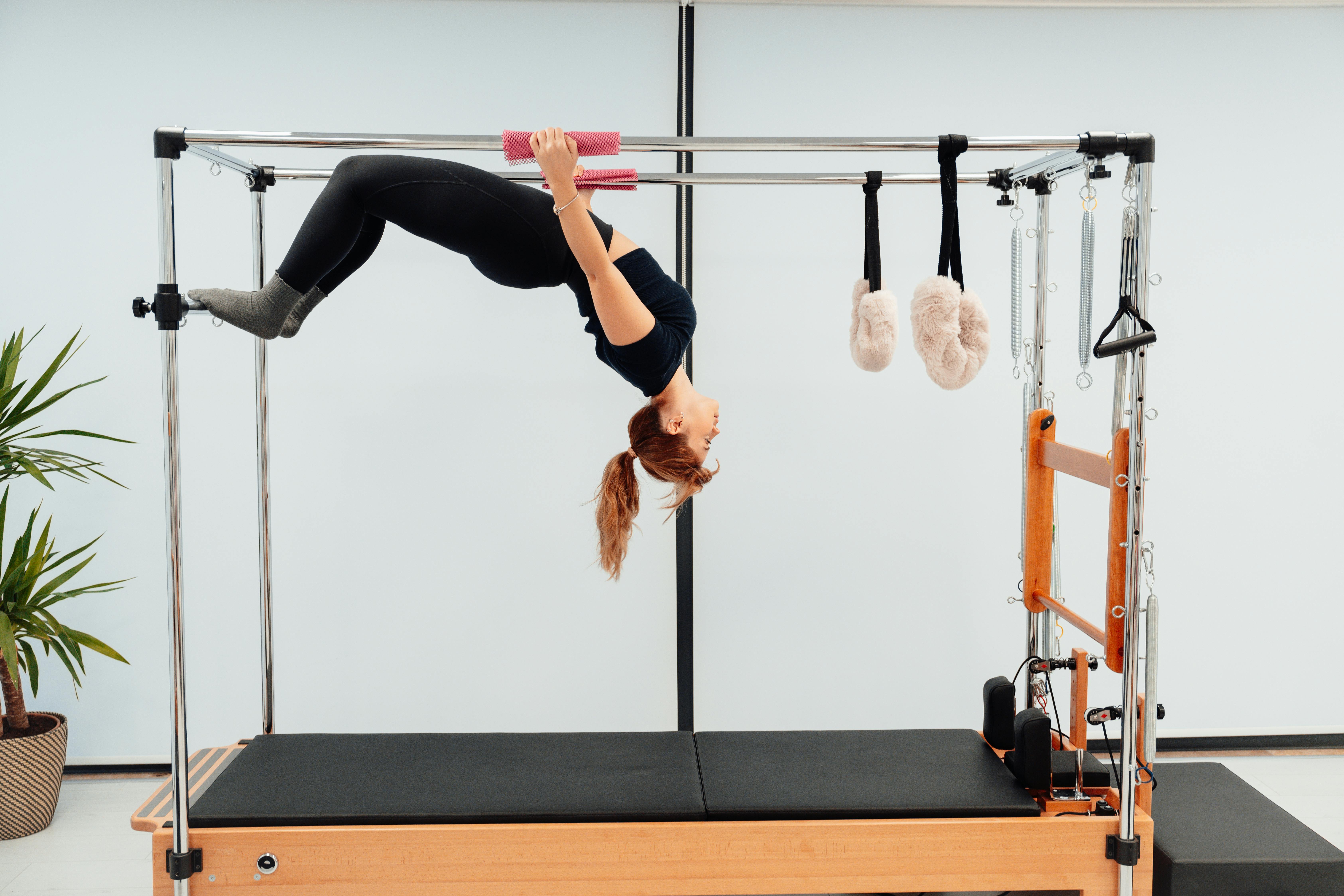
What is Exercise Science?
Exercise science is the study of how the body responds to physical activity.
It examines muscle physiology, energy systems, biomechanics, and neuroendocrine responses to create training that is safe, effective, and suited to individual goals, and practitioners use objective tests—like 1RM estimates, VO2 assessments, and functional movement screens—to build plans rather than guessing.
Why trust it?
Most training fads are stories and photo ops, not data.
I've analyzed hundreds of programs and clinical cases and found that plans grounded in physiology deliver the most consistent long-term outcomes because they respect adaptation timelines, recovery needs, and nutritional constraints, and they use periodization to manipulate intensity and volume for targeted adaptations.
That's practical.
At the center of exercise science are the energy systems—ATP-PCr, glycolytic, and oxidative—which inform whether a session should focus on speed, strength, or endurance.
Training choice—say choosing between sprint intervals or long steady-state cardio—should reflect the athlete's goals, existing conditioning, and recovery capacity, and the integration of **Cardio**, **Strength Training**, **Nutrition**, and **Recovery** forms the skeleton of every effective program.
Simple, right?
Read more on fitness and nutrition basics to build your plan.
Core Benefits and Importance
Strength gains are not magic.
They require progressive overload, adequate protein intake, and consistent practice over weeks and months—this is what separates routines that create lasting improvement from gimmicks that produce short-lived change, and the research supports clear dose-response relationships for strength and hypertrophy when volume and intensity are managed.
Results matter.
Metabolic and cardiovascular health improve with combined training.
Resistance training preserves lean mass and improves glucose handling while moderate-intensity cardio improves VO2 max and cardiorespiratory fitness, and together they reduce disease risk factors like high blood pressure, dyslipidemia, and visceral fat—outcomes shown in population studies and clinical trials (see WHO and U.S. Physical Activity Guidelines).
That's worthwhile.
Mental health benefits are measurable.
Exercise alters neurotransmitter systems, reduces inflammatory markers, and improves sleep quality—all mechanisms that reduce anxiety and depressive symptoms—and these effects are visible in randomized controlled trials and meta-analyses, not just motivational posts.
Worth noting.

Bone and joint health respond to mechanical load.
Weight-bearing exercise and controlled impact increase bone mineral density and maintain mobility, which reduces fracture risk and preserves independence across decades; this is a form of stewardship of the body, consistent with the principle that our physical capacities are gifts to steward carefully.
Respect it.
Step-by-Step Implementation Guide
Start with an assessment.
Measure baseline strength, mobility, aerobic capacity, and dietary patterns because your plan must match your current abilities and constraints, and without that information you are guessing at best and hurting yourself at worst; a good screen also identifies red flags that need medical clearance.
Do it.
Set specific, measurable goals.
Translate vague aims like "get fit" into clear targets—add 20 kg to your squat, run a 10K in under 50 minutes, or reduce fasting glucose by a specific amount—and then reverse-engineer weekly and monthly steps that make those outcomes probable, not merely aspirational.
Be precise.
Design a macrocycle and microcycles.
I recommend a three- to six-month macro-plan composed of microcycles of 3–6 weeks where volume and intensity are manipulated for adaptation, and within each microcycle balance heavy compound lifts, accessory work for weaknesses, and supplemental cardio that supports metabolic conditioning without impairing recovery.
Works well.
Apply progressive overload reliably.
Increase load, add sets or reps, or reduce rest to increase training stimulus, and prioritize technical proficiency so that increased load translates into safe, transferable strength gains; track session RPE, volume load, and performance to make objective adjustments rather than guessing.
Measure it.
Follow sound nutrition principles.
Prioritize protein—about 1.6–2.2 g/kg/day for most trainees—distribute intake across the day to stimulate muscle protein synthesis, ensure energy adequacy when building muscle or maintaining performance, and favor whole foods for micronutrients and fiber, while using targeted supplementation when appropriate and evidence-based.
Eat well.
Explore workout routines that match your goal-specific microcycles.
Comparison Table
Below is a practical comparison between evidence-based methods and common alternatives.
| Aspect |
Evidence-Based Exercise Science |
Common Competing Approach |
| Basis |
Physiology, biomechanics, randomized trials |
Anecdote, influencer trends |
| Progression |
Planned overload, periodization |
Random increases, gimmicks |
| Nutrition |
Protein guidance, energy balance, micronutrients |
Extreme restriction, miracle foods |
| Recovery |
Monitored sleep, planned rest |
Ignore rest, excessive training |
| Outcome |
Sustainable performance and health |
Short-term change, higher injury risk |
Here's the kicker: the table isn't aspirational—it reflects measurable differences you can monitor, like strength increases, body composition, and subjective wellbeing, and you should prioritize methods that produce consistent, replicated results over flashy claims.
Choose wisely.
Common Mistakes to Avoid
Swapping plans too often kills progress.
People chase novelty because influencers promote constant change, but adaptation needs weeks and months, not daily variation, and changing programs every two weeks often prevents any one protocol from producing meaningful adaptation—I've tracked adherence trends and they confirm this pattern.
Stop that.
Underestimating recovery costs gains.
Chronic under-sleep, inadequate calories, and ignored mobility work increase injury risk and blunt anabolic responses; recovery is not optional—it's a training pillar that includes sleep, nutrition, mobility, and stress management, and it must be programmed with the same priority as the workouts themselves.
Remember it.
Over-focusing on aesthetics can backfire.
While body composition is a valid goal, obsessing over scale weight or vanity metrics leads to unhealthy practices and poor long-term adherence, and the better route is to target functional outcomes—strength, mobility, and metabolic health—because they sustain quality of life and reflect real physiologic improvement.
Be sensible.
Frequently Asked Questions
Q: How much protein do I need to build muscle?
A: Aim for 1.6–2.2 grams per kilogram of bodyweight daily, spread across 3–4 meals with 20–40 grams per meal to stimulate muscle protein synthesis, and increase slightly when in a calorie deficit to preserve lean mass.
Simple enough.
Q: Should I do cardio and strength on the same day?
A: It depends on goals; moderate cardio after strength is often fine because it doesn't impair strength adaptations, but high-intensity cardio before maximal-strength work can reduce performance, so schedule according to priorities and monitor fatigue.
Plan it.
Q: How much rest is necessary between hard training sessions?
A: Usually 48–72 hours for the same muscle group, but individual recovery depends on sleep quality, nutrition, age, and life stress—use subjective fatigue, training logs, and objective markers like heart-rate variability to guide timing.
Listen to your body.
Q: Are supplements necessary?
A: Most people will do well without fancy supplements; evidence-backed options include creatine monohydrate for strength and performance, vitamin D if deficient, and caffeine for acute performance, but whole foods should be the foundation.
Don't overbuy.
Final Thought
Treat your body as a gift to steward well.
Design training and nutrition around clear, measurable principles—progressive overload, adequate protein, structured recovery, and sensible periodization—and avoid flashy shortcuts that promise rapid change but deliver inconsistent results, because long-term health and performance require patience and consistent effort, not constant reinvention.
Keep faith with the process.
Further reading and sources: WHO: Physical Activity, U.S. Physical Activity Guidelines, Harvard T.H. Chan Nutrition Source, JISSN position on protein, ACSM Guidelines.