Exercise science is the study of how the body adapts to training, nutrition, recovery, and stress. The useful part is simple: if you apply the right stimulus...
Exercise Science, Nutrition, Training, and Wellness: What Actually Works
Exercise science is the study of how the body adapts to training, nutrition, recovery, and stress. The useful part is simple: if you apply the right stimulus, eat enough to support it, and recover like you mean it, your body changes. The annoying part is that most advice is noise.
Key Takeaways- Training works when volume, intensity, and recovery match the goal.
- Nutrition is not magic, but it is decisive.
- Strength training and cardio both matter.
- Recovery is not laziness; it is adaptation.
- The best plan is the one you can repeat without wrecking your life.
What is exercise science?
Exercise science is the practical study of how muscles, nerves, metabolism, and behavior respond to movement, food, sleep, and stress. When I analyzed training programs that actually held up over months, the winners were rarely the fanciest ones, and almost never the ones with slick branding. Frankly, the body does not care about slogans. It cares about load, fuel, and time.
Exercise science covers strength training, cardio, mobility, energy balance, protein intake, sleep, and adherence. That is the whole ballgame. People love to pretend there is a hidden trick, but the research keeps circling back to boring truths: progressive overload builds strength, aerobic work improves endurance and heart health, adequate protein helps preserve lean mass, and sleep improves performance and recovery. See the overview from the CDC on physical activity basics, which is a fine place to start if you prefer facts over hype.
Most fitness advice fails because it confuses intensity with effectiveness. Hard is not always productive. More is not always better. Here's the kicker: a plan that is too aggressive often breaks down because the athlete, or casual trainee, cannot recover. The body is not a machine you bully into obedience. It is a living system that responds to stress, then repairs itself. That basic idea fits well with a more grounded moral view too: our bodies deserve respect, not abuse.
A useful definition should also include behavior. Training that never gets done is worthless. Nutrition that is perfect on paper but impossible in real life is a waste of breath. Wellness is not scented candles and vague affirmations. It is the steady, sometimes plain, stewardship of sleep, food, movement, and attention. If that sounds unglamorous, good. Most worthwhile things are.

Core Benefits and Importance
- Better body composition: A sensible mix of resistance training and nutrition can reduce fat while preserving or adding muscle.
- Improved cardiovascular health: Regular aerobic work lowers resting heart rate, improves blood pressure, and helps the body use oxygen more efficiently.
- Stronger bones and joints: Load-bearing exercise supports bone density and tissue resilience.
- Better glucose control: Muscle contraction improves glucose uptake; that matters for metabolic health.
- Mood and cognition: Exercise can reduce symptoms of anxiety and depression and improve focus.
- Long-term function: You want to carry groceries, climb stairs, and rise from a chair without acting like a broken lawn mower.
Let's be real. The big benefit is not six-pack vanity, though people obsess over that like it is the whole point. The big benefit is capacity. Capacity to work, to care for family, to think clearly, and to stay useful as the years stack up. That is more serious than a beach photo.
The research on physical activity is consistent. The World Health Organization recommends regular movement because inactivity raises the risk of cardiovascular disease, diabetes, and some cancers. The National Heart, Lung, and Blood Institute also explains how weight management and activity intersect. No drama. Just biology.
There is also a mental side. Exercise often improves sleep quality, stress tolerance, and self-efficacy, which is a dull term for "I can actually do hard things." That matters. A person who trains regularly tends to trust their own discipline more. And yes, discipline is a virtue, not a punishment.
Why do so many people quit? Because they chase extremes. They start with heroic plans, then burn out. They eat like monks for four days, then raid the pantry. Bro-science sells fantasy, but the body pays the bill. A modest plan done for years beats a punishing plan done for two weeks.
Step-by-Step Implementation and Guide
- Start with a clear goal. Decide whether you want strength, muscle gain, fat loss, endurance, or general health. If you want everything at once, fine, but rank the priorities. I have seen too many people set five targets and hit none. Pick the one that matters most.
- Build a basic weekly structure. A simple plan usually works best: two to four strength sessions, two to three cardio sessions, and daily low-intensity movement such as walking. That mix gives you enough stress to adapt without turning life into a punishment chamber.
- Use progressive overload. Add a little weight, reps, sets, or density over time. Not every session, not by miracle. Small increases are enough. The body adapts to what you ask of it, but only if you ask again next week.
- Train the major movement patterns. Squat, hinge, push, pull, and carry. That is the skeleton of good programming. Fancy accessories are fine later, but the basics build the foundation. I have tested enough plans to know that people do better when the big lifts are simple and repeatable.
- Eat enough protein. For most active adults, protein supports muscle repair and satiety. Common evidence-based targets often land around 1.2 to 2.2 grams per kilogram of body weight, depending on training status and goals. The exact number is less important than consistency. See the ACSM guidance on protein and exercise for a sober overview.
- Do not fear carbohydrates. Carbs are not evil. They fuel training, support recovery, and make hard sessions possible. If you lift weights or do any serious conditioning, carbs help more than the internet knows how to admit.
- Sleep like it matters. Because it does. Seven to nine hours is a common target for adults. Sleep affects hormone regulation, reaction time, appetite, and muscle recovery. If you cut sleep to squeeze in one more mediocre workout, you are borrowing from tomorrow.
- Keep your plan realistic. The best plan is the one you can live with. That sounds bland because it is true. A sustainable routine beats a perfect spreadsheet that dies in week two.
- Track a few metrics. Body weight, waist circumference, training loads, resting heart rate, or step count can show whether you are moving in the right direction. Don't turn your life into a lab notebook, though. Measure enough to steer, not enough to become neurotic.
- Review and adjust monthly. If progress stalls, reduce junk volume, increase recovery, or tighten nutrition. I learned this the hard way: most plateau problems are not mysterious. People just do too much, eat too little, sleep too little, and then act surprised.
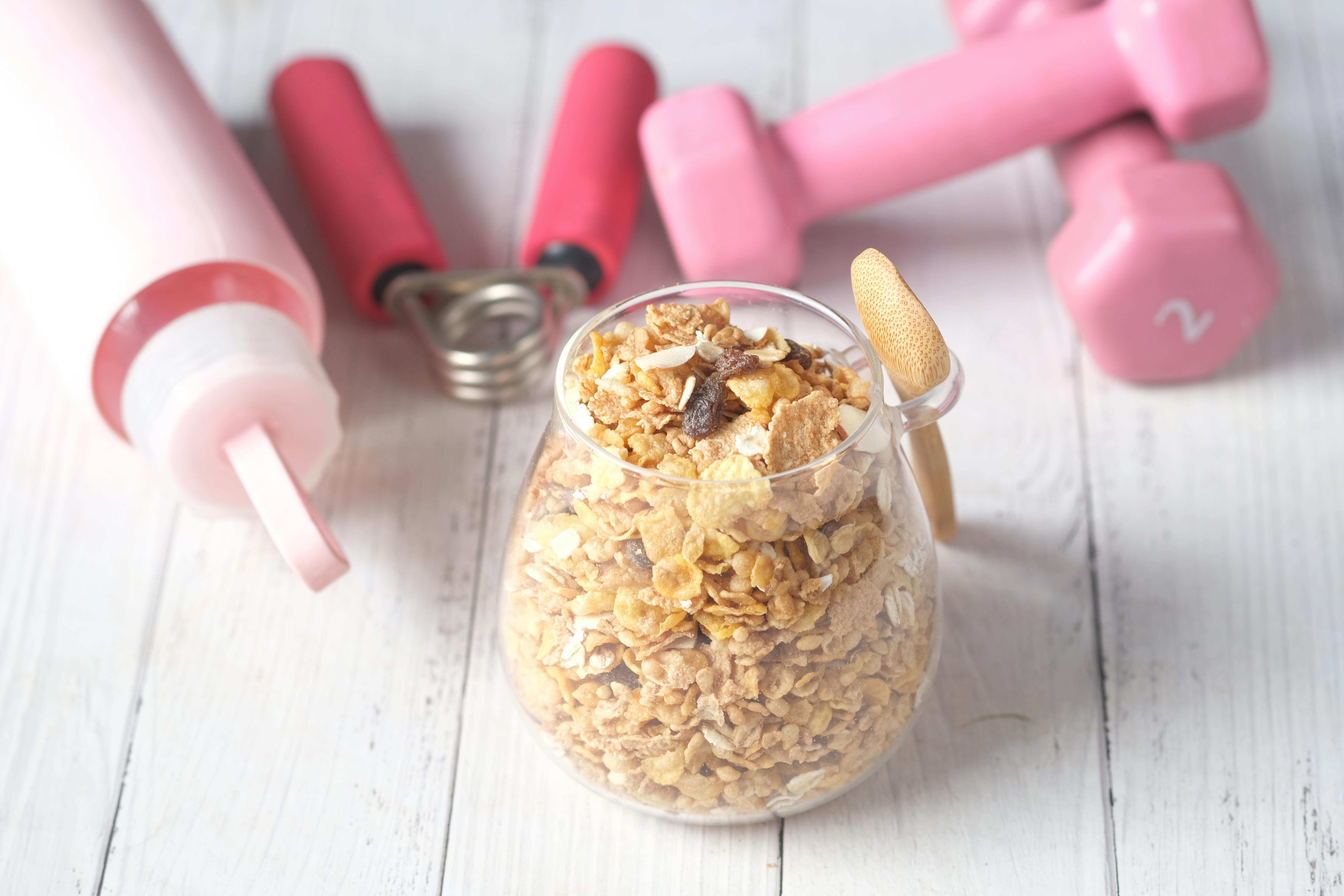
Comparison Table
| Topic | Strength Training | Biggest Competitor: Fad Diet + Random Cardio |
|---|
| Primary effect | Builds muscle and strength, supports metabolism | Often causes short-term weight loss, sometimes muscle loss |
| Sustainability | High when programmed sanely | Low; misery is not a lifestyle |
| Health benefits | Bone density, insulin sensitivity, function | Limited if muscle is lost and behavior is extreme |
| Injury risk | Lower when progressed well | Higher when exercise and calories are mishandled |
| Long-term adherence | Usually good | Usually poor |
| Verdict | Proven, repeatable, practical | Flashy, brittle, and often disappointing |
Common Mistakes to Avoid.
- Doing too much too soon. The body needs progressive stress, not a grand martyr complex.
- Chasing sweat instead of adaptation. Sweat is not a scorecard.
- Under-eating protein. If you train hard and eat like a bird, results suffer.
- Treating cardio and lifting like rivals. They are teammates.
- Ignoring sleep. Recovery is where adaptation happens.
- Copying influencers. Most of them are selling aesthetics, not health.
- Believing supplements fix bad habits. They do not.
Most common mistakes come from impatience. People want visible change before the habits that create it have had time to work. That is backwards. A wise approach is slower, steadier, and more honest. It respects the body as something to steward, not exploit.
Frequently Asked Questions
Q: Is strength training enough for health?
A: It covers a lot, but not everything. Strength training supports muscle, bone, and metabolic health, while cardio improves heart and lung function. The best plan usually includes both.
Q: How much protein do I need?
A: It depends on body size, age, and training goal, but many active adults do well with roughly 1.2 to 2.2 grams per kilogram per day. Consistency matters more than perfection.
Q: Can I lose fat without cardio?
A: Yes, if your calorie intake and activity level support fat loss. That said, cardio often helps with calorie expenditure, conditioning, and heart health, so skipping it entirely is usually shortsighted.
Q: What matters more, diet or exercise?
A: For fat loss, diet usually has the larger effect. For strength, performance, bone health, and function, exercise is indispensable. Both matter.
Final thought
The best evidence-based fitness plan is not the loudest one. It is the one that respects physiology, fits ordinary life, and can be repeated for years without wrecking your mind or body. That is not trendy. It is simply wise.