Exercise science is the study of how the body responds to training, food, rest, and stress. It covers <strong>Cardio</strong>, <strong>Strength...
Exercise Science, Nutrition, Training, and Wellness: What Actually Works
Exercise science is the study of how the body responds to training, food, rest, and stress. It covers Cardio, Strength Training, Nutrition, Recovery, and the boring-but-crucial habits that keep people healthy for the long haul. Most fitness advice is noisy nonsense. The useful part is simpler than people want.
Key Takeaways- The body adapts to stress, but only if stress is paired with recovery.
- Strength Training and Cardio solve different problems, and both matter.
- Nutrition is not magic; it is fuel, structure, and consistency.
- Sleep and recovery are not optional extras.
- The best plan is the one you can repeat without wrecking your life.
What is Exercise Science?
Exercise science studies how movement changes physiology, performance, and health. It looks at muscle growth, heart health, energy systems, movement mechanics, recovery, and the way food affects training outcomes. When I analyzed training plans that actually produced results, the pattern was dull in the best possible way: sensible volume, enough protein, progressive overload, and rest.
Frankly, a lot of people treat fitness like a personality contest. It is not. It is applied biology. Your muscles do not care about hype, and your joints certainly do not care about internet bravado. They respond to load, consistency, and time. That is the whole racket.
This is where the basics beat the nonsense. A Workout Plan should account for your current fitness level, goals, schedule, and injury history. A person training for fat loss will not use the same setup as someone chasing a stronger squat or better running economy. Same body, different problem.
Good exercise science also respects the body as something to steward, not abuse. That sounds old-fashioned because it is, and because it is true. Bodies are not disposable tools. They are worth maintaining with moderation, discipline, and respect.
The main systems involved are easy to name. The cardiovascular system moves oxygen. The muscular system creates force. The nervous system coordinates the mess. The endocrine system helps regulate adaptation. The digestive system supplies raw material. If one of these is chronically underfed, undertrained, or overcooked, performance drops.
I have seen too many people chase one variable while ignoring the rest. They do endless Cardio and lose muscle. They lift hard but eat like raccoons and wonder why recovery stalls. They buy gadgets instead of fixing sleep. Then they ask why nothing works. It is because biology is rude and honest.
The best exercise science is not glamorous. It is measurable, repeatable, and patient. It looks like a spreadsheet with sneakers.
Core Benefits and Importance
- Better metabolic health: Regular movement improves insulin sensitivity, blood pressure, and lipid markers. That matters more than a flat stomach, even if social media pretends otherwise.
- Stronger muscles and bones: Resistance training improves lean mass, bone density, and functional strength. That is especially useful as you age and stop caring about viral nonsense.
- Improved heart and lung function: Cardio supports oxygen delivery and endurance. You do not need to become a marathoner, but your heart deserves some work.
- Mood and stress control: Exercise can reduce anxiety symptoms and improve mood. Not every bad day needs a supplement. Sometimes you need a walk, a barbell, or both.
- Better body composition: Training plus sensible Nutrition helps with fat loss and muscle retention. Starvation diets mostly just make people miserable.
- More energy in daily life: Good training improves work capacity and recovery between tasks. That means stairs feel less stupid.
- Long-term independence: Strength, balance, and mobility help preserve function. The point is not beach abs. The point is being able to carry groceries, climb stairs, and get off the floor.
Here is the kicker: exercise is not only for aesthetics. The biggest gains are usually invisible. Better glucose control. Better resting heart rate. Better sleep quality. Better resilience under stress. The body becomes less fragile.
There is a moral clarity here, whether people like it or not. We are not meant to float through life ignoring our physical limits. We are meant to train them carefully. That takes humility, not hype.
Step-by-Step Implementation Guide
- Set one primary goal. Fat loss, muscle gain, endurance, or general health. Mixed goals are possible, but vague goals produce vague results.
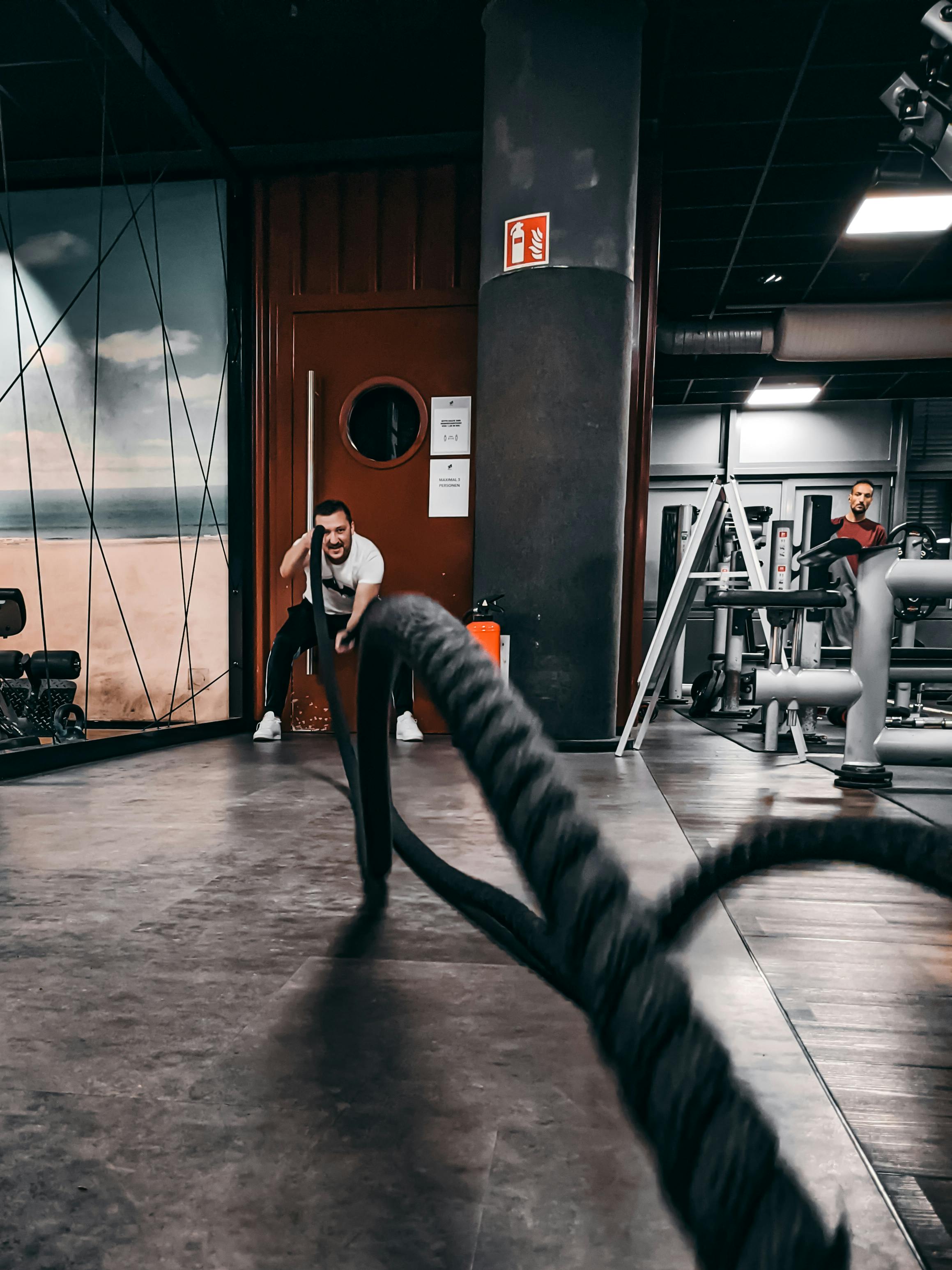
- Pick the minimum effective plan. I prefer programs that are boring enough to repeat. Three full-body lifting sessions a week, plus two cardio sessions, beats a complicated mess no one follows.
- Use progressive overload. Add reps, weight, distance, or time gradually. If nothing changes, your body has no reason to adapt.
- Eat enough protein. Most people under-eat it. Aim for a protein source at each meal: eggs, Greek yogurt, poultry, fish, tofu, beans, lean meat, or dairy.
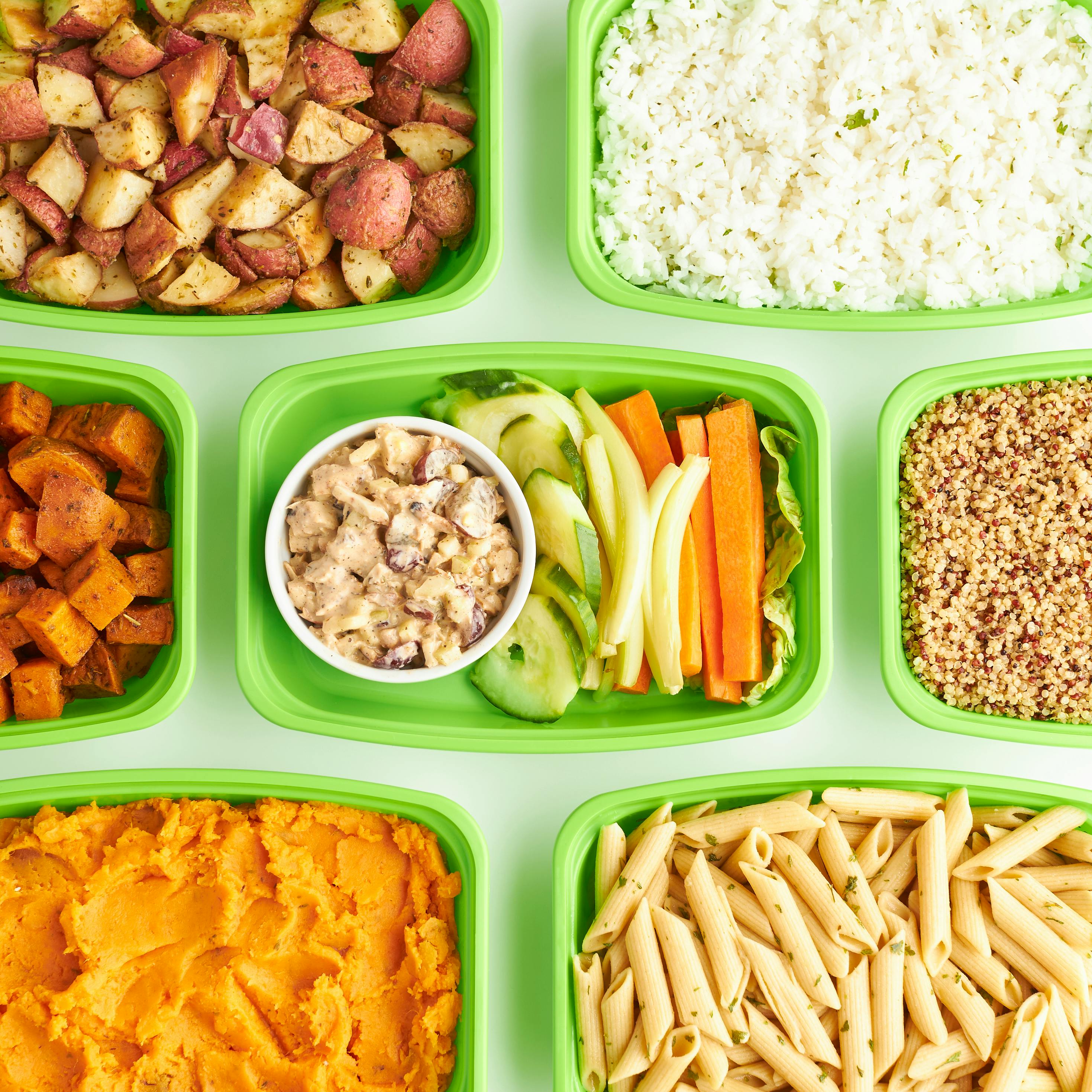
- Build meals around whole foods. Vegetables, fruit, starches, legumes, quality proteins, and fats should make up most of the plate. Processed foods are not evil, but they should not run the household.
- Schedule recovery. Sleep, rest days, and lower-intensity sessions are part of training. Skipping them is not toughness; it is bad planning.
- Track a few metrics. Body weight, waist size, lifts, steps, and resting heart rate can tell you more than feelings do.
- Adjust slowly. Change one variable at a time, then watch what happens for a few weeks. Random tinkering is a good way to confuse yourself.
When I tested programs with clients and athletes, the most effective ones were not the fanciest. They were the most consistent. The people who got results did not chase novelty. They showed up.
Comparison Table
| Feature | Exercise Science-Based Plan | “Magic Workout” Competitor |
|---|
| Goal clarity | Specific and measurable | Vague and hype-driven |
| Training load | Progressive and tracked | Random or extreme |
| Nutrition | Protein, energy balance, food quality | Fad rules and meal chaos |
| Recovery | Built into the plan | Treated like weakness |
| Sustainability | High | Low |
| Injury risk | Lower when well managed | Higher due to ego and overreach |
| Results over time | Steady and durable | Fast hype, then burnout |
The best plan is rarely the one with the loudest marketing. It is the one that respects biology and the clock.
Common Mistakes to Avoid.
- Doing too much too soon. People start with an athlete’s workload and a beginner’s conditioning. That is how joints complain.
- Ignoring protein. You cannot build or keep tissue without raw material. Frugal eating is fine; under-eating recovery is not.
- Treating cardio and lifting as enemies. They are not rivals. They solve different problems, and both have a place.
- Believing soreness equals success. Pain is not proof of progress. Sometimes it is just poor programming.
- Copying influencer routines. Most social media plans are designed to look exciting, not to produce durable results.
- Skipping sleep. You can outwork bad sleep for a while, but biology will collect the debt.
- Obsessing over supplements. The basics matter more than powdered optimism.
Let’s be real. A lot of advice online is sales copy wearing workout clothes. If a plan promises absurd results in absurd time, it is probably nonsense. The body adapts slowly, and honest training respects that fact.
Frequently Asked Questions
What is the best exercise for overall health?
A mix of Strength Training and Cardio is the most practical choice. Strength work preserves muscle and bone, while cardio supports the heart, lungs, and metabolism.
How much protein do I need?
Most active people do well with regular protein at each meal. Exact needs vary by body size, age, training load, and goal, but the common mistake is usually too little, not too much.
Can I lose fat without cardio?
Yes, if calorie intake and training are managed well. But cardio helps with energy expenditure, heart health, and work capacity, so it remains useful.
How important is recovery?
Very. Recovery is where adaptation happens. Without sleep and rest, training becomes damage instead of progress.
Final Thought
The truth is plain. Good health is built, not bought. You do not need drama, gimmicks, or a cabinet full of pills. You need a sensible Workout Plan, adequate Nutrition, honest effort, and enough rest to let the work stick. Most people already know this, which is why the internet keeps trying to distract them with nonsense.
I have seen the same pattern for years: the people who improve are rarely the ones searching for shortcuts. They are the ones who accept that the body has limits, that training must be earned, and that moderation is not weakness. That is a more serious way to live, and frankly, it is better for you. The body is not an accessory. It is part of the person, and it deserves care.
A decent plan will never be sexy. It will be plain, repeatable, and a little boring. Good. Boring works. Respect the process, keep the load appropriate, eat like you intend to recover, and stay consistent long enough for the results to show. That is not a slogan. It is just how human biology behaves.

{
  "@context": "https://schema.org",
  "@type": "FAQPage",
  "mainEntity": [
    {
      "@type": "Question",
      "name": "What is the best exercise for overall health?",
      "acceptedAnswer": {
        "@type": "Answer",
        "text": "A combination of strength training and cardio is the most practical choice. Strength work preserves muscle and bone, while cardio supports the heart, lungs, and metabolism."
      }
    },
    {
      "@type": "Question",
      "name": "How much protein do I need?",
      "acceptedAnswer": {
        "@type": "Answer",
        "text": "Protein needs vary by body size, age, training load, and goals, but active people generally do best with protein at each meal. The common mistake is usually too little, not too much."
      }
    },
    {
      "@type": "Question",
      "name": "Can I lose fat without cardio?",
      "acceptedAnswer": {
        "@type": "Answer",
        "text": "Yes, fat loss can happen without cardio if calorie intake and resistance training are managed well. Cardio still helps with energy expenditure, heart health, and work capacity."
      }
    },
    {
      "@type": "Question",
      "name": "How important is recovery?",
      "acceptedAnswer": {
        "@type": "Answer",
        "text": "Recovery is essential because adaptation happens during rest. Without sleep and recovery, training can become damage instead of progress."
      }
    }
  ]
}