Exercise science is the study of how the body adapts to movement, food, stress, and recovery, and that is the whole ballgame. If you want real progress, you...
Exercise Science, Nutrition, Training, and Wellness: What Actually Works
Exercise science is the study of how the body adapts to movement, food, stress, and recovery, and that is the whole ballgame. If you want real progress, you need more than sweat and slogans—you need training that fits your body, nutrition that supports it, and recovery that keeps the machine from breaking down. Most fitness advice is noisy nonsense. The basics still win.
Key Takeaways
- Exercise science explains how strength, endurance, mobility, and recovery change the body over time.
- Nutrition matters because training without enough protein, calories, and micronutrients is a slow way to get nowhere.
- Strength training, cardio, and recovery work best together, not as rival religions.
- Consistency beats intensity for most people, even if that ruins the marketing pitch.
- Wellness is not bubble baths and green juice; it is sleep, stress control, movement, and moderation.
What is exercise science?
Exercise science is the practical study of how muscles, bones, hormones, the heart, the brain, and metabolism respond to stress, and then adapt if the stress is sensible. I have read plenty of training plans that sound clever and fail in real life, because they ignore recovery, ignore food, and treat the human body like a spreadsheet. That is childish. A better framework starts with physiology: muscles grow when overloaded, the cardiovascular system improves when challenged, and energy balance matters whether people like that or not.
The evidence is not mysterious. The CDC physical activity guidelines still recommend regular aerobic and muscle-strengthening work because the body is built to move, not sit in a chair and complain about tight hips. Exercise science also studies how sleep, stress, and aging affect performance, and that matters because a 22-year-old lifter and a 62-year-old walker do not recover the same way. One size fits nobody.

Exercise science also covers the boring parts, which are usually the parts that work. Sleep affects performance, protein supports muscle repair, and too much training without rest can drag you into fatigue and injury. Frankly, the body is not impressed by macho nonsense. It responds to dose, timing, repetition, and recovery. If you respect those realities, you can build strength, improve body composition, lower disease risk, and keep your mind steadier under pressure. There is also a moral angle here, though I will keep it quiet and sensible: the body is something to steward, not abuse, because health is a gift and discipline is part of that stewardship.
Exercise science is also about specificity. Want a stronger deadlift? Deadlift. Want better stamina? Do aerobic work. Want better mobility? Practice it. The common mistake is expecting one magic method to fix every problem. It will not. The body adapts to the stress you repeat, not the stress you post on social media.
Core benefits and importance
Here’s the kicker: exercise is not just for looks. Sure, people care about body composition, and fine, they should. But the real value runs deeper, because movement improves insulin sensitivity, cardiovascular health, muscle mass, bone density, mood, and functional independence. The payoff is bigger than mirror metrics. A lot bigger.
- Cardiovascular health: Regular aerobic exercise improves heart and vessel function, which helps lower blood pressure and improves endurance. According to the American Heart Association, regular activity supports heart health in plain, practical ways.
- Muscle and bone preservation: Strength training helps maintain lean mass and bone density, especially with age. That matters because frailty is expensive, miserable, and avoidable in many cases.
- Metabolic health: Exercise helps regulate glucose control and can support healthy weight management when paired with sane eating. Nobody needs another fad cleanse.
- Mental clarity: Physical activity often improves mood, reduces stress, and supports better sleep. The brain is part of the body, inconvenient as that sounds to the people who want pills to fix everything.
- Injury resistance: Well-designed training improves tissue tolerance over time. Not instantly. Not with one heroic session. Over time.
- Daily function: Better strength and stamina make stairs, lifting, carrying, and getting up off the floor less annoying. That is not a small thing.
Most fitness marketing tells people to chase burn, sweat, and exhaustion. That is mostly theatre. The real win is a body that works well for the long haul, one you can use in service of your duties, your family, and the ordinary work of living. That sounds plain because it is plain. And plain is usually good.
Nutrition is part of the same story. The body does not build muscle out of vibes. It needs amino acids, enough energy, hydration, and micronutrients like iron, calcium, magnesium, and vitamin D. The USDA Nutrition.gov protein guidance explains why protein supports muscle repair and maintenance, and the real lesson is simple: if you train hard and under-eat, your results will stall. I have seen that mistake again and again. People blame the program when the problem is the plate.
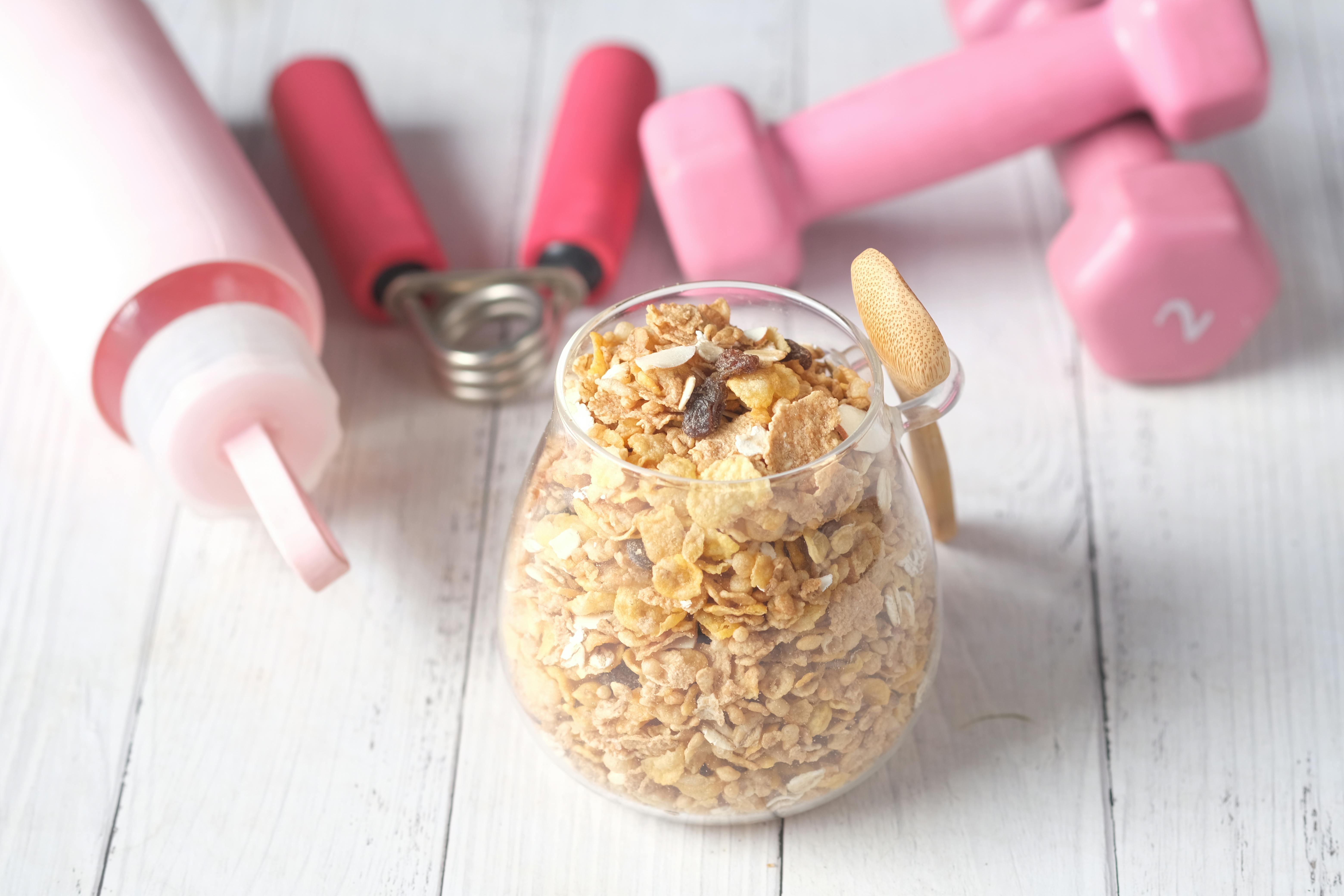
Wellness also includes stress management and rest. Chronic stress can wreck sleep, appetite, and training quality. If you think wellness is just scented candles and vague positivity, you are kidding yourself. It is measured sleep, modest habits, and a life that leaves room for recovery. Moderation is not weakness. It is wisdom.
Step-by-step implementation guide
If you want results, do not start with a fantasy. Start with a schedule. I have tested enough plans to know this: the best plan is the one you can repeat when life is ordinary, messy, and inconvenient. That is where most programs die. The shiny ones usually die first.
- Set one primary goal. Pick strength, fat loss, endurance, or general health. Trying to maximize everything at once usually leads to mediocre progress in all directions.
- Build a weekly structure. A solid template might include 2-4 strength sessions, 2-3 cardio sessions, and daily walking. That is not fancy, but it works.
- Use progressive overload. Add repetitions, weight, sets, or density over time. Your body adapts only when the stimulus gradually increases.
- Eat enough protein. A common evidence-based target is about 1.6 to 2.2 grams per kilogram of body weight per day for active people, though individual needs vary. If that sounds tedious, well, discipline is tedious.
- Do not fear carbohydrates. Carbs support training intensity and recovery, especially for people doing high-volume lifting or endurance work. Cutting them to zero and then wondering why workouts feel awful is a classic mistake.
- Sleep like it matters. Because it does. Poor sleep reduces performance, appetite control, and recovery.
- Track something useful. Strength numbers, step count, resting heart rate, waist measurements, or workout adherence. If you measure nothing, you will eventually guess wrong.
The best training methods are the ones that match your target. Strength training should rely on compound movements like squats, presses, rows, hinges, and carries. Cardio should be a mix of easy steady work and, for some people, intervals. Mobility work should support movement quality, not become a fake religion that replaces training. Recovery should include rest days, light activity, and honest attention to pain or fatigue. There is no prize for stubbornness when the body is warning you.
When I say “simpler,” I do not mean easier. I mean cleaner. Cut the nonsense. Choose the right dose. Stick with it. And remember that a healthy body is not an idol or a toy; it is part of a responsible life, and that means care without vanity, effort without obsession.

For nutrition, start with a plate, not a supplement drawer. Base meals on protein, vegetables, fruit, quality starches, and fats from sensible sources. Supplements can help in narrow cases, but they do not replace food, sleep, or training. A creatine monohydrate regimen, for example, has strong support for strength and power outcomes, and the Examine creatine review summarizes the evidence well. Still, the boring first step is food. Always food.
For recovery, use the tools that are free or nearly free: walking, hydration, sleep routines, and stress reduction. If you want a fancy gadget, fine, but the fundamentals will beat it. That is the annoying truth.
Comparison table
People like to pit one method against another as if the body were a team sport with only one winner. It is usually a foolish comparison. Still, if you want to know how the broad approach of exercise science stacks up against the usual bro-science competitor, here is the blunt version.
| Factor |
Exercise Science-Based Approach |
Bro-Science / Trend-Driven Approach |
| Training design |
Planned progression, recovery, and specificity |
Random workouts, constant novelty, loud claims |
| Nutrition |
Protein, energy balance, micronutrients, hydration |
Detoxes, restriction, supplement hype |
| Recovery |
Sleep, deloads, mobility, stress control |
Train through pain, rest is for cowards |
| Results |
Slower, steadier, more durable |
Early spikes, then plateaus or injury |
| Health impact |
Supports long-term function and disease risk reduction |
Often ignores health in favor of appearance |
| Sustainability |
Built for ordinary life |
Depends on hype and motivation |
The comparison is not subtle. Science-based training respects adaptation. Trend-driven training worships intensity and novelty. One lasts. The other burns out.
Common mistakes to avoid
Most failures are not mysterious. They are predictable, and a little embarrassing if we are honest. People overcomplicate the basics, under-eat, sleep badly, and then act shocked when progress stalls. Let’s be real: the body is not the problem here.
- All-or-nothing thinking: Missing one workout does not ruin a month. Quitting does.
- Too much cardio, too little strength: Endurance matters, but muscle is not optional if you care about long-term function.
- Too much strength, no conditioning: A big squat means little if your heart and lungs are out of shape.
- Chasing soreness: Soreness is not a goal. Adaptation is the goal. Pain is not a badge of honor.
- Ignoring food quality: You cannot out-train a diet built on junk, liquid calories, and chaos.
- Skipping sleep: If you sleep like a raccoon in a trash can, your recovery will look like it too.
- Following influencers over evidence: Viral does not mean valid. It usually means loud.
The biggest mistake, though, is treating wellness like a side hobby. Health is the foundation that lets everything else stand. Work, prayer, family, service, exercise, and rest all sit on that base. If the base is rotten, the house leans. That is not philosophy. It is reality.
Another common error is ignoring age and context. A beginner should not train like a competitive lifter, and a person with joint pain should not copy an internet hero who edits out his injuries. Individualization matters. So does patience. The body changes slowly, and that is not a flaw. It is how durable adaptation happens.
One more thing: supplements are not evil, but they are overused. Creatine, caffeine, protein powder, and vitamin D can be useful in the right setting. Most of the rest is optional at best and nonsense at worst. Save your money.
Frequently asked questions
How much exercise do I actually need?
Most adults should aim for regular aerobic activity plus muscle-strengthening work on at least two days per week, with more activity often bringing more benefit. The exact dose depends on your goal, age, and health status.
Is strength training better than cardio?
No. That question is lazy. Strength training and cardio do different jobs, and both matter for health, performance, and longevity. The smart move is to use both.
Do I need supplements to get fit?
Usually not. Food, training, sleep, and consistency do the heavy lifting. Supplements can help in specific cases, but they are accessories, not the engine.
What is the best diet for training?
The best diet is the one that provides enough protein, enough energy, enough micronutrients, and enough consistency that you can keep training well. A perfect diet nobody follows is worthless.
How do I know if my program is working?
Look for better performance, improved recovery, stable energy, and progress toward your target, whether that is strength, endurance, body composition, or daily function. If nothing changes after a fair trial, adjust the plan.
Final Thought
The real promise of exercise science is not spectacle. It is order. It gives structure to the chaos of nutrition, training, and wellness so you can build a body that serves your life instead of dominating it. That means lifting with purpose, eating with restraint and adequacy, resting without guilt, and rejecting the empty theater of fitness culture when it starts acting like a substitute for wisdom. Honestly, the best programs are rarely the flashiest ones. They are the ones that respect biology, fit real schedules, and leave room for the rest of life. That is good stewardship. Simple, but not easy. And that is why it works.