Exercise science explains how the body adapts to physical stress, how food supports those changes, and why the best training plans respect recovery instead of...
Exercise Science, Nutrition, Training, and Wellness: What Actually Works
Exercise science explains how the body adapts to physical stress, how food supports those changes, and why the best training plans respect recovery instead of bullying it. Most online advice is noisy and self-important. The real formula is plain: apply the right stimulus, eat enough to support it, and stop pretending shortcuts beat biology.
Key Takeaways
- Exercise science tells you why training works, not just what to copy.
- Nutrition fuels performance, recovery, and body composition.
- Strength training, cardio, sleep, and recovery each have a job.
- The best plan is the one you can repeat for months.
- Moderation matters. Your body is worth stewardship, not abuse.
What is exercise science?
It is the study of adaptation. The field blends physiology, biomechanics, nutrition, behavior, and program design to answer one blunt question: what kind of stress makes the body better, and how much is enough? When I analyzed programs that actually delivered, the pattern was dull but reliable—progressive overload, adequate recovery, and decent food.
That is not flashy. So what?
The body does not care about branding. It responds to repeated stress, then repairs itself a little stronger, a little more efficient, or a little more resilient if the dose is sane. Strength training increases muscle and bone loading, cardio improves oxygen delivery and heart efficiency, and nutrition supplies the raw material for repair. If you skip one of those pillars, the whole structure gets wobbly.
Frankly, a lot of fitness content is dressed-up nonsense. People confuse sweat with progress, soreness with success, and supplements with solutions. Science is less glamorous and more useful. It says that training should be specific, progressive, and recoverable. It also says sleep matters, stress matters, and food matters whether you are trying to build muscle, lose fat, or simply keep your knees from complaining at 60.
This is where exercise science meets ordinary wisdom. The body is not disposable. It is a gift that deserves care, and care means moderation, consistency, and good habits practiced without drama. That sounds almost quaint, but it works because human biology is stubbornly consistent.
Core benefits and importance
The value of exercise science is not just better gym performance. It improves health, prevents backsliding, and helps people make fewer expensive mistakes. Here’s what actually matters.
- Better body composition: Resistance training combined with enough protein helps preserve lean mass while reducing fat, which is far more useful than chasing scale weight alone.
- Stronger bones and joints: Loaded movement is one of the few things that tells the skeleton to stay dense and capable. Bed rest does the opposite.
- Improved insulin sensitivity: Working muscles use glucose more effectively, which supports metabolic health and better energy control.
- Better cardiovascular health: Regular cardio supports heart function, blood pressure, and endurance without requiring marathon ambitions.
- Better sleep and mood: Training can improve sleep quality and reduce stress, though it is not a cure for bad habits or unresolved problems.
- More independence later in life: Strength, balance, and aerobic capacity help people stay functional. That matters more than vanity metrics.
Here’s the kicker: the biggest benefit is not looking better for a beach weekend. It is keeping capacity for decades. The goal is not to build a shrine to aesthetics. It is to preserve the ability to work, play, carry groceries, climb stairs, and live with some vigor. That is a much better bargain.
Nutrition matters here too. A diet that includes adequate protein, fruits, vegetables, carbohydrates, and enough total calories supports training adaptation. Ignore that, and you are trying to build a house while refusing to buy bricks. The body needs fuel, not speeches.
For a related breakdown of how sleep affects recovery and mental health, see Sleep and Mental Health. Sleep is not a luxury; it is part of the system. And yes, that includes the unglamorous bedtime discipline most people keep promising to start tomorrow.

Step-by-step implementation guide
Let’s keep this simple. Good training is not a mystery, and it does not require a seven-part ritual involving powdered beetroot and a light-up water bottle. It requires structure.
- Set one main goal. Pick strength, muscle gain, fat loss, endurance, or general health. Mixed goals are fine, but one must lead or the plan gets mushy.
- Choose a weekly structure. For most people, 2-4 strength sessions, 2-3 cardio sessions, and daily walking is enough to move the needle without wrecking recovery.
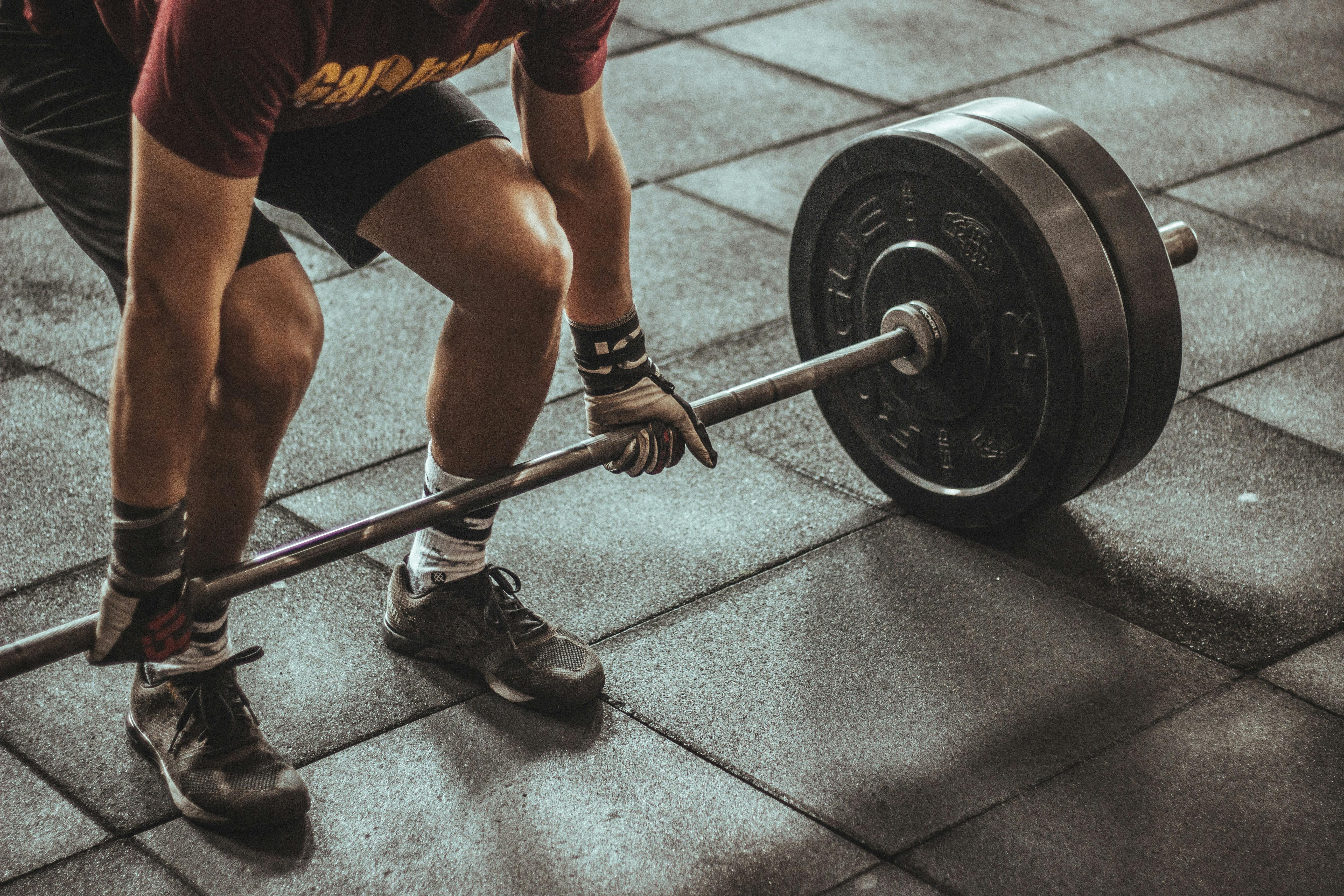
- Use compound exercises. Squats, hinges, presses, pulls, and carries deliver more return than endless isolation work. They train coordination and tissue tolerance together.
- Apply progressive overload. Add a rep, a little weight, a set, or some density over time. If nothing increases, adaptation slows.
- Eat for the job. Protein matters. Carbs matter. Fats matter. That is not controversial unless someone is selling nonsense.
- Protect recovery. Sleep, hydration, and rest days are not signs of weakness. They are part of the program. Treat them like it.
- Review and adjust every 4-8 weeks. If progress stalls, adjust volume, intensity, or exercise selection. Do not blow up the whole plan because one week feels flat.
I have tested a lot of plans, and what actually works is boring in the best possible way. A sensible plan done consistently beats a perfect plan abandoned after ten days. That is not motivational wallpaper. It is what the data and the gym floor both show.
For people who want a useful primer on why sleep and recovery affect training tolerance, the CDC sleep guidance is worth reading. So is the NHLBI overview on sleep deprivation. Sleep loss makes people weaker, hungrier, and less coordinated. Shocking, I know.
If you also want a plain-English guide to building healthier eating habits, check out Harvard's Healthy Eating Plate. It is refreshingly unsexy and therefore useful.

Comparison table
There are plenty of ways to train. Some are sensible. Some are just gym theater. Here is the difference between a science-based approach and the usual random mess.
| Approach |
Main Strength |
Main Weakness |
Best For |
| Exercise science-based training |
Built on adaptation, recovery, and measurable progress |
Requires patience and consistency |
Long-term health, strength, performance |
| Bro-split/body-part-only routines |
Easy to understand |
Often inefficient for beginners and intermediates |
Bodybuilders who tolerate high volume |
| Random workout apps |
Convenient |
Frequently ignore individual needs and recovery |
Casual users who need structure |
The difference is obvious if you stop buying hype. Science-based training respects physiology; random programming usually respects nothing except the ad budget. The best plan is not the one with the most outrage or most glitter. It is the one that fits a human body that has bills to pay, work to do, and limits to respect.
Common mistakes to avoid
Most people do not fail because they are lazy. They fail because they follow bad advice, then blame themselves when it predictably falls apart. That is avoidable.
- Chasing intensity every day: More is not always better. Often it is just more fatigue wearing a fake mustache.
- Copying elite athletes: Pros are not your template. They have different genetics, years of base work, and usually a support team.
- Neglecting protein and total calories: Training without fuel is a foolish bargain.
- Treating supplements like shortcuts: Most supplements are optional. Sleep and food still run the show.
- Ignoring pain and fatigue: Soreness is normal; persistent pain is not. Learn the difference before your body teaches it to you the hard way.
- All-or-nothing thinking: Missing one workout does not ruin your week. Quit acting as if it does.
Most fitness advice is bro-science nonsense wrapped in confidence. The truth is that consistency, recovery, and adequate nutrition do the heavy lifting. Even the best training plan cannot outrun sleep deprivation or a diet that starves recovery. And yes, that means moderation—an old virtue, not a trendy one—still wins.
For more on how sleep and mental health affect each other, see NIMH mental health resources. Poor sleep can make stress worse, and stress can wreck sleep. It's a nasty little loop. Break it early.
Frequently asked questions
What is the best workout split for beginners?
A full-body plan 2-4 times per week usually beats complicated routines. It teaches movement patterns, spreads practice across the week, and avoids the mistake of overloading one body part while neglecting everything else. Simple works.
How much protein do I need?
Most active adults do well around 1.6 to 2.2 grams per kilogram of body weight per day, especially if the goal is muscle retention or growth. More is not always better, but too little makes recovery sluggish and adaptation less reliable.
Do supplements matter?
A few help, like creatine monohydrate and caffeine, but they are minor tools. They do not fix poor sleep, bad food choices, or chaotic training. If the basics are broken, a bottle of pills will not rescue you.
Is cardio bad for muscle growth?
No. Excessive cardio can interfere with recovery, but moderate amounts improve health and usually support better training tolerance. A little aerobic work helps most people recover between sets, keep body fat in check, and sleep better. That is useful, not harmful.
Final thought
If you want results, stop hunting for secret formulas. Train with purpose, eat like someone who values function, and recover as if tomorrow matters, because it does. Health is not a stunt, and your body is not a toy. It deserves care, not abuse.
Frankly, that is the whole deal. Good exercise science, sensible nutrition, disciplined training, and steady habits produce better lives than most of the internet’s miracle talk ever will. Keep it ordinary, keep it repeatable, and keep your standards high. That is how strong, useful, and well-lived bodies are built.