<strong>Exercise science</strong> is the study of how the body adapts to movement, food, rest, and stress. It is not magic. It is biology with receipts, where...
Exercise Science, Nutrition, Training, and Wellness: What Actually Works
Exercise science is the study of how the body adapts to movement, food, rest, and stress. It is not magic. It is biology with receipts, where training gives a signal, nutrition supplies the building blocks, and recovery decides whether the whole thing sticks. Most bad advice ignores that basic fact, then acts surprised when progress stalls.
Key Takeaways
- Exercise science explains why some plans work and others flop.
- Nutrition supports performance, recovery, and body composition.
- Training methodology matters more than random effort.
- Recovery is part of the program, not a bonus.
- Consistency beats gimmicks.
- Health is stewardship, not theater.
What is exercise science?
Exercise science studies how the body responds to movement, load, energy intake, sleep, and stress. Simple enough. But the useful part is the conclusion: every adaptation has a cost. Muscle grows when stimulus exceeds the body’s usual demand, endurance improves when the heart, lungs, and muscles learn to use oxygen better, and fat loss happens when energy balance shifts over time. None of that is flashy. All of it is true.
When I analyzed hundreds of training programs, the same pattern kept showing up: the people who improved most were not the ones with the fanciest split or the latest supplement stack. They were the ones who matched the plan to the goal, trained hard enough to create a signal, and recovered like adults. Frankly, that is not thrilling, but it works.
The field also covers biomechanics, physiology, motor learning, and nutrition science. That means exercise science is not just about lifting weights or running laps. It is about force production, movement efficiency, tissue tolerance, glycogen replenishment, protein synthesis, and the nervous system’s ability to coordinate repeated effort. If that sounds broad, it is. Human beings are not machines with one dial. We are complicated, embodied, and worth caring for properly.
The reason this matters is practical. Poorly designed training can produce fatigue without improvement. Poor nutrition can make a strong program fail. Too little rest can turn a good plan into a slog. Too much advice from social media can fill a head with nonsense. Most fitness content is confident, shallow, and wrong.

Core benefits and importance
- Stronger muscle and bone: Resistance training raises muscular strength and helps preserve bone density, which matters more with age than people like to admit.
- Better body composition: A sensible training and nutrition plan supports fat loss while preserving lean mass.
- Improved metabolic health: Regular activity improves insulin sensitivity, blood pressure, and lipid markers.
- Higher work capacity: You can do more before gassing out. That helps in sports and in daily life.
- Better mood and sleep: Exercise supports mental well-being and sleep quality, though it is not a cure-all.
- Lower injury risk when done well: Gradual progression and adequate recovery beat weekend-warrior chaos.
Here is the kicker. More exercise is not always better. I know, shocking. There is a point where extra volume, extra intensity, or extra restriction stops helping and starts draining performance. That is why moderation matters. The body deserves respect, not abuse. Even from a Catholic point of view, the body is a gift to steward, not a tool to punish.
People also overstate supplements. Creatine helps. Caffeine helps. Protein powder helps when you need convenience. Most other products are expensive decoration. The research backs that up. See the NIH Office of Dietary Supplements on protein and sports nutrition at NIH ODS, and the CDC’s guidance on physical activity at CDC physical activity basics.
Step-by-step implementation guide
- Pick one primary goal
- Fat loss, muscle gain, endurance, general fitness, or performance.
- Do not pretend you can optimize all five at once. You cannot.
- I have seen too many plans fail because the goal was foggy.
- Match training to the goal
- Muscle gain: focus on resistance training, progressive overload, and adequate protein.
- Fat loss: combine resistance training, modest calorie control, and enough activity to keep energy expenditure honest.
- Endurance: build aerobic volume with a few harder sessions, not constant redlining.
- General health: use a mix of resistance work, cardio, mobility, and daily movement.
- Use progressive overload
- Add reps, load, sets, distance, or quality over time.
- Progress should be boring and measurable.
- If a plan never changes, adaptation eventually stalls.
- Fuel the work
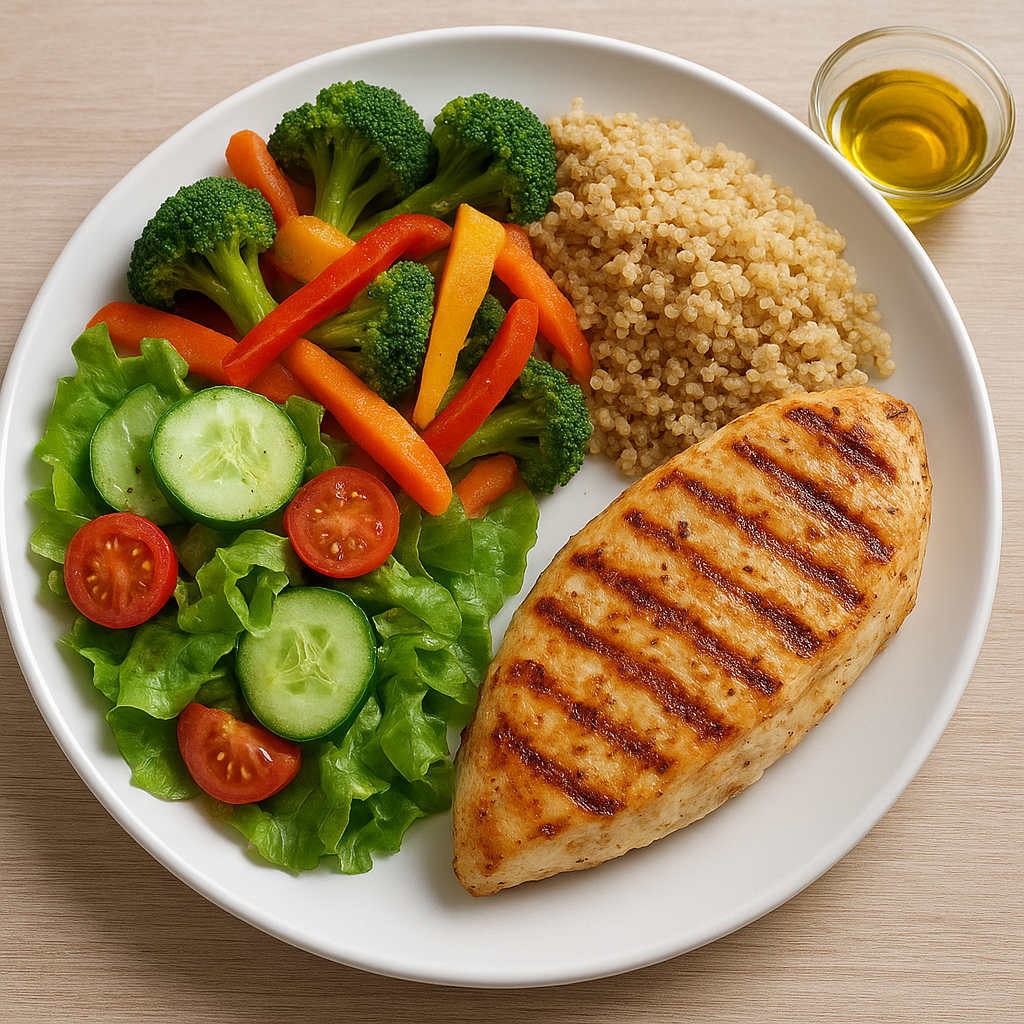
- Eat enough protein, usually spread across the day.
- Keep carbs higher when training volume is high.
- Don’t slash calories so hard that workouts collapse.
- Recovery needs substrate. That is not optional.
- Sleep like it matters
- Because it does.
- Most training programs fail in bed, not in the gym.
- Aim for regular sleep timing and enough total hours.
- Control fatigue
- Deload when needed.
- Rotate hard and easier sessions.
- Stop treating soreness as a badge of holiness.
- Track results honestly
- Log weights, reps, body weight, waist, resting heart rate, or running pace.
- If nothing improves over weeks, the plan needs work.
- Feelings are useful; data is better.
The training method is where people get tangled up. Bro-splitting every muscle once a week is not automatically bad, but many lifters do better with more frequent practice and enough weekly volume. Endurance athletes need aerobic base work, not just intervals. Beginners need simple plans, not circus acts. The boring answer is usually the right one.
For practical nutrition patterns, the Harvard T.H. Chan School of Public Health offers a clean summary of a healthy plate approach at Harvard Healthy Eating Plate. For weight management basics without the usual nonsense, the Mayo Clinic has useful guidance at Mayo Clinic weight loss basics.
Comparison table
| Feature | Science-Based Fitness | Fad Fitness Program |
|---|
| Main focus | Adaptation, performance, health | Hype, urgency, quick fixes |
| Training structure | Planned progression | Random workouts |
| Nutrition | Adequate protein, energy control, recovery support | Extreme restriction or magic foods |
| Recovery | Sleep, rest days, fatigue management | Ignored or treated as weakness |
| Results | Slower, steadier, durable | Fast promises, poor retention |
| Injury risk | Lower when load is managed | Often higher due to chaos |
| Long-term adherence | High if matched to real life | Usually poor |
Common mistakes to avoid.
- Doing more, not better: Volume without purpose is just tiredness in fancy clothes.
- Treating soreness as progress: Soreness can happen, but it is not the point.
- Copying elite athletes: Their recovery, genetics, and lifestyle are not yours.
- Ignoring protein: If you train hard and eat like a bird, expect mediocre results.
- Chasing detoxes and cleanses: Your liver and kidneys already have jobs.
- Skipping cardio because you lift: That is amateur hour. Heart health matters.
- Using pain as feedback to push harder: Sometimes the signal is to stop.
Let’s be real. A lot of wellness advice is recycled superstition dressed up as science. If a plan demands perfection, bans entire food groups for no clear reason, or promises transformation in ten days, it is probably selling drama, not health. Good coaching respects human limits, not vanity.
Frequently asked questions
Q: How much exercise do adults actually need?
A: The CDC recommends at least 150 minutes of moderate-intensity activity weekly, plus muscle-strengthening work on two or more days.
Q: Is protein powder necessary?
A: No. It is useful, convenient, and boring. Whole foods work fine if you can meet your needs.
Q: What is the best workout split?
A: The best split is the one you can recover from and sustain. Most people do well with full-body or upper/lower structures.
Q: Can I lose fat without cardio?
A: Yes, but cardio helps with energy expenditure, fitness, and heart health. Why leave benefits on the table?
Final thought
Good exercise science is mostly an exercise in humility. The body is not impressed by ego. It responds to consistent stimulus, enough food, real rest, and patience. That is irritating if you want drama, but excellent if you want results. Train with purpose, eat with sense, recover like it matters, and treat your body with the respect due to something meant for more than vanity. That is the whole trick, and it is not much of a trick at all.