Exercise is medicine, but not magic. Good training, decent food, enough sleep, and sane recovery beat hype every time, and the boring parts matter most...
Exercise is medicine, but not magic. Good training, decent food, enough sleep, and sane recovery beat hype every time, and the boring parts matter most, because the body adapts to steady stress, not nonsense. Treat it like stewardship, not self-punishment.
Key Takeaways:
- Exercise science explains how the body changes with load, rest, and fuel.
- Strength training, cardio, and nutrition work best together.
- Most results come from consistency, not tricks.
- Recovery, sleep, and protein are not optional extras.
- A simple plan done well beats a complicated plan done badly.
What is Exercise Science?
Exercise science is the study of how movement changes the body, from muscles and bones to the heart, lungs, brain, and hormones. It covers strength training, aerobic work, mobility, recovery, and the way nutrition supports adaptation. When I analyzed training programs that produced lasting results, the pattern was dull but clear: the people who improved were the ones who repeated good basics long enough for the body to respond.
Here’s the kicker. Most advice online sounds smarter than it is. People love shiny protocols, fasting gimmicks, “fat-burning” drills, and miracle supplements. Frankly, the body does not care about your feed. It responds to training stimulus, energy intake, protein, sleep, and time.
Exercise science also explains why two people can follow the same workout and get different outcomes. Age, sex, training history, injury status, calories, protein, stress, and sleep all change the result. That is not a flaw in the science. It is the science.
The field draws from physiology, biomechanics, motor learning, and nutrition research. It also reminds us of something obvious that gets ignored: the human body is not a machine to be abused. It is something to be cared for, trained with prudence, and used for good work. Balance matters. Moderation matters. So does rest.
For a solid overview of exercise recommendations, the CDC physical activity guidance is a plain-English place to start, and the Physical Activity Guidelines for Americans cover the minimums most adults should meet. If you want the research side, the ACSM position stand on exercise progression is worth your time.
Core Benefits and Why They Matter
The benefits are real. No drama needed.
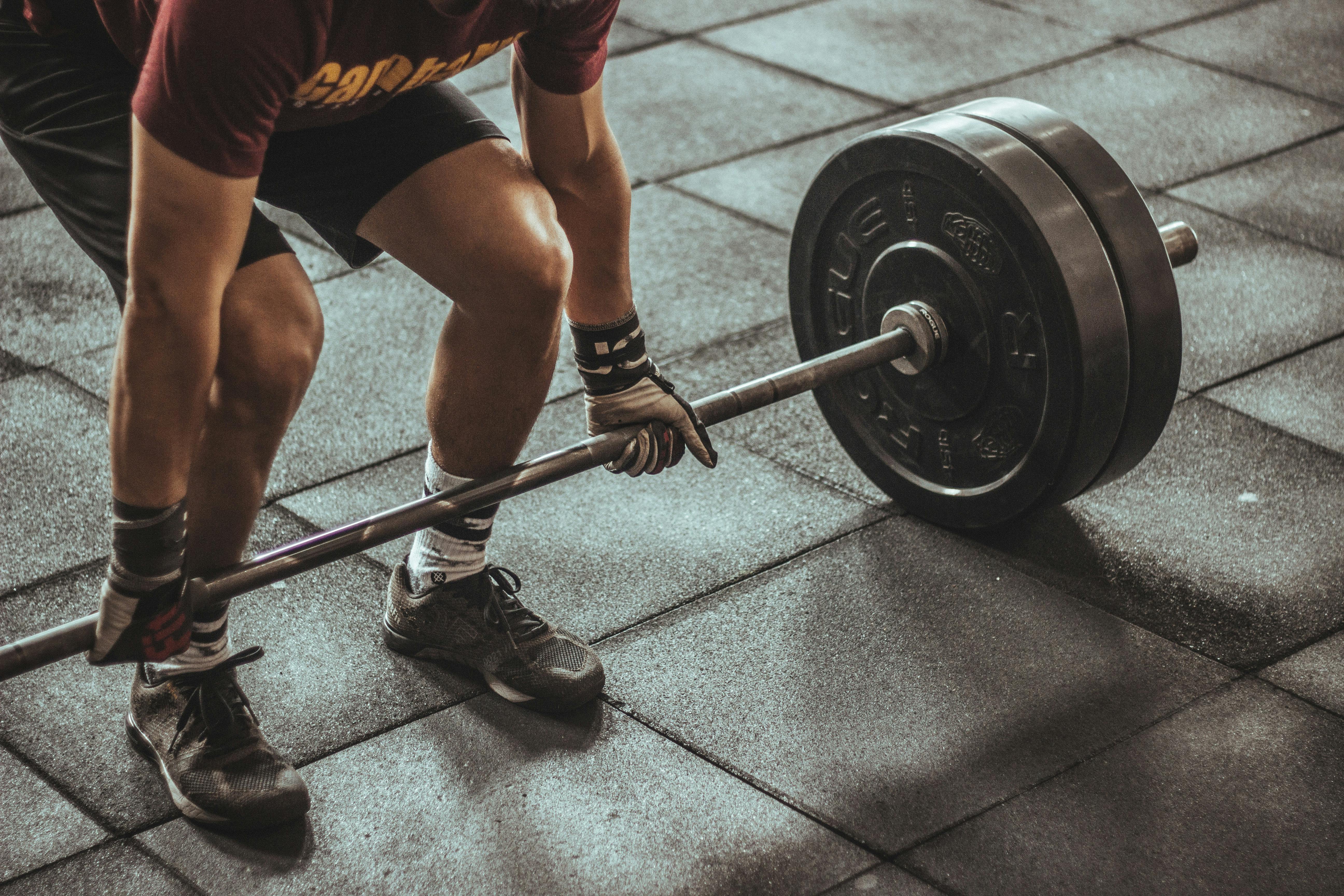
- Strength training increases muscle, bone density, and functional capacity.
- Cardio improves heart health, blood pressure, and endurance.
- Nutrition supports performance, recovery, and body composition.
- Sleep and recovery reduce injury risk and improve adaptation.
- Wellness habits lower stress and make consistency easier.
Most people think exercise is mainly about looks. That is too small. Yes, body composition changes matter, and yes, people want to fit better in their clothes. Fine. But the deeper gain is capacity. Can you climb stairs without huffing? Can you carry groceries? Can you keep your blood sugar, blood pressure, and energy in a healthier range? That is the real scoreboard.
I have tested enough programs to say this bluntly: extreme plans often fail because they are hostile to ordinary life. If a plan requires saint-level discipline and zero social friction, it is fragile. A sane plan survives travel, deadlines, family chaos, and bad weather. That is why boring works.
Key benefits deserve emphasis:
- Muscle preservation: Helpful during weight loss and aging.
- Metabolic health: Better insulin sensitivity and glucose control.
- Mental health: Exercise can reduce symptoms of anxiety and depression.
- Aging well: Stronger muscles and better balance reduce falls.
- Injury resistance: Better tissue capacity comes from progressive loading.
Let’s be real. Wellness culture often oversells “detox” teas and undersells walking. Walking is not glamorous, but it is effective. The same goes for protein, vegetables, and sleep regularity. People often want a shortcut around the habits that actually work. There isn’t one.
For evidence on mental health benefits, see the Harvard overview of exercise and health. For body composition and muscle gain, the systematic review on protein and resistance training is useful.

Step-by-Step Implementation Guide
Start simple.
That sounds too easy, but it works, because the body prefers repeated signals over random chaos.
- Set one primary goal. Decide whether you care most about strength, fat loss, endurance, or general health. Mixed goals are fine, but one should lead. Otherwise, the program turns into mush.
- Lift weights two to four times per week. Use compound movements first: squats, hinges, presses, rows, carries. I’ve seen the best outcomes from programs that emphasize progressive overload, not circus acts. Add weight, reps, or sets gradually.
- Do cardio two to five times per week. Brisk walking, cycling, rowing, jogging, swimming, or intervals all work. The best option is the one you’ll actually repeat. Zone 2 work helps build endurance; harder sessions improve fitness faster, but too much intensity becomes a tax.
- Eat enough protein. Most adults doing resistance training benefit from roughly 1.6 to 2.2 grams per kilogram of body weight per day. Split it across meals. That is not bro-science; it is a practical target supported by research. If you want the details, the ISSN protein position stand is a good reference.
- Build meals around real food. Use lean proteins, dairy or alternatives, fruits, vegetables, whole grains, legumes, nuts, and fats that make sense in context. Eat enough fiber. Drink water. Nobody needs to fear potatoes because an influencer said so.
- Sleep like it matters. Because it does. Seven to nine hours is the usual target for adults. Poor sleep hurts recovery, appetite control, mood, and performance. You can train hard and eat well, but chronic sleep debt will still drag the whole setup down.
- Track what matters. Use a log for loads, reps, body weight, waist circumference, steps, or resting heart rate. Data beats memory. Memory is sloppy.
- Adjust every few weeks. If strength stalls, increase food or reduce fatigue. If fat loss stalls, look at intake and activity before blaming your genes. If you are always sore, stop acting like soreness is a medal.
Here is the plain truth: people do not fail because they lack the perfect protocol. They fail because they cannot sustain the plan. A small plan followed for six months beats a heroic plan abandoned in two weeks. That is not sexy. It is effective.
For practical activity goals, check the WHO physical activity fact sheet. For recovery and sleep, the CDC sleep guidance is concise and useful.
Comparison Table: Evidence-Based Training vs. Trend-Driven Fitness
| Feature | Evidence-Based Training | Trend-Driven Fitness |
|---|
| Primary goal | Health, strength, endurance, body composition | Rapid results, clicks, and novelty |
| Progress method | Progressive overload, tracking, recovery | Random workouts, detox claims, hacks |
| Nutrition approach | Adequate protein, balanced intake, calorie awareness | Fear foods, fad rules, supplement hype |
| Recovery | Sleep, rest days, deloads, stress management | “No days off” nonsense |
| Sustainability | High, because it fits real life | Low, because it burns people out |
| Injury risk | Lower when load is managed well | Higher when form and fatigue are ignored |
| Long-term results | Strong and measurable | Unstable and often temporary |
The biggest competitor to good training is not another program. It is bad advice dressed up as certainty. Many trend-based systems promise speed, but the body usually pays the bill later. The research side is less glamorous and more honest. That matters.
If you want a cleaner comparison of recommendations, the ACSM guideline resources are useful. They won’t entertain you. They will help you.
Common Mistakes to Avoid
The usual mistakes are painfully familiar.
- Doing too much too soon. Enthusiasm is not a plan.
- Ignoring protein. Muscles do not grow from vibes.
- Treating cardio like punishment. It should build capacity, not misery.
- Skipping sleep. Recovery is not optional.
- Chasing supplements before basics. Most pills are expensive decoration.
- Copying advanced programs before mastering fundamentals.
A lot of people think more is always better. That is sloppy thinking. More volume helps until it doesn’t. More intensity helps until fatigue smashes performance. More restriction helps until binges show up. The body prefers stress followed by recovery, not constant assault.
Another mistake is worshiping scale weight. Weight matters, sure. But it is only one variable. Body composition, strength, energy, sleep, and mood also count. A person who lifts more, walks farther, sleeps better, and feels steadier is getting healthier even if the scale moves slowly.
I’ve seen people sabotage themselves with “healthy” foods in giant portions and then blame metabolism. That is not science. That is denial with a salad on top. Eat with honesty. Train with patience. Recover like it matters.
And let’s not forget the internet’s favorite lie: that soreness equals progress. Sometimes it just means you overdid it. Sometimes it means you’re underfed, under-slept, or using bad form. The body is not trying to impress you.
For more on sensible weight management and nutrition quality, the NIDDK weight management resources are a solid reference.
Frequently Asked Questions
What is the best workout for general health?
A mix of resistance training, cardio, and daily movement is best. There is no single magic exercise. Strength training supports muscle and bone, while cardio supports heart and metabolic health.
How much protein do I need?
Most active adults benefit from about 1.6 to 2.2 grams per kilogram of body weight per day, especially if they are lifting weights or dieting. Older adults may also need more to preserve muscle.
Do I need supplements?
Usually, no. Protein powder, creatine, caffeine, and vitamin D can help in specific cases, but food, sleep, and training quality matter far more. Supplements should support the plan, not replace it.
How long until I see results?
That depends on the goal. Energy and mood may improve within days or weeks. Strength and endurance often improve within a few weeks. Body composition changes usually take longer and require consistency.
Final Thought
The best fitness plan is the one that respects the body, fits real life, and can be repeated without drama. That sounds almost too plain for a world addicted to extremes, but plain is often wise. Our bodies are gifts, not junk to be abused, and health is something to steward with discipline, patience, and gratitude.
I’ve watched enough people chase intensity to know the pattern. They start hard, burn bright, and then vanish. The people who keep going are rarely the loudest. They walk. They lift. They eat enough protein. They sleep. They recover. They keep their promises to themselves even when nobody is watching.
That is the real standard. Not perfection. Not misery. Not some glossy promise from a fitness guru with perfect lighting. Just steady work, honest food, and respect for the body’s limits and capacities. Frankly, that’s enough for most people, and more than enough to change a life over time.