Exercise science is the study of how the body adapts to physical stress, how nutrition supports those adaptations, and how training methods can be arranged so...
Exercise Science, Nutrition, Training, and Wellness: What Actually Works
Exercise science is the study of how the body adapts to physical stress, how nutrition supports those adaptations, and how training methods can be arranged so progress happens without turning a person into a broken-down mess. The basics are not glamorous. They are strength training, cardio, recovery, sleep, and food that actually meets the body’s needs.
Key Takeaways- Strength training builds muscle, preserves bone, and improves function.
- Cardio improves heart and lung health, but it is not a magic fix by itself.
- Nutrition matters because training without fuel is like driving on fumes.
- Recovery is not laziness; it is part of adaptation.
- Consistency beats extreme plans that collapse in two weeks.
What is exercise science, really? It is the practical study of how movement changes physiology. When I analyzed training programs that actually worked long term, the pattern was boring but clear: progressive overload, adequate protein, enough calories, and honest recovery. Most fitness advice is bro-science nonsense dressed up with shiny abs. The body does not care about slogans. It responds to repeated stimulus, then repair, then adaptation.
That is the whole trick.
Exercise science connects cardio, strength training, mobility, sleep, and nutrition into one system. If one piece is weak, the whole setup suffers. A person can lift heavy but eat poorly and stall. Another can run miles but never build muscle or protect joints. Another can chase perfect macros and still sleep like a raccoon in a trash bin. The human body is not a spreadsheet, but it does have rules.
Here is the kicker: health is not just about performance metrics. It is also stewardship. Your body is not a disposable machine to be abused for vanity. It deserves care, moderation, and respect. That sounds almost quaint in a culture that treats exhaustion like a badge of honor, but the body pays the bill either way.

What is exercise science?
Exercise science studies how muscles, bones, hormones, the heart, and the nervous system respond to training and lifestyle stress. It looks at energy systems, movement mechanics, recovery, and the interaction between training and diet. That sounds academic, but the practical takeaway is simple: if you want better fitness, you need a plan that fits biology instead of internet folklore.
The field covers several pieces. Strength training creates mechanical tension, which signals muscle growth and preserves lean mass. Cardio improves aerobic capacity and helps the heart pump more efficiently. Nutrition supplies protein, carbohydrate, fat, vitamins, minerals, and fluids so the body can repair tissue and run the system. Recovery lets adaptation actually happen. Skip recovery and you are just collecting fatigue like trophies.
I’ve tested enough plans to know that the market loves extremes. Low-carb zealots say carbs are poison. Cardio fanatics act like lifting is optional. Supplement sales pages promise a shortcut around sleep, which is hilarious if you think about it for five seconds. The boring truth is better than the flashy lie. A solid program uses the right dose of stress, then backs off so the body can respond.
A useful model is this: training creates a signal, nutrition provides building material, and recovery turns effort into change. Without all three, the result is usually disappointment. That is especially true for people trying to lose fat, gain muscle, or improve endurance at the same time. The body can do many things, but not all at once with sloppy inputs.
For a deeper look at why tracking habits matters in health behavior, see this piece on physical activity basics from the CDC. For nutrient guidance, the Harvard Nutrition Source remains useful and free of nonsense.
In plain English, exercise science is the difference between random sweating and deliberate progress.
Core benefits and importance
The benefits of evidence-based training are broad, and no, they are not limited to people chasing beach muscles. Strength, conditioning, nutrition, and recovery improve health from the inside out, which is why the same habits help athletes, older adults, and people who just want to climb stairs without complaining.
- Muscle mass increases with resistance training, which helps daily function, joint stability, and metabolic health.
- Bone density improves when the skeleton is loaded properly, especially through lifting and impact work.
- Heart health gets better with regular aerobic exercise, which lowers cardiovascular risk over time.
- Blood sugar control improves because active muscle acts like a glucose sink after meals.
- Mood often improves thanks to movement, sunlight exposure, better sleep, and lower stress load.
- Injury risk can decrease when strength, mobility, and coordination are trained together.
- Fat loss becomes more sustainable when training supports appetite regulation and lean mass retention.
Frankly, a lot of people overrate aesthetics and underrate function. Looking fit is nice. Moving well, staying independent, and keeping blood pressure in a sane range are better. The body is not a costume; it is the instrument you use for everything else.
There is also a mental side. Exercise can improve confidence, routine, and resilience, though it is not a cure-all and should not be sold as one. If someone is sleep deprived, underfed, and stressed out, a 90-minute brutal workout is not moral purity. It is often just more stress. Balance matters. Moderation matters. That old wisdom keeps coming back because reality keeps proving it.
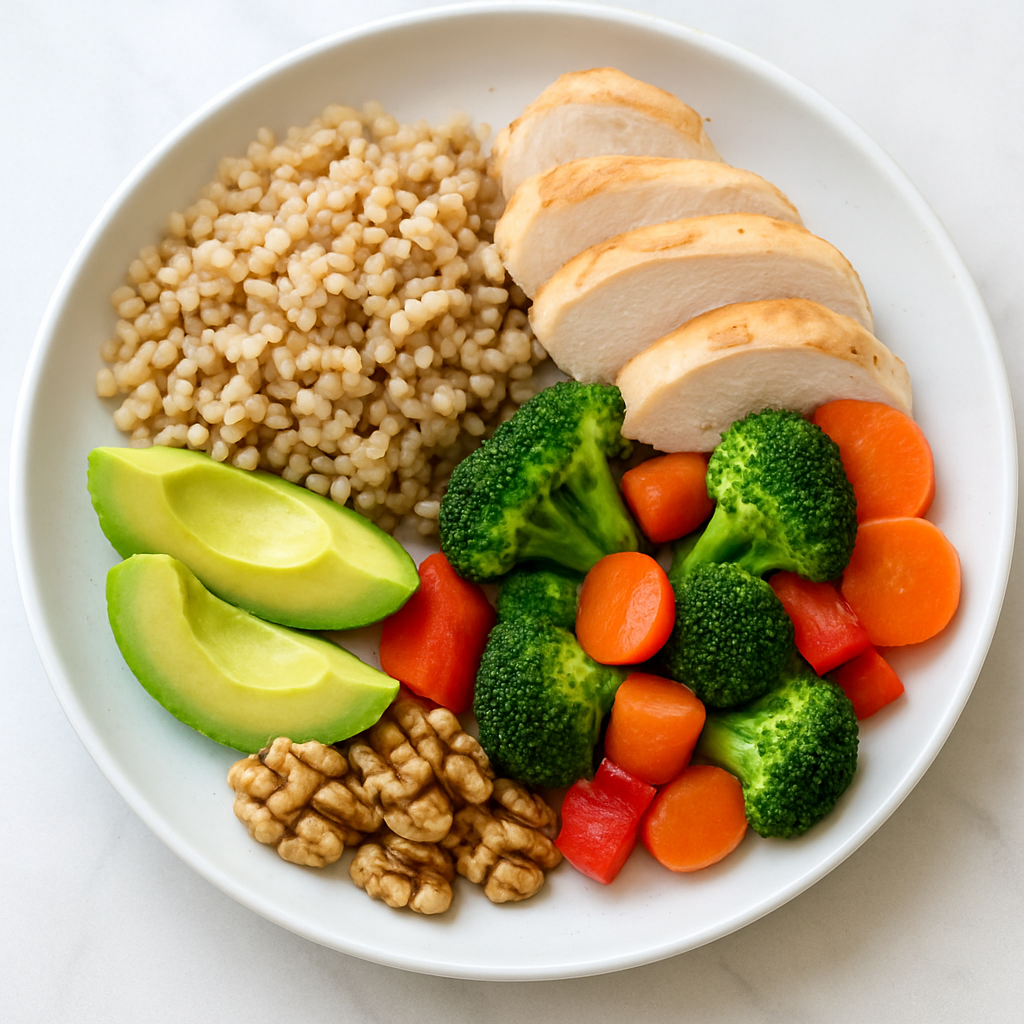
Nutrition is where many people trip. They train hard, then eat like discipline does not exist. Protein is especially important because it supports muscle repair and satiety. Most adults do better with regular protein intake across the day, along with enough carbohydrate to fuel harder sessions and enough fat to support hormones and general health. If you want the official numbers, the Dietary Guidelines for Americans are a decent place to start.
Here is the plain truth: progress tends to come from ordinary habits repeated for months, not from heroic bursts of suffering.
Step-by-step implementation guide
Good training works when it is simple enough to follow and hard enough to matter. If it is so complicated that you need a color-coded manual and a second job, it probably fails in the real world. I’ve seen that movie before.
- Set one primary goal. Decide whether you want to build muscle, lose fat, improve endurance, or get generally stronger. Mixed goals are possible, but one target should lead. People who say they want everything at once usually end up doing nothing well.
- Pick a basic weekly structure. A practical split might include 2-4 strength sessions and 2-3 cardio sessions, adjusted for recovery and schedule. Beginners often do well with full-body lifting three times per week. More advanced trainees may prefer upper/lower splits or push-pull-legs.
- Use progressive overload. Add a little weight, a few reps, or a small amount of volume over time. Not every workout needs to be brutal. Progress comes from repeated, measurable improvement.
- Train the major movement patterns. Squat, hinge, push, pull, carry, rotate, and brace. These patterns matter because they build useful strength and transfer to daily life.
- Eat enough protein. A common evidence-based range is roughly 1.6 to 2.2 grams per kilogram of body weight per day for people trying to build or preserve muscle. Spread intake across meals. No, one sad chicken breast at 9 p.m. does not fix a day of under-eating.
- Fuel workouts with carbohydrate when needed. Hard lifting, intervals, and endurance work usually go better with adequate carbs. Low-carb approaches can work for some people, but they are not magical, and they are often miserable for anyone doing serious training.
- Sleep like it matters. Because it does. Sleep supports hormone balance, tissue repair, appetite regulation, and mental focus. People who brag about four-hour nights often look and perform like it.
- Schedule recovery. Rest days, light movement, and deload weeks are not signs of weakness. They are how progress keeps moving. The body is not a martyrdom contest.
- Track a few data points. Measure body weight, waist circumference, workouts, step count, or resting heart rate. If you want a practical way to monitor health behavior, mobile tools can help, but only if you actually use them. Research and public health guidance both support simple tracking for adherence and awareness. See NIH wellness resources for a sober, non-gimmicky angle.
- Adjust based on results. If strength is rising, recovery is decent, and energy is stable, keep going. If progress stalls for weeks, the issue is usually food, sleep, or program design. Usually.
One more thing. People love to obsess over supplements while ignoring basics. Creatine is useful. Caffeine can help. Protein powder is convenient. Fine. But supplements sit on top of a real diet and real training. They do not replace them.

Comparison table
Below is the honest comparison between evidence-based training and the biggest competitor: trend-driven fitness plans. One is built on physiology. The other is built on attention spans.
| Feature | Evidence-Based Exercise Science | Trend-Driven Fitness Plans |
|---|
| Main goal | Long-term health and performance | Fast excitement and novelty |
| Training structure | Progressive, measurable, adaptable | Random, extreme, often unsustainable |
| Nutrition | Supports recovery and body composition | Often restrictive or contradictory |
| Recovery | Planned and respected | Treated as optional |
| Results | Slower at first, more durable | Quick hype, weak retention |
| Injury risk | Generally lower when programmed well | Often higher due to excess or bad form |
| Mental effect | Builds confidence and routine | Can create frustration and burnout |
| Best for | Most people, especially long term | People chasing a temporary kick |
Here is the bottom line. The boring method usually wins. It just does not sell as well.
Common mistakes to avoid
People make the same mistakes over and over, and then act surprised when the plan fails. Human nature is funny that way.
- Doing too much too soon. Beginners often start with excessive volume, too much soreness, and no room to recover. That is not dedication. That is sloppy pacing.
- Copying elite athletes. Your life is not a pro sports contract. Advanced programs, aggressive fasting, two-a-day workouts, and hard intervals every day are not for most people.
- Ignoring protein and total calories. Training creates demand. Food meets it. If intake is too low, muscle gain stalls, recovery worsens, and hunger gets ugly.
- Chasing sweat instead of adaptation. Sweating more does not mean better training. It means your body is hot. That is all.
- Treating cardio and lifting like rivals. They are partners, not enemies. Each supports different health outcomes. A grown-up program includes both.
- Skipping sleep and pretending supplements fix it. They do not. Not even close.
- Believing every viral claim. Detox teas, metabolism hacks, fat-burning gummies, and “one weird trick” nonsense should be treated with the contempt they deserve.
- Forgetting the moral center of health. The body is worthy of care, not abuse. Health habits should serve a stable, dignified life, not vanity or self-punishment. That principle alone would save a lot of people from foolish extremes.
If you want a reliable overview of exercise recommendations, the World Health Organization physical activity guidance is a solid public reference.
Frequently asked questions
How much exercise do I need each week?
Most adults should aim for at least 150 minutes of moderate aerobic activity or 75 minutes of vigorous activity, plus muscle-strengthening work at least two days per week. More can be fine if recovery holds up.
Is strength training better than cardio?
No. That question is lazy. Strength training improves muscle, bone, and function. Cardio improves heart and lung fitness. You need both for a complete program.
What should I eat after a workout?
A meal with protein and carbohydrate is usually a good idea. Exact timing is less important than overall daily intake, but eating within a reasonable window helps recovery and makes sense for most people.
Do I need supplements to get results?
Usually no. Some supplements, like creatine and caffeine, can help in specific cases. But food, sleep, and training quality matter far more.
Final thought
The best training plan is the one that respects the body, fits real life, and keeps working after the novelty wears off. That may sound ordinary, but ordinary is where durable health lives. Extreme plans often look impressive for a week and then collapse under their own nonsense.
If I had to reduce the whole subject to one sentence, it would be this: train with purpose, eat like recovery matters, sleep like your health depends on it, and remember that the body is not a toy. It is something to steward wisely. That is not a dramatic slogan. It is just the truth, and the truth tends to age better than fitness marketing.
When people stop chasing hacks and start respecting physiology, the results are usually quieter, steadier, and far more useful. Stronger muscles. Better stamina. Fewer aches. More energy. A calmer mind. Not glamorous, perhaps, but real. And real is what lasts.