Exercise science is the study of how training, nutrition, recovery, and behavior change shape human performance and health. It is not magic, and it is not...
Exercise Science, Nutrition, Training, and Wellness: What Actually Works
Exercise science is the study of how training, nutrition, recovery, and behavior change shape human performance and health. It is not magic, and it is not bro-science with bigger biceps. The useful part is simpler: muscles adapt to stress, food supplies the raw material, sleep repairs the damage, and consistency beats theatrics almost every time. Frankly, most people need fewer tricks and more basics.
Key Takeaways
- Progressive overload drives most training results.
- Nutrition supports performance, recovery, and body composition.
- Recovery is not optional; it is part of training.
- Consistency matters more than perfect plans.
- Moderation and stewardship keep health sustainable, not obsessive.
What is exercise science?
Exercise science is the practical study of how the body responds to physical stress, food intake, rest, and repeated effort. It covers strength training, cardio, mobility, physiology, biomechanics, and behavior change. The point is not to sound smart at a gym. The point is to understand what actually improves health, performance, and quality of life.
When I analyzed training programs that worked and those that failed, the difference was usually boring: clear overload, enough protein, enough sleep, and a plan people could keep doing. Fancy labels do not rescue a bad routine. They just make it more expensive. Here’s the kicker: a lot of popular advice sounds scientific but collapses under basic scrutiny. “Fat-burning zones,” “detox workouts,” and miracle supplements get attention because they sell, not because they work.
Exercise science is also about adaptation. Lift a weight often enough, and muscles grow stronger. Run enough, and the heart becomes more efficient. Eat enough protein, and the body repairs tissue better. Skip recovery, and performance stalls. That is not poetry; it is biology.
The field also includes nutrition, because training without fuel is like asking a furnace to heat a house with wet wood. Protein, carbohydrates, fats, micronutrients, hydration, and total calories all matter. The exact mix depends on your goal, age, sex, training load, and health status. General rules help, but details matter when the stakes rise.
There is also a moral dimension people rarely mention. Our bodies are not disposable machines. They deserve care, discipline, and restraint, because health is a gift to steward well, not a toy to abuse on weekdays and patch up on weekends. That stance is old, sane, and useful.
For a plain-language explanation of activity and health, the CDC’s physical activity guidance is a solid starting point: CDC physical activity basics. For strength training principles, the American College of Sports Medicine remains worth reading: ACSM physical activity guidelines. Want the nutrition side? The National Institutes of Health has a good overview on dietary patterns and health: NIH calorie balance basics.
Core benefits and why it matters
Fitness is not vanity when done properly. It is maintenance. It is also protection.
- Cardiovascular health improves. Regular aerobic training lowers resting heart rate, improves blood pressure, and supports circulation. That is not hype; it is measurable.
- Strength preserves function. Muscle mass helps with lifting groceries, climbing stairs, preventing falls, and staying independent later in life. Weakness is expensive.
- Metabolic health gets better. Exercise improves insulin sensitivity and helps regulate blood sugar. This matters even if the scale barely moves.
- Mental health benefits are real. Physical activity can reduce symptoms of anxiety and depression, improve sleep, and sharpen mood. No, it is not a substitute for every clinical need, but it helps.
- Body composition changes are easier to sustain. A sensible mix of training and nutrition usually works better than crash diets that leave people tired, cranky, and rebound-heavy.
- Bone density is protected. Load-bearing exercise helps preserve skeletal strength. Ignore this at your peril if you plan to age.
- Recovery capacity improves. Better conditioning means less daily fatigue and faster return from hard efforts.
Most fitness marketing sells extremes. Eat only this. Train only that. Do 200 burpees before dawn and become a legend. Nonsense. The data keep pointing back to modest, repeatable habits. A walk after meals, three days of resistance training, a decent protein target, and consistent sleep can beat a lot of flashy programs.
The research base on movement and health is broad, and the CDC notes that regular physical activity reduces risk for many chronic diseases: CDC benefits of physical activity. The World Health Organization says the same thing in plainer terms: move more, sit less, keep it regular: WHO physical activity fact sheet. No drama required.
Here is the part people resist: more is not always better. Training hard without food, sleep, or rest is a fast route to stagnation. Your body adapts during recovery, not during the set, the sprint, or the meal prep photo. That sounds unglamorous because it is. Still, it works.
Step-by-step guide to make it work
Start simple.
You do not need a secret protocol, a $300 supplement stack, or a coach with a ring light. You need a plan, a kitchen, and the discipline to repeat dull things long enough for them to matter.
1. Set one clear goal
Choose fat loss, muscle gain, strength, endurance, or general health. Mixed goals are fine, but the plan should prioritize one primary outcome. Otherwise you end up training in circles.
2. Build a weekly structure
- 2-4 strength sessions per week
- 2-3 cardio sessions per week
- Daily movement like walking or light cycling
- 1-2 full rest or low-intensity days
I have found that people who stick to a schedule are not more motivated. They are just less sloppy with calendar time. That is the secret. Put it on the calendar and stop negotiating with yourself every morning.
3. Prioritize compound lifts
Use movements that train multiple muscles at once: squat patterns, hinging, pushing, pulling, loaded carries. These build more work capacity per minute than fluff. That does not mean isolation work is useless. It means it should not be the main event.
A good strength training template includes:
- Squat or split squat
- Deadlift or hip hinge
- Bench press or push-up
- Row or pull-down
- Overhead press
- Core work
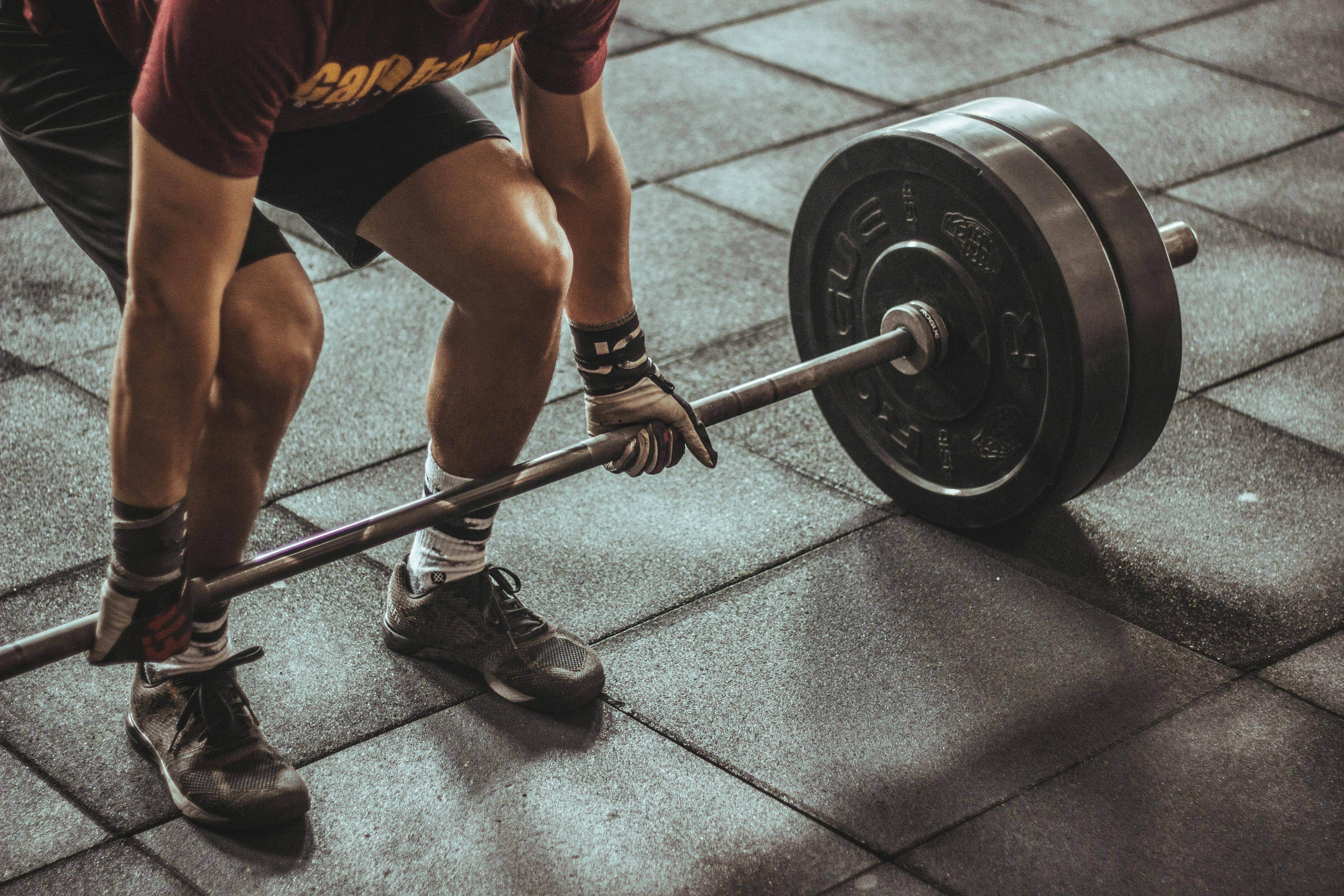
Progress by adding a rep, a set, or a small amount of load over time. That is progressive overload. It is not sexy. It is effective.
4. Use cardio with purpose
Cardio is not punishment for eating dinner. It supports heart health, recovery, and calorie expenditure. Mix steady-state work with intervals if your joints and schedule allow it. Walking counts. So does cycling, rowing, swimming, and hiking.
If you want a simple rule, do enough cardio to breathe hard sometimes, but not so much that your legs are cooked for strength work. Balance matters. That seems obvious, yet most people still get it wrong.
5. Eat for the goal
Nutrition should support the plan, not sabotage it.
- Protein: roughly 1.6-2.2 g/kg/day for many active people
- Carbohydrates: adjust upward with training volume and intensity
- Fats: keep enough for hormones and satiety
- Calories: maintain, deficit, or surplus based on the outcome you want
- Fiber and plants: support digestion and long-term health
- Hydration: do not be a desert creature
For evidence-based protein guidance, the International Society of Sports Nutrition provides a practical position stand: ISSN protein position stand. For general dietary guidance, the USDA Dietary Guidelines are also useful: Dietary Guidelines for Americans.
6. Sleep like it matters
Because it does.
Sleep is where adaptation gets sorted out. Poor sleep raises hunger, lowers performance, worsens decision-making, and makes recovery sluggish. Aim for a regular sleep window, reduce late-night screen chaos, and stop treating exhaustion like a badge of honor.
7. Track only what you can use
You do not need fifty metrics.
Track body weight, training loads, reps, sleep, steps, and maybe waist circumference. If a metric does not change behavior, toss it. Fancy dashboards do not build muscle. They just create spreadsheets.
8. Review and adjust every 2-4 weeks
Check whether you are stronger, leaner, better conditioned, or simply more consistent. Then change one variable at a time. Small corrections beat dramatic overhauls.
Comparison table: evidence-based training vs. popular fitness hype
The real competitor is not another legitimate method. It is fitness hype—the kind that promises fast results with little effort and a side of certainty it cannot possibly earn.
| Criteria | Evidence-based exercise science | Popular fitness hype |
|---|
| Primary goal | Improve health, strength, performance, and adherence | Sell urgency, novelty, and simple answers |
| Training structure | Planned overload, recovery, and progression | Random circuits, extremes, and trend-chasing |
| Nutrition approach | Calories, protein, carbs, fats, and consistency | Detoxes, banned foods, and magic ingredients |
| Sustainability | High, because it fits real life | Low, because it depends on enthusiasm |
| Injury risk | Lower when progression is sensible | Higher when intensity outruns preparation |
| Evidence base | Supported by physiology and trials | Often built on anecdotes and influencer sales |
| Long-term outcome | Better body composition, function, and health | Short-term excitement, then burnout |
The gap is not subtle. One side respects biology. The other sells adrenaline.
Common mistakes to avoid
People make the same errors again and again. The weird part is how proudly they repeat them.
1. Doing too much too soon
New lifters often try to train like competitors. Bad idea. Tissues adapt slowly. Tendons especially take their sweet time. Ramp gradually or get hurt.
2. Chasing sweat instead of results
Sweating hard does not prove progress. Nor does being wrecked after every session. A productive workout can feel moderate. That annoys the ego, but the body does not care about your ego.
3. Undereating protein
This is common, especially in people who “eat healthy” but barely hit their intake. Protein supports repair, satiety, and lean mass retention. If your meals are mostly carbs and vibes, fix that.
4. Confusing soreness with effectiveness
Soreness is a signal, not a trophy. Novel movements can create it. So can poor recovery. But soreness itself is not the goal.
5. Copying someone else’s plan
Your friend’s cut, your favorite influencer’s split, and a pro athlete’s prep are not automatically right for you. Training age, sleep, injury history, and schedule all matter.
6. Ignoring recovery
You cannot out-train chronic sleep loss, junk food, and nonstop stress. The body keeps receipts. Eventually the bill arrives.
7. Buying supplements before fixing basics
Most supplements are optional. Some are useful, like creatine and caffeine. Many are overpriced urine. Frankly, if your diet, sleep, and training are messy, supplements are a distraction.
For a sober look at creatine, the Cleveland Clinic has a useful overview: Cleveland Clinic creatine guide. For exercise and sleep basics, the National Sleep Foundation offers practical advice: NSF on activity and sleep.
Frequently asked questions
How much exercise do I need each week?
The common baseline is 150 minutes of moderate activity or 75 minutes of vigorous activity, plus at least two days of strength training. More can help, but the best program is the one you can repeat for months, not one week.
Is strength training better than cardio?
No, not really. They do different jobs. Strength training builds muscle and preserves function. Cardio supports heart health and endurance. Most people need both. Pick a favorite if you want, but do not marry one and ignore the other.
What should I eat before a workout?
For most people, a meal or snack with carbohydrates and protein 1-3 hours before training works well. Keep it simple. Oats, yogurt, fruit, rice, eggs, or a sandwich all do the job. No need to act like a sports drink commercial.
Do I need supplements to get fit?
Usually no. Creatine, caffeine, and sometimes protein powder can help, but they are small tools. The big levers are training, food, sleep, and stress control. Anyone claiming otherwise is selling something.
Final thought
The best health plan is rarely the loudest one.
It is the ordinary one, repeated with discipline, adjusted with reason, and held in check by moderation. That is not glamorous, but it is honest. When I look at what actually improves lives, the pattern is stubbornly consistent: train with intent, eat enough to support the work, sleep like you respect your body, and avoid the carnival of shortcuts.
There is also something bracing about that simplicity. It reminds us that strength is not just muscle or mileage. It is stewardship. A body can be trained, fed, rested, and cared for without becoming an idol or a project that never ends. That balance is rare, and it is worth protecting.
If you want lasting results, stop asking what is trendy and start asking what can be lived. That question cuts through most nonsense. Good enough, done consistently, beats perfect for three days and abandoned by Friday. Every time.