Exercise science is the study of how the body adapts to stress from movement, food, sleep, and recovery. It is not folklore, and it is not influencer theater...
Exercise science is the study of how the body adapts to stress from movement, food, sleep, and recovery. It is not folklore, and it is not influencer theater. The real question is simple: what improves health, performance, and longevity without wasting time? The answer usually comes back to progressive overload, adequate protein, enough sleep, and consistency.
Key Takeaways
- Training works when the dose matches the goal.
- Nutrition matters most when it is boring and repeatable.
- Recovery is not laziness; it is part of the program.
- Cardio and strength training solve different problems.
- Most “optimal” advice fails because people cannot sustain it.
What is exercise science?
Exercise science is the practical study of how muscles, heart, lungs, nerves, and metabolism respond to stress. The body adapts to what you repeat. Lift heavier, and muscle and force production improve. Run more, and aerobic capacity rises. Eat enough protein, and tissue repair gets easier. Sleep poorly, and all of it gets worse.
I have looked at enough training plans to know that the flashy ones usually disappoint. Frankly, the basics win because biology is stubborn. You do not need a magic protocol. You need a plan that respects human limits, because the body is not a machine to be bullied. It is more like a living system that responds to wise stewardship.
Most internet fitness talk is a stew of half-truths. People confuse effort with effectiveness. They treat soreness like proof. They chase sweat, not adaptation. The research says something less glamorous: consistency, progressive loading, sufficient protein, and recovery predict results better than gimmicks. See the American College of Sports Medicine’s guidance on training principles at ACSM and the CDC’s physical activity recommendations at CDC.
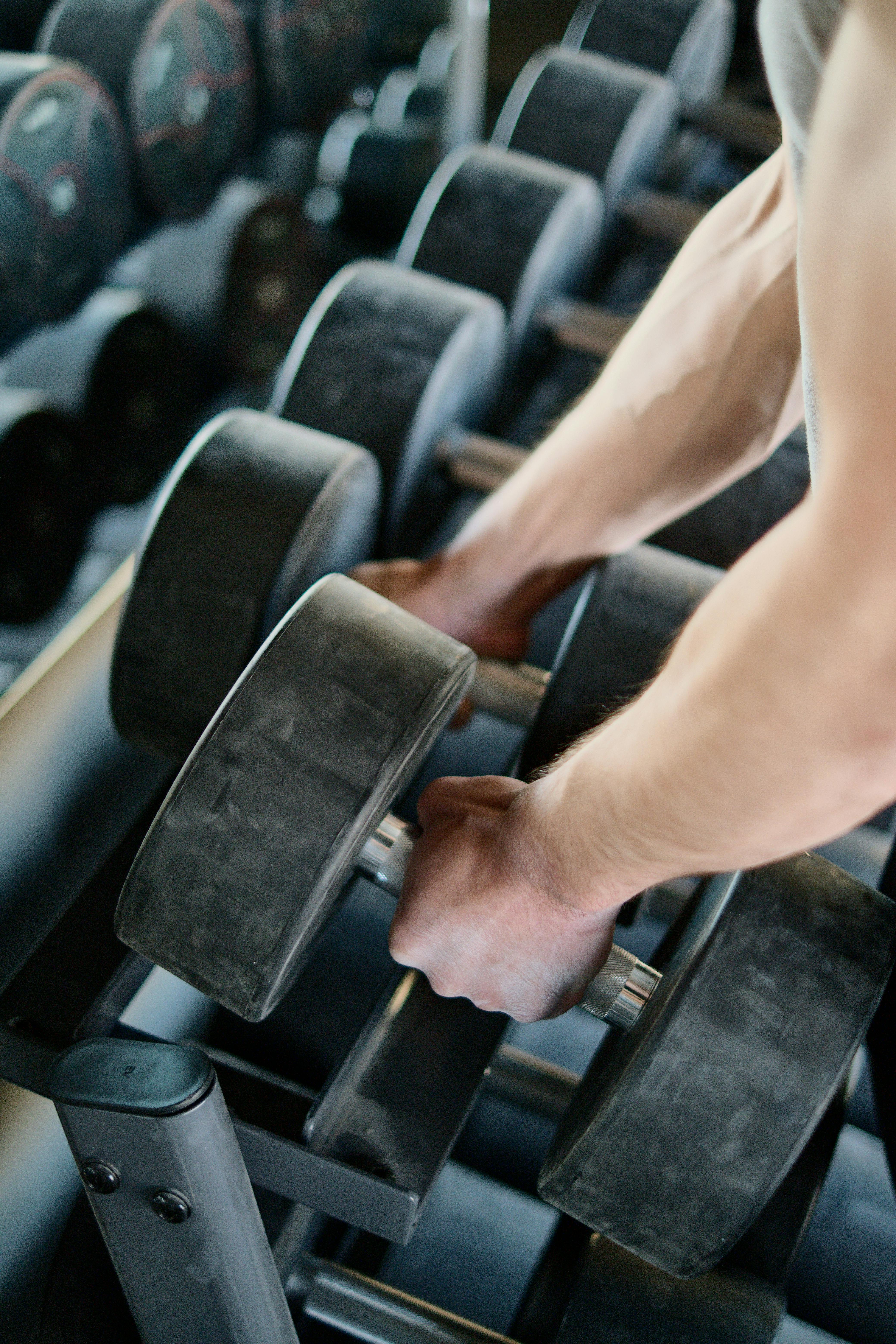
Exercise science also covers motor learning, fatigue, energy systems, and behavior. That is the meat of it. Not buzzwords. Not “biohacks.” Real training changes the body because repeated stress, paired with recovery, creates adaptation. Without recovery, you just accumulate fatigue. Without progression, you just rehearse the same effort.
A sensible program respects the whole person. Strength, cardio, mobility, nutrition, sleep, stress, and habit formation all matter. Ignore one piece long enough, and the rest start to wobble. That is not philosophy; it is how bodies behave.
Core Benefits/Importance
- Better metabolic health. Regular exercise improves insulin sensitivity, blood pressure, and body composition. It is not a cure-all, but it is one of the strongest levers we have.
- More strength and function. Strength training supports everyday tasks, bone density, and aging well. That matters more than a beach photo.
- Improved cardiorespiratory fitness. Cardio improves heart and lung capacity, which is strongly tied to long-term health.
- Sharper recovery and resilience. Good training builds tolerance to stress, provided the dose is reasonable.
- Psychological benefits. Exercise can improve mood, sleep quality, and perceived stress. The data are boring because the effect is real.
Let’s be real: most people are not failing because they need a fancier split. They are failing because they try to do too much, too fast, then quit when life pushes back. A modest, repeatable plan beats a heroic one that collapses by Thursday.
There is also a moral dimension people rarely mention. Your body is not disposable. It deserves care, not punishment. Moderation is not weakness. It is usually wisdom.
For nutrition basics, the NIH’s MedlinePlus summary on healthy eating is a clean reference at MedlinePlus, and the Academy of Nutrition and Dietetics offers practical evidence-based guidance at EatRight.
Step-by-Step Implementation/Guide
- Set the goal clearly. Do you want muscle, fat loss, endurance, or general health? Pick one primary target.
- Choose the right training mix. Use strength training 2-4 times weekly, cardio 2-5 times weekly, and mobility as needed.
- Start below your limit. I have seen better results from people who start too easy than from people who start like they are auditioning for a collapse.
- Track the dose. Record sets, reps, load, pace, duration, and how hard it felt.
- Progress gradually. Add a little weight, a little volume, or a little distance over time.
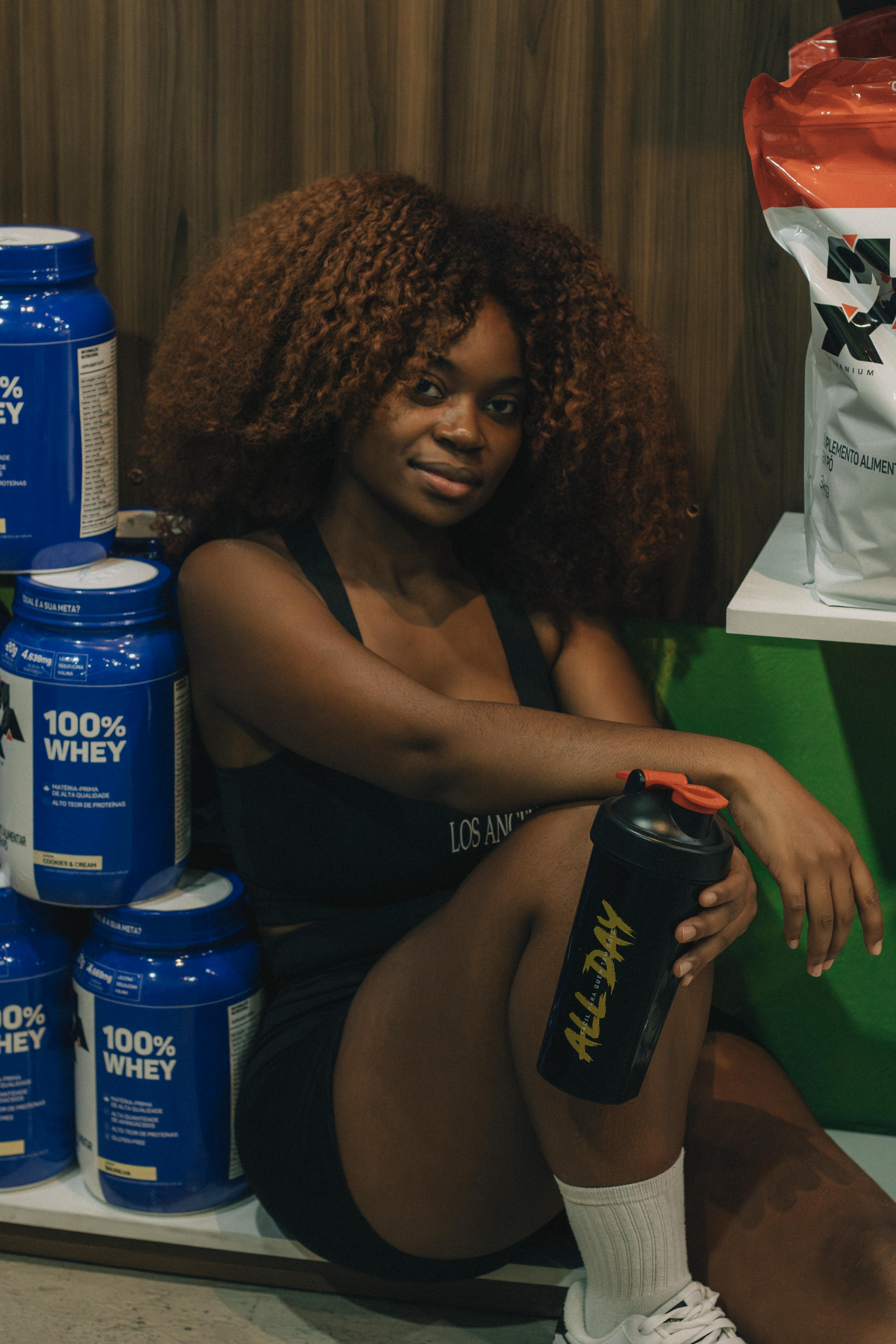
- Eat for the goal. Protein supports muscle repair; carbs help training output; fats support hormones and health.
- Sleep like it matters. Because it does. Seven to nine hours is the usual target for adults.
- Review every 4-8 weeks. If the plan is not working, change one variable, not ten.
The workout plan that works is rarely the one that looks impressive on paper. It is the one you can repeat on a tired Tuesday. That is where the results live.
For movement guidance, the WHO’s physical activity fact sheet is useful at WHO, and the National Institute on Aging has practical advice for older adults at NIA.
Comparison Table
| Feature | Exercise Science Approach | Biggest Competitor: Fitness Fads |
|---|
| Basis | Research, physiology, behavior | Anecdotes, influencers, trends |
| Progression | Planned and measured | Random and dramatic |
| Nutrition | Adequate protein, energy balance | Restriction, detox claims, miracle foods |
| Recovery | Built into the plan | Ignored or treated as optional |
| Sustainability | High if scaled correctly | Low; often burns out users |
| Results | Slower, steadier, durable | Fast promises, weak follow-through |
Common Mistakes to Avoid
- Doing too much too soon. This is the classic rookie error.
- Chasing soreness. Soreness is not the goal. Adaptation is.
- Ignoring protein. If you train hard and eat like a bird, do not expect much.
- Skipping sleep. Sleep debt ruins recovery and appetite control.
- Program hopping. Constantly changing plans means you never accumulate enough work.
Most advice online sells excitement. The body prefers repetition.
A subtle but important point: discipline is not about self-obsession. It is about ordering your habits so they serve your actual life, not the other way around.
Frequently Asked Questions
How many days per week should I exercise?
Most adults do well with 3-5 days of structured training, plus daily movement.
Is strength training better than cardio?
Neither is “better” in general. Strength helps muscle and bone; cardio helps heart and lung fitness. Most people need both.
How much protein do I need?
A common evidence-based range is roughly 1.2-2.2 g/kg/day depending on goals, size, and activity level.
What matters most for fat loss?
A sustainable calorie deficit, enough protein, regular movement, and enough sleep.
Final thought: the best program is the one that respects biology and human weakness at the same time. Good training should leave you stronger, steadier, and more useful to others. That is the point. Fitness is not self-worship. It is stewardship.