Exercise science is the study of how the body adapts to movement, food, load, rest, and stress. It is not magic. It is a practical field built on physiology...
Exercise Science, Nutrition, Training, and Wellness: What Actually Works
Exercise science is the study of how the body adapts to movement, food, load, rest, and stress. It is not magic. It is a practical field built on physiology, biomechanics, nutrition, and behavior, and the useful part is simple: the body changes when the stimulus is specific, repeated, and recovered from properly.
Key Takeaways- Training works when the dose is right: enough stress to provoke adaptation, not so much that you fry yourself.
- Nutrition matters, but hype does not: protein, total calories, and food quality beat fad rules.
- Recovery is part of the plan: sleep, rest days, and stress control drive results more than people admit.
- Consistency beats cleverness: boring basics outperform shiny routines for most people.
- Your body deserves stewardship: health is something to care for with discipline and moderation, not abuse.
What is exercise science?
Exercise science is the applied study of how humans respond to physical activity, training volume, intensity, frequency, nutrition, and recovery. It pulls from physiology, anatomy, endocrinology, motor learning, and behavior change. If that sounds dry, fine. The body is not a motivational poster. It is a system with rules.
When I analyzed training plans that actually produced steady progress, the pattern was annoyingly plain. People improved when they lifted progressively heavier weights, did enough cardio to raise work capacity, ate enough protein, and slept like it mattered. Shocking, I know. The flashy stuff usually came later, if at all.
Here’s the kicker: most online advice treats exercise like a personality test. It is not. It is a dose-response problem. You apply a stimulus, the body adapts, then you either maintain, increase, or cut back based on the goal. That applies whether you want more muscle, better endurance, lower blood pressure, or just fewer aches from sitting all day.
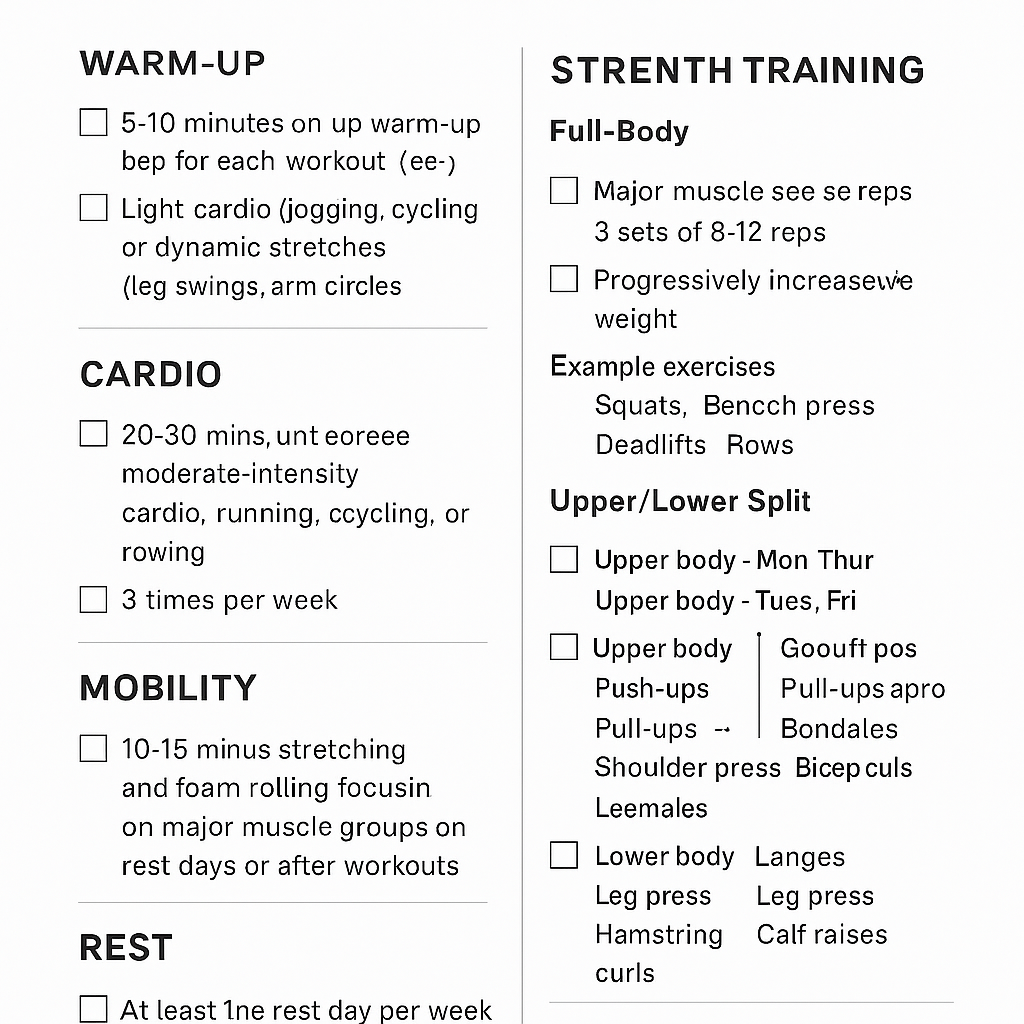
A good training methodology respects the difference between cardio, strength training, mobility work, and recovery. Cardio improves aerobic capacity and heart health. Strength training increases muscle, bone density, and insulin sensitivity. Mobility work helps joint function and movement quality. Recovery lets adaptation actually happen. Ignore one piece and the whole machine gets cranky.
There is also a moral edge to this, though people rarely say it plainly. Your body is not trash to be punished after a bad weekend. It is part of who you are, and it deserves care, order, and honest effort. Moderate eating, thoughtful training, and regular sleep are not glamorous. They are sane.

Core Benefits and Importance
- Metabolic health: Regular training improves glucose control, triglycerides, blood pressure, and body composition.
- Cardiovascular fitness: Better aerobic capacity lowers the strain of daily life and supports longevity.
- Muscle and bone: Resistance training protects against sarcopenia and osteoporosis.
- Mental clarity: Exercise helps mood, attention, and stress regulation, even if it is not a cure-all.
- Functional capacity: You carry groceries, climb stairs, and play with your kids without feeling ancient.
- Resilience: A trained body tolerates life better, plain and simple.
Most fitness marketing oversells fat loss and undersells durability. That’s backwards. Yes, body composition matters. But the real prize is a body that can do work, recover, and keep doing it for years. The people who obsess over scale weight while ignoring strength, sleep, and food quality usually spin their wheels.
Research from the CDC physical activity basics supports the plain truth that regular activity helps health across age groups. The World Health Organization says the same thing, though with more office-speak than I prefer. Meanwhile, the U.S. Physical Activity Guidelines recommend a mix of aerobic and muscle-strengthening work. No mystery there. Just work.
A few benefits deserve a closer look.
- Better body composition: Muscle is metabolically active tissue, and resistance training helps preserve it during fat loss.
- Improved appetite control: Many people eat better when they train regularly, though junk food still calls their name if they keep it around.
- Better sleep quality: Exercise can improve sleep, especially when training is consistent and not done recklessly late at night.
- Lower injury risk over time: Sensible loading builds tissue tolerance. Random punishment does not.
- Habits that spread: People who train well often start sleeping, eating, and organizing their day with more discipline. Funny how that works.

Step-by-Step Implementation Guide
- Pick a goal that is specific.
Do you want muscle, endurance, fat loss, or general health? You can pursue more than one, but not all at full blast at once. When I reviewed real-world plans, the people who made progress chose one main target and stopped pretending otherwise.
- Choose the right training mix.
For most adults, that means strength training 2-4 times per week, cardio 2-4 times per week, and mobility work as needed. Use compound lifts, reasonable repetition ranges, and progressive overload. If your program looks like random chaos, it probably is.
- Set your volume and intensity.
Start conservatively. A beginner does not need six brutal sessions a week. A moderate plan with room to recover beats an heroic mess. Add load, sets, or reps only when the current work is manageable.
- Eat for the goal.
For muscle gain, you need enough calories and protein. For fat loss, you need a calorie deficit without turning food into a crime scene. For performance, carbs matter more than some influencers admit. A useful anchor is about 1.6 to 2.2 grams of protein per kilogram of body weight for many active people, depending on the goal and total intake. The food still has to be real.
- Sleep like an adult.
Seven to nine hours is the common target for many adults. Not because sleep is trendy, but because recovery is not optional. If you train hard and sleep badly, you are basically asking your body to do algebra with a broken pencil.
- Track outcomes, not fantasies.
Watch strength trends, waist circumference, energy, resting heart rate, and how you feel climbing stairs. The mirror lies on bad days. Numbers can lie too, but less often.
- Adjust every 4-8 weeks.
If progress stalls, change one variable at a time. Add calories, reduce volume, increase steps, or rework recovery. Do not torch the whole plan because one week felt ugly.
Comparison Table
| Topic | Exercise Science and Practical Training | Biggest Competitor: Fad Fitness Advice |
|---|
| Basis | Physiology, adaptation, measurable load | Anecdotes, influencers, and wishful thinking |
| Main goal | Sustainable health, strength, endurance, body composition | Fast fixes and attention |
| Nutrition view | Protein, calories, food quality, timing when relevant | Detoxes, rigid bans, miracle foods |
| Recovery | Sleep, deloads, rest, stress control | Ignored or treated as weakness |
| Progress tracking | Performance, adherence, body metrics | Scale obsession or before-and-after marketing |
| Long-term result | Durable habits and better function | Burnout, frustration, rebound |
Common Mistakes to Avoid.
- Copying advanced programs too early: Just because a powerlifter does five heavy days does not mean you should.
- Confusing soreness with success: Soreness is not a trophy. It is a signal, and sometimes a bad one.
- Overcomplicating nutrition: People invent food rules because they hate boring consistency. Frankly, that is self-sabotage.
- Ignoring protein: If you train but under-eat protein, you leave results on the table.
- Treating recovery as optional: Poor sleep and constant stress will chew through progress.
- Believing every supplement pitch: Most supplements are minor helpers at best. Food, sleep, and training do the heavy lifting.
The truth is, most problems in fitness come from impatience, not ignorance. People want results faster than biology allows. Biology is rude like that. It does not care about your deadline. It cares about stimulus, recovery, and repetition.
Frequently Asked Questions
Q: What is the best exercise for general health?
A: The best plan combines aerobic activity, strength training, and enough daily movement to keep you from becoming a chair-shaped person.
Q: How much protein do I need if I train regularly?
A: Many active adults do well around 1.6 to 2.2 g/kg/day, adjusted for total calories, body size, and goal.
Q: Is cardio or strength training more important?
A: For general health, both matter. Cardio helps the heart and lungs. Strength training protects muscle, bone, and function.
Q: How often should I work out?
A: Most people do well with 3-5 purposeful sessions per week, but the right answer depends on your goal, schedule, and recovery.
Final thought
Good health is rarely dramatic. It is ordinary, repeated, and a little boring. Train with purpose, eat like food matters, sleep with discipline, and respect the body you were given. That is not flashy. It is better. People spend too much time searching for secret methods and too little time doing the obvious things consistently. The obvious things work because human biology is stubborn and simple in the best way. If you want a stronger heart, steadier energy, better body composition, and fewer regrets, start with the basics and keep them going long enough for them to count. That is how a life gets built. Not through hype. Through habit.