Exercise science is the study of how the body adapts to physical stress, while nutrition, training methods, recovery, and sleep determine whether those...
Exercise Science, Nutrition, Training, and Wellness: What Actually Works
Exercise science is the study of how the body adapts to physical stress, while nutrition, training methods, recovery, and sleep determine whether those adaptations become stronger muscles, better endurance, or just a sore ego. Most advice online is noisy, contradictory, and often plain wrong. The useful part is simpler: train with purpose, eat enough protein and fiber, recover like it matters, and stop pretending sweat alone equals progress.
Key Takeaways:- Exercise science explains why some programs work and others waste time.
- Nutrition drives performance, body composition, and recovery.
- Strength training and cardio solve different problems; both matter.
- Recovery is not laziness; it is where adaptation happens.
- Consistency, moderation, and sane habits beat flashy hacks.
What is Exercise Science, Nutrition, Training, and Wellness?
It is the practical study of how movement, food, rest, and behavior interact to shape health. Exercise science covers biomechanics, physiology, motor learning, and adaptation. Nutrition covers energy balance, protein needs, micronutrients, hydration, and timing. Training methodology asks what stimulus to apply, how hard, how often, and for how long. Wellness adds sleep, stress control, and habits that keep the whole machine working.
Frankly, a lot of fitness advice is costume jewelry. It sparkles, but it does not hold up. When I analyzed training plans that produced real results, the winners were rarely exotic. They used progressive overload, adequate protein, enough volume to matter, and enough rest to avoid trashing the joints. Who would have guessed that boring works?
The body is not a vending machine. Push a button, get a result. It is a living system that responds to repeated signals, and those signals must be sized correctly. Too little stimulus, and nothing changes. Too much, and performance drops, sleep worsens, hunger spikes, and injury risk climbs. The sweet spot is usually less dramatic than social media wants.
For a deeper evidence base on training and diet quality, see the CDC’s guidance on physical activity at CDC physical activity basics, the NIH’s overview of exercise and health at NIH exercise and physical activity, and the Academy of Nutrition and Dietetics on smart eating patterns at EatRight wellness guidance. Those sources are plain, sober, and far more useful than whatever nonsense is trending this week.
A Catholic view fits here without theatrics. Your body is not a toy, and it is not disposable. It deserves care, discipline, and moderation, because stewardship is better than indulgence. That means training hard when needed, resting when required, and eating in a way that supports work, family, and service.
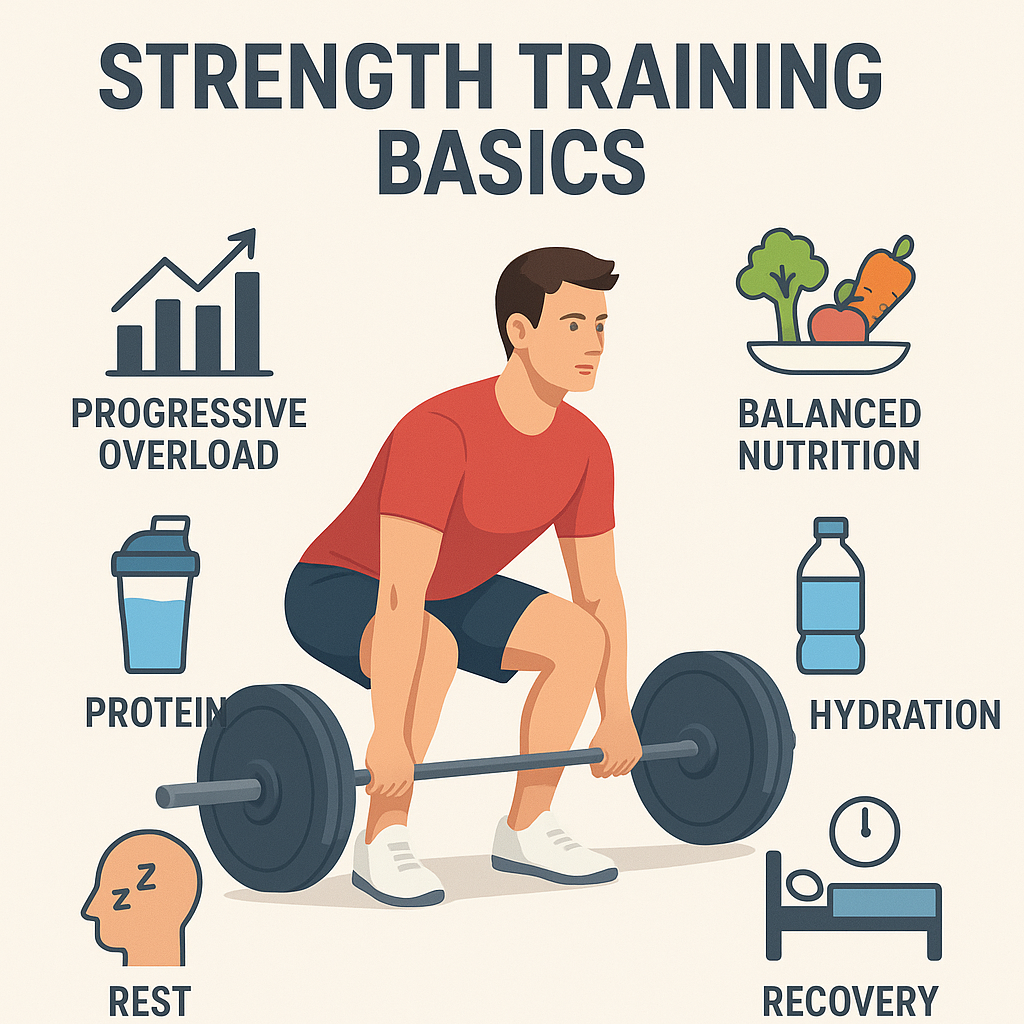
Core Benefits and Importance
- Better health markers. Regular exercise improves blood pressure, insulin sensitivity, lipid profiles, and cardiorespiratory fitness. The data are not subtle.
- More lean mass and strength. Strength training preserves muscle during weight loss and improves function with age. Muscle is not vanity; it is metabolic and structural insurance.
- Improved endurance. Cardio increases mitochondrial capacity, stroke volume, and recovery between efforts. Winded on stairs is not a personality trait.
- Sharper body composition. Nutrition plus resistance training beats random dieting. Starving yourself is not a plan.
- Better sleep and mood. Exercise can reduce anxiety symptoms, improve sleep quality, and support general well-being. No, it is not a cure-all.
- Lower injury risk over time. Well-designed training improves tissue tolerance, coordination, and movement control. Reckless weekend warrior behavior does the opposite.
- Greater independence with age. Squatting, carrying, climbing, and getting off the floor matter. Vanity fades; function does not.
Here is the kicker. Most people think they need a more brutal program. Usually they need a smarter one. More is not always better. Better is better.
Research summaries from ACSM physical activity guidelines and the World Health Organization physical activity fact sheet agree on the basics: move often, train strength, and reduce long sedentary stretches. The same pattern shows up in nutrition guidance from the Harvard Healthy Eating Plate. Nothing fancy. Just standards that work.
Step-by-Step Implementation Guide
- Set the goal clearly. Fat loss, muscle gain, endurance, mobility, or general health each needs a different emphasis. I have seen people fail because they used a bodybuilding split to train for a 10K, then blamed genetics. Wrong tool, wrong job.
- Pick the minimum effective training dose. Start with 2-4 strength sessions per week, 2-3 cardio sessions if needed, and daily walking. Add volume only when progress stalls. The body adapts to stress, not drama.
- Use progressive overload. Add a little weight, a rep, a set, or better form over time. Keep a log. If you do not track anything, you are guessing with dumbbells.
- Prioritize compound lifts and movement quality. Squats, hinges, presses, pulls, lunges, carries, pushes, and locomotion cover a lot of ground. Machines are useful too, but do not let them replace basic strength work.
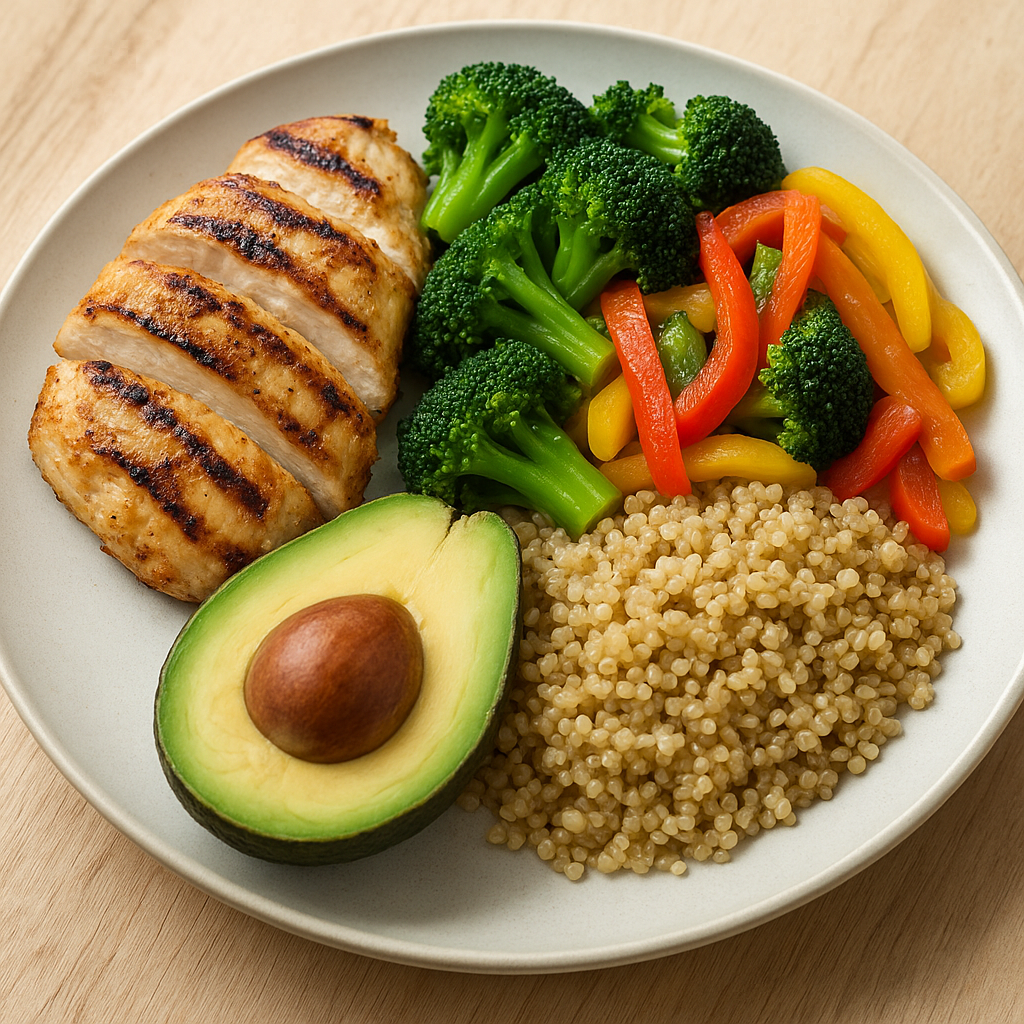
- Match nutrition to the goal. Protein is the anchor. Fiber keeps appetite and gut health in check. Carbohydrates help training performance, especially for higher volumes. Fats support hormones and satiety. If you are under-eating protein, stop arguing about supplements.
- Time meals around training as needed. You do not need a ritual meal schedule, but pre- and post-workout nutrition can help performance and recovery. The point is consistency, not superstition.
- Sleep like it matters. Seven to nine hours is the standard target for most adults. Poor sleep wrecks appetite regulation, coordination, and recovery. That is not soft talk; it is physiology.
- Plan recovery on purpose. Use easy days, deloads, mobility work, and real rest. I used to think harder was always better until the results said otherwise. Recovery is where the body pays the bill.
- Measure outcomes that matter. Body weight, waist size, training loads, resting heart rate, energy, and mood tell a story. One bad day means nothing. Trend lines do.
- Adjust every 4-8 weeks. If progress stalls, change one variable at a time. More food, less food, more rest, or a different volume pattern may be enough. Stop making five changes and calling it science.
For practical nutrition structure, the NHLBI heart-healthy living guide and American Diabetes Association nutrition guidance reinforce the same basic lesson: quality food, not dietary theater, drives long-term health.
Comparison Table
| Approach | Main Strengths | Main Weaknesses | Best For | Biggest Competitor |
|---|
| Evidence-based training and nutrition | Sustainable progress, measurable, adaptable, improves health and performance | Requires patience and tracking | Fat loss, muscle gain, health, longevity | Bro-science hacks |
| Bro-science hacks | Feels exciting, simple slogans, aggressive promises | Poor evidence, unsustainable, often unsafe | Clicks and hope | Evidence-based training |
The table is blunt because the truth is blunt. The flashy option usually sells certainty, not results.
Common Mistakes to Avoid.
- Training too hard, too often. More volume is not moral virtue. It is just more fatigue when recovery is poor.
- Skipping protein. Plant or animal, get enough. Muscle protein synthesis does not care about your slogans.
- Treating cardio like punishment. Cardio is not penance; it is health work.
- Chasing supplements before habits. Creatine has solid evidence. Most powders do not.
- Ignoring sleep. You cannot out-train chronic sleep loss.
- Copying someone else’s program blindly. The internet loves templates. Your body loves specificity.
- Obsessing over scale weight alone. Water, glycogen, and food volume cause noise. Use multiple markers.
- Believing soreness equals progress. Sometimes it just means poor planning.
Everyone wants shortcuts. Fine, but the body rarely signs that contract. The sensible path is not glamorous, yet it respects the human person as a whole—body, habits, responsibilities, and limits.
If you want a formal evidence base on resistance training and protein needs, see the International Society of Sports Nutrition position stand on protein and exercise and the ACSM resistance training progression model. Neither source flatters nonsense. That is why they matter.
Frequently Asked Questions
What is the most effective exercise for overall health?
A mix of strength training, cardio, and daily movement is best. Walking and lifting cover more ground than people think. The formula is unglamorous but reliable.
How much protein do I need?
For many active adults, around 1.2 to 2.0 grams per kilogram of body weight per day is a practical range, depending on goals and training load. More is not always better.
Do I need supplements?
Usually no. Creatine, protein powder, and caffeine can help some people, but they are extras, not the foundation. Food, training, and sleep come first.
Can I lose fat without giving up carbohydrates?
Yes. Fat loss depends on sustained energy balance and adherence, not demonizing bread or fruit. Carbs often help performance and make training more tolerable.
Final Thought
Good health is built, not found. The body responds to repeated care, honest effort, and restraint, which is about as unfashionable as it gets. That is why it works. Train with purpose, eat like someone who intends to live well, rest without guilt, and remember that stewardship is not a burden but a duty we owe ourselves and others.
