Exercise science is the study of how the body adapts to physical stress, food, rest, and repeated effort. That sounds dry, but it is the whole ballgame. If you...
Exercise science is the study of how the body adapts to physical stress, food, rest, and repeated effort. That sounds dry, but it is the whole ballgame. If you want better strength, fat loss, endurance, or daily function, you need evidence, not fitness folklore. Most people do not need more hype. They need a sane plan, enough protein, progressive training, and recovery that is not a joke.
Key Takeaways:
- Exercise science explains how training, nutrition, and recovery change the body.
- Strength training and cardio each matter, but they solve different problems.
- Protein intake, calorie control, and meal quality shape results more than trendy supplements.
- Recovery is not laziness; it is part of the adaptation process.
- The best plan is the one you can repeat without wrecking your health or your schedule.
What is exercise science? It is the practical study of how people move and how the body adapts to movement. When I analyzed training programs across different goals, the pattern was boring but clear: the body improves when the stimulus is specific, repeated, and matched with food and rest. Not magic. Not secret sauce. Just physiology doing its thing.
A proper exercise-science approach looks at training load, volume, intensity, frequency, and recovery together. You do not grow muscle because you stared at a dumbbell with good intentions. You grow because the body receives a signal it must adapt to. That signal can come from heavy lifting, sprint work, steady aerobic training, or a mix. But the dose matters. Too little and nothing changes. Too much and you get sore, stalled, or injured.
Nutrition sits right beside training. Frankly, pretending otherwise is one of the oldest bits of nonsense in fitness. Calories determine body weight trends. Protein supports muscle repair and maintenance. Carbohydrates fuel harder sessions. Fat supports hormones and normal body function. The NIH and sports nutrition groups have said variations of this for years, and the basics still beat gimmicks. See NIH Office of Dietary Supplements on protein and ACSM nutrition guidance for the plain version.
Wellness is the broader frame. Sleep, stress, movement, hydration, and habits decide whether training sticks. The body is not a machine you bully into obedience. It is something to steward well. That idea, old as Scripture and common sense, matters more than people think. A disciplined life is usually a healthier one. Or at least less chaotic.
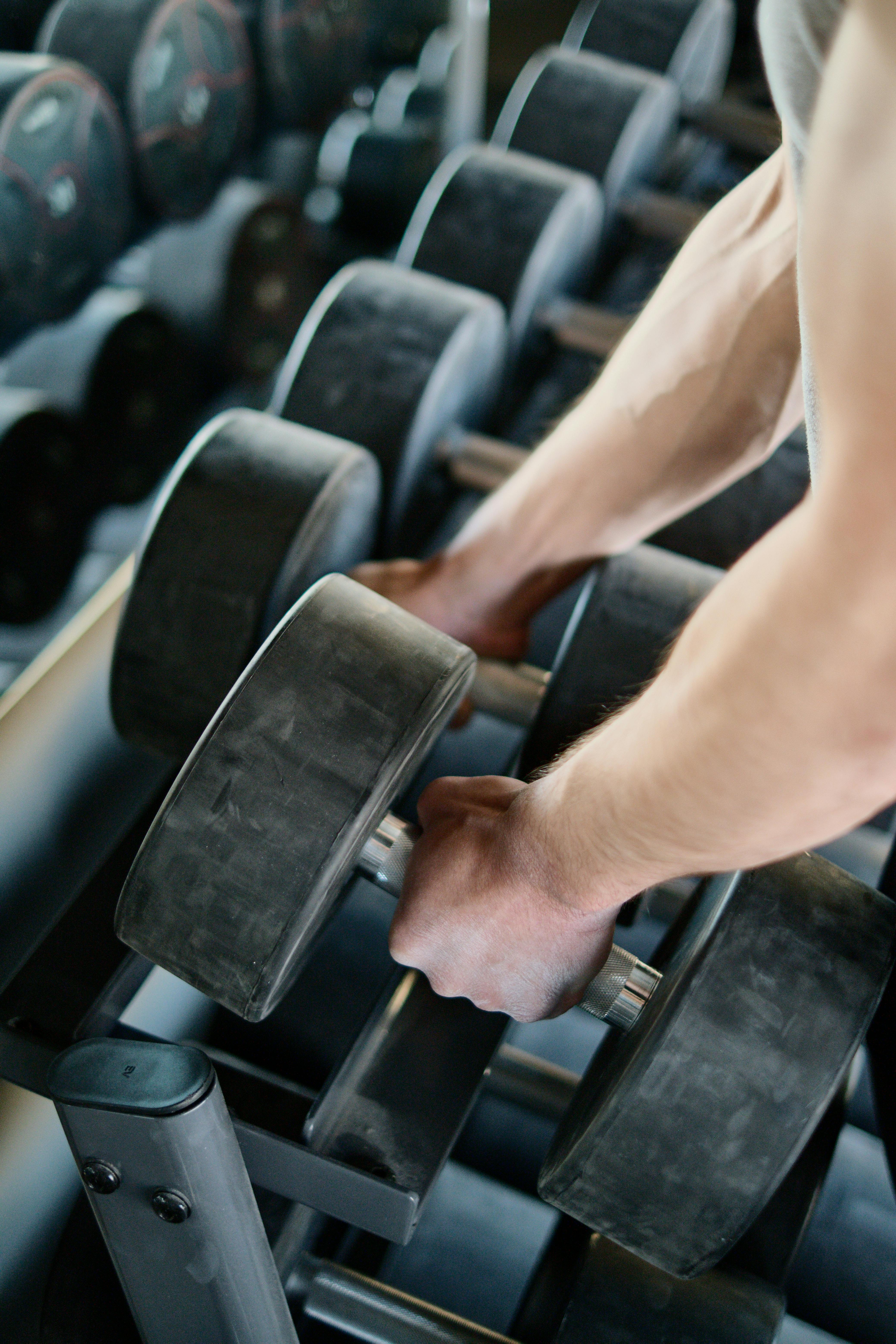
What is exercise science?
Exercise science is the study of how people move and how the body adapts to movement. It covers biomechanics, physiology, motor learning, nutrition, and recovery. In plain English, it tells you why some workouts work, why some fail, and why a lot of popular advice is just expensive confusion.
The field is not one thing. It includes strength and conditioning, sports nutrition, cardiorespiratory training, body composition research, and rehabilitation principles. A strength coach uses it to build stronger athletes. A clinician uses it to help someone regain function after injury. A regular person uses it to get less winded on stairs and keep muscle as they age. Same science. Different goals.
Here is the kicker: exercise science is not obsessed with aesthetics. That is where the public gets sloppy. A six-pack is not proof of health. A sweat-soaked workout is not proof of effectiveness. A more useful measure is whether your program improves performance markers that matter: better energy, stronger lifts, steadier blood sugar, improved resting heart rate, less pain, and better sleep. Those are real outcomes. Mirror feedback is a side effect.
I have seen too many training plans built on vibes. People copy an influencer’s split, pile on random volume, then wonder why they feel flat. Science trims the noise. It asks: what is the goal, what stress produces that result, how much is enough, and what is the cost? That last question matters. Good training should build you up, not grind you down.
A mature exercise-science view also respects individuality. Age, sex, injury history, work schedule, food access, stress, and sleep all change the response to training. The same plan does not fit everyone, which is why strict templates can fail. The best coach or self-coached lifter watches feedback, adjusts, and keeps the plan honest. For a useful overview of the body’s response to activity, see CDC physical activity basics and WHO physical activity fact sheet.
Core benefits and why they matter
The benefits of exercise science are not abstract. They show up in the body, the mind, and daily life. If a method does not improve function, it is mostly decoration.
- Better body composition: Resistance training helps preserve or build lean mass while dieting, which matters because muscle is metabolically useful tissue. Starving yourself and hoping for the best is a poor strategy.
- Improved cardiovascular health: Cardio training supports heart efficiency, blood pressure control, and aerobic capacity. The heart likes regular work. Surprise.
- Stronger bones and joints: Loading the body teaches bone tissue to stay dense and connective tissue to tolerate force. This is especially important as people age and become sedentary.
- More stable blood sugar: Muscles pull in glucose during and after activity, which helps insulin sensitivity. That is one reason exercise is powerful for metabolic health.
- Better mood and stress control: Movement can reduce anxiety symptoms, improve sleep quality, and sharpen focus. Not every problem needs a workout, but movement helps more often than people admit.
- Long-term independence: The ability to carry groceries, climb stairs, get off the floor, and avoid frailty is not glamorous. It is invaluable.
Most fitness advice oversells short-term transformation and undersells long-term resilience. That is backwards. The real prize is not a 30-day challenge. It is being able to live well in your body for decades, which is a far more serious matter than social-media applause.
Nutrition adds another layer. A program with bad food habits leaks results. A person who trains hard but eats haphazardly often burns out or plateaus. The science is blunt: adequate protein, enough total calories for the goal, enough micronutrients, and consistency beat novelty. The Harvard Nutrition Source has good plain-language resources, especially on protein quality, fiber, and food patterns.
The wellness angle is where adults finally get honest. Sleep debt, chronic stress, dehydration, and low-grade chaos blunt adaptation. You can do the right workouts and still feel lousy if your life is a mess. There is no virtue in overtraining yourself into the ground. Moderation is not weakness. It is wisdom. The body deserves care, not abuse. That is not a trendy take. It is basic stewardship.

Step-by-step implementation guide
If you want results, build the machine properly. Do not improvise every week and call it “listening to your body.” That phrase has been abused enough.
- Define the primary goal
Decide what matters most: fat loss, muscle gain, endurance, health markers, or general fitness. Trying to optimize all five at once usually produces mediocre results. I have tested enough programs to say this bluntly: focus wins. - Pick one main training emphasis
If you want strength and muscle, center the week on resistance training. If you want aerobic health, prioritize walking, cycling, running, rowing, or intervals. You can mix goals, but one must lead. The body adapts best when the signal is clear. - Build a weekly structure
A simple template works:- 3 to 4 strength sessions per week
- 2 to 4 cardio sessions per week
- Daily light movement, such as walking
- At least 1 easier recovery day
This is not fancy. It is effective. - Use progressive overload
Add reps, load, sets, or density over time. That is how adaptation happens. If your lifts and conditioning never change, the body has little reason to improve. Small increases compound. - Prioritize compound movements
Squats, hinges, presses, pulls, loaded carries, and lunges cover a lot of ground. Isolation work has its place, but compound lifts give more return for the time spent. That matters when life is busy. - Match food to the goal
For muscle gain: eat enough calories and protein. For fat loss: create a modest calorie deficit and protect protein intake. For performance: fuel training with carbs and fluids. The ACSM and ISSN both emphasize that athletes and active adults need adequate protein and energy availability. See ISSN protein position stand. - Track more than body weight
Use strength numbers, waist measurements, resting heart rate, sleep quality, hunger, and workout performance. The scale is useful, but it is not a moral judge. - Recover like it matters
Sleep 7 to 9 hours if possible. Eat enough protein across the day. Keep alcohol low. Hydrate. Take deloads when needed. Recovery is where the adaptation pays out. - Adjust based on feedback
If energy is collapsing, reduce volume. If strength is flat and food is low, eat more. If cardio leaves you wrecked for days, the dose is too high. Good training is a conversation with reality. - Repeat for months, not days
Consistency beats cleverness. That is the unglamorous truth. The body changes slowly, but it does change when the inputs are stable.

Comparison table
A lot of people treat strength training and cardio like rival tribes. They are not. They are tools. The trick is knowing what each one does better.
| Feature | Exercise Science-Based Training | Trendy Bro Split / Random Workouts |
|---|
| Goal clarity | Built around measurable outcomes | Built around whatever looks hard |
| Progression | Planned overload and adaptation | Usually inconsistent |
| Recovery | Scheduled and respected | Often ignored |
| Nutrition fit | Matches calories, protein, and carbs to the goal | Food advice is vague or contradictory |
| Injury risk | Lower when load is managed well | Higher when ego drives the session |
| Long-term sustainability | Strong, because it is repeatable | Weak, because burnout comes fast |
| Evidence basis | Uses research and feedback | Uses anecdotes and gym folklore |
The comparison is not close. Science-based training is not perfect, but it is honest. Random workouts can feel exciting, which is why they spread. They also tend to fail when life gets hard. Real life is rude that way.
Common mistakes to avoid.
Most training errors are not mysterious. They are the same sloppy habits in different clothes.
- Doing too much too soon: People start with heroic enthusiasm and then faceplant. Volume should rise gradually. The body does not reward stupidity.
- Ignoring protein: You cannot under-eat protein and expect muscle retention to happen by accident. That is wishful thinking.
- Treating cardio as punishment: Cardio is not a penalty for eating. It is part of a healthy system.
- Skipping sleep: No supplement compensates for chronic sleep loss. None.
- Chasing novelty: New programs feel productive because they are new. But progress comes from boring repetition.
- Confusing soreness with success: Soreness can happen after a good session, but it is not the goal. Adaptation is the goal.
- Copying elite athletes: Their workloads, food, and recovery are not yours. Context matters.
- Obsessing over supplements: Creatine is useful. Caffeine can help. Most other pills are overmarketed. The basics still win.
The truth is, many people fail because they want a system that excuses inconsistency. Exercise science does the opposite. It exposes excuses. That can sting a bit, but it is useful. Honest feedback protects the body from neglect, which is better than chasing appearance while health quietly slips.
A subtle but important point: wellness is not self-worship. It is responsible care of the person you are. Food, training, sleep, and rest all belong to a larger moral order where discipline and gratitude matter. That sounds old-fashioned because it is. It also works.
Frequently asked questions
How much exercise do adults really need?
Most adults should aim for at least 150 minutes of moderate aerobic activity each week, or 75 minutes of vigorous activity, plus muscle-strengthening work on 2 or more days. That recommendation comes from major public-health groups and is a reasonable floor, not a medal.
Is strength training better than cardio?
No. That is the wrong question. Strength training is better for building and preserving muscle and bone. Cardio is better for heart and lung fitness. Most adults benefit from both. Pick sides only if you enjoy being incomplete.
How much protein do I need?
It depends on body size, age, and training load, but active adults often do well around 1.2 to 2.2 grams per kilogram of body weight per day. Older adults and dieters may need the higher end. Protein is not magic, but it is non-negotiable.
What matters more, exercise or diet?
For body composition, diet usually drives the biggest changes. For health and function, both matter. A clean diet without movement is incomplete, and hard training with poor food habits is a mess. The body needs both inputs.
Most people do not need another punishing routine. They need a durable one, built on evidence, tempered by patience, and guided by a bit of humility. The body is worth caring for, not because vanity demands it, but because health is a gift to steward wisely. Keep that in mind when the next flashy workout or miracle diet shows up demanding your attention. It will probably be nonsense.