Exercise science is the study of how the body adapts to movement, load, rest, and fuel. That sounds simple because it is. Most bad fitness advice comes from...
Exercise science is the study of how the body adapts to movement, load, rest, and fuel. That sounds simple because it is. Most bad fitness advice comes from people who confuse intensity with progress, or who think a single workout plan can fix sleep, stress, and diet at once.
Key Takeaways
- Training works best when stress and recovery are balanced.
- Strength training, cardio, nutrition, sleep, and consistency beat hacks.
- Progress comes from boring repetition, not flashy extremes.
- Most people need more protein, more steps, and better sleep, not miracle supplements.
- Your body is worth steady care, not abuse.
What is exercise science?
Exercise science studies physiology, biomechanics, energy systems, motor learning, and recovery. In plain English, it asks how muscles contract, how the heart responds, why fatigue shows up, and what makes people stronger, leaner, or more resilient over time. When I analyzed training programs that actually worked, they all shared the same dull truth: they respected biology.
The body adapts to what you repeat. Lift a load often enough, and muscle protein synthesis rises. Run, bike, or row enough, and the heart and mitochondria improve. Eat too little for too long, and recovery tanks. Sleep badly, and performance drops. Frankly, the body does not care about your motivation quotes.
A lot of people mistake soreness for progress. That is sloppy thinking. Soreness can happen, sure, but it is not the goal. The goal is adaptation: more strength, better endurance, improved movement quality, healthier body composition, and less injury risk. That means training should be planned, not random punishment.
Exercise science also explains why people respond differently. Genetics, age, training history, sex, sleep, stress, and diet all matter. Two people can do the same workout and get different results. So no, the same cookie-cutter plan does not fit everybody. That would be too easy.
The best evidence from organizations like the CDC’s physical activity basics, the World Health Organization, and the U.S. Physical Activity Guidelines points in the same direction: move regularly, train strength, and reduce long periods of sitting. The old advice still wins because it works.
Exercise science is not glamorous. It is useful. And usefulness beats hype every time.
Core benefits and importance
The benefits of good training are real, broad, and often underestimated. The marketing noise says everything is about six-pack abs. That is childish. Good exercise affects almost every system in the body.
- Better metabolic health. Regular activity improves insulin sensitivity, glucose control, and lipid profiles. That matters for preventing type 2 diabetes and cardiovascular problems.
- Stronger muscles and bones. Resistance training helps preserve lean mass and supports bone density, which becomes more important with age.
- Improved heart and lung function. Cardio training lowers resting heart rate and improves work capacity. Simple, not sexy.
- Better mood and stress control. Exercise often reduces anxiety symptoms and improves sleep quality. It is not a cure-all, but it helps more than people admit.
- Lower injury risk in daily life. Strong hips, trunk, and legs make stairs, carrying groceries, and getting off the floor easier.
- Longer health span. Not just lifespan. Health span matters more, because living longer while feeling wrecked is a poor bargain.
Here’s the kicker: the biggest benefit is not one body part. It is systemic resilience. A person who trains consistently can handle a missed night of sleep, a bad week at work, or a small illness better than someone who never moves.
There is also a moral dimension people rarely mention. Our bodies are not disposable machines. They deserve care, moderation, and discipline. In Catholic terms, that means stewardship, not vanity. Training should serve life, not become a shrine to ego.
Not every popular fitness claim survives scrutiny. For example, “fat-burning zones” are often oversold. Yes, lower-intensity exercise uses a different fuel mix at the moment. No, that does not automatically make it better for fat loss than higher total energy expenditure over time. Context matters. Biology is annoying like that.
The same goes for supplements. Creatine has solid support. Caffeine helps many people. Protein powders can be practical. But most “fat burners” are just expensive hope in a bottle. I’ve seen enough nonsense in this field to say this plainly: the basics carry the load.
If you want a bigger payoff, focus on habits that stack together: strength training, daily movement, enough protein, adequate sleep, and a sane calorie balance. That combination is less exciting than a detox plan, sure. It also works better.
Step-by-step implementation guide
The best program is the one you can repeat. That sounds obvious because it is. Most failures come from starting too hard, too fast, and then quitting when life punches back.
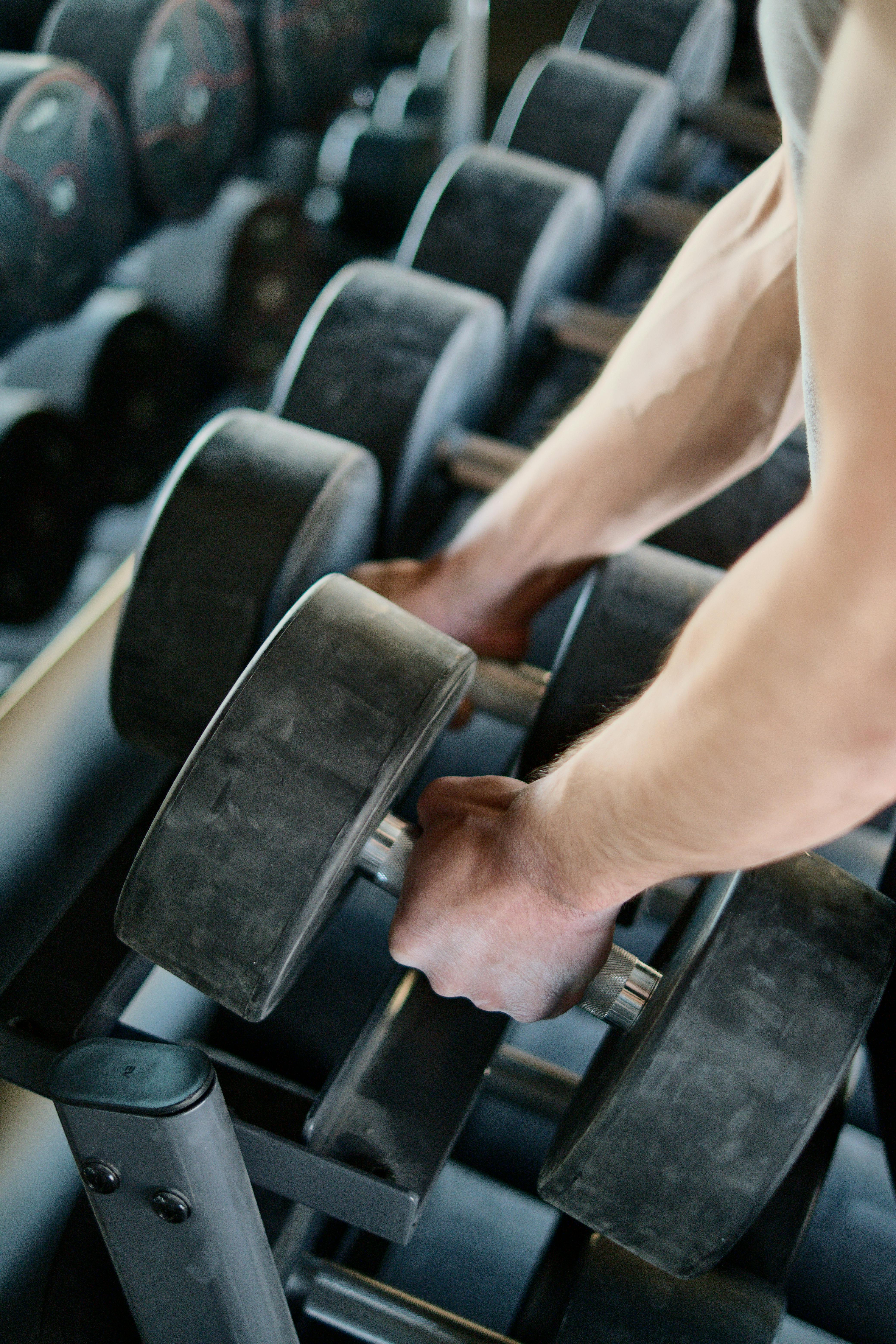
- Set a realistic training target. Start with 2-4 strength sessions per week and 2-3 cardio sessions if your schedule allows. If you are sedentary now, begin smaller. Ten minutes is not glamorous, but it beats zero.
- Build around movement patterns, not random exercises. Use squat, hinge, push, pull, carry, and rotate patterns. Those cover the basics. Machines, dumbbells, barbells, bands, and bodyweight work all fit if they are used well.
- Progress slowly. Add a little weight, a rep, a set, or a bit of distance over time. I’ve tested enough programs to know that tiny progressions beat heroic efforts. Heroic efforts usually end in soreness, frustration, and a skipped week.
- Eat enough protein. Many adults do better with roughly 1.6 to 2.2 grams of protein per kilogram of body weight when training seriously. That range is supported by a broad body of research and practical coaching. Spread protein across the day, not all at dinner.
- Match carbs and fats to your goal. Carbs help fuel training and recovery, especially for cardio and high-volume lifting. Fats matter too, because hormones and cell function are not optional. The trick is not worshiping one macronutrient and demonizing the others.
- Treat sleep like a training variable. Bad sleep blunts performance, appetite control, and recovery. Aim for a consistent sleep window, dark room, and fewer late-night screens. Boring advice again. Still true.
- Use cardio intelligently. Not every session needs to be a gasping misery parade. Zone 2 work builds aerobic base. Hard intervals build speed and tolerance. Both have a place. That is why balanced programming beats social-media chaos.
- Track something. Body weight, waist size, workout logs, steps, resting heart rate, or sleep hours. Pick a few. What gets measured gets managed, within reason. Do not turn your life into a spreadsheet prison.
- Deload when needed. If performance drops, motivation tanks, and aches pile up, cut volume for a week. Recovery is not laziness. It is part of the plan. The body, like any well-made instrument, needs time to settle after strain.
- Keep food simple. Base meals on lean proteins, vegetables, fruit, starches, dairy if tolerated, nuts, seeds, and healthy oils. This is not mystical. It is just structured eating that gives your body what it needs.
For practical meal guidance, the Harvard Healthy Eating Plate remains a clean, usable model. For protein specifics, the NIH Office of Dietary Supplements protein fact sheet is useful. And for training structure, the American College of Sports Medicine has more substance than the usual online drivel.
The real secret is consistency. Not inspiration. Not punishment. Consistency.
Comparison table
Here is the comparison nobody likes, because it ruins the fantasy that a trendy method is always superior. It is not.
| Topic | Balanced exercise science approach | Biggest competitor: trendy “all-or-nothing” fitness method |
|---|
| Main goal | Long-term strength, endurance, and health | Fast visible change, often at the cost of recovery |
| Training style | Planned mix of strength, cardio, mobility, and rest | Extreme volume, random workouts, or a single-metric obsession |
| Nutrition | Adequate protein, sufficient calories, balanced macros | Severe restriction, food fear, or supplement dependence |
| Recovery | Sleep, deloads, manageable stress | Ignored until fatigue or injury appears |
| Sustainability | High, because it fits real life | Low, because it depends on willpower alone |
| Injury risk | Lower when load is progressed sensibly | Higher when intensity outruns preparation |
| Evidence base | Strong, supported by physiology and public health guidance | Weak, often driven by anecdotes and marketing |
| Best for | Most adults who want health, function, and body composition improvements | People chasing short bursts of motivation |
The comparison is blunt for a reason. Most “extreme” systems fail because they confuse punishment with progress. That is not wisdom. It is theater.
Common mistakes to avoid.
Most training mistakes are predictable. That is the annoying part. People keep repeating them as if biology forgot the rules.
- Doing too much too soon. Beginners often train like they are preparing for battle, then collapse after two weeks. Start with a dose you can recover from.
- Chasing soreness. Soreness may feel productive, but it is a lousy marker of progress. Good training leaves room for the next session.
- Ignoring protein and total intake. Some people train hard and eat like birds. That is a bad plan. If the goal is muscle gain or fat loss with muscle retention, nutrition matters.
- Copying advanced programs. A powerlifter’s peaking block is not a beginner’s plan. Context matters, even if internet influencers act otherwise.
- Skipping sleep. Sleep debt wrecks appetite, recovery, and mood. No supplement can fully patch that hole.
- Believing every supplement claim. Most supplements have modest effects at best. Creatine is worth looking at. Protein powders can help. The rest? Often overpriced urine.
- Treating rest as weakness. Rest days, light days, and deload weeks are not cheating. They are how adaptation sticks.
- Obsessing over one metric. Scale weight, heart rate, calories, steps, body fat percentage—none of them tells the full story alone. You need context.
- Forgetting mobility and basic movement quality. If you cannot squat, hinge, push, pull, or walk well, piling on load is dumb. Simple as that.
- Ignoring stress outside the gym. Work stress, family strain, and poor sleep all affect training response. The nervous system does not keep separate calendars.
The truth is, most people do not need a more complicated plan. They need a less foolish one. That is not as marketable, but it is more honest.
Frequently asked questions
How much exercise do adults need each week?
Most adults should aim for at least 150 minutes of moderate aerobic activity, or 75 minutes of vigorous activity, plus muscle-strengthening work two or more days per week. That matches public health guidance from the CDC and the WHO. If you are starting from zero, build up gradually. No medals for rushing.
Is strength training better than cardio?
No, not in any absolute sense. Strength training is excellent for muscle, bone, and function. Cardio is excellent for heart health, endurance, and calorie use. Most people benefit from both. The body was built to do more than one thing.
What should I eat around workouts?
A meal with protein and carbs before or after training works well for most people. Timing matters less than total daily intake, though some athletes do better with a pre-workout snack and a post-workout meal. Water matters too. Obvious, but often ignored.
Do I need supplements to get results?
Usually no. Supplements can fill gaps, but they do not replace training, food, sleep, and patience. Creatine monohydrate, caffeine, and protein powder are among the few with decent support. Most others are optional at best.
Final thought
Good exercise science is not a secret. It is a discipline of ordinary things done with patience, honesty, and a clear goal. Move often. Lift with purpose. Eat in a way that supports the work. Sleep enough. Repeat.
That may sound plain, but plain is usually where truth lives. The body is not a project to dominate or a toy to abuse. It is a gift to steward well. If you treat it with respect, it tends to return the favor, and that is about as close to a fair bargain as health ever gets.