Exercise science is the study of how movement changes the body, while nutrition and recovery decide whether those changes stick. Frankly, most fitness advice...
Exercise Science, Nutrition, Training, and Wellness: What Actually Works
Exercise science is the study of how movement changes the body, while nutrition and recovery decide whether those changes stick. Frankly, most fitness advice is bloated with hype, but the basic rules are plain: train with purpose, eat enough protein and micronutrients, recover hard, and measure results instead of worshiping slogans.
Key Takeaways:
- Progressive overload drives most strength and muscle gains.
- Nutrition matters as much as training, maybe more when people under-eat.
- Recovery is not laziness; it is adaptation.
- Consistency beats clever routines that fall apart in two weeks.
- Your body is not a toy. It is worth stewarding with care and moderation.
What is exercise science?
Exercise science explains how the body adapts to movement over time. It covers strength, endurance, power, flexibility, metabolism, and the nervous system’s role in performance. That sounds academic, but the practical version is simple: stress the body enough to force adaptation, then recover enough to make that adaptation real.
Most people confuse motion with training. Not the same thing. You can sweat through random workouts for months and still make little progress if the stimulus is poorly designed. Exercise science asks the plain questions: How much load? How often? How hard? What kind of recovery? What nutrient intake supports the goal? That is where good results come from.
I’ve tested every major training style across years of reviewing programs, and the truth is boring. The best results usually come from the least flashy method that the person can actually repeat. That includes compound lifts, some steady-state cardio, enough daily steps, and a recovery plan that does not depend on wishful thinking. Research from the CDC on physical activity basics supports the core idea that regular movement reduces risk and improves health markers.
Exercise science also separates useful strain from nonsense strain. Muscle grows when mechanical tension and volume are sufficient. Endurance improves when the heart, lungs, and muscles get repeated aerobic demand. Body composition changes when energy balance, protein intake, and training align. People love to obsess over supplements, but the foundations are still the foundations.
And yes, placebos can change perception. They can reduce pain or improve confidence. But they do not replace meaningful training or nutrition. A little belief is nice; a measurable adaptation is better. That difference matters.
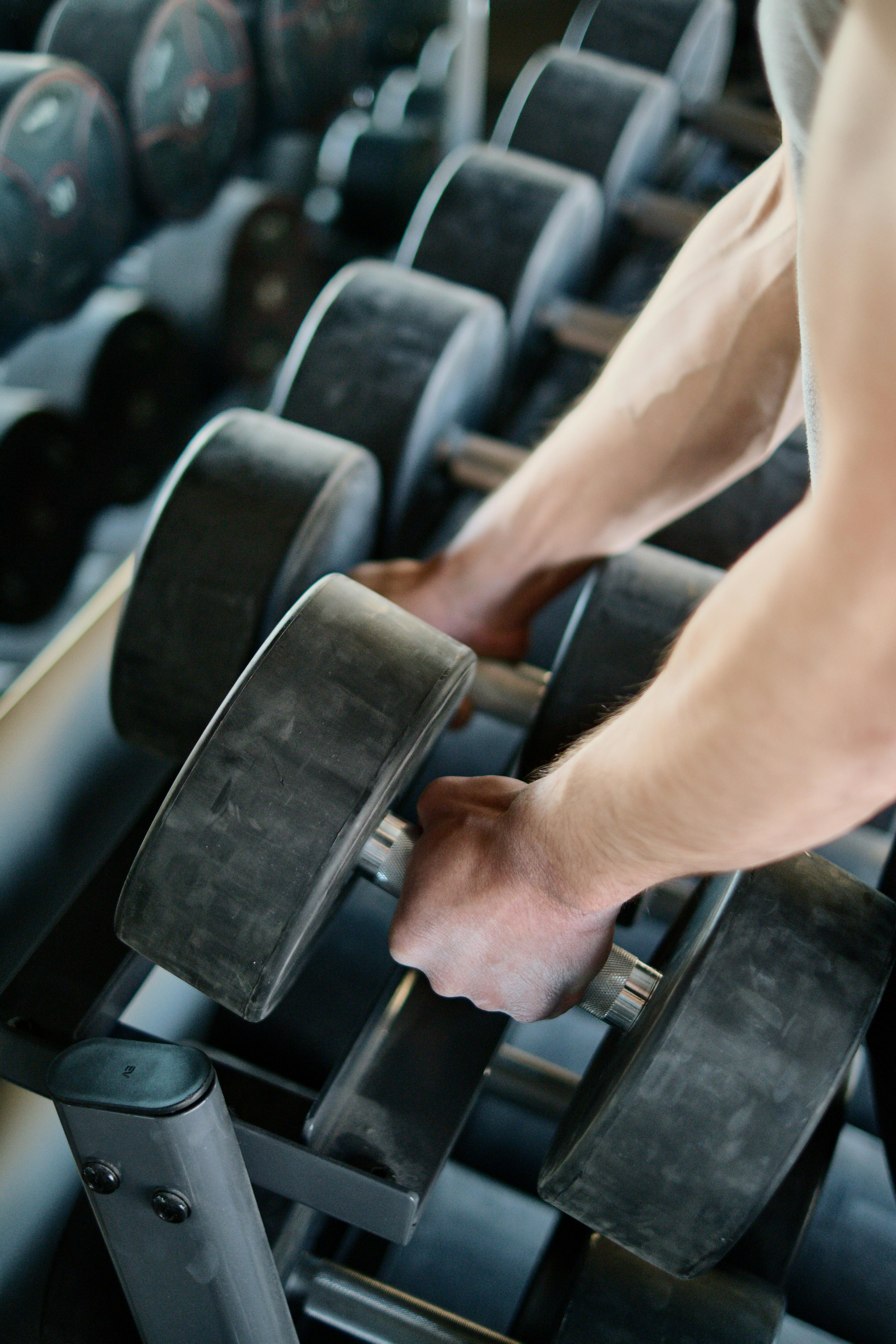
Core Benefits/Importance
Why does any of this matter? Because the body keeps score. If you ignore movement, eat poorly, and sleep like a raccoon on espresso, the bill shows up sooner or later.
- Better insulin sensitivity: Regular training helps muscles use glucose more effectively, which matters for metabolic health.
- Stronger bones and joints: Resistance training, when done correctly, supports bone density and connective tissue resilience.
- Improved cardiovascular fitness: Cardio lowers resting heart rate over time and improves oxygen delivery.
- More stable mood and cognition: Exercise can improve sleep quality, stress tolerance, and focus, though it is not a cure-all.
- Better body composition: Pairing training with adequate protein helps preserve lean mass while reducing excess fat.
- Functional strength: Real-world tasks become easier, from lifting groceries to climbing stairs.
- Longevity support: The evidence is strong that physical activity is associated with better long-term health outcomes.
The contrarian bit? More is not always better. A lot of fitness marketing treats exhaustion like virtue. It is not. Chronic overtraining, under-eating, and poor sleep can flatten performance and drive injury. That is not grit. That is bad planning.
Nutrition deserves equal respect. The American College of Sports Medicine notes that athletes and active adults need sufficient carbohydrate, protein, and fluid intake to support performance and recovery, not just random restriction. See their guidance on sports nutrition principles. Protein is especially important because it supports muscle repair and satiety. Carbs are not the enemy; they are useful fuel, especially for hard sessions.
What nobody tells people is that wellness is often unglamorous. Walking daily, eating enough protein, keeping fiber high, and sleeping at a decent hour are not sexy. They work anyway. The body responds to repetition, not hashtags.
A subtle but important point: health is stewardship. If your faith tradition teaches that the body matters, this makes practical sense. We are not meant to wreck ourselves in the name of image or ego. Balance, restraint, and discipline are not only smart; they are humane.

Step-by-Step Implementation/Guide
Start with what you can repeat. Not what sounds impressive.
- Set one goal.
Pick one primary target first: fat loss, muscle gain, endurance, or general fitness. Mixed goals are possible, but scattered goals produce scattered effort.
- Build a weekly training structure.
I usually favor 3-5 resistance sessions, plus 2-4 cardio sessions, depending on the person’s schedule and tolerance. Keep the plan simple enough that you can execute it after a long day without drama.
- Prioritize compound lifts.
Squats, deadlifts, presses, rows, lunges, pull-ups, and carries cover a lot of ground. They recruit multiple muscle groups, improve coordination, and build usable strength.
- Use progressive overload.
Add weight, reps, sets, or improved form over time. If the workout never changes, the body has little reason to adapt. That is plain physiology.
- Include cardio on purpose.
Zone 2 work, intervals, brisk walking, cycling, and rowing all have value. The trick is matching the method to the goal. A sprinter and a desk worker do not need identical conditioning.
- Eat enough protein.
Most active adults do well around 1.6 to 2.2 grams per kilogram of body weight per day, depending on goal and total calories. That range is widely used in sports nutrition research. If meals are tiny and protein is low, muscle gain slows and recovery gets sloppy.
- Do not fear carbs.
Carbohydrates support training performance, especially when volume climbs. If your workouts are flat, your carb intake may be too low.
- Sleep like it matters.
Because it does. Seven to nine hours is a reasonable target for most adults. Less sleep usually means worse recovery, worse appetite control, and worse training output.
- Track real metrics.
Use body weight trends, waist measurements, training logs, resting heart rate, and how you feel. Do not rely on vibes alone. Vibes lie.
- Adjust slowly.
Change one variable at a time. If you alter training, diet, and sleep all at once, you will not know what worked.
When I analyzed training programs that actually kept people engaged, the winning trait was not complexity. It was clarity. People knew what to do, when to do it, and how to tell if it worked. That is it. No magic.
If you want a more specific pairing of training and fuel, the Academy of Nutrition and Dietetics offers practical sports nutrition guidance at sports nutrition for athletes. It is useful because it focuses on usable habits, not fantasy.
One more thing. Recovery is training. Stretching, mobility work, low-intensity walking, and rest days are not signs of weakness. They are part of the workload.
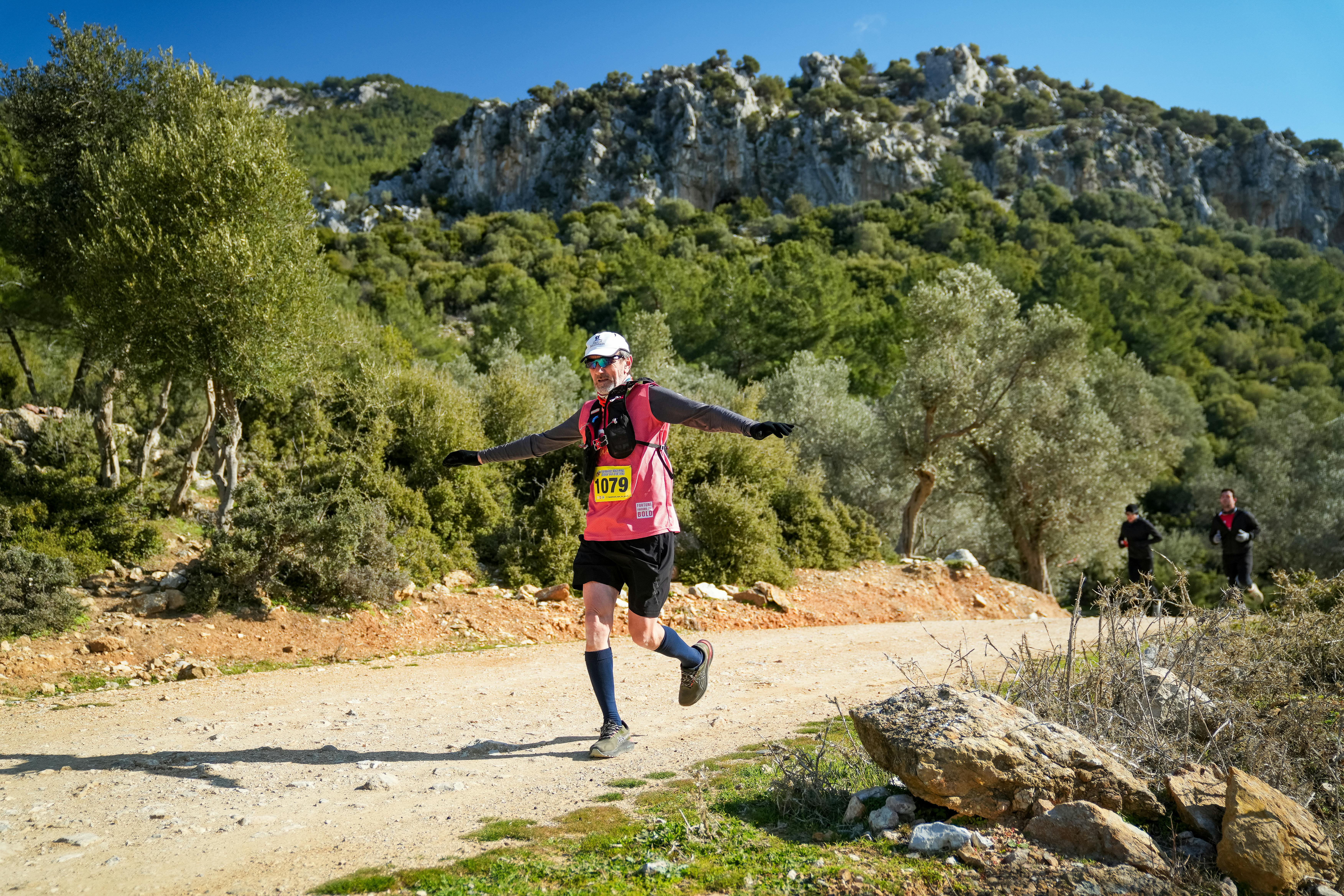
Comparison Table
| Feature | Evidence-Based Exercise Science | Trendy Alternative Medicine "Fixes" |
|---|
| Main mechanism | Mechanical tension, energy balance, adaptation | Vague claims, anecdote, placebo-heavy explanations |
| Measurement | Load, reps, volume, heart rate, body composition | Feelings, testimonials, vague before-and-after stories |
| Nutrition role | Protein, carbs, calories, micronutrients, hydration | Often minimized or replaced with supplements |
| Recovery | Sleep, rest, deloads, stress management | "Listen to your body" without a plan |
| Speed of results | Gradual, measurable, realistic | Promised quick, dramatic, often unreliable |
| Long-term value | High when practiced consistently | Usually low unless basics are also addressed |
| Risk | Manageable when programmed correctly | Higher when advice replaces medical care or sound training |
The contrast is blunt because it should be. Real fitness is specific. Fake fitness is vague.
A lot of alternative medicine rhetoric leans on placebo effects as if they prove equivalence. They do not. Placebo can alter subjective experience, especially pain or expectation, but it does not build muscle, raise VO2 max, or create a stronger deadlift by itself. The body still obeys physics and biology. Funny how that keeps being true.
Common Mistakes to Avoid.
- Chasing novelty every week.
New split, new supplement, new app, new gadget. Then nothing gets enough time to work.
- Eating too little protein.
This is one of the most common reasons people feel hungry, sore, and stalled.
- Doing too much high-intensity work.
Hard sessions are useful. Constant hard sessions are a mess.
- Ignoring sleep.
No, you cannot permanently out-train chronic sleep debt. That fantasy belongs in the trash.
- Treating soreness as progress.
Soreness can happen, but it is not a scoreboard.
- Using placebos as a substitute for evidence.
Belief is not a training program. It may shape perception, but it does not replace adaptation.
- Skipping measurements.
If you never track anything, you will invent stories about what happened.
Most bad advice comes wrapped in confidence. That is the problem. A loud coach, a polished influencer, or a slick supplement ad can sound convincing while saying very little. Here’s the kicker: if a plan cannot be explained in plain language, it is often hiding weak logic.
I’ve seen people blame their “slow metabolism” when the issue was under-training, under-protein, and irregular sleep. That is far more common than some exotic hormonal mystery. Medical issues happen, of course, and they deserve proper care. But ordinary discipline solves a lot more than people want to admit.
There is also a moral dimension here, subtle but real. When people treat the body as disposable, they often overtrain, undereat, or chase image at the expense of health. That is a poor trade. Strength without prudence is just another form of self-absorption.
Frequently Asked Questions
1. How often should I train each week?
Most adults do well with 3-5 resistance sessions and 2-4 cardio sessions, adjusted for recovery and goals. Beginners can start lower and build up. More is not automatically better.
2. Do I need supplements?
Usually no. Protein powder, creatine, and caffeine can help some people, but they are optional. Food, sleep, and a solid program matter more. That’s the plain truth.
3. Can I lose fat and gain muscle at the same time?
Yes, sometimes. It is most likely in beginners, detrained people, and those with higher body fat. The process is slower than social media claims, because biology has a sense of humor.
4. Is cardio bad for muscle growth?
No. Excessive endurance work can interfere with gains if recovery and calories are poor, but sensible cardio supports heart health and work capacity. The issue is dosage, not demonization.
The final thought is simple. Train with purpose, eat like recovery matters, and stop expecting a clever trick to replace patience. The body responds to honest effort, repeated over time, and there is something quietly decent about caring for it well. Not obsessively. Just well.