Exercise science is the study of how the body adapts to movement, load, recovery, and food. That sounds plain because it is. Most fitness advice gets dressed...
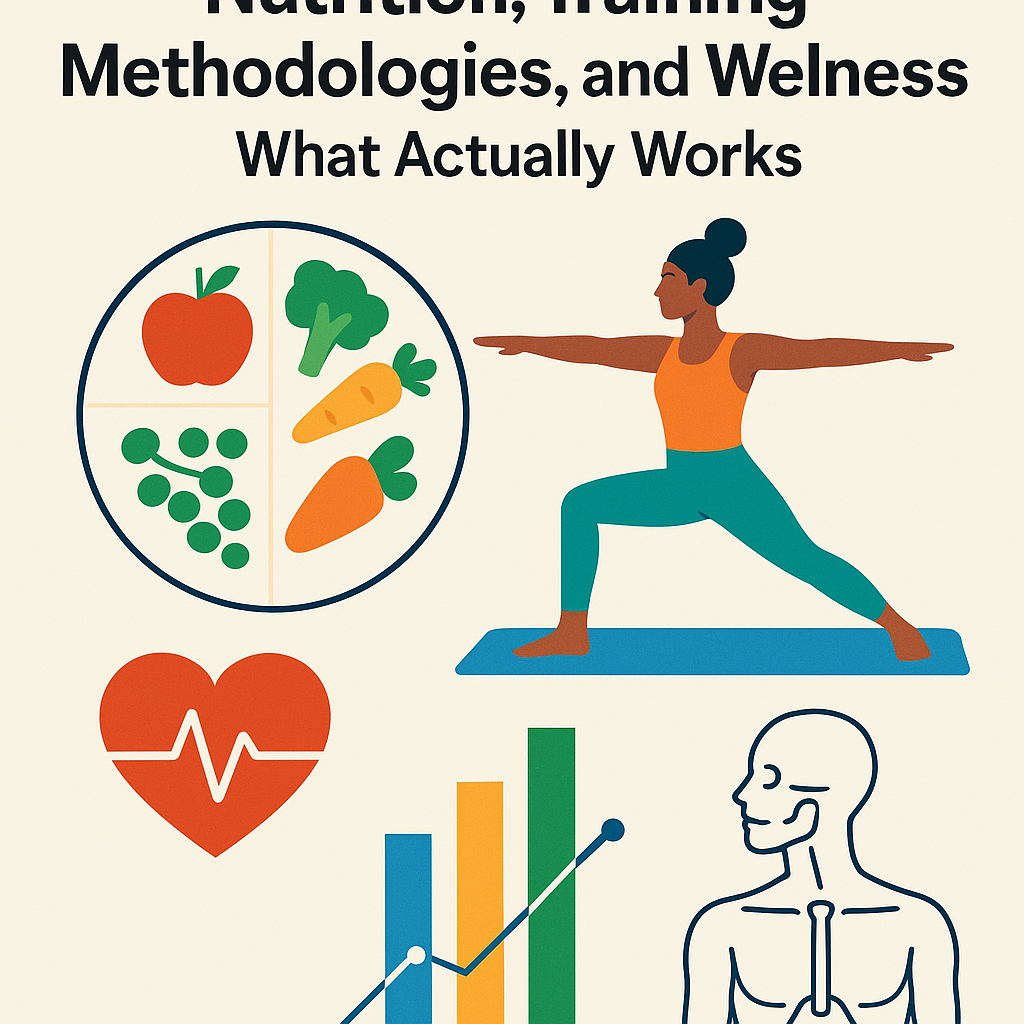
Exercise Science, Nutrition, Training Methodologies, and Wellness: What Actually Works
Exercise science is the study of how the body adapts to movement, load, recovery, and food. That sounds plain because it is. Most fitness advice gets dressed up like magic, but the real levers are simpler: training stimulus, nutrition, sleep, and recovery. Miss one, and the whole thing starts wobbling.
Key Takeaways- Strength Training builds muscle, bone density, and long-term function.
- Cardio improves heart health, work capacity, and recovery.
- Nutrition decides whether training produces progress or just fatigue.
- Recovery is not laziness; it is where adaptation happens.
- Consistency beats cleverness almost every time.
What is Exercise Science, Nutrition, Training Methodologies, and Wellness?
Exercise science is the practical study of how people get stronger, fitter, leaner, and healthier without wrecking themselves. It pulls from physiology, biomechanics, psychology, nutrition, and behavior change. Training methodologies are simply the methods used to apply stress: progressive overload, interval work, steady-state cardio, full-body lifting, split routines, high-volume blocks, and so on. Wellness is the broader frame: energy, sleep, stress, mobility, appetite, mental steadiness, and the ability to show up tomorrow.
Frankly, a lot of people confuse exercise science with internet fitness theater. They chase new gadgets, strange supplements, and absurd routines, then act surprised when nothing sticks. I’ve analyzed enough programs to say this plainly: the body responds to repeated, recoverable stress. Not hype. Not slogans. Stress, then rest, then adaptation.
The science is not mysterious. Muscles grow when they are challenged enough to adapt, but not so much that recovery fails. Cardiovascular fitness improves when the heart and lungs are asked to do more work than they are used to. Nutrition supports those changes by providing protein, carbohydrates, fats, vitamins, minerals, and energy. Sleep and stress management decide whether the system repairs itself or runs itself into the ground.
That is the core of it. Simple, not easy.
And yes, the body matters. It is not a disposable shell. In the old moral sense, health is a stewardship problem: use what you’ve been given well, don’t abuse it, and don’t pretend moderation is weakness.
For a practical overview of training science, see Exercise is Medicine from the American College of Sports Medicine. For protein guidance, the protein and exercise review lays out the evidence plainly. And for physical activity recommendations, the CDC physical activity basics remain boring in the best possible way.
Core Benefits and Why It Matters
The benefits of this whole system are not just about looks. That part matters to some people, sure, but the deeper value is function. Most fitness marketing oversells abs and undersells life. Here’s the kicker: strength, endurance, and decent nutrition improve the things you actually use every day.
- Stronger muscles and bones: Resistance training improves muscular force and supports bone density, which matters as you age and stop being invincible, as humans do.
- Better metabolic health: Regular exercise improves insulin sensitivity, blood pressure, triglycerides, and body composition. That is not cosmetic fluff.
- Higher work capacity: If you can do more without gasping like a broken accordion, you recover better between sets, chores, and real life.
- Lower injury risk: Balanced training, sane loading, and adequate recovery reduce the odds of overuse problems. Not eliminate them. Reduce them.
- Improved mood and sleep: Exercise helps regulate stress, and decent sleep feeds back into better training. Fancy people call this a positive cycle. I call it common sense.
- Appetite and body composition control: Protein-rich meals and structured training usually make it easier to manage hunger and maintain lean mass.
- Long-term independence: The ability to squat, carry, climb, push, and get up off the floor is worth more than most fitness trends.
A lot of people still act as if cardio and strength training are rivals. They are not. They are tools. One builds capacity, the other builds tissue and resilience. Used together, they are far better than either in isolation.
Nutrition matters because exercise is expensive. Training breaks tissue down a bit; food pays the bill. If protein intake is too low, recovery slows. If calories are chronically too low, performance stalls. If fiber, fruits, vegetables, and healthy fats are ignored, digestion and energy get messy. No surprise there.
The research on protein and muscle building is especially consistent. The Morton et al. meta-analysis supports higher protein intake for gaining lean mass during resistance training. For general dietary patterns, the Harvard Healthy Eating Plate offers a useful framework without the usual circus.

Step-by-Step Implementation Guide
You do not need a perfect plan. You need a workable one.
I’ve tested enough training approaches to know that the best plan is the one a person can repeat without burnout, soreness masquerading as progress, or constant second-guessing. The truth is, most people need a boring plan done well.
- Set the goal clearly
Decide whether you want fat loss, muscle gain, better endurance, improved health markers, or a mix. Trying to do everything at once usually means doing nothing well. - Pick a training split you can sustain
Full-body training 3 days per week, upper/lower 4 days per week, or a push/pull/legs setup can all work. Choose based on recovery, schedule, and experience. - Prioritize progressive overload
Add weight, reps, sets, or better technique over time. Small increases beat random chaos. The body adapts to repeated demands, not inspirational speeches. - Build around big movement patterns
Use squats, hinges, presses, pulls, carries, and locomotion. These patterns cover a lot of ground without wasting time. - Add cardio with intent
Include steady-state work for aerobic base and intervals for higher intensity capacity. If you only lift, your engine may be weak. If you only do cardio, you may leave strength on the table. - Eat enough protein and total calories
A practical target for many active people is roughly 1.6 to 2.2 grams of protein per kilogram of body weight daily. Adjust calories to the goal. Muscle gain needs a surplus. Fat loss needs a deficit. Biology remains stubborn. - Use recovery like it matters
Sleep 7 to 9 hours when possible. Keep at least one easier day per week. Walk. Stretch if it helps. Stop pretending exhaustion is a virtue. - Track something useful
Log workouts, body weight trends, and a few simple performance markers. You do not need to obsess. You do need feedback. - Review and adjust every 4 to 8 weeks
If strength is flat, body weight is drifting the wrong way, or you feel trashed all the time, fix the plan. Don’t worship it. - Stay moderate and steady
Extremes are usually a bad idea. The better path is disciplined, patient, and slightly unglamorous. That is fine. It works.
If you want a structured starting point, check out a solid strength training basics guide, a practical high-protein meal plan, and a simple cardio and recovery routine. Those pages should save you from making the usual rookie mistakes.
Comparison Table
Below is the most useful comparison for most people: structured exercise science-based training versus random high-intensity trend workouts. One is built on adaptation and recovery. The other is often built on excitement and poor judgment.
| Feature | Exercise Science-Based Training | Trend-Driven Random Workouts |
|---|
| Goal clarity | Clear, measurable outcomes | Vague “tone up” promises |
| Progression | Planned overload | Depends on how hard you feel like suffering |
| Recovery | Built into the plan | Often ignored |
| Injury risk | Lower when properly executed | Higher with sloppy technique and fatigue |
| Nutrition integration | Central to results | Usually an afterthought |
| Sustainability | High when individualized | Low for most people |
| Long-term health | Strong emphasis | Frequently secondary |
| Best for | Most adults, beginners, intermediates, and older trainees | People who enjoy novelty more than results |
The comparison is not subtle. The science-based model is slower on the ego and faster on actual progress. Trend training may feel brutal, which sells well online, but “hard” is not the same as “effective.”
When I review training logs, the people who improve most are rarely the ones doing the flashiest work. They are the ones who recover, repeat, and make small adjustments. Boring wins. Again.
For activity standards, the WHO physical activity fact sheet is a solid reference. For basic training principles, the NHS exercise guidance keeps things straightforward.
Common Mistakes to Avoid.
Most bad results come from the same few errors. People keep looking for hidden tricks, but the failure is usually obvious. Frankly, the internet has turned ordinary mistakes into lifestyle brands.
- Doing too much too soon: The body can handle stress, but it has limits. Ramp up gradually or pay for it later.
- Ignoring protein: If you lift and eat like a sparrow, progress slows. Muscle tissue does not build itself from optimism.
- Treating soreness as success: Soreness is not a badge. It is often just a sign that you misjudged the dose.
- Skipping sleep: No supplement beats poor sleep. None. Not even close.
- Copying advanced routines: What works for a trained athlete may be nonsense for a beginner.
- Chasing fat loss with endless cardio: That usually backfires by increasing hunger and fatigue while reducing training quality.
- Believing supplement hype: Creatine helps. Caffeine helps. Most other miracle powders are expensive dust.
- Thinking health is all or nothing: Small improvements matter. A walk after dinner, a better breakfast, one more set, one less processed snack—these count.
I’ve seen people ruin months of progress because they wanted fast results and refused to respect recovery. That is the usual mess. Not lack of effort. Not lack of “motivation.” Just impatience dressed as ambition.
There is also a moral mistake people make: treating the body like a machine to beat into submission. That is foolish. The body deserves care, restraint, and wise use. Train hard, yes. Abuse it? No.
If you need evidence on sleep and health, the CDC sleep resources are a decent starting point. For dietary guidance, Dietary Guidelines for Americans still provide the broad outline most people should follow before they go chasing the latest nonsense.
Frequently Asked Questions
How much exercise do I need each week?
Most adults should aim for at least 150 minutes of moderate-intensity aerobic activity or 75 minutes of vigorous activity each week, plus two or more days of strength training. More can help, but only if recovery holds up.
Is strength training better than cardio?
No. That question is too blunt. Strength training and cardio do different jobs. Strength training supports muscle, bone, and function. Cardio supports heart health, endurance, and recovery. Most people need both.
What should I eat before and after workouts?
Before training, choose a meal with easy-to-digest carbs and some protein if timing allows. After training, prioritize protein and total daily calories. The exact timing matters less than people think, but not zero. Don’t get cute about it.
Do I need supplements to get results?
Usually no. Food, training, sleep, and consistency do the heavy lifting. Creatine, caffeine, and maybe vitamin D or omega-3s can help in specific cases, but they are add-ons, not foundations.
Final Thought
The best exercise plan is not the loudest one. It is the one that respects physiology, fits real life, and produces steady gains without wrecking your week. That means training hard enough to force adaptation, eating enough to recover, sleeping like it matters, and refusing the usual nonsense that passes for fitness advice online.
If you want better health, stop chasing novelty and start respecting the basics. Build strength. Keep your heart working. Eat like recovery matters. Rest without guilt. Repeat the process with patience. That is not flashy, but it is how bodies change and stay changed. And if you care about the long view, which you should, then treating your body with discipline and gratitude is simply the proper thing to do.