Fiber gets hyped for weight loss, gut health, and blood sugar control, but the real story is simpler and better. It helps you feel full, slows digestion...
Fiber, Fitness, and Fat Loss: What the Science Actually Says
Fiber gets hyped for weight loss, gut health, and blood sugar control, but the real story is simpler and better. It helps you feel full, slows digestion, supports regularity, and feeds beneficial gut microbes, which matters whether you care about body composition, training recovery, or just feeling less like a bag of hungry nerves. The trick is eating enough of it from real food before you start chasing pills.
Key Takeaways- Fiber is not a miracle, but it is useful for fullness, digestion, and metabolic health.
- Most people do not eat enough fiber, and that gap shows up in appetite and bowel habits.
- Psyllium husk can help with satiety and regularity, but it is not magic fat loss dust.
- Real food beats supplements for most people because food brings volume, nutrients, and better habit formation.
- Moderation matters; your body is not a trash can, and treating it well is basic stewardship.
What is fiber?
Fiber is the indigestible part of plant foods, and that boring-sounding fact hides most of its value, because different fibers act differently in the gut, some dissolve in water and form a gel, some add bulk, and some ferment into compounds that support the colon. I have watched people obsess over protein grams while ignoring fiber, then act shocked when hunger runs the show. That is not a mystery. It is a menu problem.
There are two broad types. Soluble fiber mixes with water and can slow stomach emptying and blunt blood sugar spikes. Insoluble fiber adds bulk and helps move things through the digestive tract. You get both from beans, oats, berries, vegetables, seeds, and whole grains. A decent overview from the U.S. Department of Agriculture Nutrition.gov says most adults need far more than they currently eat, and that tracks with what I see in actual diets, not fantasy meal plans.
Psyllium husk sits in the supplement aisle as a concentrated soluble fiber source. It can help with constipation and may improve cholesterol or post-meal blood sugar in some people, but it is not a stand-in for a sensible eating pattern. Frankly, if your plate looks like a beige carb festival, no spoonful of powder is going to save you. Fiber works best when it is part of a real diet built from plants, protein, and enough water.
Why does this matter for exercise science and wellness? Because appetite control affects training consistency, recovery depends on steady eating habits, and long-term body composition is usually ruined by poor adherence, not by a lack of willpower. The body deserves respect. That old idea is not trendy, but it is true.

Core Benefits and Why Fiber Matters
Fiber earns its keep in a few plain ways, and the evidence is stronger than the supplement ads would like.
- Satiety: High-fiber meals tend to fill you up with fewer calories, which can help with weight control. That is not magic; it is physics and chewing.
- Digestive regularity: Fiber helps stool bulk and transit time, especially when fluid intake is adequate.
- Blood sugar support: Soluble fiber can reduce the speed of glucose absorption, which matters for people managing insulin resistance or just trying to avoid energy crashes.
- Cholesterol support: Some soluble fibers, including psyllium, can lower LDL cholesterol modestly.
- Gut health: Fermentable fibers feed gut bacteria, which produce short-chain fatty acids that support the colon.
- Training support: Better appetite control and more stable energy can make it easier to stick to a workout plan.
The biggest benefit, though, may be practical rather than glamorous. Fiber makes a healthy diet easier to live with. That is the kicker. A meal with beans, vegetables, and a piece of fruit is harder to overeat than a meal of refined starches, and a diet that is easier to follow is usually the one that works.
I am skeptical of anyone who sells fiber as the secret to effortless fat loss. It does help, sure, but if calories are wildly out of control, fiber will not rewrite the laws of energy balance. Still, people ignore it at their peril. The basic pattern is clear in reputable guidance from Harvard T.H. Chan School of Public Health, which notes that fiber-rich diets support health across multiple systems. Eat enough plants, and the machine runs smoother.
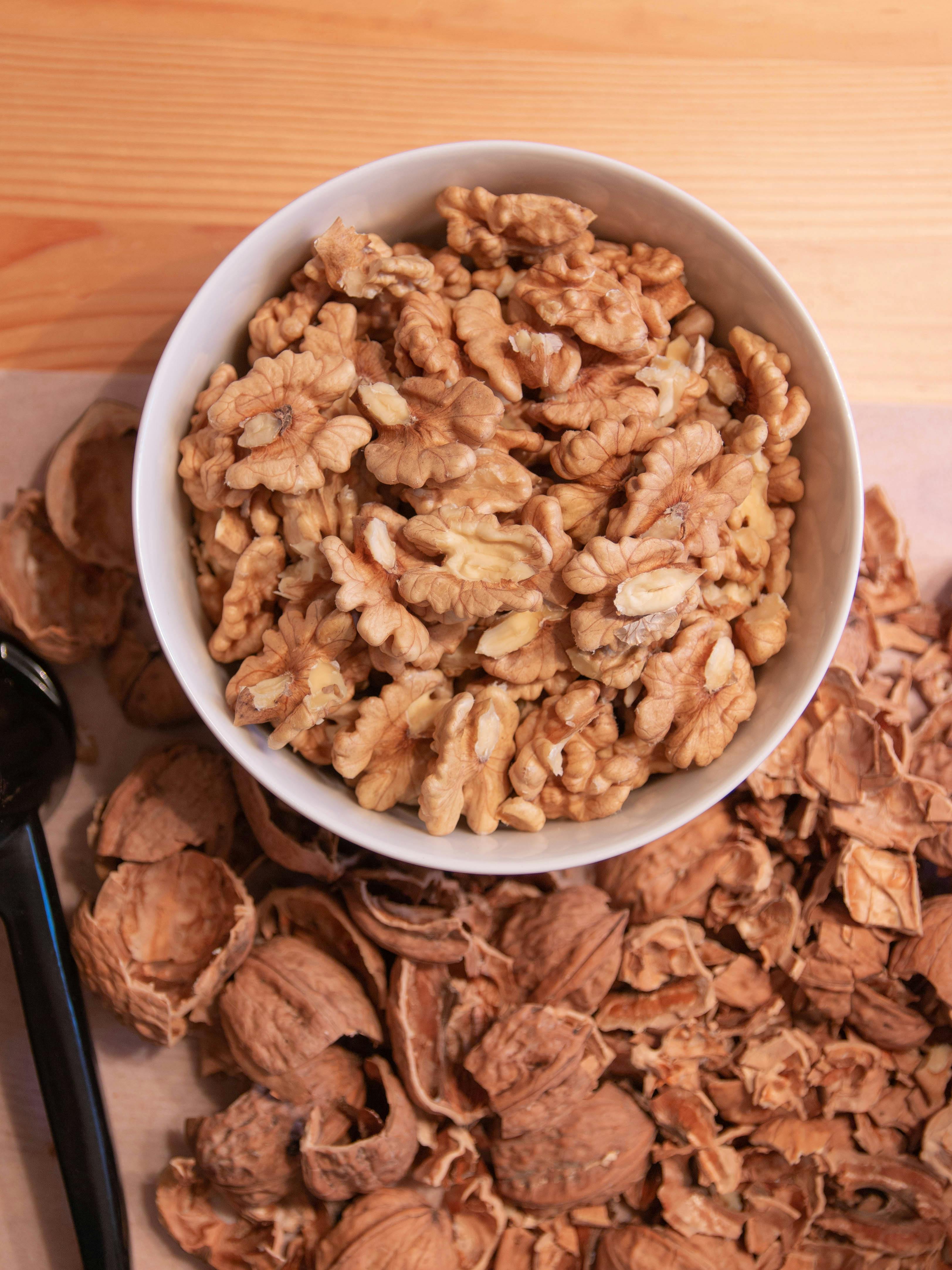
Step-by-Step: How to Actually Eat More Fiber
Start with food.
I have tested enough diet setups to know that the boring solution is often the real one, and with fiber, the boring solution is also the best one: build meals around whole foods, increase intake gradually, and drink water like you mean it.
- Hit the baseline target. Most adults should aim for about 25 to 38 grams per day, depending on sex, age, and energy needs. The exact number matters less than the habit of consistently getting a solid amount from food.
- Add one high-fiber food per meal. Put oats in breakfast, beans in lunch, vegetables at dinner, and fruit as a snack. Simple. No spreadsheets required.
- Choose whole grains when practical. Swap white bread for whole grain bread, refined cereal for bran-rich options, and plain rice for brown rice when it fits your tolerance and preferences.
- Use legumes often. Lentils, chickpeas, black beans, and split peas are cheap, filling, and packed with fiber plus protein. That is a fine deal.
- Increase slowly. If you jump from low fiber to a giant salad bunker overnight, your gut may protest with gas and cramping. That is avoidable. Add fiber over 1 to 2 weeks.
- Drink enough water. Fiber without fluid can make constipation worse in some people. Not ideal.
- Use psyllium strategically. If you struggle to reach fiber goals or need help with regularity, psyllium can help. Start small, mix it with plenty of water, and separate it from medications if your clinician advises it.
- Track your response. I tell clients to watch appetite, stool consistency, and meal satisfaction, not just the gram count. The goal is better function, not nutrition theater.
For practical food examples and overall eating structure, a balanced plan like the one described in CDC healthy weight guidance is more useful than the usual internet nonsense. If a plan is too rigid to keep, it is already broken.

Comparison Table: Whole-Food Fiber vs Psyllium Husk
| Feature | Whole-Food Fiber | Psyllium Husk |
|---|
| Main source | Fruits, vegetables, beans, oats, whole grains | Supplement powder or capsules |
| Satiety | Strong, because of volume and chewing | Moderate, mostly through gel formation |
| Nutrients | Brings vitamins, minerals, antioxidants | Minimal micronutrients |
| Gut benefits | Supports diverse gut microbes | Helpful, but narrower effect |
| Ease of use | Requires meal planning | Convenient and portable |
| Weight loss support | Better overall for long-term habits | Can help appetite control, but limited |
| Best use case | Everyday eating pattern | Targeted support for fiber gaps or regularity |
The table tells the plain truth. Whole foods win on most fronts because they do more than one job. Psyllium is a tool, not a religion.
Common Mistakes to Avoid
People make the same messes over and over.
- Expecting supplements to fix a poor diet. Psyllium is not a clean-up crew for fast food and soda.
- Adding fiber too fast. Your gut needs time. Be patient.
- Ignoring fluids. Fiber and water work together.
- Thinking all fiber is equal. Beans, oats, berries, and vegetables are not interchangeable in the body.
- Using fiber as a weight-loss trick only. If the rest of your diet is chaotic, results will be shaky.
Here’s the part most influencers skip: not every person tolerates every fiber well. Some people with IBS or sensitive guts do better with smaller amounts or specific fiber types. That is not weakness; it is physiology. A wise plan respects the person in front of you rather than some algorithmic ideal.
I also roll my eyes at the idea that a “clean” diet must be ultra-low-carb or pill-heavy. Often, the most stable diets include enough fiber, enough protein, enough fat, and enough regular meals to keep hunger from turning savage. There is nothing glamorous about that. It just works.
Frequently Asked Questions
What is the best fiber for weight loss?
The best fiber is the one you actually eat consistently, but soluble fiber-rich foods like oats, beans, apples, and psyllium may help most because they slow digestion and improve fullness.
Can psyllium husk help you lose weight?
It can support fullness and regular bowel movements, which may help with calorie control, but it is not a standalone fat-loss solution.
How much fiber do I need each day?
Many adults should aim for about 25 to 38 grams daily, though needs vary by age, sex, and calorie intake.
Can too much fiber be bad?
Yes. Too much too fast can cause bloating, gas, cramping, or constipation if you do not drink enough water.
Final Thought
Fiber is one of those unglamorous basics that people overlook because it does not sound exciting, but the body runs on basics, not hype. If you want better appetite control, steadier digestion, and a diet that actually supports training and daily life, eat more plants, use supplements wisely, and stop pretending there is a shortcut around discipline. I have not found one, and nobody else has either. Treat your body well, keep your habits sane, and the results usually follow.