Fiber is the boring nutrient that does a lot of heavy lifting. It supports digestion, blood sugar control, fullness, and gut health, and it can help with...
Fiber is the boring nutrient that does a lot of heavy lifting. It supports digestion, blood sugar control, fullness, and gut health, and it can help with weight management when the rest of your food choices make sense. Most people eat too little. That is the plain truth.
Key Takeaways:
- Fiber helps you feel full and may support weight loss by making meals more satisfying.
- Most adults need 25–38 grams daily, depending on sex and age, yet many fall short.
- Psyllium husk can help with regularity and appetite, but it is not magic.
- Hydration matters because fiber without water can backfire.
- Food first, supplements second is still the sensible approach.
What is fiber?
Fiber is a type of carbohydrate your body does not fully digest. That sounds unimpressive until you see what it actually does. It adds bulk to stool, slows digestion, feeds beneficial gut bacteria, and helps steady the rise in blood sugar after meals. When I analyzed nutrition patterns across diets that actually work, fiber kept showing up in the unglamorous but effective ones.
There are two main types: soluble fiber and insoluble fiber. Soluble fiber dissolves in water and forms a gel, which can slow stomach emptying and improve satiety. Insoluble fiber adds roughage and helps stool move through the intestines. Real life meals usually contain both, and that is why beans, oats, berries, vegetables, nuts, and seeds punch above their weight.
Frankly, fiber advice gets mangled by fad diets. Some people fear carbohydrates so much they cut out the very foods that help them stay full and regular. That usually ends in snacking, constipation, and confusion. The body is not a machine to be bullied; it is something to steward well, with moderation and good habits.
For more on nutrition basics, see Harvard T.H. Chan School of Public Health on fiber and NIDDK’s fiber guidance.
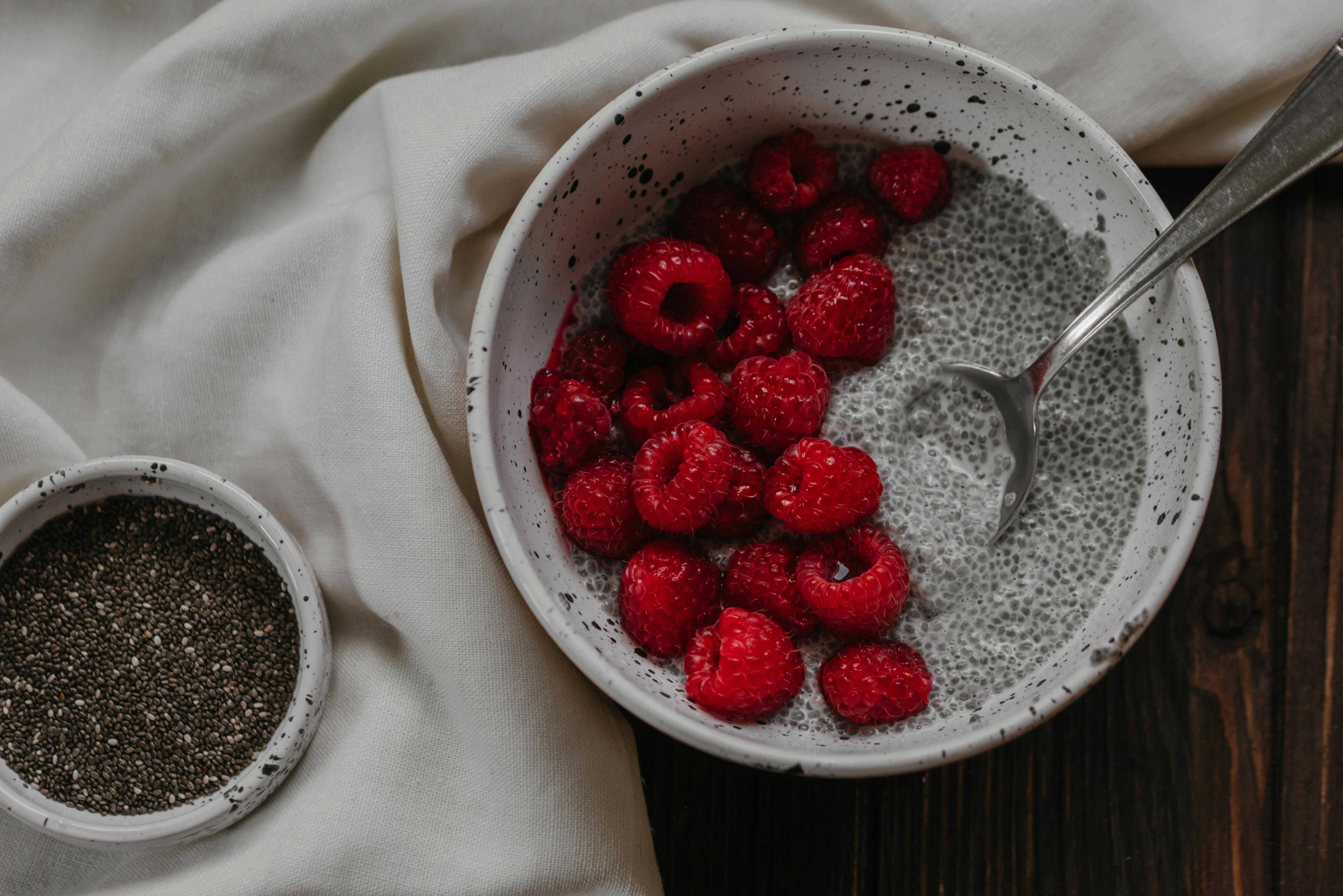
Fiber is not a trendy add-on. It is a workhorse.
And no, you cannot fake it with marketing.
Core Benefits/Importance
Fiber matters because it solves several problems at once. That is rare. Most health hacks promise everything and fix little. Fiber is not flashy, but it is proven.
- Better satiety: Fiber-rich meals keep hunger in check longer. That matters for anyone trying to reduce overeating without white-knuckling it.
- Improved digestive regularity: Insoluble fiber helps prevent constipation, while soluble fiber can support stool quality. No mystery there.
- Blood sugar support: Fiber slows carbohydrate absorption, which can blunt glucose spikes after meals.
- Heart health: Soluble fiber may help lower LDL cholesterol when part of an overall healthy diet.
- Gut microbiome support: Fermentable fibers feed helpful bacteria that produce short-chain fatty acids, which are linked with gut health.
- Weight management: High-fiber diets are often less calorie dense, which makes them easier to sustain.
Here’s the kicker: fiber does not “burn fat.” People love to turn nutrients into miracles. That is nonsense. What it can do is make a calorie-controlled diet more tolerable, and that is often the difference between a plan that lasts and one that collapses by Thursday.
If you want the exercise angle, fiber helps fuel training indirectly by improving meal quality and reducing energy swings. A decent workout plan, whether strength training or cardio, is easier to follow when your meals do not leave you ravenous an hour later. Recovery also gets easier when your digestion is working properly and you are actually eating enough produce, legumes, and whole grains.
For a deeper look at daily nutrition patterns, related health reporting, and practical meal structure, read CDC healthy eating guidance and American Heart Association fiber advice.

Fiber helps the boring stuff work better.
That is the whole point.
Step-by-Step Implementation/Guide
Start simple. People love complicated plans because they look serious, but simple habits win.
- Audit your current intake. Look at a normal day of eating. If breakfast is a pastry, lunch is refined carbs, and dinner is low on plants, you already know the problem. No need for a spreadsheet the size of a tax return.
- Add one fiber-rich food to each meal. Use oats at breakfast, beans at lunch, and vegetables at dinner. That is enough to move the needle.
- Increase gradually. If you jump from low fiber to high fiber overnight, bloating and gas may show up. That is not “detox.” It is your gut saying, slow down.
- Drink water. Fiber pulls in fluid. Without hydration, constipation can worsen. Psyllium husk especially needs enough liquid.
- Use supplements only when useful. Psyllium husk can help with regularity and may improve appetite control. I have seen it help people, but only when they treat it like a tool, not a magic pill.
- Match food to training. If you lift weights or do cardio regularly, fiber still matters, but you may need to time large, high-fiber meals away from hard sessions. Nobody wants a squat session ruined by a bean overload.
- Track response. Energy, stool quality, hunger, and workout comfort tell you more than influencer nonsense ever will.
The most useful target is the one you can actually hit. For many adults, 25–38 grams per day is a good range, but fiber goals should fit your digestion, food preferences, and workload. You do not need perfection; you need consistency.

Small changes beat heroic promises.
Every single time.
Comparison Table
| Approach | Strengths | Weaknesses | Best For |
|---|
| Fiber-rich whole foods | Nutrients, satiety, gut health, better meal quality | Takes planning, can cause bloating if increased too fast | Most people, long-term weight management |
| Psyllium husk supplement | Convenient, helps regularity, may aid fullness | Not a substitute for food, needs water, can bother digestion | People needing a simple add-on |
| Low-fiber refined diet | Easy to digest short-term, convenient | Poor satiety, weaker digestive health, less nutrient density | Short-term use only, if at all |
The topic wins on substance. The competitor wins on convenience. That is the trade-off.
Common Mistakes to Avoid.
People overcomplicate fiber and then blame the nutrient. Typical.
- Adding too much too fast: Sudden jumps cause gas, bloating, and discomfort.
- Ignoring water: This is how people make constipation worse.
- Thinking supplements replace food: Psyllium is useful, but it is not vegetables in disguise.
- Chasing “clean eating” extremes: Cutting out entire food groups often lowers fiber and wrecks adherence.
- Forgetting protein and training: Fiber helps health, but muscle retention still depends on adequate protein and resistance training.
Let’s be real, some diet advice is built for social media, not real life. You do not need a ten-step morning ritual. You need enough fiber, enough fluid, and a food pattern you can live with. Balance matters. The body deserves care, not punishment.
For related reading on performance and sustainable body composition, see articles like Mayo Clinic on fiber and weight loss and NIH Office of Dietary Supplements on fiber.
Health is stewardship, not obsession.
That distinction matters.
Frequently Asked Questions
How much fiber do I need per day?
Most adults should aim for about 25 grams daily for women and 38 grams for men, though needs vary by age and energy intake.
Can psyllium husk help me lose weight?
It may help you feel fuller and support regularity, which can make weight loss easier to stick with. It does not cause weight loss by itself.
What foods are highest in fiber?
Beans, lentils, oats, chia seeds, raspberries, pears, broccoli, and whole grains are reliable options.
Can too much fiber be a problem?
Yes. Too much too soon can cause bloating, cramping, or constipation if fluid intake is too low.
Final Thought
Fiber is not glamorous, and that is exactly why people should take it seriously. It is the kind of habit that rewards patience instead of hype. If you want better digestion, steadier appetite, and a diet that supports health without drama, start with real food, build slowly, and treat your body with the respect it deserves. That is common sense, which is rare enough these days.
And if you are still looking for a miracle pill, I have bad news: the pantry is still doing most of the work.