A Mediterranean diet can support longer, healthier living. It centers on vegetables, fruit, legumes, whole grains, olive oil, nuts, fish, and modest dairy and...
Mediterranean Diet and Longevity: What the Science Actually Says
A Mediterranean diet can support longer, healthier living. It centers on vegetables, fruit, legumes, whole grains, olive oil, nuts, fish, and modest dairy and meat, while cutting back on ultra-processed food, sugary drinks, and excessive sweeteners; that pattern fits what the strongest long-term evidence keeps showing.
Key Takeaways:- The Mediterranean diet is a food pattern, not a fad.
- It is linked with lower risk of heart disease, stroke, type 2 diabetes, and early death.
- It may help preserve brain health and physical function with age.
- Artificial sweeteners are not a free pass; long-term effects remain debated.
- Consistency matters more than gimmicks.
What is the Mediterranean Diet?
It is a simple eating pattern. It is built around plants, olive oil, fish, beans, nuts, and plain foods, with red meat and sweets kept in their proper place, and that restraint matters because human beings are not machines, they are bodies meant to be cared for with moderation and good sense.
Frankly, most people hear 'Mediterranean diet' and imagine some fancy beach club menu. That is wrong. The real model comes from traditional eating habits in places like Greece, southern Italy, and parts of Spain, where meals were shaped by seasonal produce, local fats, and less industrial junk.
The science is not vague on this point. Large cohort studies and clinical trials have repeatedly linked this pattern with better metabolic markers, lower inflammation, and fewer major cardiovascular events, including the well-known PREDIMED trial, which found reduced cardiovascular risk with Mediterranean-style eating compared with a control diet. You can read the trial summary at The New England Journal of Medicine and background guidance from Harvard T.H. Chan School of Public Health.
Artificial sweeteners complicate the picture. They are often sold as a neat fix for sugar intake, but recent research has raised concerns about associations with cardiometabolic risk and possibly cognitive outcomes. Association is not proof, sure, but it is enough to make anyone cautious about treating sweet taste like a harmless toy. A useful overview is available from the World Health Organization.
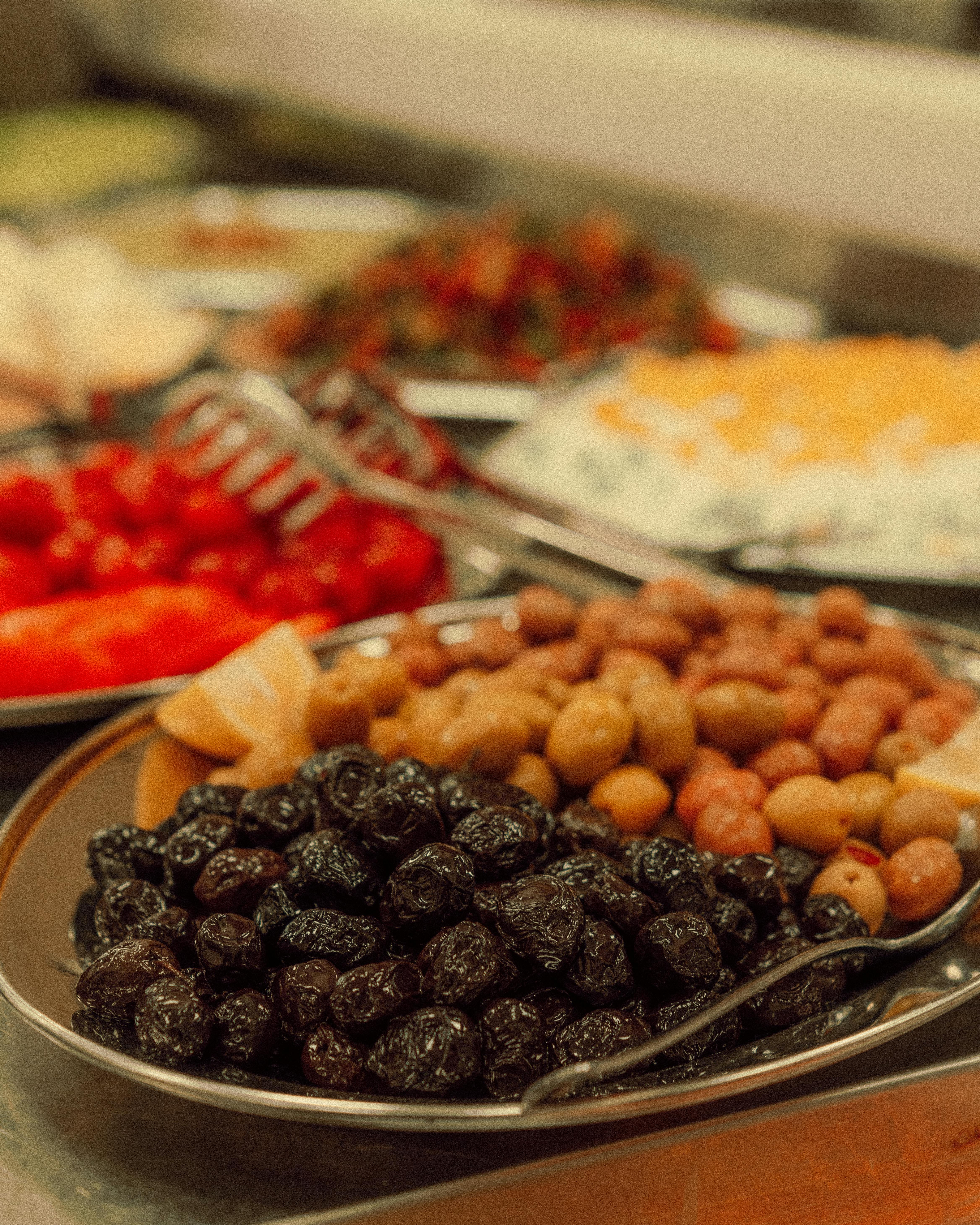
Core Benefits and Importance
The benefits are real. They show up in labs, in long-term studies, and in how people actually feel when the diet is done properly, not as a sad imitation with olive oil poured over processed snacks.
- Heart health improves. A Mediterranean pattern tends to lower LDL cholesterol, improve blood pressure, and reduce inflammation, which helps explain the lower risk of heart disease seen in major studies. That is the big one, plain and simple.
- Blood sugar control gets easier. Because it favors fiber-rich foods and healthy fats, it slows glucose spikes and supports better insulin sensitivity; that matters for people with prediabetes, type 2 diabetes, or plain old metabolic dysfunction. No magic needed.
- Brain health may hold up better. Observational work has linked Mediterranean-style eating with slower cognitive decline and lower dementia risk. Not every study is identical, but the trend is hard to ignore, and that should make us think twice before filling the cart with cheap sweetened drinks and snack bars.
- Weight management becomes more sustainable. This diet is not built on starvation. It is built on satiety, food quality, and repetition of decent meals, which is why people often stick with it longer than low-carb gimmicks or juice cleanses that collapse by Tuesday.
- Inflammation tends to fall. Olive oil polyphenols, nuts, fish, beans, and vegetables all contribute to a lower inflammatory burden. That is useful not just for disease risk, but for recovery, energy, and everyday function.
I have looked at a lot of nutrition plans, and the same pattern keeps winning: the ones based on real food, fewer labels, and sane portions work better than rules written by influencers. If you want a broader nutrition frame, see Harvard Health on healthy aging and American Heart Association guidance.
Step-by-Step Implementation Guide
Start small. Big overhauls usually fail because people try to become a different person by Monday, which is a ridiculous plan.
- Build meals around plants. Put vegetables or fruit on the plate at every meal, then add beans, lentils, or whole grains. That is the backbone.
- Choose olive oil as the main fat. Use it for cooking and dressing, while reducing butter and heavily processed seed-oil products that come packaged with plenty of sodium and almost no useful nutrition.
- Eat fish regularly. Aim for seafood a couple of times per week, especially oily fish like salmon, sardines, or trout, because omega-3 fats support cardiovascular and brain health.
- Treat meat as a side, not a centerpiece. Chicken, yogurt, and cheese can fit, but red and processed meats should be limited. That is not moralism; it is just the data speaking.
- Cut sugary drinks and routine sweeteners. This is where the artificial sweetener issue matters. If a drink tastes like dessert, treat it like dessert, not a health food. Honestly, that should not be controversial.
- Use nuts and legumes for staying power. They bring protein, fiber, and minerals, and they keep hunger more stable between meals. Cheap, effective, boring. Excellent.
- Match food with movement and sleep. Exercise science is part of the story. Strength training, walking, and regular cardio improve insulin sensitivity and appetite control, while sleep keeps hormones from going sideways. If you want structured exercise guidance, see CDC physical activity basics.
- Make it normal. Eat this way most of the time, not in bursts. A consistent pattern beats heroic efforts followed by a wrecked weekend.
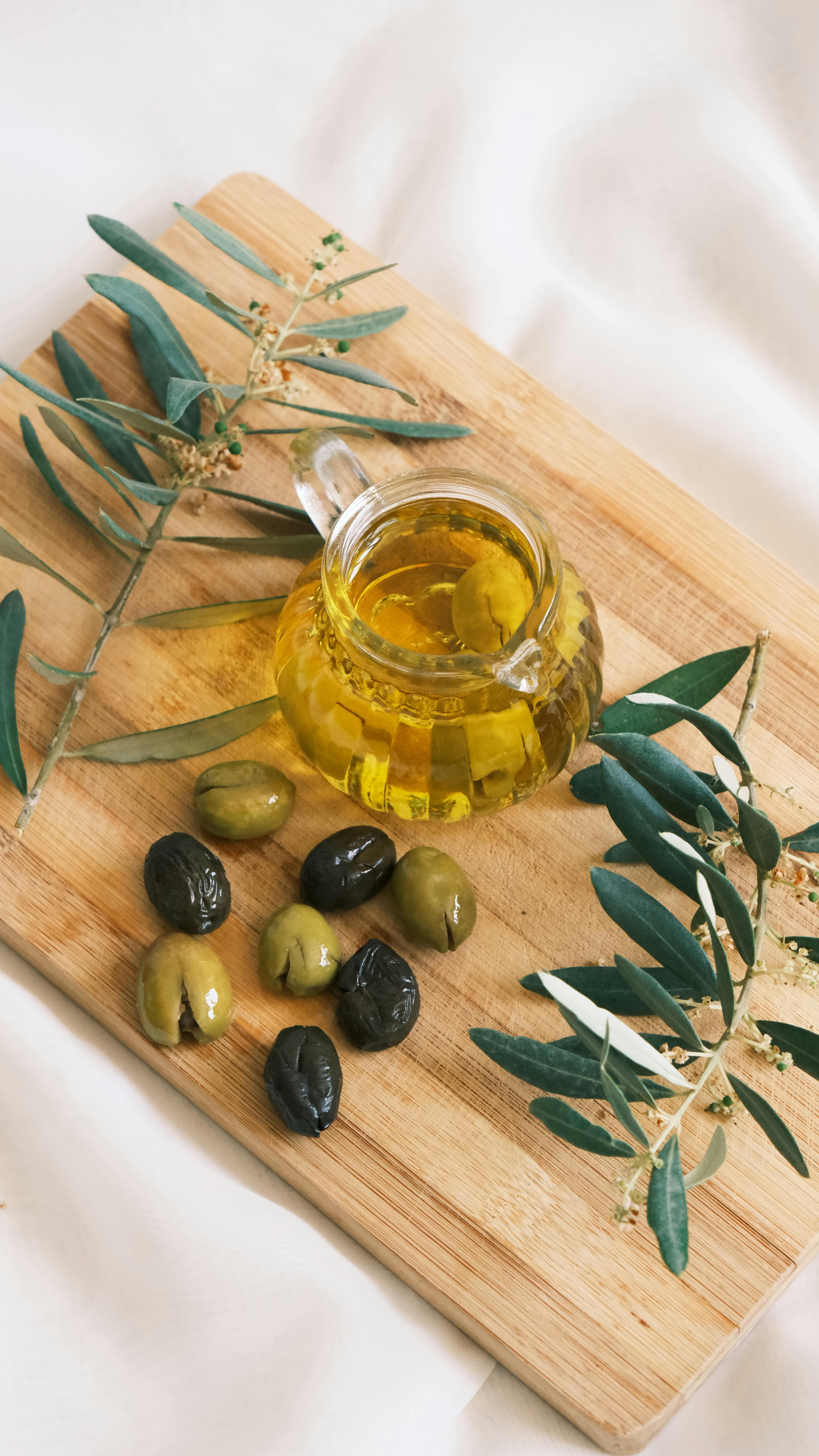
Comparison Table
Here is the blunt version. The Mediterranean diet usually beats the modern standard American eating pattern, which is heavy on ultra-processed food, added sugar, and calorie surplus.
| Feature | Mediterranean Diet | Standard Ultra-Processed Pattern |
|---|
| Main foods | Vegetables, fruit, legumes, whole grains, olive oil, fish | Packaged snacks, refined grains, sweets, fast food |
| Fat quality | Mostly unsaturated fats | More saturated fats and industrially processed fats |
| Fiber | High | Low |
| Added sugar | Low to moderate | High |
| Satiety | Strong | Poor to moderate |
| Long-term evidence | Strong for heart and metabolic health | Consistently poor |
| Sustainability | High | Low |
| Brain and aging signals | Favorable in many studies | Generally unfavorable |
The competitor is not some evil diet cult. It is just the default way many people eat now, and it is not working. That is the truth, even if food marketing hates it.
Common Mistakes to Avoid
People mess this up constantly. Usually they copy the headline, not the actual habit.
- Mistake 1: Turning it into a pasta binge. Pasta can fit, sure, but if the plate is mostly refined starch and you call that Mediterranean, that is cosplay, not nutrition.
- Mistake 2: Drowning food in olive oil. Olive oil is healthy, not magical. Calories still count, and excess intake can stall weight goals.
- Mistake 3: Ignoring protein. Older adults, athletes, and active people still need enough protein for muscle repair. Beans, yogurt, fish, eggs, and lean meats can all help.
- Mistake 4: Relying on artificial sweeteners to save a bad diet. If the rest of the diet is junk, zero-calorie sweeteners are not a rescue rope. The emerging research on long-term effects is enough to be careful, not panicked.
- Mistake 5: Forgetting the bigger picture. Food works with sleep, stress, walking, resistance training, and social habits. A decent meal pattern cannot fully compensate for a wrecked lifestyle.
When I analyze adherence, the best results come from simple routines people can repeat. No heroics. No nonsense. And, if you care about stewardship of the body, that means taking ordinary discipline seriously.
Frequently Asked Questions
Is the Mediterranean diet good for weight loss?
Yes, if calories are reasonable. It is not a trick diet, and that is actually why it works for many people over time.
Can I follow it if I do not eat fish?
Yes. You can use beans, lentils, nuts, eggs, yogurt, and plant-based omega-3 sources, though fish remains a strong option for many.
Are artificial sweeteners safe?
The short answer is: probably acceptable in moderation for most adults, but not something to use carelessly. The evidence is mixed, and the WHO has advised against using non-sugar sweeteners as a weight-control strategy because long-term benefits are weak and concerns remain.
Do I need to count calories on this diet?
Not always. Some people benefit from tracking at first, but many do well by using portion cues, eating slowly, and keeping processed foods to a minimum.
Body care should be plain, not theatrical. Good food, regular movement, sleep that actually restores you, and a restrained hand with sweet tastes do more for long life than most people want to admit; that is the kind of stewardship wisdom that holds up when hype gets tired.
The Mediterranean diet is not glamorous. Good. Most useful things are not glamorous. It is ordinary food, eaten with restraint, variety, and a little patience, which is exactly why it stands up to real life better than most diet fads.
If you want longevity, think less about hacks and more about habits. Eat food with a face, move your body, sleep enough, keep sweetened drinks from becoming a crutch, and respect the fact that health is a gift to steward well. That is not trendy language, but it is solid. And solid beats flashy every time.
One more thing. The research on artificial sweeteners is a reminder that “low-calorie” is not the same as “good for you,” and that caution beats blind trust. Measure. Observe. Adjust. That is how adults eat.
