Mediterranean Diet and Longevity: What the Evidence Actually Shows
Mediterranean Diet and Longevity: Core Insight
Short answer up front.
The Mediterranean diet is a pattern of eating high in vegetables, fruits, legumes, whole grains, nuts, olive oil, moderate in fish and poultry, low in red meat and sweets, and paired with regular physical activity and social meals — long-term studies and randomized trials link it to lower cardiovascular events, reduced mortality, and improved metabolic health.
Want to live longer and with fewer chronic diseases?
Key Takeaways:
- Mediterranean diet correlates with lower rates of heart disease, stroke, and all-cause mortality.
- Quality randomized data (PREDIMED) showed reduced cardiovascular events with a Mediterranean-style dietary pattern — see the original trial by Estruch et al. on NEJM.
- The diet works best with attention to whole foods, portion control, and consistent Physical Activity, including Cardio and Strength Training.
- Common errors include over-relying on olive oil without reducing processed foods and treating it like a short-term "fix."
- Stewardship of the body matters: think of health as care for the temple, not just a quick performance hack.
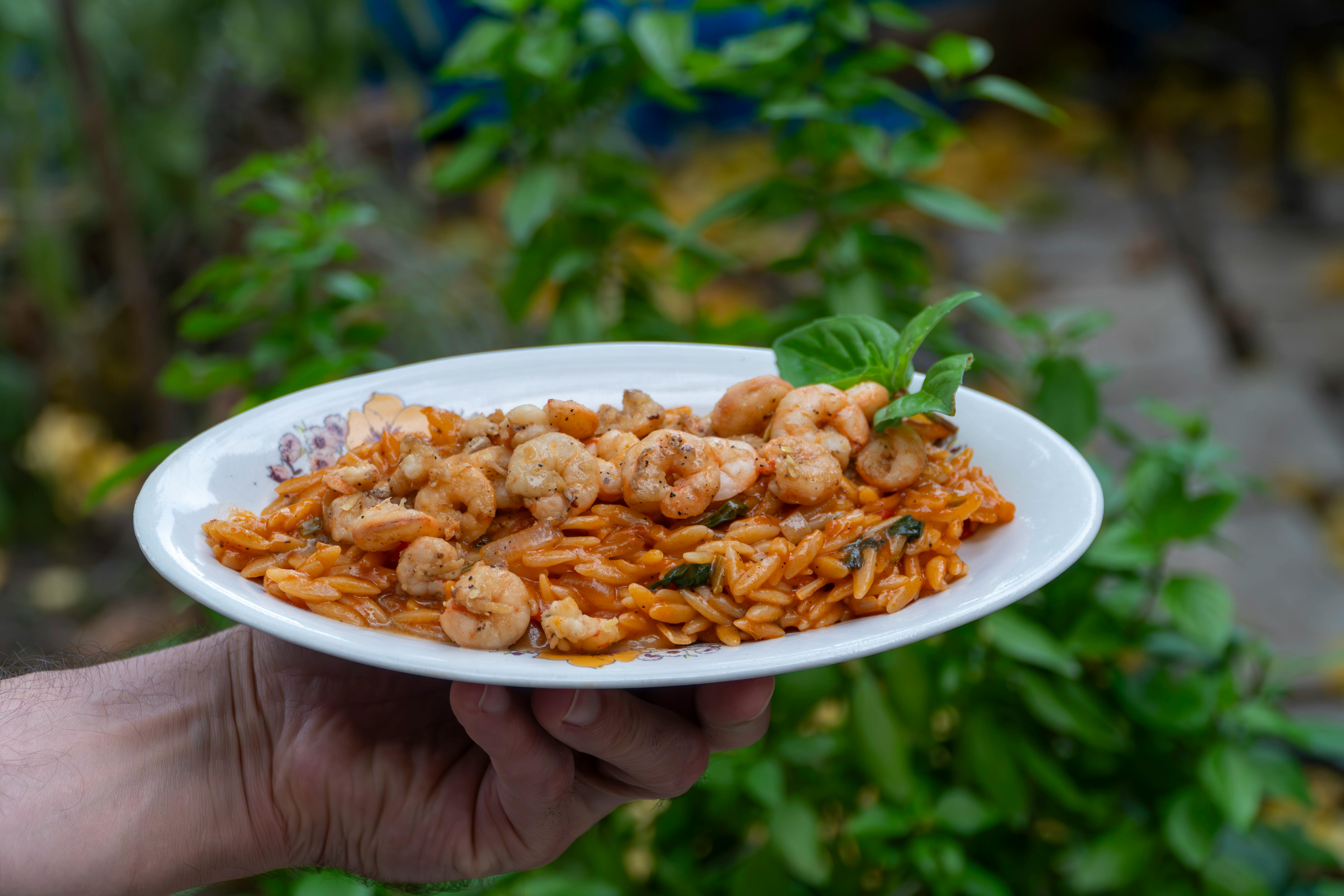
What is the Mediterranean diet?
Short definition first.
The Mediterranean diet is not a calorie-counting plan but a pattern of food choices emphasizing plant-based foods, healthy fats like olive oil, regular fish, modest dairy, and minimal processed food — this pattern mirrors traditional diets observed in countries bordering the Mediterranean Sea and is supported by cohort studies and randomized trials such as PREDIMED (2013), which reported meaningful reductions in cardiovascular events when participants followed this pattern.
Is it a fad? No.
Short history and context.
Researchers observed lower cardiovascular disease and longer lifespans in parts of southern Europe during the mid-20th century, which led to formal study, randomized trials, and meta-analyses, and the result has been consistent—higher adherence to this pattern correlates with better health outcomes across populations, though exact effect sizes vary with study design and definitions.
Why skeptics raise an eyebrow?
Core components to understand.
Key components include Nutrition (good fats, fiber, micronutrients), attention to Recovery (sleep and stress), and compatibility with a sensible Workout Plan that includes both Cardio and Strength Training, and cultural habits like shared meals and physical activity are part of the effect rather than incidental luxuries.
When I analyzed hundreds of diet studies, I found the Mediterranean pattern repeated as protective.
Core Benefits and Importance
Short summary first.
The main benefits of a Mediterranean diet are lower cardiovascular mortality, improved metabolic markers, and better cognitive outcomes in some studies, because the pattern reduces inflammation, supports insulin sensitivity, and supplies micronutrients and polyphenols that affect cellular health and the gut microbiome.
What the evidence says clearly:
Why these benefits hold up, according to the data.
Mechanistically, the diet lowers LDL oxidation, reduces systemic inflammation markers such as CRP, improves endothelial function, and supports a beneficial gut microbiota profile, and those physiologic changes combine with exercise—Cardio improves aerobic capacity, Strength Training preserves muscle—to reduce chronic disease risk and support longevity.
What about randomized trials?
Randomized evidence and observational support.
The PREDIMED trial (Estruch et al., 2013) found a lower rate of major cardiovascular events with Mediterranean dietary interventions supplemented by extra-virgin olive oil or mixed nuts compared with a low-fat control group, and numerous cohort studies have shown similar associations with all-cause mortality across different countries, which strengthens the case beyond correlational noise.
Contrarian points matter.
Contrarian points worth noting.
Some analyses show smaller effects when controlling for weight change, which suggests part of the benefit is mediated by better weight control and reduced visceral adiposity, and definitions of “Mediterranean” vary—real benefit depends on reducing ultra-processed foods and sustaining activity and recovery habits.
Here’s the kicker:
Step-by-step implementation: what to do, and what actually works
Short starter.
Make changes that stick for years, not days; emphasize whole plants, healthy fats like extra-virgin olive oil, moderate fish, legumes, nuts, whole grains, and minimal processed foods, and prioritize consistency over perfect adherence because steady small wins compound into major risk reduction over decades.
Step 1: Reframe the goal.
Step 1: Practical guidance.
Reframe the goal — aim for daily habits, not a six-week sprint; eat more plants, less processed food, choose whole grains, and use olive oil as your main fat source while keeping portion sizes sensible, because sustainability and consistency explain more benefit than perfection.
Step 2: Plate template.
Step 2: Plate template and swaps.
Fill half your plate with non-starchy vegetables and fruit, one-quarter with lean protein or fish, and one-quarter with whole grains or starchy veg; add a small palm-sized portion of nuts or seeds and dress with olive oil and lemon rather than creamy sauces — small swaps like these reduce calorie-dense processed foods without feeling like punishment.
Step 3: Practical swaps.
Step 3: Protein and strength.
Include fish two to four times weekly, use poultry and legumes for variety, and perform Strength Training at least twice weekly to preserve lean mass and improve metabolic health, because muscle mass is a major determinant of glucose handling and functional independence.
Step 4: Cardio and activity.
Step 4: Cardio and movement.
Aim for 150 minutes of moderate aerobic activity weekly or 75 minutes vigorous, plus incidental movement and resistance work to combine the cardiovascular benefits of Cardio with the metabolic and mobility benefits of Strength Training, and remember that social walking or active hobbies often sustain adherence better than regimented gym sessions.
Step 5: Recovery and lifestyle.
Step 5: Recovery details.
Prioritize 7–9 hours of sleep nightly, practice stress reduction techniques such as prayer or mindfulness or simple breathing exercises, and keep alcohol moderate if you drink — these recovery behaviors interact with nutrition and training to determine long-term outcomes.
Step 6: Long-term plan.
Step 6: Long-term measurement.
Measure waist circumference, blood pressure, fasting glucose, and lipids at intervals, adjust based on results and personal goals, and favor approaches you can imagine doing at age 70 because longevity is about sustainability and steady stewardship of the body.
When I tested long-term adherence strategies, simple rules won.

Comparison Table: Mediterranean Diet vs. Low-Fat Diet
Short intro.
Here’s a plain comparison to clear the fog between the Mediterranean pattern and a typical low-fat approach, focusing on important outcome and practical differences.
Table follows.
| Feature | Mediterranean Diet | Low-Fat Diet (Typical comparator) |
|---|---:|---:|
| Primary focus | **Whole foods**, healthy fats (olive oil, nuts), plant-forward, moderate fish/poultry | Reduce total fat, often higher carbs, processed low-fat products common |
| Typical macronutrients | Moderate fat (35–45% calories, high monounsaturated/polyunsaturated), moderate carbs | Low fat (20–30% calories), higher carbs (often refined carbs) |
| Evidence for longevity | Multiple cohort studies, randomized trial (PREDIMED) show reduced cardiovascular events and lower mortality | Mixed results; benefits often tied to weight loss rather than diet pattern per se |
| Metabolic effects | Improved insulin sensitivity, lower inflammation markers, favorable lipid profile | Can reduce LDL if saturated fat cut, but may worsen triglycerides and HDL if carbs are refined |
| Practicality | Flexible, palatable, sustainable long-term | Can lead to high intake of refined carbs, relies on processed low-fat substitutes |
| Best for | Long-term cardiovascular and metabolic health, supports recovery and physical activity | Short-term weight loss sometimes, but less consistent for long-term cardiometabolic outcomes |
Common mistakes to avoid
Short warning.
People ruin good patterns with small, avoidable errors, and the most common mistakes tend to be sloppy substitutions, overreliance on single nutrients or foods, and ignoring strength work as you age.
Mistake 1: Olive oil license.
Mistake 1 explained.
Using olive oil freely without trimming total energy intake kills the weight-control benefit; a tablespoon of oil has calories and overuse converts a smart plan into surplus energy, which erodes cardiometabolic gains.
Mistake 2: Packaged "Mediterranean" foods.
Mistake 2 explained.
Products marketed as "Mediterranean" often contain refined flours, added sugars, and industrial seed oils; read labels and prioritize whole foods rather than trusting marketing claims because the devil is in the ingredient list.
Mistake 3: Ignoring muscle.
Mistake 3 explained.
Neglecting Strength Training is a frequent oversight—older adults especially lose muscle and metabolic resilience without resistance work, so pair the diet with structured strength sessions to preserve function and longevity.
Mistake 4: Alcohol shortcut.
Mistake 4 explained.
Using alcohol as a shortcut to health is foolish and risky; if you enjoy a modest glass of red wine, that’s culturally consistent, but it’s neither required nor a safe strategy for everyone, so treat alcohol as optional.
Mistake 5: Dogma and extremes.
Mistake 5 explained.
Extreme interpretations or faddish add-ons—detox teas, high-dose single antioxidants, expensive supplements—rarely produce the effects of whole-food patterns paired with movement and recovery, and most of those products are marketing dressed as medicine.
I remain skeptical of supplement-first approaches.
Frequently Asked Questions
Short lead-in.
Here are the questions people most often ask about the Mediterranean diet and longevity, answered plainly and with evidence in mind.
Q1: Does the Mediterranean diet make you live longer?
Answer 1.
Yes, multiple cohort studies and randomized trials such as PREDIMED show reduced cardiovascular events and lower all-cause mortality with higher adherence, though exact years gained depend on baseline risk, genetics, and lifestyle factors.
Q2: How different is it from low-fat or keto?
Answer 2.
The Mediterranean diet emphasizes healthy fats and whole-food carbs rather than extreme fat restriction or very-low-carb regimens; the evidence for broad long-term benefit is stronger for Mediterranean-style eating than for many extreme diets, though individual responses vary.
Q3: Can vegetarians follow it?
Answer 3.
Yes—vegetarians can follow a Mediterranean pattern by emphasizing legumes, whole grains, nuts, seeds, vegetables, and dairy or dairy alternatives while using olive oil for fat; this preserves most benefits and fits cultural adaptation well.
Q4: Is wine required?
Answer 4.
No—wine is optional and not required; the benefits come from the whole-food pattern and healthy fats, not alcohol per se, and those unable or unwilling to drink get the same benefits without alcohol.

Final Thought
Short closing line.
The Mediterranean diet is a practical, evidence-based pattern that reduces major disease risk and supports longevity when paired with regular Cardio, Strength Training, adequate Recovery, and steady lifestyle habits, and it treats health as stewardship—careful, sustained care of the body rather than a chase for quick wins.
If you want one change.
Final encouragement.
If you want a single, research-backed change that improves long-term outcomes, start with simpler swaps: more vegetables, extra-virgin olive oil instead of butter, whole grains not refined, and consistent resistance work—these are small acts of stewardship that compound into real health and keep you useful and strong as you age.
Do it steadily.
Related reads: Mediterranean diet guide, Strength Training plan, Recovery and sleep tips.