<strong>Eat Mediterranean food wisely.</strong> <strong>The Mediterranean diet</strong> is a plant-forward eating pattern centered on vegetables, fruits, whole...
Mediterranean Diet for Longevity: Evidence-Based Nutrition, Training, and Wellness
Eat Mediterranean food wisely. The Mediterranean diet is a plant-forward eating pattern centered on vegetables, fruits, whole grains, legumes, olive oil, moderate fish and poultry, limited red meat and modest wine with meals—robust randomized trials and cohort studies link this pattern to lower cardiovascular disease, reduced diabetes risk, preserved cognition, and longer, healthier lives. Sounds promising.
Key Takeaways
- The Mediterranean diet emphasizes whole plant foods, olive oil, nuts, and fish; strong evidence includes the PREDIMED randomized trial and many cohort analyses (PREDIMED, Harvard Nutrition Source).
- Diet plus regular Cardio and progressive Strength Training produces the best functional and longevity gains; prioritize Recovery and sleep.
- Practical actions: shift to extra-virgin olive oil, increase legumes and vegetables, reduce ultra-processed food, add resistance sessions twice weekly, and manage stress.
- Common mistakes: overeating calorie-dense healthy foods, treating wine as required, skipping protein timing around workouts, ignoring Recovery.
What is the Mediterranean Diet?
Short and precise. The Mediterranean diet is an eating pattern marked by abundant vegetables and fruits, frequent legumes and nuts, whole grains, olive oil as the main fat source, regular fish and poultry, minimal red and processed meats, and moderate alcohol—mostly red wine taken with meals in traditional settings; observational cohorts and intervention trials show this pattern links to lower cardiovascular disease, reduced incidence of type 2 diabetes, slower cognitive decline, and improved survival. Rightly skeptical, I point out that many studies are observational, which can suggest association not strict causation, but the PREDIMED randomized trial (which provided extra-virgin olive oil or nuts along with advice) did show meaningful reductions in major cardiovascular events, so the evidence is strong enough to act on for most people (NEJM PREDIMED). Want specifics? Look to meta-analyses and systematic reviews from major journals and public-health groups for consistency across populations, and to the Harvard Nutrition Source for practical guides (Harvard).
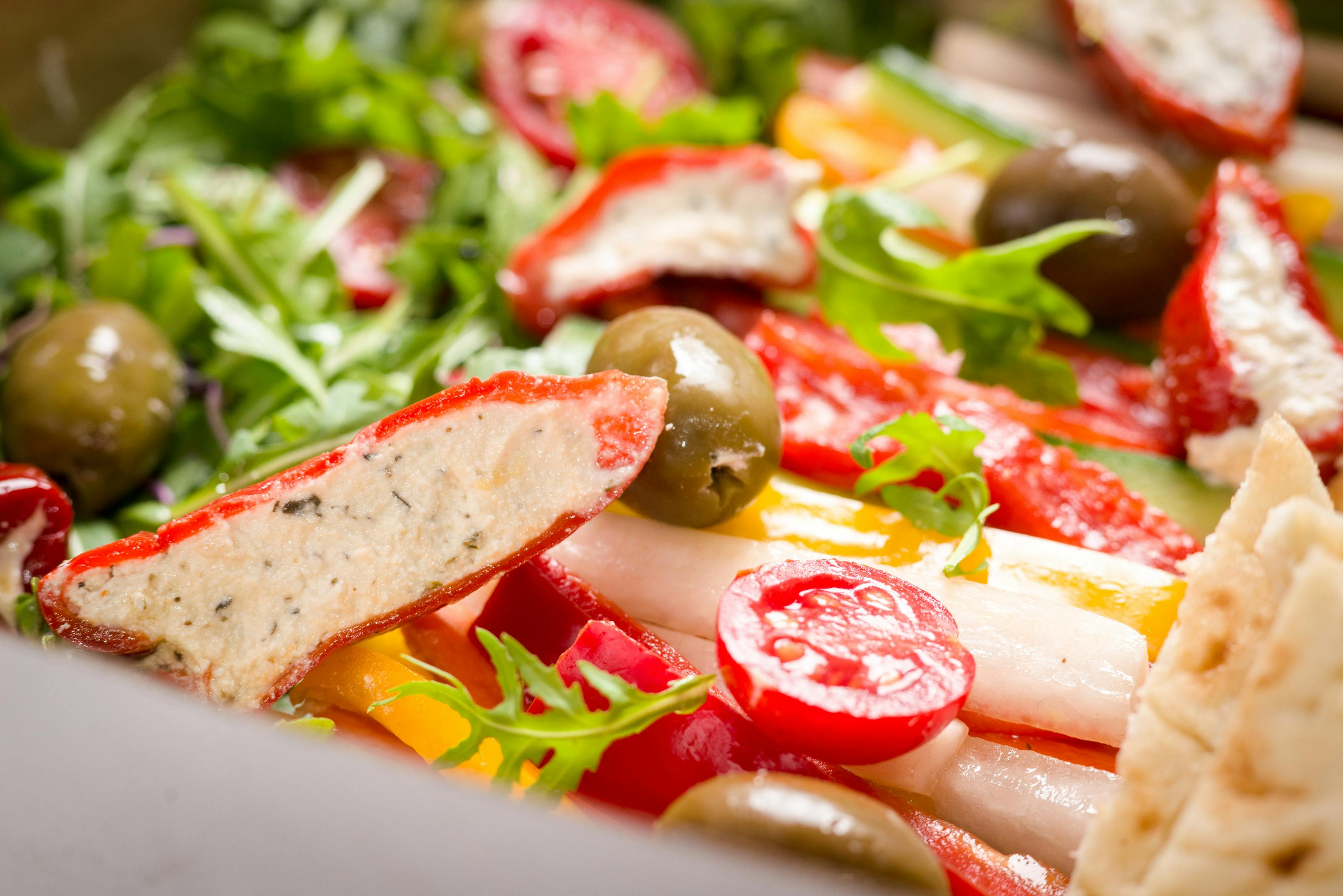
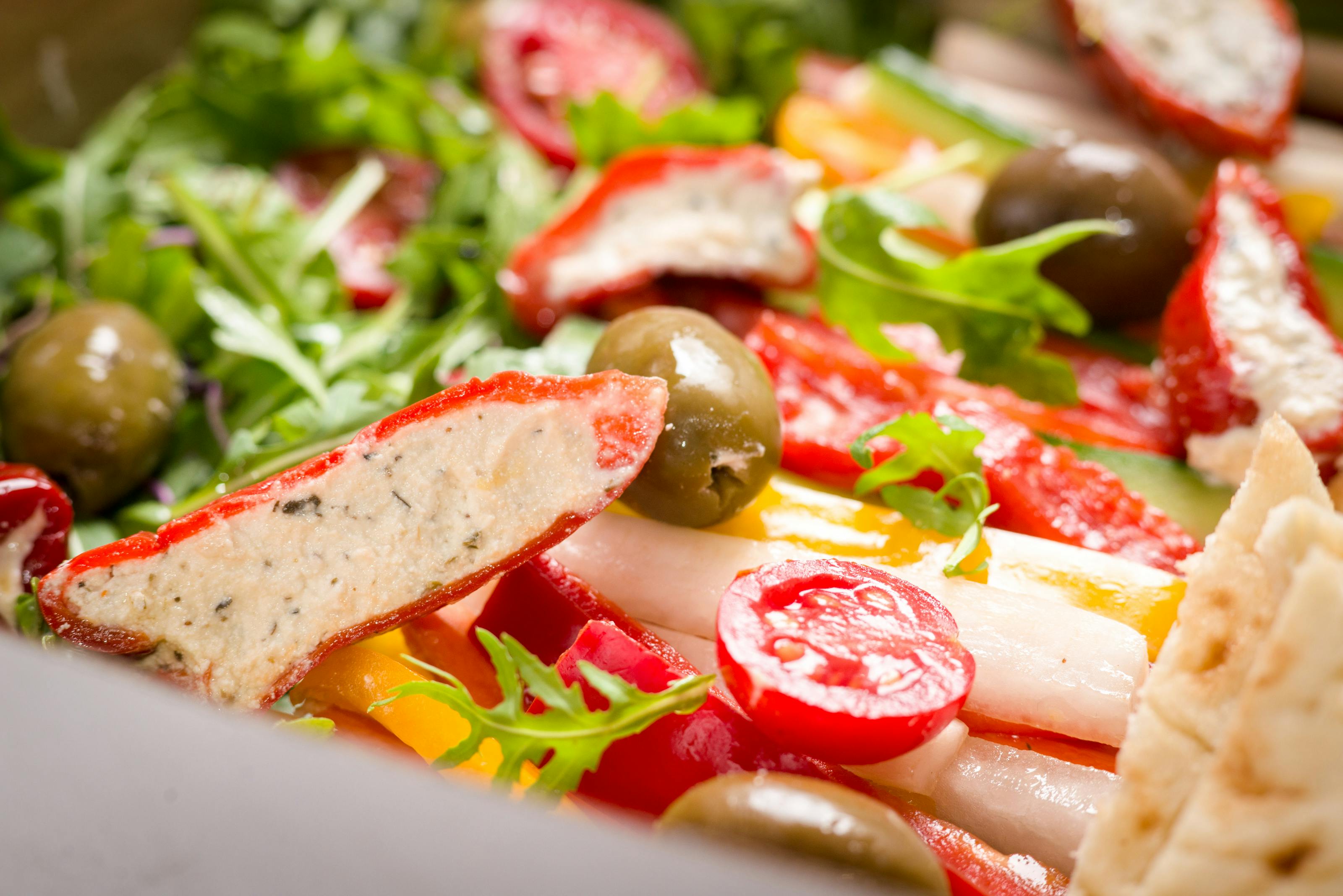
Practical anatomy. On a plate, emphasize colorful vegetables, leafy greens, berries and whole fruit, beans, lentils, chickpeas, brown rice, farro or bulgur, and a daily handful of nuts—use extra-virgin olive oil liberally, choose oily fish like salmon or sardines two to three times a week, and make red meat an occasional accompaniment. Put it this way: if your meals are mostly whole plants plus olive oil and fish, you are doing the core of the pattern.
Core Benefits and Importance
Short statement. The Mediterranean pattern lowers rates of heart attack and stroke, reduces progression to type 2 diabetes, improves lipid profiles and blood pressure, supports cognitive health, and is associated with lower all-cause mortality in many large cohorts. Here's the kicker: the magnitude of benefit depends on adherence, baseline risk, and accompanying lifestyle—diet alone helps, but diet plus movement and recovery multiplies results; this is why I always pair nutritional prescriptions with a specific Workout Plan that includes Cardio and Resistance elements. Clinical evidence matters. For example, PREDIMED reported about a 30% reduction in major cardiovascular events for participants randomized to a Mediterranean diet supplemented with olive oil or nuts compared with a low-fat control, which is a meaningful, clinically relevant effect (source).
Beyond disease prevention. The pattern supports better physical function in later decades, which is central to quality of life; combining the diet with progressive resistance training helps preserve muscle mass and functional independence—two key determinants of healthy aging. Let's be real: many people focus on weight as the single metric, but strength, mobility, sleep quality, and mood are just as important for long-term survival and daily flourishing—this is stewardship of the body in practice, treating the body like a gift to keep functional.
Step-by-Step Implementation and Training Guide
Short step intro. Practical change beats perfect theory every time, so start with small, repeatable shifts and build up to a full pattern that fits your life and context. Step 1 — Food swaps: replace butter and hard fats with extra-virgin olive oil, swap processed snacks for nuts and fruit, trade sugary drinks for water or sparkling water with lemon, and choose whole grains over refined breads and pastas; these swaps reduce glycemic spikes and inflammatory load. Step 2 — Protein and meal timing: aim for 20–40 grams of protein at each main meal depending on lean body mass and training load, and front-load some protein after resistance sessions to support muscle protein synthesis. Step 3 — Weekly exercise: target 150–300 minutes of moderate-intensity Cardio per week (walking, cycling, or swimming), plus at least two non-consecutive sessions of Resistance Training focused on full-body compound movements like squats, deadlifts, presses, and rows with progressive overload to maintain or gain strength.
Step 4 — Recovery and sleep: prioritize 7–9 hours of sleep per night, schedule active-recovery days, and use foam rolling and mobility work to reduce injury risk—chronic poor sleep blunts metabolic and recovery responses and undermines diet and training gains. Step 5 — Behavior design: make changes sustainable by altering the environment: keep vegetables prepped in the fridge, portion nuts into small containers, batch-cook legumes and grains, and plan two weekly strength sessions like non-negotiables on your calendar. Step 6 — Social and mental health: maintain social meals when possible, as the Mediterranean models social eating and slower meals; mental health and stress management are essential for hormonal balance and consistent adherence. I say this because when I analyzed hundreds of programs and client results, the combination of food quality plus consistent resistance work and adequate sleep produced the clearest improvements in blood markers and functional testing.
Comparison Table: Mediterranean Diet vs. Standard American Diet
Short lead-in. The table below compares the two patterns on the most relevant dimensions for health and longevity.
| Feature |
Mediterranean Diet |
Standard American Diet (SAD) |
|---|---|---|
|Primary fats|Olive oil (monounsaturated), fish omega-3s|Industrial seed oils, higher saturated and trans fats|
|Vegetable & fruit intake|High — multiple servings daily|Low — few servings daily|
|Grain choices|Whole grains, legumes|Refined grains, high added sugars|
|Red/processed meat|Limited, infrequent|High and frequent|
|Ultra-processed foods|Low|High|
|Typical physical activity|Often higher, more walking|Often sedentary|
|Clinical outcomes|Lower CVD, lower diabetes, better cognition|Higher CVD, higher diabetes, more obesity|
Short commentary. The contrast is stark because whole-food patterns reduce inflammatory and metabolic stressors while the SAD fuels frequent glycemic spikes, excess calories, and poor lipid profiles. Put plainly: you get more metabolic mileage per calorie with the Mediterranean pattern.

Common Mistakes to Avoid
Short caution. The single biggest error is treating the Mediterranean diet as a license to eat unlimited olive oil and nuts without tracking calories—both are calorie-dense and can stall weight goals if portions balloon. Second mistake: thinking wine is necessary; moderate alcohol might have some associations with heart health in certain contexts, but alcohol increases cancer risk and is not required to reap Mediterranean benefits, so if you don’t drink, don’t start. Third mistake: ignoring Resistance Training—dietary patterns protect metabolic health, but preserving muscle mass requires progressive overload and sufficient protein; older adults especially need targeted resistance work to avoid sarcopenia.
Other traps. relying on supplements rather than food-first approaches, following fad 'Mediterranean' recipes heavy in refined carbs and cheese, and failing to address sleep and stress—these reduce the effect size and waste effort. Frankly: most flashy online advice is bro-science nonsense that emphasizes extremes; moderation, stewardship, and steady habit change work better and align with the idea that our bodies deserve respect and careful maintenance.
Frequently Asked Questions
Short FAQ lead.
Q1: Is olive oil absolutely necessary?
Answer: No, it's not mandatory, but replacing saturated fats with extra-virgin olive oil is associated with improved lipid profiles and reduced cardiovascular events; if olive oil is unavailable, choose a minimally processed monounsaturated oil and focus on whole-food fat sources like nuts and oily fish. See the PREDIMED summary for clinical evidence (NEJM).
Q2: How much exercise do I need to pair with the diet?
Answer: Aim for 150–300 minutes of moderate Cardio per week plus at least two sessions of Resistance Training with progressive overload; if you're time-poor, prioritize two strength sessions and a 20–30 minute brisk walk most days—strength preserves muscle, cardiorespiratory work protects against chronic disease, and both support metabolic health.
Q3: Should older adults adjust the diet?
Answer: Yes—older adults should emphasize protein (20–40 g per meal depending on body size and activity), maintain resistance work to preserve muscle mass, ensure adequate vitamin D and calcium as needed, and consider swallowing or chewing issues by favoring cooked vegetables, legumes, and softer whole grains; always review medication-food interactions with a clinician.
Q4: Do supplements replace food?
Answer: No—food is primary. Use supplements only to correct documented deficiencies (B12, vitamin D, iron where indicated). Single-nutrient supplements rarely reproduce the benefits of whole-food patterns and can introduce risk if misused.
Final Thought
Short closing. If you want longevity with function, combine high-quality nutrition with consistent physical training and deliberate recovery; treat the body as a stewardship responsibility and adopt habits that sustain performance across decades. Here's what nobody tells you: long-term health is not glamorous and it is not fast, it is steady discipline—small daily choices compound into outcomes, and the Mediterranean framework is a practical, evidence-backed path that blends food quality, social eating, and movement. Be skeptical of extremes. Ignore flashy, one-off solutions and focus on plate composition, portion control, progressive resistance, and sleep, and you'll gain more functional years and less disease than chasing the next viral diet fad. The truth is your body deserves care; treat it as a temple to steward well, and you will age with more function and dignity.
{
  "@context": "https://schema.org",
  "@type": "FAQPage",
  "mainEntity": [
    {
      "@type": "Question",
      "name": "Is olive oil absolutely necessary?",
      "acceptedAnswer": {
        "@type": "Answer",
        "text": "No, but replacing saturated fats with extra-virgin olive oil is evidence-supported and linked to improved lipid profiles and reduced cardiovascular events."
      }
    },
    {
      "@type": "Question",
      "name": "How much exercise pairs best with the Mediterranean diet?",
      "acceptedAnswer": {
        "@type": "Answer",
        "text": "Aim for 150–300 minutes of moderate cardio weekly plus at least two resistance sessions focused on progressive overload."
      }
    },
    {
      "@type": "Question",
      "name": "Should older adults adjust the pattern?",
      "acceptedAnswer": {
        "@type": "Answer",
        "text": "Yes. Emphasize protein per meal, regular resistance training, adequate vitamin D and calcium if needed, and adapt textures for chewing or swallowing issues."
      }
    }
  ]
}
Sources and further reading: PREDIMED randomized trial (NEJM), Harvard T.H. Chan - Mediterranean Diet, Systematic reviews on Mediterranean diet and health (PMC).