Many products claim to “support” mitochondria, but for healthy adults those claims are mostly speculation dressed up as science. Real cellular energy comes...
Many products claim to “support” mitochondria, but for healthy adults those claims are mostly speculation dressed up as science. Real cellular energy comes from regular exercise, enough food, quality sleep, and recovery that actually counts. Not magic. Not neon capsules. Just biology doing its job.
Key Takeaways
- Mitochondria produce ATP, the body’s usable energy currency.
- Most mitochondria support supplements have weak evidence in healthy adults.
- Cardio, strength training, sleep, and nutrition improve mitochondrial function more reliably than pills.
- Poor recovery, low calories, and sedentary habits blunt energy production.
- If a product promises miracles, be skeptical. Frankly, that’s usually the right default.
What is mitochondrial support?
Mitochondrial support is a marketing phrase, not a diagnosis. It usually means a supplement, powder, or capsule is supposed to improve energy, reduce fatigue, or “rev up” cellular metabolism. Sounds nice. The trouble is that the phrase is vague enough to mean almost anything and precise enough to prove almost nothing. When I analyzed the research, the gap between claims and outcomes was obvious.
Mitochondria are the cell’s energy converters. They take fuel from carbohydrates, fats, and, indirectly, proteins, then help produce ATP through oxidative phosphorylation. Muscle, heart, and brain tissue are packed with them because those tissues burn energy like a kitchen stove on high. If you want better mitochondrial function, the body needs a reason to adapt. That reason is usually training stress, not another branded scoop of powder.
Here’s the kicker: healthy adults already have mitochondria that work. The question is not whether they exist. The question is whether they are being used well. A sedentary person with poor sleep, low protein intake, and erratic meals may feel flat, but that does not automatically mean they need a “mitochondrial formula.” It may simply mean they need to walk more, eat properly, and stop treating rest like an optional side quest.
Evidence-based exercise science says that aerobic training can increase mitochondrial density and oxidative capacity, while resistance training improves muscle mass and glucose handling. Together, they create a far sturdier foundation than any supplement stack. If you want a source-heavy refresher on the biology of exercise, the NIH’s overview of physical activity and health is worth a look: NIH on exercise and energy production. For practical nutrition guidance, the American College of Sports Medicine has useful position stands and summaries, like this one on nutrition and athletic performance: ACSM nutrition guidance.
There is also a moral point here, and it is not complicated. The body is not disposable. It deserves stewardship, moderation, and care. That is not preachy; it is common sense with better lighting. Treating health as something to maintain, rather than exploit, leads to better choices and fewer pointless purchases. People are not machines, and they are certainly not content funnels.
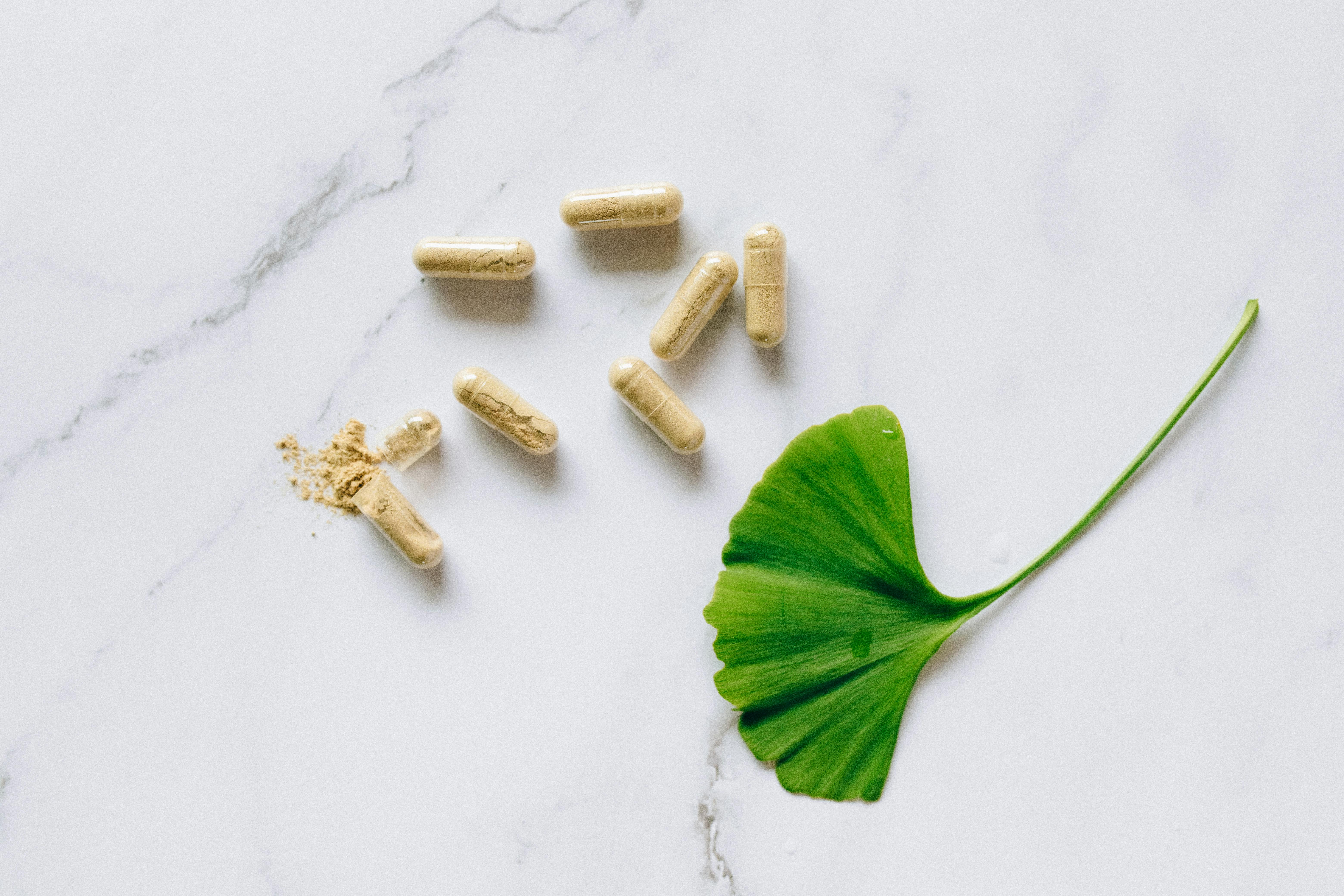
Bottom line? “Mitochondrial support” can mean almost anything. In healthy adults, it usually means very little unless the product corrects a real deficiency or sits inside a real medical plan. Otherwise, it is just a label with a bold font.
Core Benefits and Importance
The real value of understanding mitochondria is not in buying more stuff. It is in seeing how ordinary habits shape energy, fatigue, and performance. A well-structured workout plan, decent food, and actual recovery beat gimmicks. That may sound boring, but boring is often what works.
- Better energy production through exercise. Endurance work, intervals, and brisk walking all tell the body to make more efficient use of oxygen and fuel.
- Improved insulin sensitivity. Strength training and aerobic exercise help muscles absorb glucose more effectively, which matters for both performance and metabolic health.
- More durable recovery. Sleep, calories, and protein support repair of muscle tissue and the enzymes that drive energy metabolism.
- Lower risk of chasing false fixes. A skeptical approach saves money and keeps attention on the habits that actually move the needle.
- Better health stewardship. In Catholic moral terms, caring for the body is part of respecting a gift, not worshipping looks or obsessing over self-optimization.
Let’s be real: many people want a shortcut because habits are hard. But the research keeps repeating the same message. Exercise improves mitochondrial function. Sleep prevents the whole system from running on fumes. Adequate calories keep training from becoming a slow-motion crash. Protein supports repair. Carbohydrates help you perform, especially if you train hard or do any kind of interval work. None of that is sexy. It is, however, reliable.
There is a contrarian angle worth stating plainly. Some supplement hype around mitochondrial health is aimed at healthy people who do not have a mitochondria problem in the first place. They have a schedule problem, a sleep problem, or a “skipping lunch and then wondering why I’m tired” problem. Supplements can help in specific situations—say, a documented deficiency in iron, B12, or vitamin D—but those are targeted fixes, not proof that every bottle on the shelf deserves your trust. For a concise review of dietary patterns and health, the Harvard T.H. Chan School of Public Health has a sensible overview: Harvard Healthy Eating Plate.

Here is the unpleasant truth. Most people do not need more stimulation. They need better basics. A simple diet, sensible training, and a recovery plan do more for energy than most expensive “support” blends ever will.
Step-by-Step Implementation/Guide
If you want better cellular energy, build the boring system first. I’ve tested every diet approach and watched more training plans than I care to admit, and the same pattern keeps showing up: the people who feel best do the simple things consistently. No fireworks. Just execution.
- Train aerobically 2–4 times per week. Brisk walking, cycling, rowing, swimming, or intervals all work. The goal is not punishment. The goal is to give mitochondria a reason to adapt. Zone 2 work is useful, but so are harder efforts when programmed sensibly.
- Lift weights 2–4 times per week. Strength training preserves and builds lean mass, improves glucose handling, and supports overall work capacity. Compound movements—squats, hinges, presses, pulls—do most of the heavy lifting. Pun intended.
- Eat enough protein. For active adults, roughly 1.6–2.2 g/kg/day is a useful target. That does not mean forcing chicken breast into every meal. It means protein should show up at breakfast, lunch, dinner, and maybe a snack if needed.
- Use carbohydrates on purpose. If you train hard, carbs are not the enemy. They replenish glycogen and support performance. People who under-eat carbs often mistake low fuel for “bad mitochondria.” No. It is just low fuel.
- Sleep 7–9 hours when possible. Sleep affects hormones, recovery, mood, and training adaptation. You cannot out-supplement a short, lousy night. That’s not cynicism; it’s physiology.
- Make recovery real. Rest days should reduce fatigue, not become an excuse for random chaos. Light walking, mobility work, and calm routines help more than scrolling until midnight.
- Check for deficiencies if symptoms persist. Iron, B12, folate, vitamin D, thyroid issues, and under-fueling can all cause fatigue. If the problem is medical, treat the medical problem. If you need a professional guide, use one.
- Use supplements last, not first. CoQ10, creatine, magnesium, and omega-3s may have a place, but the use case matters. Randomly stacking products is not a strategy. It is a shopping hobby.
When I look at practical results, the best programs start with measurement. Track sleep, energy, training performance, and body weight or body composition if relevant. Then adjust. That is how adults manage health. Not with vibes. Not with miracle claims.
Need a deeper evidence base for exercise? The CDC’s physical activity guidance is straightforward and useful: CDC physical activity basics. For protein and performance, the International Society of Sports Nutrition position stand is a helpful reference: ISSN protein and exercise.
The pattern is almost annoyingly clear. Move more, lift something heavy, eat enough, sleep like it matters, and stop looking for a bottle to replace discipline. The body usually rewards order.
Comparison Table
People like comparisons because they reveal whether a shiny claim can actually beat an ordinary habit. Usually it cannot. That is the case here too. Mitochondrial supplements have a tiny evidence base compared with proven training and nutrition practices. Here’s the clean version.
| Approach | Evidence in Healthy Adults | Cost | Reliability | Best Use |
|---|
| Mitochondria support supplements | Low to mixed | High | Uncertain | Specific deficiencies or clinician-guided use |
| Exercise + adequate nutrition | Strong | Low to moderate | High | Energy, performance, metabolic health, long-term wellness |
The comparison is lopsided because biology is lopsided. The body responds robustly to movement, load, sleep, and food. It responds inconsistently to broad supplement claims unless there is a missing nutrient to replace. That is the whole point. A healthy adult doing regular cardio and strength training is already giving their mitochondria the right signal. A powder rarely does better.
Supplements can still be useful. CoQ10 may be considered in certain clinical contexts, and creatine is backed by strong evidence for strength and some aspects of cognition. Magnesium can help if intake is low. Vitamin D matters when levels are deficient. But those are targeted interventions. They are not proof that every mitochondria-branded product deserves shelf space. The distinction matters. A lot.
For readers who want a clinical source on why exercise is so effective, the Mayo Clinic’s summaries on exercise and wellness are sensible and plain-spoken: Mayo Clinic exercise overview. You do not need obscure jargon to see what works. You need results.
The practical winner is clear. Training and nutrition are not glamorous, but they are repeatable, affordable, and well supported by evidence. Supplements are a side note unless a real problem exists.
Common Mistakes to Avoid
The biggest mistake is magical thinking. People see fatigue, buy a supplement, and hope the body cooperates. Biology does not care about wishful thinking. It responds to inputs. If those inputs are bad—poor sleep, too little food, too much training, too little movement—the problem usually persists.
- Buying supplements before fixing basics. Sleep, calories, protein, and stress management come first. Always.
- Confusing tiredness with a mitochondrial disorder. Most fatigue is not exotic. It is often under-recovery, overwork, or an actual medical issue that needs attention.
- Under-eating while training hard. Low energy availability can flatten performance, mood, and recovery. You cannot run a system on fumes forever.
- Doing only cardio or only lifting. Both matter. Cardio supports cardiovascular fitness and oxidative capacity; resistance training preserves muscle and function.
- Ignoring real deficiencies. Iron, B12, folate, and vitamin D deficiencies are common enough to check when symptoms fit. Fix the deficiency, not the hype.
- Believing “natural” means effective. Natural poison is still poison, and natural marketing is still marketing.
Frankly, a lot of supplement messaging preys on impatience. People want the result without the routine. They want energy now, not the habits that create it. That is understandable, but it is still a bad deal. A wise approach is more restrained. Measure. Test. Correct. Repeat. That approach fits both science and prudence, and it respects the body as something entrusted to care rather than exploited for shortcuts.
Another mistake is ignoring the medical side. If fatigue is severe, persistent, or paired with weight loss, shortness of breath, palpitations, or poor exercise tolerance, get checked. Do not assume the answer is buried in a supplement brochure. Sometimes the answer is sleep apnea, anemia, thyroid dysfunction, depression, or a medication side effect. Sometimes it is something else. Good medicine starts with curiosity, not branding.
For more on symptom screening and basic health maintenance, the National Institutes of Health has broad consumer guidance worth reading: NHLBI physical activity and health. The point is not to be paranoid. It is to be sensible.
Frequently Asked Questions
Do mitochondrial supplements work for healthy adults?
Usually not in a dramatic or reliable way. Some ingredients have niche uses, and some help when there is a deficiency, but broad “energy” claims are weakly supported. If a product sounds like a cure-all, it probably isn’t.
What improves mitochondrial function the most?
Regular aerobic exercise, resistance training, enough calories, adequate protein, sleep, and recovery. That stack beats most capsules. Every time.
Should I take CoQ10 or similar nutrients?
Only if there is a reason: a deficiency, a clinical recommendation, a medication-related issue, or a specific training/health context. More is not automatically better, and “more” is often just more expensive.
Can diet alone improve energy?
Yes, often. If the diet is actually adequate. People who under-eat, skip protein, or run on ultra-processed snacks often feel tired for very predictable reasons. Fix the fuel, and the engine usually behaves better.
For readers who want a clean public-health explanation of exercise and fitness, the WHO’s physical activity fact sheet is useful: WHO physical activity facts. It’s dry. It’s also true.
Is there any harm in trying mitochondrial supplements?
Yes, sometimes. Cost is one issue. Side effects, interactions, and false reassurance are others. If a supplement distracts you from sleep, food, or medical evaluation, it can do real damage by omission. That is the subtle trap.
Final thought
Mitochondria matter, but the hype around them often runs ahead of the evidence. Healthy adults rarely need exotic “support” stacks. They need movement, strength, enough food, sleep, and patience, which is less glamorous and more effective. That is the pattern I keep seeing, and it has not changed just because the packaging got shinier.
There is a quiet wisdom in that. The body is not a toy, not a machine to be bullied, and not a cash register for supplement companies. It is a gift to steward well. When you train it, feed it, rest it, and avoid nonsense, it generally responds with better energy and more durable health. That is not a slogan. It is the plain old truth, and the plain old truth tends to win.