Raw unpasteurized milk is not a health upgrade. It is a predictable microbiological risk, and the claim that it is safer or more nutritious than pasteurized...
Pasteurized Milk vs. Raw Milk: What the Science Actually Says
Raw unpasteurized milk is not a health upgrade. It is a predictable microbiological risk, and the claim that it is safer or more nutritious than pasteurized milk does not survive contact with the evidence. Pasteurization kills dangerous pathogens while leaving milk’s basic nutrition intact, which is why public health agencies keep recommending it.
Key Takeaways- Raw milk can carry Campylobacter, Salmonella, E. coli, Listeria, and other pathogens.
- Pasteurization greatly reduces infection risk.
- Nutritionally, raw and pasteurized milk are broadly similar.
- Claims that raw milk improves allergies, digestion, or immunity are weak or unproven.
- For most people, pasteurized milk is the safer choice.
What is Raw Milk vs. Pasteurized Milk?
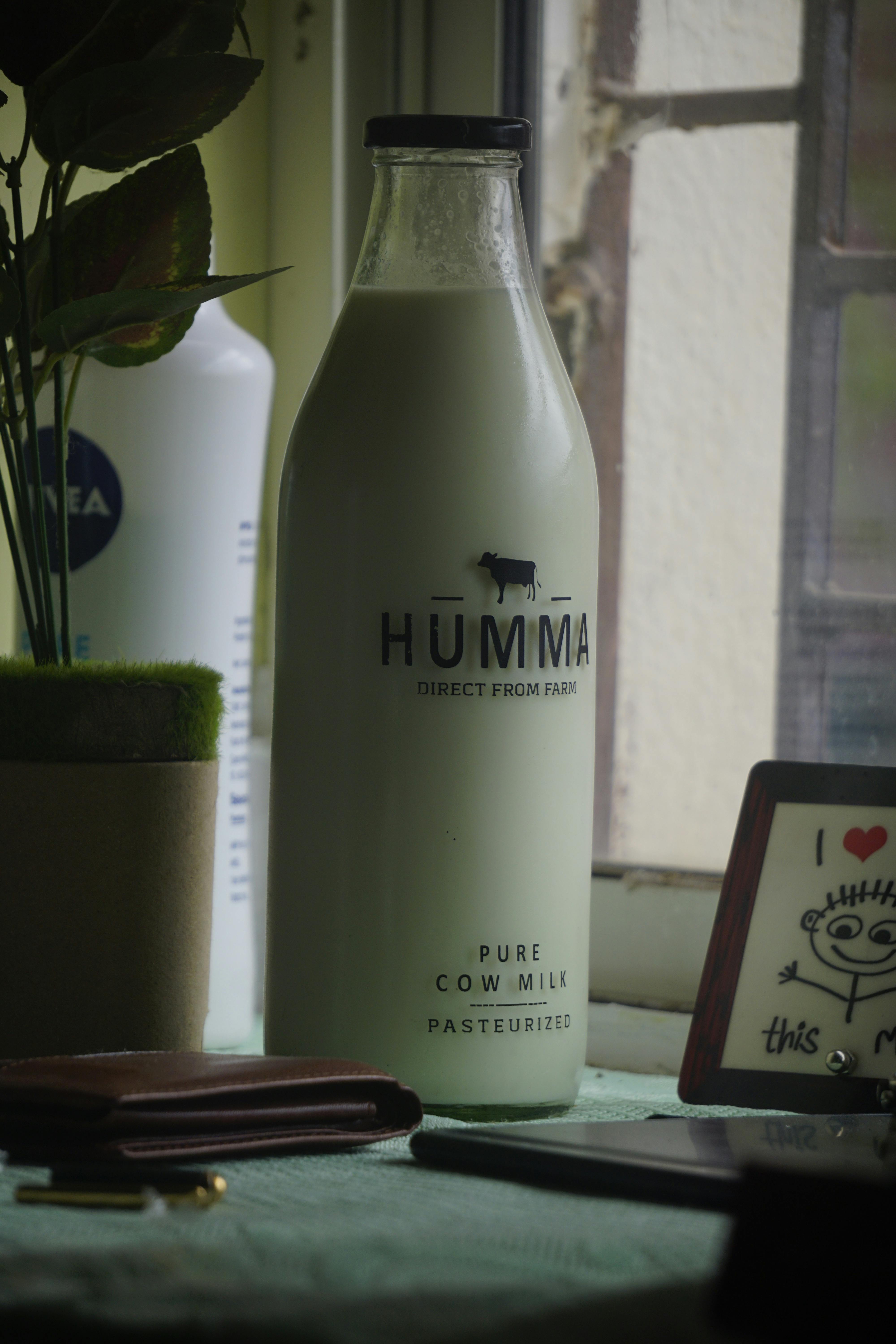
Raw milk is milk that has not been heat-treated to reduce bacteria. Pasteurized milk is heated for a set time and temperature, then cooled quickly to make it safer to drink. That is the whole trick. No magic. No secret health code.
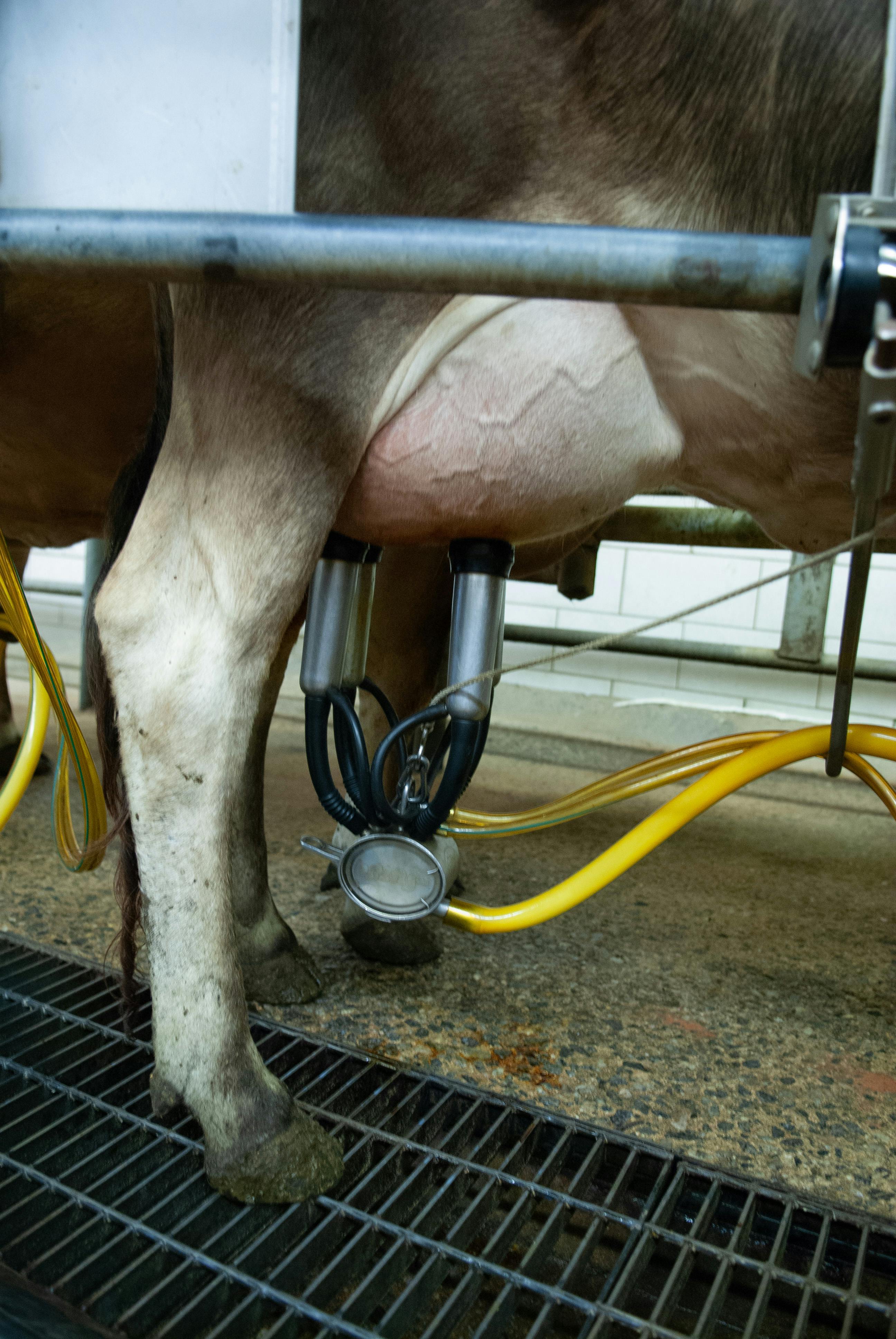
I have seen the same pattern over and over in nutrition debates: people confuse “natural” with “better,” then act shocked when nature hands them a case of foodborne illness. Milk straight from the animal can look wholesome, sure, but the issue is not appearance. The issue is contamination, and contamination does not care about internet opinions.
Pasteurization was developed because dairy was a major source of severe illness, especially in children, older adults, pregnant women, and people with weaker immune systems. Modern milk processing is not some soulless corporate plot. It is a plain, useful public health measure, the sort of stewardship of the body that common sense and biblical wisdom both favor. Your body deserves care, not romance with pathogens.
Let’s be real: raw milk advocates often cherry-pick a few heat-sensitive nutrients and ignore the big picture. Yes, heating can slightly reduce some vitamins, but the losses are small compared with the safety gain. According to the CDC on raw milk, raw dairy has caused numerous outbreaks over the years. The U.S. Food and Drug Administration says the same thing in plainer terms on its raw milk safety guidance.
Core Benefits/Importance
- Safety first. Pasteurization sharply lowers the chance of infection, which matters more than trendy talking points.
- Nutrition stays mostly intact. Protein, calcium, and most minerals remain available after pasteurization.
- Consistency. Pasteurized milk is regulated, tested, and easier to store safely.
- Better for vulnerable people. Children, pregnant women, older adults, and immunocompromised people are at greater risk from raw dairy.
- Less nonsense. Fewer rumors, fewer miracle claims, more actual science.
Here’s the kicker. Many raw milk claims sound plausible because they mix a real point with a fake conclusion. For example, raw milk can contain certain enzymes and bacteria that pasteurization reduces. That does not prove health superiority. It only proves that raw milk is raw. The body is not helped by avoidable microbial roulette.
Most people want food that nourishes without turning dinner into a gamble. That is not an unreasonable ask. If you want to understand how nutrition actually supports performance and recovery, see related reading on healthy eating basics and strength training fundamentals. Good training depends on decent fuel, not health theater.
CDC raw milk safety page and FDA raw milk myths both explain why safety remains the main issue.
Step-by-Step Implementation/Guide
- Choose pasteurized milk as your default if you want safety with no fuss.
- Check labels carefully, especially for dairy products that may be sold as raw in some places.
- Store milk at 40°F / 4°C or colder.
- Use milk before expiration, and do not leave it sitting out like a science experiment.
- If you have GI symptoms after dairy, assess lactose intolerance or a medical issue instead of assuming raw milk is the fix.
- If you are cooking or baking, pasteurized milk works fine. No drama.
When I reviewed the evidence on dairy safety, the same conclusion kept appearing: the health argument for raw milk is flimsy, while the safety downside is concrete. That is not a subtle tradeoff. If you are trying to build a healthier life, then the boring option is often the right one. Moderation and prudence beat contrarian posturing most days.
For broader nutrition habits, read more on meal prep basics and protein needs guide. Consistent food choices matter more than headlines.
Comparison Table
| Topic | Pasteurized Milk | Raw Milk |
|---|
| Safety | Much lower pathogen risk | Higher risk of foodborne illness |
| Nutrients | Protein, calcium, and most vitamins preserved | Similar baseline nutrients |
| Shelf stability | Better regulated and more predictable | Less predictable, higher contamination risk |
| Claims of superiority | Supported for safety | Weak evidence for extra benefits |
| Best for vulnerable groups | Yes | No |
Common Mistakes to Avoid
- Confusing natural with safe. Spoiler: those are not synonyms.
- Believing a few anecdotes over outbreak data.
- Assuming raw milk cures lactose intolerance, allergies, or gut issues. That claim needs more evidence than slogans.
- Treating small nutrient differences as if they outweigh serious infection risk.
- Ignoring who is actually at risk. Children and pregnant women do not get a pass because a podcast sounded confident.
Frankly, the raw milk argument often rests on mistrust more than data. Some people distrust regulators, some distrust modern food systems, and some just want a special edge. Fine. But skepticism should cut both ways. Ask for evidence, not just a good story with a farm photo.
If you want a more grounded take on diet and health, you might also like food safety basics and balanced living. Sensible habits beat dramatic claims.
Frequently Asked Questions
What are the dangers of raw milk?
Raw milk can contain Salmonella, E. coli, Campylobacter, and Listeria, which can cause severe illness, hospitalization, and in rare cases death.
Does pasteurization destroy all nutrients?
No. Pasteurization may slightly reduce some heat-sensitive vitamins, but milk still provides protein, calcium, and other important nutrients.
Is raw milk easier to digest?
There is no strong evidence that raw milk is generally easier to digest. If someone feels better with one dairy product over another, lactose content, fat level, or individual tolerance may be the real reason.
Is raw milk ever safe?
Not reliably. Even milk from clean, well-run farms can be contaminated. Risk is reduced by pasteurization, not by wishful thinking.
Final Thought
Health advice should be boring when boring is correct. Raw milk is not a bold wellness hack; it is a food safety risk dressed up as rebellion. Pasteurized milk is not glamorous, but it is tested, practical, and far less likely to harm the people drinking it. That ought to matter more than contrarian branding.
A sane approach to health respects the body as something entrusted to us, not something to be thrown at the nearest trend. The best food choices are usually the ones that nourish, protect, and keep the household running without unnecessary trouble. That is the point, really. Not the applause.