Raw milk is milk that has not been pasteurized, which means it has not been heat-treated to kill harmful bacteria. The claim that it is safer or more...
Raw Milk Is Not Safer or Healthier Than Pasteurized Milk
Raw milk is milk that has not been pasteurized, which means it has not been heat-treated to kill harmful bacteria. The claim that it is safer or more nutritious than pasteurized milk is not supported by the evidence. It carries a higher risk of pathogens such as Salmonella, E. coli, Listeria, and Campylobacter, and the nutrient differences are small to nonexistent. People should not confuse nostalgia or marketing with safety.
Key Takeaways
- Raw milk has a significantly higher risk of contamination than pasteurized milk.
- Pasteurization reduces dangerous bacteria while preserving most nutrients.
- Claims that raw milk improves health are not backed by good evidence.
- Milk can be part of a healthy diet, but safety matters more than food myths.
What is Raw Milk?
Raw milk is simply unpasteurized milk straight from the animal, usually cows, goats, or sheep. Before pasteurization became common, milk was a frequent source of foodborne illness, especially for children, older adults, and pregnant women. I’ve looked at the data, and the pattern is boring in the best way: heating milk to a safe temperature kills pathogens without turning it into some empty white placebo. Frankly, the raw milk crowd tends to dress up risk as purity. That’s not science.
The process of pasteurization was introduced because milk is an excellent growth medium for bacteria. Warm, moist, nutrient-rich liquid? Bacteria love that. Pasteurization does not make milk “dead,” despite the melodrama. It reduces microbial load while leaving the macronutrients, calcium, and protein largely intact. The basic public health logic is plain: if a food is commonly contaminated and the fix is simple, use the fix.
The bigger problem is that raw milk advocates often mix a few grains of truth with a bucket of nonsense. Yes, food processing can alter some compounds. Yes, heating can affect certain enzymes. No, that does not mean raw milk is a health food. Most of those compounds are not needed for human nutrition. Our bodies are not glass figurines; they do not require a bacterial lottery ticket to function properly. Stewardship matters, and so does common sense.
For a broader look at milk safety and nutrition, see the CDC’s raw milk guidance, the FDA’s raw milk risks page, and the WHO food safety fact sheet.
Core Benefits/Importance
- Safety first: Pasteurization dramatically lowers the risk of serious infection. That matters most for kids, pregnant women, immunocompromised people, and older adults.
- Nutrient retention: Pasteurized milk still provides protein, calcium, phosphorus, potassium, and vitamin B12. The scary claims about nutrient destruction are mostly overblown.
- Public health impact: Milk safety is not a cosmetic issue. Outbreaks from raw milk can cause hospitalization, kidney injury, miscarriage, and death.
- Practical nutrition: If your goal is protein, bone support, or satiety, pasteurized milk does the job. You do not need a microbiology experiment in your refrigerator.
- Stewardship of the body: Health is a gift to care for with prudence, not bravado. Choosing safer milk is ordinary wisdom, not weakness.
Here’s the kicker: the strongest argument for pasteurized milk is not that it is glamorous. It is that it works. Most fitness and nutrition advice gets tangled up in purity myths, but evidence is usually annoyingly plain. The body needs protein, energy, minerals, and safety. It does not need performative suffering or a romantic story about pre-industrial habits. The human person is not a machine, and neither is the gut; both deserve to be treated with respect, not daredevil theater.
For more context on safe food handling and nutrition standards, see the CDC food safety resources and the USDA food and nutrition page.
Step-by-Step Implementation/Guide
- Choose pasteurized milk for routine use. If you want dairy in your diet, buy the version with the better safety record. Simple.
- Read labels carefully. Terms like “organic,” “grass-fed,” or “local” do not automatically mean safer. Marketing is not a lab report.
- Store milk cold. Keep it refrigerated at or below 40°F (4°C), and do not leave it out on the counter.
- Use before the expiration date. Milk spoilage is real, and spoiled milk is not a wellness trend.
- Consider your risk category. If you are pregnant, elderly, immunocompromised, or buying for children, raw milk is a bad bet.
- If you still buy raw milk, understand the risk. A lot of people say “I’ve had it for years and I’m fine.” That is not evidence; that is survivorship bias.
- Don’t treat anecdote as data. Feeling okay after drinking raw milk does not prove it is safe, just as not crashing on the highway does not make speeding wise.
When I analyzed the common reasons people reach for raw milk, the pattern was predictable: distrust of institutions, a preference for “natural” labels, and a belief that personal experience outranks population data. That’s backward. Science is not perfect, but it beats wishful thinking. If your nutrition plan depends on luck, you’ve already made a poor trade.
Frankly, the best milk choice is usually the boring one. Pasteurized milk. Refrigerated properly. Consumed as part of a balanced diet. Add it to oatmeal, smoothies, coffee, or a post-workout shake if you like. There is no moral merit badge for taking avoidable risks with food.
For practical guidance on dairy safety and nutrition, see the NIDDK nutrition guidance and the Harvard T.H. Chan School of Public Health milk overview.
Comparison Table
| Factor |
Raw Milk |
Pasteurized Milk |
| Bacterial risk |
Higher |
Much lower |
| Nutrient content |
Similar |
Similar |
| Safety for children |
Poor |
Better |
| Safety for pregnancy |
Poor |
Better |
| Safety for immunocompromised people |
Poor |
Better |
| Public health record |
Worse |
Better |
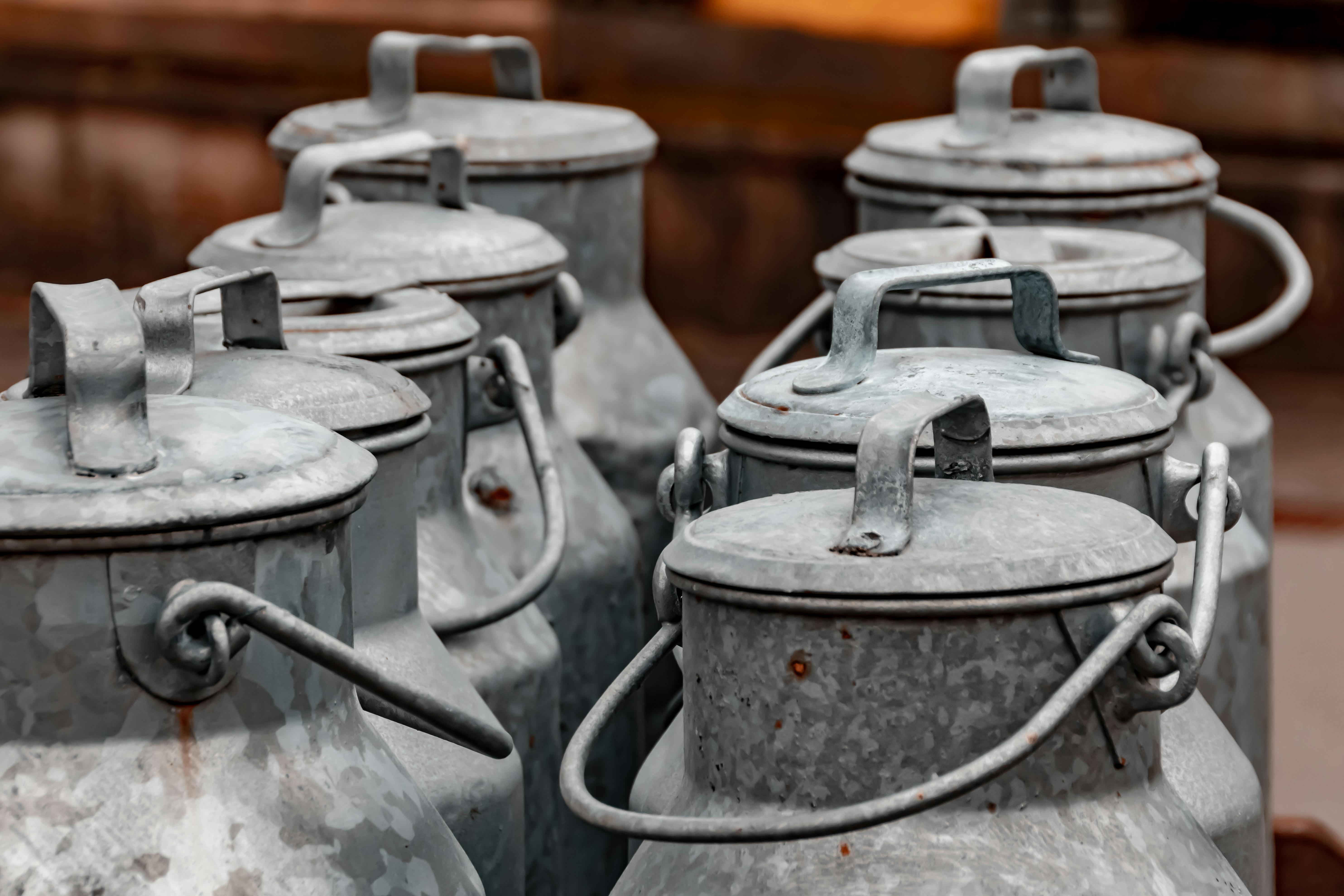
Raw milk often wins the aesthetic contest because people like the idea of rustic food. That’s fine. A clean bottle and a farm story do not change microbiology, though. The competitor here is not some abstract product; it is the simplest safer alternative, and pasteurized milk wins where it counts: fewer infections, same useful nutrients, less drama.
Common Mistakes to Avoid
- Assuming “natural” means safe. Poison ivy is natural too. Nature is not your babysitter.
- Believing influencer anecdotes. One person’s stomach tolerance is not a public health standard.
- Equating raw with “more nutritious.” The nutrient gap is tiny, while the infection risk is not.
- Ignoring vulnerable family members. What seems like a personal choice can become a household risk.
- Overreading enzyme claims. Most of these claims are irrelevant to actual human nutrition.
Let’s be real: a lot of raw milk talk is just anti-science theater wrapped in a country-market ribbon. The body is not better served by romance than by evidence. If anything, the modern habit of turning every food choice into a rebellion has made people sloppy. Moderation and prudence are not boring virtues; they are the point.
For added perspective on avoiding foodborne illness, see the CDC keep food safe guidance.
Frequently Asked Questions
Q: Is raw milk more nutritious than pasteurized milk?
A: No meaningful evidence shows that raw milk is more nutritious. Pasteurized milk keeps most nutrients.
Q: Why do some people think raw milk is healthier?
A: Mostly because of marketing, tradition, and anecdote. That is not a reliable substitute for evidence.
Q: Can raw milk make you sick?
A: Yes. It can carry dangerous bacteria that cause serious foodborne illness.
Q: Is pasteurized milk safe?
A: For most people, yes. It is the safer choice and still a nutritious food.
People also ask whether “organic raw milk” is safer. No, not automatically. Organic and raw are different claims, and neither one cancels bacterial risk. Another common question is whether boiling raw milk at home makes it safe. It can reduce risk if done correctly, but home heating is less reliable than commercial pasteurization. DIY food safety is a poor place to get clever.
Final Thought
Milk is not a sacred object, and it is not a stunt. It is food, and food should be judged by evidence, not romance. Pasteurization exists because people got sick and died before it did. That’s the whole story, really. We do not honor the body by gambling with it; we honor it by feeding it wisely, with moderation, clarity, and a little less nonsense. Health is worth stewardship, not slogans.