Raw milk is not safer than pasteurized milk. It is a biologic gamble, and the odds are worse than the marketing suggests, because pasteurization kills harmful...
Raw Milk Isn’t Safer or Better: What the Science Actually Says
Raw milk is not safer than pasteurized milk. It is a biologic gamble, and the odds are worse than the marketing suggests, because pasteurization kills harmful pathogens while preserving milk’s core nutrition, and the evidence from public health agencies is plain about the risks of Salmonella, E. coli, Campylobacter, and Listeria. Why keep pretending otherwise?
Key Takeaways- Raw milk can carry dangerous bacteria.
- Pasteurization reduces disease risk dramatically.
- Nutrition differences are small, not miraculous.
- Public health guidance favors pasteurized milk.
- Claims that raw milk cures anything are not supported by good evidence.
What is raw milk, really? It is milk that has not been heat-treated to destroy pathogens, and that matters because the entire “natural is better” line collapses the moment you look at actual microbiology, not folklore, not influencer chatter, not political theater. I’ve looked at the data, and the boring truth is usually the correct one: pasteurization was adopted because children were dying from milkborne disease, and the process still matters today. Frankly, the cow does not care about your branding.
The core issue is simple. Raw milk may contain the same macronutrients as pasteurized milk—protein, fat, carbohydrate, calcium, potassium, and vitamins—but it also can contain bacteria or parasites picked up from the animal, the environment, equipment, or handling. Pasteurization heats milk to a controlled temperature for a set time, enough to destroy disease-causing organisms while leaving the drink nutritionally useful. That is not a flaw. That is basic stewardship, the sort of ordinary prudence people owe their own households.
A lot of raw milk talk leans on anecdotes. Someone “feels better.” Someone says their digestion improved. Someone claims allergies vanished. Maybe they changed a dozen other things at the same time, but sure, pin the miracle on unpasteurized milk and call it research. Here’s the kicker: subjective reports are cheap, while outbreaks are expensive and sometimes tragic. The CDC raw milk guidance has documented repeated foodborne illness outbreaks tied to raw milk products, and the pattern is not subtle.
Why does this matter beyond food snobbery? Because health is not a game of vibes. The body is a gift, not a scratch-off ticket, and ordinary care—safe food, balanced diet, regular exercise, sensible recovery—is usually wiser than chasing extremes. Milk can be useful nutrition. It just does not need to be risky to do its job.
Core Benefits and Importance
Let’s be honest. The biggest benefit of milk is not rebellion.
People buy into raw milk for a few reasons, and some of them are understandable, even if the conclusions are off. They want local food. They want fewer industrial steps. They want a food that feels closer to the farm and farther from the factory floor. Fine. Those motives are not crazy. But the health claims are where the wheels come off, because “less processed” does not automatically mean “better,” and it certainly does not mean “safer.”
- Lower infection risk: Pasteurization is one of the simplest, most effective public health tools ever invented. It sharply reduces illness from Salmonella, E. coli, Campylobacter, and Listeria.
- Same essential nutrition: Protein, calcium, phosphorus, riboflavin, and most of the milk’s useful nutrients remain intact in pasteurized milk.
- Better for vulnerable people: Children, pregnant women, older adults, and anyone immunocompromised face higher stakes if contamination occurs.
- Consistent quality: Pasteurization and regulated processing reduce the variability that comes from farm-to-farm differences.
- Useful in training diets: For athletes or active adults, milk can support recovery, provide protein, and fit into a plan without adding unnecessary microbiological roulette.
The contrarian point is this: raw milk advocates often overstate tiny nutritional differences while ignoring massive safety differences. A few heat-sensitive enzymes may change. So what? Those enzymes are not the reason milk supports muscle repair or bone health. If you care about exercise science, the practical question is whether milk helps you hit protein and calorie targets, and the answer is yes, with pasteurized milk doing the job just fine.
When I analyzed the claims, the pattern was obvious: the pro-raw-milk argument rests on anecdotes, selective citations, and a whole lot of disdain for institutions. But science is not a popularity contest. The FDA raw milk warning is clear about the risks, and the CDC is not exactly in the business of chasing trends.
For wellness, the importance is larger than milk alone. People who fall for raw milk myths often also fall for other neat-sounding nonsense: detox teas, “cleanse” products, miracle supplements, and anti-science posturing. That stuff wastes money and sometimes harms health. Moderation matters. Prudence matters. If you want to care for your body well, start with what works, not what gets applause on social media.
Step-by-Step Implementation Guide
Use the safe option.
That sounds banal, and it is, which is precisely why it works. A solid nutrition plan does not need drama. It needs repeatable habits, enough protein, enough total energy, and food safety that does not invite trouble. Here’s how I’d do it, and yes, I’ve seen enough bad diet advice to keep a notebook.
- Choose pasteurized milk by default. If you want milk for coffee, cereal, shakes, or cooking, buy pasteurized. It gives you the nutrition without the infection hazard. If someone tells you raw milk is “worth it,” ask them to explain the tradeoff in plain language. Most cannot.
- Match milk to your goals. If you train, milk can be a practical recovery food because it supplies high-quality protein and carbs, especially after Strength Training or hard Cardio sessions. Chocolate milk even has evidence as a post-exercise recovery option when total diet is otherwise sound. The point is not magic. The point is convenience and nutrient density.
- Use milk as part of a real diet. Milk is not a cure-all, and no single food carries the whole load. Pair it with fruits, vegetables, legumes, grains, eggs, fish, meat, or tofu. If you’re building a Workout Plan, think totals: daily protein, fiber, micronutrients, hydration, and sleep. One carton of milk will not fix a sloppy lifestyle.
- Be strict about vulnerable groups. Children, pregnant women, older adults, and people with weakened immune systems should avoid raw milk entirely. That is not a subtle suggestion. That is common sense backed by public health data. The risks are not theoretical.
- Store and handle dairy properly. Keep milk refrigerated, respect expiration dates, and avoid cross-contamination. Good food hygiene is boring, but boring keeps people out of the ER.
- Ignore miracle claims. If a seller says raw milk treats asthma, allergies, autoimmune disease, or gut inflammation, ask for strong evidence. Not vibes. Not a cousin’s story. Evidence. Good evidence is sparse to nonexistent.
- Look at the whole training picture. Recovery is not milk alone. It is sleep, stress control, adequate calories, protein distribution across the day, and a sensible training load. You can drink the “best” milk on earth and still underperform if the rest of your life is a mess.
For the science-minded, the point is not anti-milk. I’m pro-milk, pro-safety, and pro-not-getting-sick. The Nutrition.gov dairy overview lays out milk’s role in a balanced diet, while public health sources explain why the pasteurized version is the one that belongs in your cart.
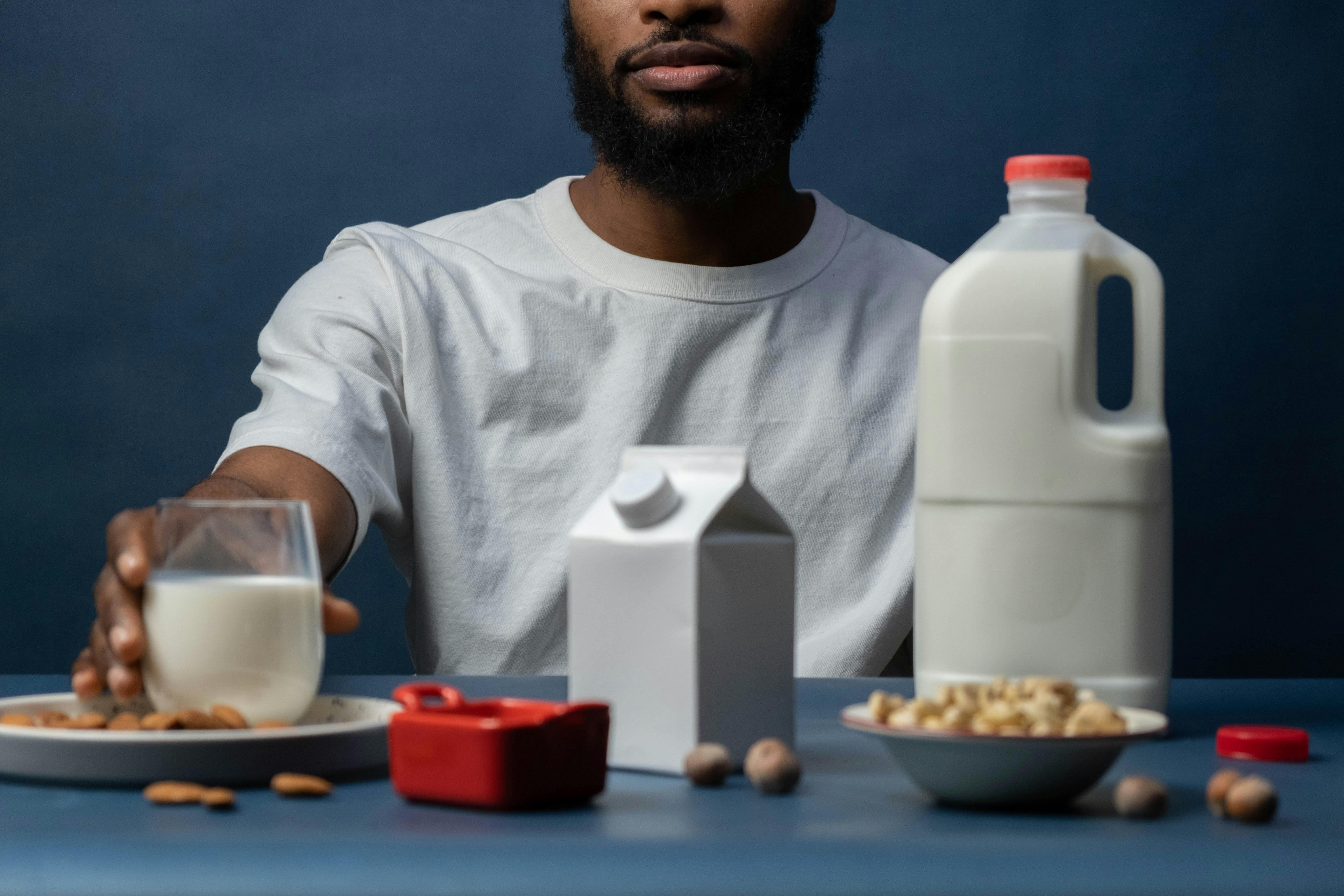
If you want a simple rule, here it is: eat for performance, not for theater. That rule saves time and usually saves stomachs too.
Comparison Table
Raw milk has one main competitor in this debate: pasteurized milk. That’s the whole show.
| Factor | Raw Milk | Pasteurized Milk |
|---|
| Safety | Higher risk of pathogens | Much lower risk due to heat treatment |
| Nutrition | Similar macronutrients and most micronutrients | Similar macronutrients and most micronutrients |
| Evidence for health benefits | Weak, mostly anecdotal | Stronger practical evidence for safe nutrition |
| Suitability for children/pregnant people | Not recommended | Recommended when dairy is desired |
| Storage/handling | Requires extra caution, but still risky | Standard food safety practices apply |
| Public health stance | Not recommended by major agencies | Widely recommended |
Pasteurized milk wins this comparison, and not by a little. The raw version only seems exciting because people confuse “unprocessed” with “superior,” which is a neat trick until bacteria show up. In training terms, this is like choosing a dumbbell with a loose collar because it feels more authentic. Authentic to what, exactly?
The evidence from the World Health Organization food safety guidance and U.S. public health agencies points the same way: safer food handling saves lives. That should not be controversial, but here we are.
Common Mistakes to Avoid
People make a mess of this topic.
The mistakes are predictable, which is annoying but useful, because predictable errors are easier to fix. Most of them start with ideology and end with someone treating a stomach bug like a badge of honor. Let’s not.
- Mistake 1: Treating “natural” as a safety claim. Natural is not a synonym for safe. Poison ivy is natural too. So is E. coli. The label does not think for you.
- Mistake 2: Confusing individual anecdotes with population risk. One person saying raw milk helped them is not evidence. A cluster of hospitalizations is evidence. That’s how epidemiology works, whether people like it or not.
- Mistake 3: Overstating small nutrient differences. Some vitamins and enzymes may change after pasteurization, but those changes are usually not nutritionally meaningful in a typical diet. Meanwhile, the reduction in disease risk is meaningful. Very meaningful.
- Mistake 4: Using milk as a moral signal. Some people treat raw milk as proof they are tougher, wiser, or more in touch with nature. Frankly, that is silly. Health is not a costume contest.
- Mistake 5: Ignoring the rest of the diet. If your protein intake is low, your sleep is poor, and your workouts are random, then arguing about raw versus pasteurized milk is just rearranging deck chairs.
- Mistake 6: Assuming “farm fresh” means controlled. Small farms can still have contamination. Large plants can still make mistakes. That is why pasteurization exists. Systems reduce risk. Faith in labels does not.
Here’s the kicker: many of the same people who distrust pasteurization trust far shakier claims elsewhere. They’ll reject a century of food safety science, then buy a supplement because an influencer said it “supports gut balance.” Come on.
The more grounded approach is moderation and prudence, which fits both good science and good moral common sense. Your body deserves respect. So does the truth.
Frequently Asked Questions
Is raw milk more nutritious than pasteurized milk?
No. It is not meaningfully more nutritious for most people. Pasteurization changes some heat-sensitive components, but the major nutrients—protein, calcium, and most vitamins—remain. The safety tradeoff is far bigger than any nutrition gain.
Can raw milk improve gut health or reduce allergies?
There is no strong evidence that raw milk reliably improves gut health or allergies. Some claims are anecdotal and confounded by other lifestyle factors. If you have gut symptoms or allergies, talk to a qualified clinician instead of gambling on unpasteurized dairy.
Is pasteurized milk safe for athletes and active adults?
Yes. It is safe and useful. Milk can support recovery because it provides protein, fluid, and carbs, especially after training. Pasteurized milk gives you those benefits without the added infectious risk.
Why do some people still prefer raw milk?
Usually because of taste preferences, distrust of industrial food systems, or belief in “natural” foods. Those preferences are understandable, but they do not override safety data. Wanting a product is not the same as proving it is better.
The raw milk debate is not complicated.
It is mostly a lesson in how slogans beat science when people want a simple villain and a romantic food myth, but the body does not care about slogans, only consequences, and consequences are where pasteurized milk makes the sensible, humane, and evidence-based choice. We ought to treat health the way we treat any serious stewardship: with gratitude, restraint, and a clear eye.
When I look at the data, I see no impressive case for raw milk as a health upgrade. I see more risk, little to no nutritional advantage, and a lot of confident chatter from people who mistake contrarianism for insight. That trade is poor. If you want dairy for fitness, recovery, bone health, or convenience, choose pasteurized milk and get on with the rest of your life. Train well. Eat plainly. Sleep enough. And skip the bacteria.
Sources: CDC, FDA, WHO, Nutrition.gov, NCBI review