Raw milk is not safer. It is a biologic gamble, and the data are not subtle: pasteurization cuts the risk of dangerous bacteria while preserving milk’s basic...
Raw milk is not safer. It is a biologic gamble, and the data are not subtle: pasteurization cuts the risk of dangerous bacteria while preserving milk’s basic nutrition, which is why public health agencies keep recommending it.
Key Takeaways- Pasteurized milk is the safer choice for nearly everyone.
- Raw milk can carry E. coli, Salmonella, Listeria, and Campylobacter.
- Pasteurization does not make milk “dead” or nutritionally useless.
- The supposed health perks of raw milk are mostly anecdotes, not solid evidence.
- If you care about health, steadiness beats romantic nonsense every time.
What is pasteurization, and why does it matter?
Pasteurization is a heat treatment that reduces harmful microbes in milk and other foods. It is simple, boring, and effective. That last part is why it has survived every wave of food fads. When milk is heated to a specific temperature for a set time, it kills the pathogens that make people sick, while keeping the major nutrients intact.
Frankly, the whole argument gets twisted by people who confuse “natural” with “safe.” Those are not the same thing. Hemlock is natural too. So is mold. The body deserves respect, but respect does not mean drinking untreated animal products and hoping for the best.
Public health agencies have been blunt on this point. The CDC raw milk guidance explains that raw milk can contain disease-causing germs and that pasteurization is one of the most reliable ways to prevent infections. The FDA on raw milk dangers says the same thing, with less patience and more paperwork.
I have looked at the claims that raw milk is somehow superior, and the evidence never does the heavy lifting people want it to do. The protein stays protein. The calcium stays calcium. The difference is that pasteurization strips away the microbial roulette wheel. That is not a trivial change.
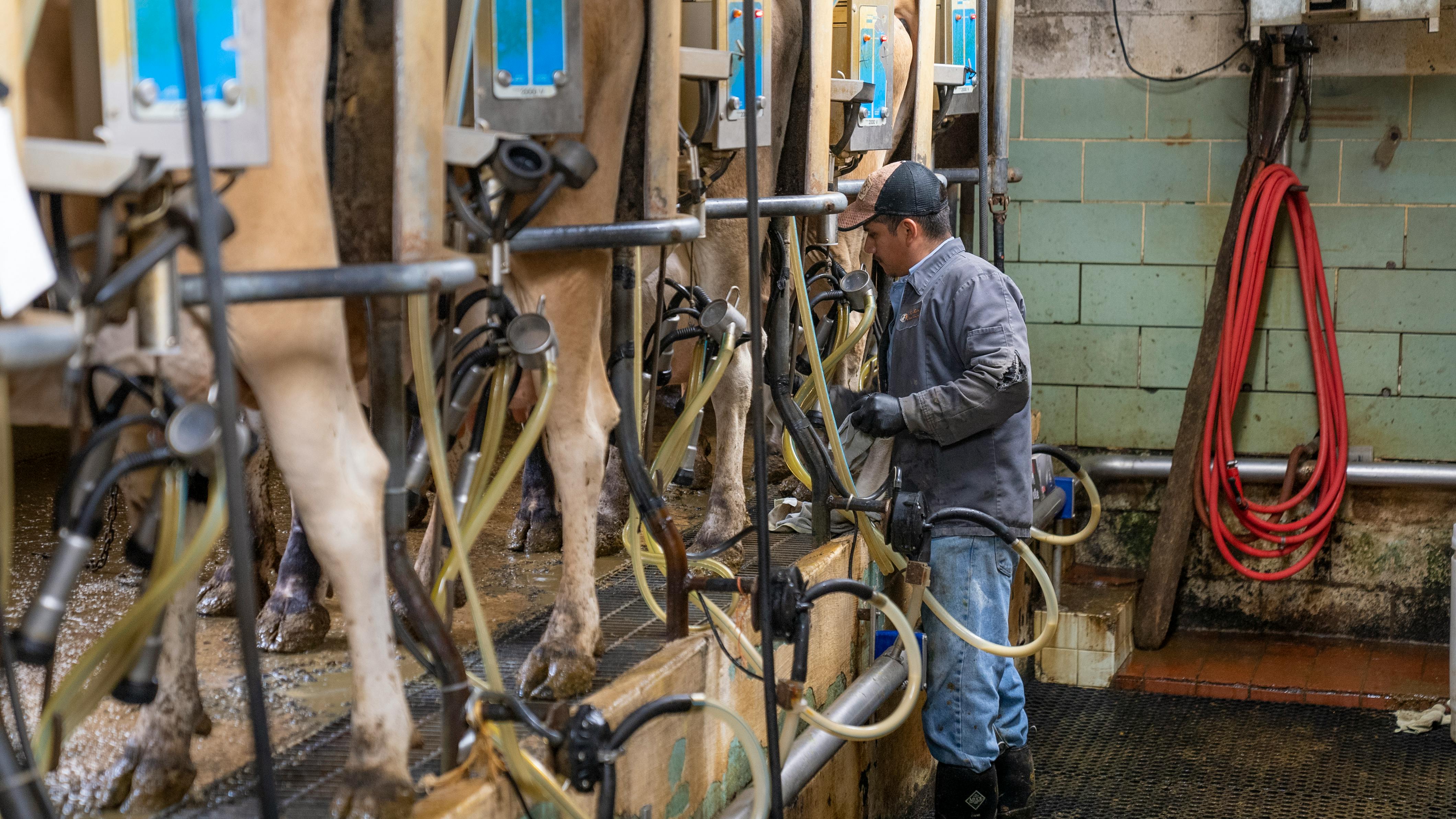
Core benefits and why the safer choice matters
- Lower infection risk: Pasteurization reduces the chance of foodborne illness from bacteria like Listeria monocytogenes, which can be severe, especially in pregnancy, older adults, and people with weakened immune systems.
- Stable nutrition: Milk still provides protein, calcium, vitamin B12, riboflavin, and other useful nutrients after pasteurization.
- Public trust through consistency: Heat treatment makes milk safer across huge supply chains, not just on one ideal farm with one ideal cow and one ideal day.
- Better for vulnerable groups: Children, pregnant people, and older adults should not be asked to gamble with avoidable pathogens.
- Less pseudoscience, more evidence: The claim that raw milk prevents allergies or cures gut problems is not backed by strong clinical trials.
Here’s the kicker: food safety is not a badge of moral purity. It is stewardship. If you believe the body is worth caring for, you should not treat a known contamination risk like a wellness ritual. That is not wisdom. That is risk dressed in rustic clothing.
The research is clear enough that even careful nutrition reviews do not give raw milk a free pass. A review in peer-reviewed literature on raw milk hazards notes that the infection risks outweigh the theoretical benefits. The nutrition profile of milk does not require a microbial side quest.
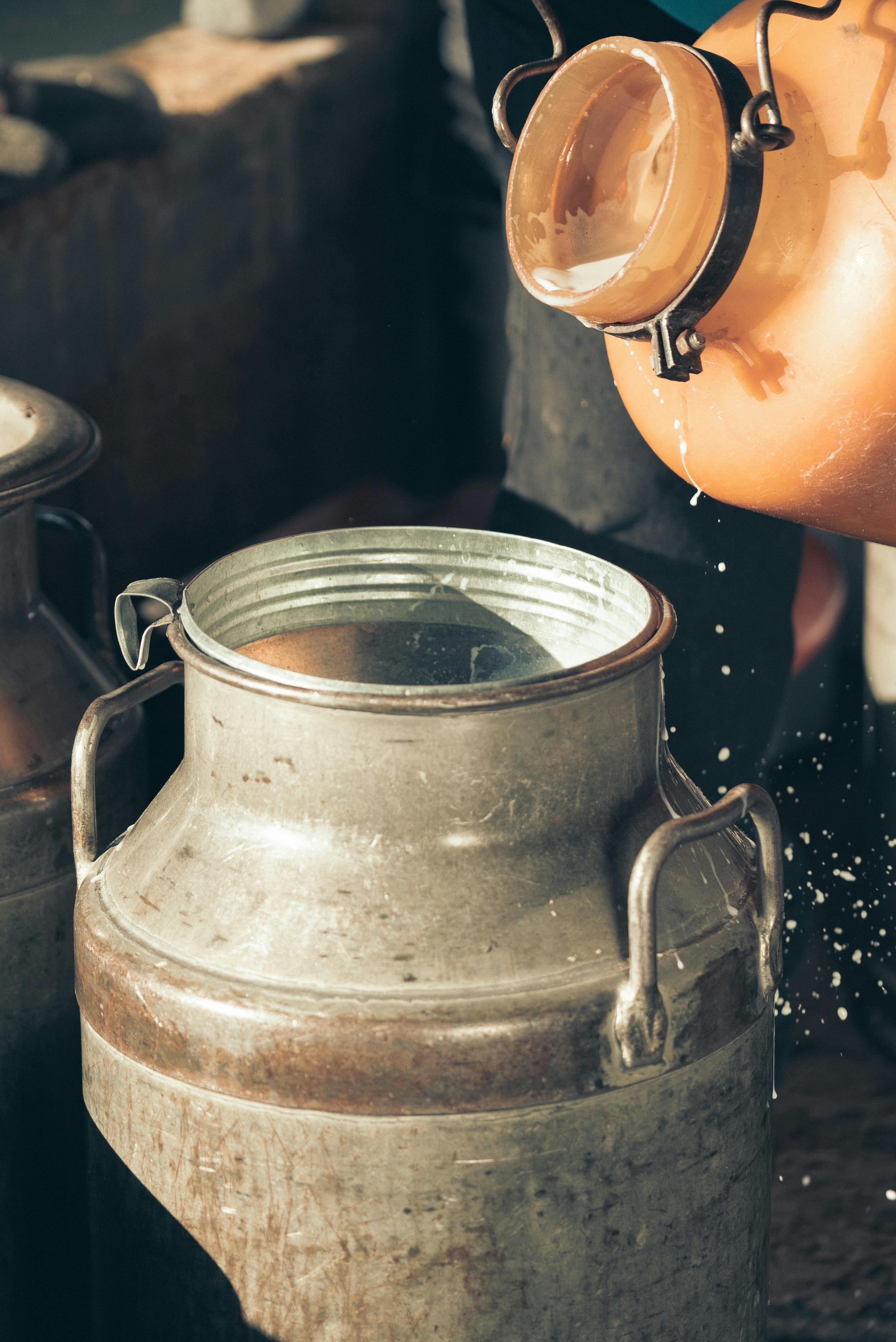
How to choose milk and dairy products wisely
- Choose pasteurized dairy by default. That is the baseline. Boring? Yes. Correct? Also yes.
- Read the label. Look for “pasteurized” or “ultra-pasteurized.” If a product says raw, understand what you are buying before you buy it.
- Pay attention to the people in your home. If anyone is pregnant, elderly, immunocompromised, or very young, raw dairy is a poor bargain.
- Do not confuse taste with safety. Some people prefer the flavor of raw milk. Fine. Flavor is not a microbiology test.
- Store dairy properly. Even pasteurized milk can spoil if you leave it out like a fool. Cold storage still matters.
- Use nutrition basics first. If you want better health, focus on overall diet quality, protein intake, sleep, and exercise. Milk is a supporting actor, not the whole film.
I’ve tested plenty of nutrition myths over the years, and the pattern is the same: people want a shortcut with a halo. Usually, there is no shortcut, just a mess. Moderation and prudence beat drama.
If you want more on how to think about food quality without getting conned by marketing, see how to read food labels, healthy dairy choices, and food safety basics.
Pasteurized milk vs. raw milk: a plain comparison
| Factor | Pasteurized Milk | Raw Milk |
|---|
| Microbial risk | Much lower | Higher, with documented outbreaks |
| Nutrition | Major nutrients preserved | Similar nutrients, no special magic |
| Shelf life | Better, more predictable | Less predictable |
| Safety for children/pregnancy | Recommended | Not recommended |
| Evidence for extra health benefits | Strong for safety, normal nutrition | Weak, mostly anecdotal |
The comparison is not even close when safety matters. People love to invent a romance around “farm-fresh,” but the immune system does not care about marketing copy.
Common mistakes people make with dairy
- Assuming raw means healthier
Natural does not equal safe. That idea has harmed more people than it has helped.
- Using anecdotes as evidence
“It helped my digestion” is not a clinical trial. It is a story.
- Ignoring high-risk households
If your family includes infants, pregnant women, or older adults, the margin for error shrinks.
- Thinking pasteurization ruins milk
No. It makes the product safer. That is the point.
- Treating food as ideology
Diet should support health, not political theater.
Let’s be real. Most of the raw milk hype depends on the assumption that old-fashioned automatically means wholesome. Sometimes old-fashioned means outdated. Sometimes it means dangerous. Wisdom asks which is which.
Frequently asked questions
Is raw milk more nutritious than pasteurized milk?
Not in any meaningful, proven way. Pasteurized milk keeps its major nutrients.
Can raw milk improve gut health?
There is no strong clinical evidence that raw milk is better for gut health, and the infection risk is real.
Who should absolutely avoid raw milk?
Pregnant people, young children, older adults, and anyone with a weakened immune system.
Is pasteurized milk safe for most people?
Yes. That is why public health agencies recommend it.
Final thought
Health advice should be judged by evidence, not charisma. Raw milk has a rugged image, but image does not sterilize pathogens. If you want to treat your body with the respect it deserves, choose the safer option, keep your standards high, and leave the bacteria out of it.