Raw milk is not safer, healthier, or more natural in any meaningful medical sense. It is simply milk that has not been heated to kill pathogens, which means it...
Raw Milk vs. Pasteurized Milk: The Science, the Risk, and the Real Health Answer
Raw milk is not safer, healthier, or more natural in any meaningful medical sense. It is simply milk that has not been heated to kill pathogens, which means it can carry bacteria such as Salmonella, Campylobacter, Listeria, and pathogenic E. coli. Pasteurization is a basic public health intervention that protects people without stripping milk of its important nutrients.
Key Takeaways- Raw milk can contain dangerous microbes.
- Pasteurization cuts disease risk dramatically.
- Nutritional differences are small to none in real life.
- Children, pregnant women, older adults, and immunocompromised people are at highest risk.
- Good nutrition is stewardship, not stunt work.
What is raw milk, really?
Raw milk is milk sold without heat treatment. That means whatever microbes enter during milking, handling, transport, or storage can survive into the glass. That is the plain fact, and the marketing spin does not change it. People love to wrap it in words like “natural,” “traditional,” or “farm fresh,” but bacteria do not care about branding.
Pasteurization, by contrast, uses controlled heat to kill disease-causing organisms. It does not turn milk into a chemical swamp. It does not erase the protein, calcium, riboflavin, potassium, or vitamin D you actually care about. It just makes a risky food less risky. The CDC explains the hazard clearly in its raw milk guidance at CDC raw milk safety, and the FDA lays out the same problem at FDA on raw milk misconceptions.
I have looked at the evidence for the “raw is better” claim, and it always circles back to anecdotes. Frankly, anecdotes are cheap. A person felt better, a neighbor swears by it, a farmer says it is fine. That is not how medicine works. If a food can spread infection, the burden is on the promoter to prove the benefit is real and large enough to justify the risk. They have not done that. Not even close.
There is also a moral angle here, though I will keep it subtle because nobody wants a sermon with breakfast. Our bodies are not disposable machines. They deserve prudent care. A sane person does not treat the gut like a test lab just to chase some rustic fantasy. Stewardship means choosing what is both nourishing and safe, not what sounds romantic on a label.
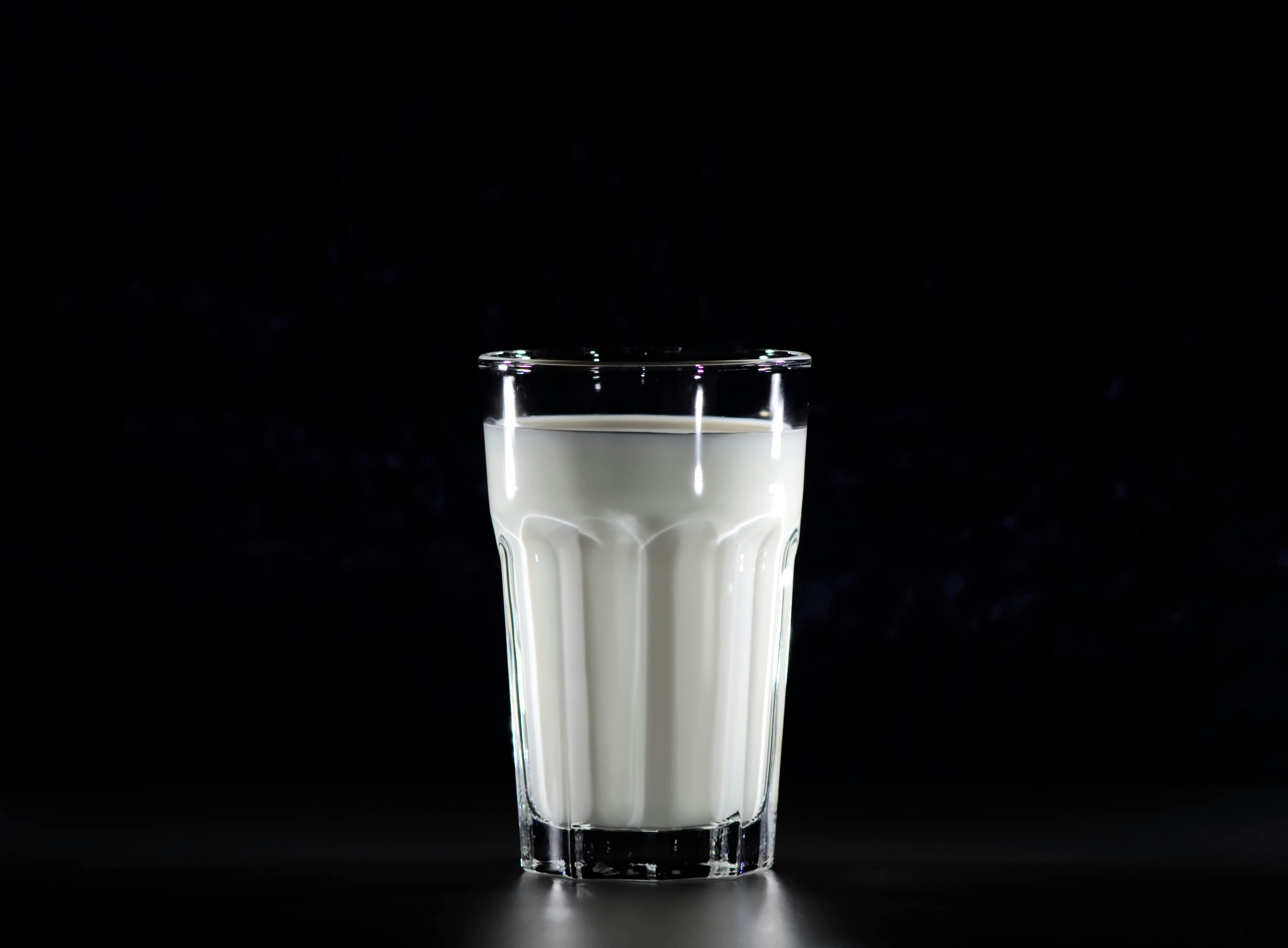
Core benefits and importance
Pasteurized milk matters because it reduces preventable illness. That is the whole ballgame. When the public drinks safer milk, fewer people end up with fever, diarrhea, dehydration, bloodstream infection, kidney injury, or worse. In the real world, these are not abstract concerns. They are emergency visits, missed work, ruined vacations, and in some cases long-term harm.
- Safety first. Pasteurization sharply reduces pathogens that can cause serious disease.
- Nutrition stays intact enough to matter. Protein quality, calcium, and most vitamins are preserved well enough that the nutritional profile remains strong.
- It protects vulnerable people. Infants, pregnant women, older adults, and immunocompromised people face the highest downside from raw dairy.
- It supports public health. Fewer outbreaks mean fewer antibiotics, fewer complications, and less strain on medical care.
- It is boring, and that is good. The best food safety measures are the ones that quietly work.
Here is the kicker: some raw milk advocates speak as if pasteurization were some industrial crime against nature. That is nonsense. Heat treatment is one of the cleanest examples of applying basic science to keep people alive. If you want to be skeptical, be skeptical of miracle claims, not of a process with a strong safety record.
There is also no convincing evidence that raw milk meaningfully improves immunity. People throw around claims about “beneficial enzymes” and “healthy bacteria,” but milk is not a probiotic supplement. If you want fermented foods, use yogurt, kefir, sauerkraut, or other properly made foods with a better safety profile. If you want a simple, respectable food, choose pasteurized milk and move on with your life.
Step-by-step implementation guide
If you are trying to decide what milk belongs in your home, use a method instead of a vibe. Most bad nutrition decisions begin with vibes. I have watched people build elaborate dietary rules on one blog post and a memory of something their uncle said. It rarely ends well.
- Define the goal. Are you buying milk for protein, calcium, taste, cooking, or convenience? If the goal is general nutrition, pasteurized milk covers the bases.
- Separate safety from mythology. Ask whether the claimed benefit is supported by controlled studies, not just stories.
- Check who will drink it. If children, pregnant people, older adults, or anyone immunocompromised are in the house, raw milk is the wrong bet.
- Do not confuse local with safe. A nearby farm is not a lab-certified guarantee. Clean barns are nice. They are not sterilization.
- Weigh benefit against risk. A possible minor taste preference does not outweigh a well-documented infectious risk.
- Use boring good sense. Pasteurized milk, proper refrigeration, and sane expiration dates are enough for almost everyone.
When I analyzed the claims around raw milk, the pattern was predictable. The claims were broad, the evidence was thin, and the risk was concrete. That is usually the sign of a bad trade. You do not need to be dramatic about it. Just honest.
If you want to improve diet quality overall, milk is only one small piece. The bigger levers are meal quality, protein adequacy, fiber intake, regular resistance training, sleep, and consistent habits. For a broader look at practical nutrition and exercise fundamentals, see CDC physical activity basics, NHLBI healthy eating plan, and Harvard Nutrition Source. Milk is not the center of the universe. It is just milk.
Comparison table
| Factor | Raw Milk | Pasteurized Milk |
|---|
| Pathogen risk | Higher | Much lower |
| Nutrient retention | Similar to pasteurized in practice | Similar to raw in practice |
| Shelf life | Shorter | Longer |
| Safety for children/pregnancy | Poor choice | Safer choice |
| Evidence for extra health benefits | Weak | Strong for safety |
| Public health track record | Frequent outbreaks | Far fewer outbreaks |
The comparison is not subtle. The raw milk side rests on romance, while the pasteurized side rests on a plain, durable safety advantage. If a food comes with a known infection hazard and the supposed upside is vague, that is not a hard call. It is a common-sense call.
Common mistakes to avoid
Most raw milk confusion comes from sloppy thinking. People mistake marketing for evidence, taste for safety, and local sourcing for immunity from microbes. That is not analysis. That is wishful thinking with a farmer’s market bag.
- Assuming “organic” means safe. Organic milk can still be raw, and raw still means risky.
- Thinking a clean farm equals zero risk. Even careful handling cannot remove all contamination risk.
- Believing digestive symptoms prove superiority. If you feel bad after raw milk, that may be a warning sign, not a detox story.
- Ignoring household risk. If anyone vulnerable drinks it, the decision affects more than one person.
- Using rebellion as a diet plan. Health choices should not be made as a middle finger to regulators.
Let’s be real: people often want raw milk because it sounds authentic. Authenticity is not a nutritional category. Neither is nostalgia. A person can honestly prefer the taste and still admit that the safer option is pasteurized milk. There is no shame in choosing the option that does not try to make you sick.
Frequently asked questions
Does pasteurization destroy milk’s nutrition?
Not in any important real-world sense. The main nutrients remain present after pasteurization.
Is raw milk easier to digest?
There is no strong evidence that raw milk is broadly easier to digest. For lactose intolerance or milk protein sensitivity, raw milk is not a fix.
Can raw milk help with allergies or asthma?
Claims exist, but the evidence is weak and inconsistent. The safety tradeoff still favors pasteurized milk.
Is raw milk ever safe?
It can be handled carefully and may not always cause illness, but it remains inherently riskier than pasteurized milk.
Most nutrition debates get derailed by noise. This one does too. But the answer is simpler than the internet wants it to be.
Final thought: good nutrition is not theater. It is not a costume you wear to look informed, and it is not a dare to see whether you can outsmart public health with a mason jar and a story. Choose food with the humility that truth deserves. Choose the version that feeds you without flirting with preventable infection.