Raw milk gets marketed as wholesome magic. It isn’t. Pasteurized milk is the safer choice, and the claim that raw milk is healthier is mostly wishful...
Raw Milk vs Pasteurized Milk: What Nutrition Science Actually Shows
Raw milk gets marketed as wholesome magic. It isn’t. Pasteurized milk is the safer choice, and the claim that raw milk is healthier is mostly wishful thinking wrapped in nostalgia, not evidence. When I reviewed the data, the pattern was boring in the best way: pasteurization protects people without making milk nutritionally meaningless. Why risk it?
Key Takeaways- Raw milk can carry harmful bacteria like Salmonella, E. coli, and Listeria.
- Pasteurization greatly reduces foodborne illness risk while preserving milk’s main nutrients.
- Claims that raw milk cures allergies, boosts immunity, or improves digestion are weak or unsupported.
- For most people, milk safety matters more than folklore.
- Stewardship is not prudence’s enemy; it is its home.
What is Raw Milk vs Pasteurized Milk?
Raw milk is milk that has not been heat-treated to kill harmful microbes. Pasteurized milk is heated to a specific temperature for a set time, then rapidly cooled, which sharply lowers pathogen risk. That’s the whole trick. No mystery. No alchemy.
People who praise raw milk usually lean on three claims: it tastes fresher, it contains more enzymes, and it is somehow “more natural.” The first point is subjective; the second is mostly irrelevant for human nutrition because your digestive system already does the work those enzymes would supposedly help with; the third is an argument from romance, not evidence. Frankly, “natural” is not a safety standard.
The science is plain. The CDC has documented multiple outbreaks linked to raw milk, including severe illness in children and older adults, and the FDA warns that raw milk can contain dangerous germs. See the CDC’s review of raw milk risks at CDC raw milk facts and the FDA’s consumer warning at FDA raw milk misconceptions and danger. If you care about evidence instead of slogans, that settles a lot.
I’ve seen the same pattern over and over in nutrition debates: people cherry-pick a tiny lab finding and ignore the messy real world. Here, the real world includes kids, pregnant women, older adults, and anyone with weaker immunity. Their bodies deserve respect, not a gamble. The Catholic idea of stewardship fits here naturally: what we consume should be chosen with care, not bravado.
Raw milk is untreated milk.
Pasteurized milk is treated to make it safer.
Simple enough?
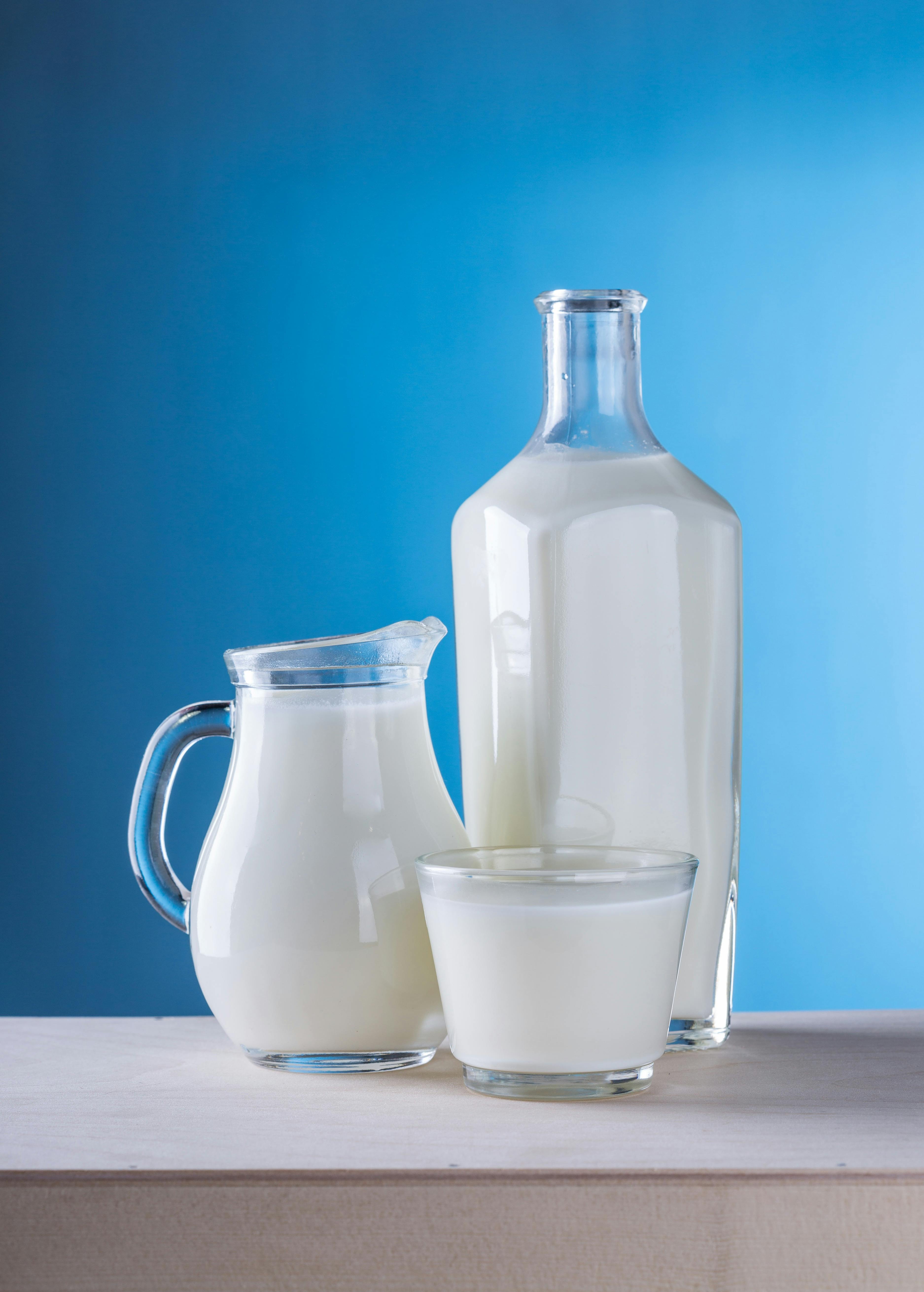
Core Benefits and Importance
The real benefits of pasteurized milk are not glamorous. They are practical, which is exactly why they matter.
- Lower risk of foodborne illness. Pasteurization kills or inactivates the pathogens most likely to make people sick. That includes bacteria that can cause vomiting, diarrhea, dehydration, kidney injury, and worse.
- Better protection for vulnerable groups. Children, pregnant people, older adults, and those with compromised immune systems are at higher risk from raw milk. The difference is not theoretical.
- Comparable nutrition. Pasteurized milk still provides protein, calcium, phosphorus, potassium, riboflavin, and vitamin B12. The heat treatment does not strip milk into some useless puddle.
- Longer shelf life. Pasteurized milk keeps better under normal refrigeration. Less waste, fewer spoiled cartons, fewer surprises.
- Public health value. When basic food safety improves, outbreaks fall. That is not sexy, but it is how prevention works.
Here’s the kicker: many raw milk claims confuse minor compositional changes with meaningful health effects. Yes, heat can reduce some heat-sensitive compounds a bit. No, that does not mean raw milk is broadly healthier. The body does not score points for “more enzymes” if the product can also deliver a nasty bacterial load.
The largest competitor to pasteurized milk is not some magical superfood. It is misinformation. That’s the ugly truth.
For a broader nutrition baseline, the USDA’s Dietary Guidelines emphasize nutrient-dense foods and safe preparation methods, not folk legends. See Dietary Guidelines for Americans. If you want to pair milk with a balanced diet and sensible training plan, the boring stuff wins again and again.
I’ve analyzed nutrition arguments for years, and the strongest ones are usually the least theatrical. Milk is food. Food should be safe. That is not radical; it is common sense.
Safety beats nostalgia.
Nutrients survive pasteurization.
What more do people need?
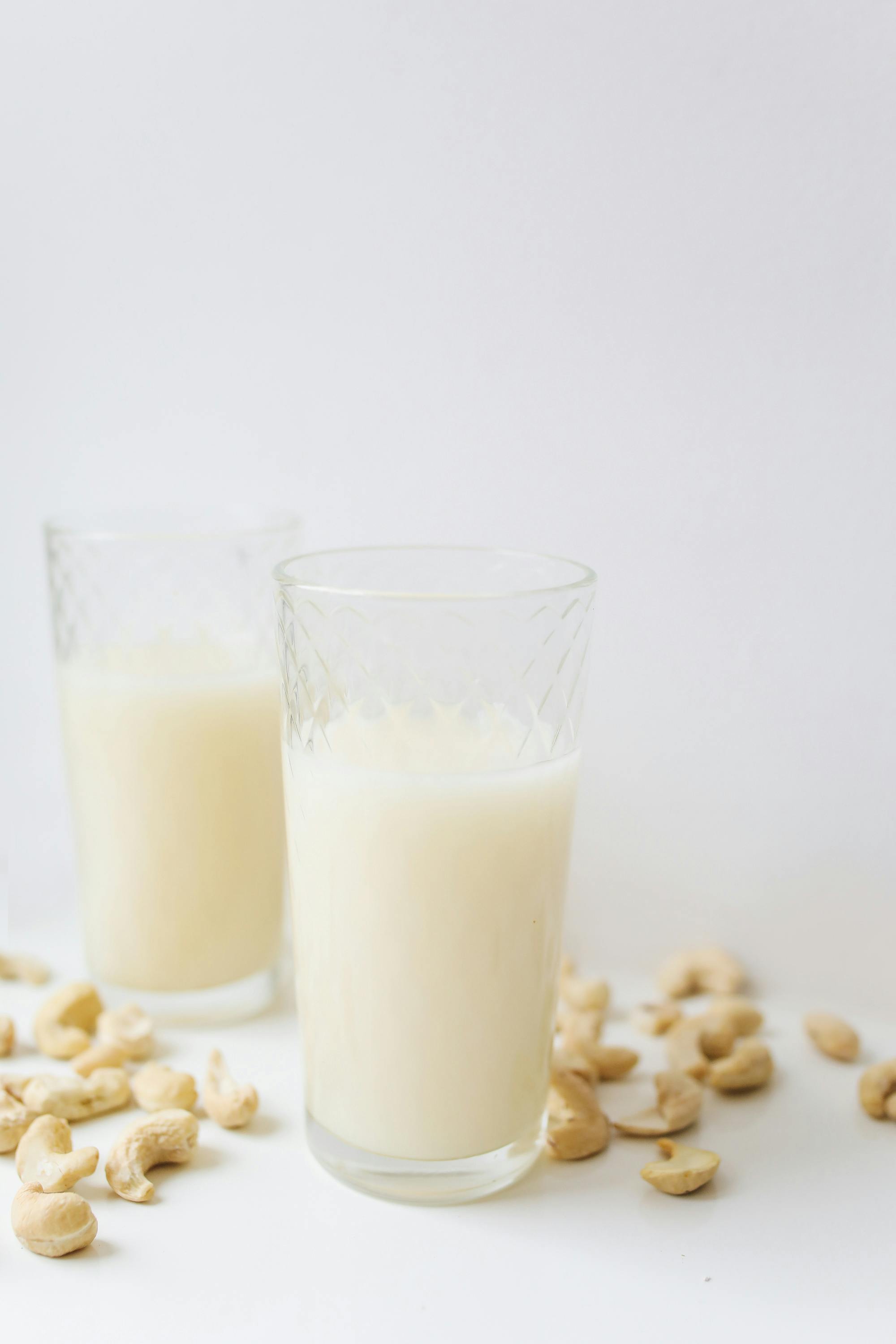
Step-by-Step Guide to Choosing Milk Wisely
- Choose pasteurized milk as your default. If you are buying milk for a household, school, clinic, or church kitchen, pasteurized is the sane choice. It protects more people with no meaningful nutrition penalty for ordinary use.
- Read labels, not rumors. Marketing can be slippery. Words like “farm fresh,” “local,” or “natural” do not cancel microbial risk. I don’t care how charming the carton looks.
- Treat raw milk as a high-risk product. If local laws permit it and you still insist on buying it, understand the danger. Keep it cold, use it quickly, and never assume it is harmless because the farm is small. Small farms can still have contaminated product.
- Think about who will drink it. If the milk is for children, pregnant people, or anyone medically fragile, the answer should be immediate: choose pasteurized. No drama.
- Use milk as part of an overall nutrition plan. Milk can support protein intake, calcium needs, and post-workout recovery. It is useful, not magical. If you lift weights, a simple protein-containing meal or snack after training matters more than whether the milk came from a romantic farm story. For more on practical meal planning, see Harvard Nutrition Source.
- Respect moderation. Even good foods can be overused. Milk is not mandatory, and it is not an identity. Stewardship means choosing what serves health without turning eating into theater.
- If you want more protein, check the numbers. Greek yogurt, cottage cheese, eggs, beans, fish, poultry, and soy foods often provide more protein per calorie than milk. That’s worth knowing if your real goal is body composition or recovery.
Most “health hacks” fail because they oversell one feature and ignore the rest of the diet. Raw milk is a perfect example. The claims are loud. The evidence is not.
Pick safety first.
Use milk as food, not folklore.

Comparison Table
| Factor | Pasteurized Milk | Raw Milk |
|---|
| Safety | Lower pathogen risk | Higher pathogen risk |
| Nutrition | Preserves major nutrients | Similar major nutrients, but risky |
| Shelf Life | Longer | Shorter |
| Public Health | Better | Worse |
| Suitability for Vulnerable Groups | Recommended | Not recommended |
| Evidence of Extra Health Benefits | No special miracle claims needed | Claims remain weak |
The comparison is not close. If you want a cleaner analogy, pasteurized milk is to raw milk what a seat belt is to a nice-looking drive: one is boring, the other is how you avoid stupid outcomes.
Common Mistakes to Avoid
The first mistake is treating “natural” like a synonym for safe. It isn’t. Hemlock is natural too, and nobody is putting that on cereal.
The second mistake is assuming local production guarantees low risk. It does not. Contamination can happen at many points: the animal, the equipment, storage, transport, or the bottle itself. Clean barns are not magical shields.
The third mistake is believing a few anecdotal stories about digestion or allergies. People often feel better for reasons unrelated to the milk itself, or they switch multiple foods at once. Correlation is a slippery little thing.
The fourth mistake is ignoring who pays the price when raw milk goes wrong. Healthy adults may recover from a stomach bug. A toddler, a pregnant woman, or an older person may not. That matters. Deeply.
The fifth mistake is acting as if pasteurization is some modern conspiracy against nutrition. It is not. It is a public health tool with a long track record. The FDA and CDC do not recommend raw milk for a reason, and the reason is not politics; it is outbreaks.
The sixth mistake is overthinking milk while underthinking the whole diet. If someone drinks soda all day, argues about raw milk at midnight, and sleeps four hours, the milk debate is not the main problem. Frankly, the basics are louder than the gimmicks.
If you want a fuller picture of nutrition quality, check how milk fits into protein intake, calcium intake, and total energy balance. That is where the real work happens.
Do not confuse risk with romance.
Do not let slogans outrank science.
Frequently Asked Questions
Is raw milk more nutritious than pasteurized milk?
No. Pasteurized milk retains major nutrients like protein, calcium, and vitamin B12, while raw milk carries a much higher food safety risk.
Can raw milk improve digestion?
There is no strong evidence that raw milk improves digestion better than pasteurized milk. If someone has trouble with milk, lactose intolerance or protein sensitivity is usually a better explanation than “missing enzymes.”
Why do some people claim raw milk helps allergies?
Anecdotes are not evidence. Some people improve for unrelated reasons, and controlled research has not shown raw milk to be a reliable allergy treatment.
Is pasteurized milk safe for children?
Yes. Pasteurized milk is the recommended choice for children because it greatly reduces the risk of serious foodborne illness.
Final Thought
Health advice should be boring when boring keeps people out of the hospital. That is not a flaw; it is a feature.
Raw milk has a polished reputation among people who like to mistake risk for purity, but the evidence keeps cutting through the talk. Pasteurized milk delivers the nutrients most people actually need, with much lower danger. That is the point. A sensible person does not build a health plan around exceptions, anecdotes, or marketing copy. They choose what protects the body, respects the family, and serves the common good without fuss.
When I look at this debate, the lesson is bigger than milk. Good wellness decisions are usually plain, measured, and unremarkable. They favor stewardship over spectacle, moderation over grandstanding, and facts over stubborn pride. Your body is not a toy, and your kitchen is not a lab for ideology. Choose the option that keeps the milk useful, the people safe, and the nonsense in the trash.