Raw milk is not a health upgrade. It is a higher-risk food with no proven nutrition advantage over pasteurized milk, and the evidence is blunt: pasteurization...
Raw Milk vs Pasteurized Milk: The Science, the Risks, and What Actually Protects Your Health
Raw milk is not a health upgrade. It is a higher-risk food with no proven nutrition advantage over pasteurized milk, and the evidence is blunt: pasteurization kills dangerous pathogens without turning milk into junk. If you care about exercise recovery, bone health, and food safety, the sensible choice is pasteurized milk.
Key Takeaways- Raw milk can carry harmful bacteria like E. coli, Salmonella, Listeria, and Campylobacter.
- Pasteurization is a safety process, not a nutrition conspiracy.
- Milk is a recovery food, but only when it is safe to drink.
- The body deserves stewardship; health is not something to gamble with for trendy talking points.
- Most raw milk claims are weak or flat wrong.
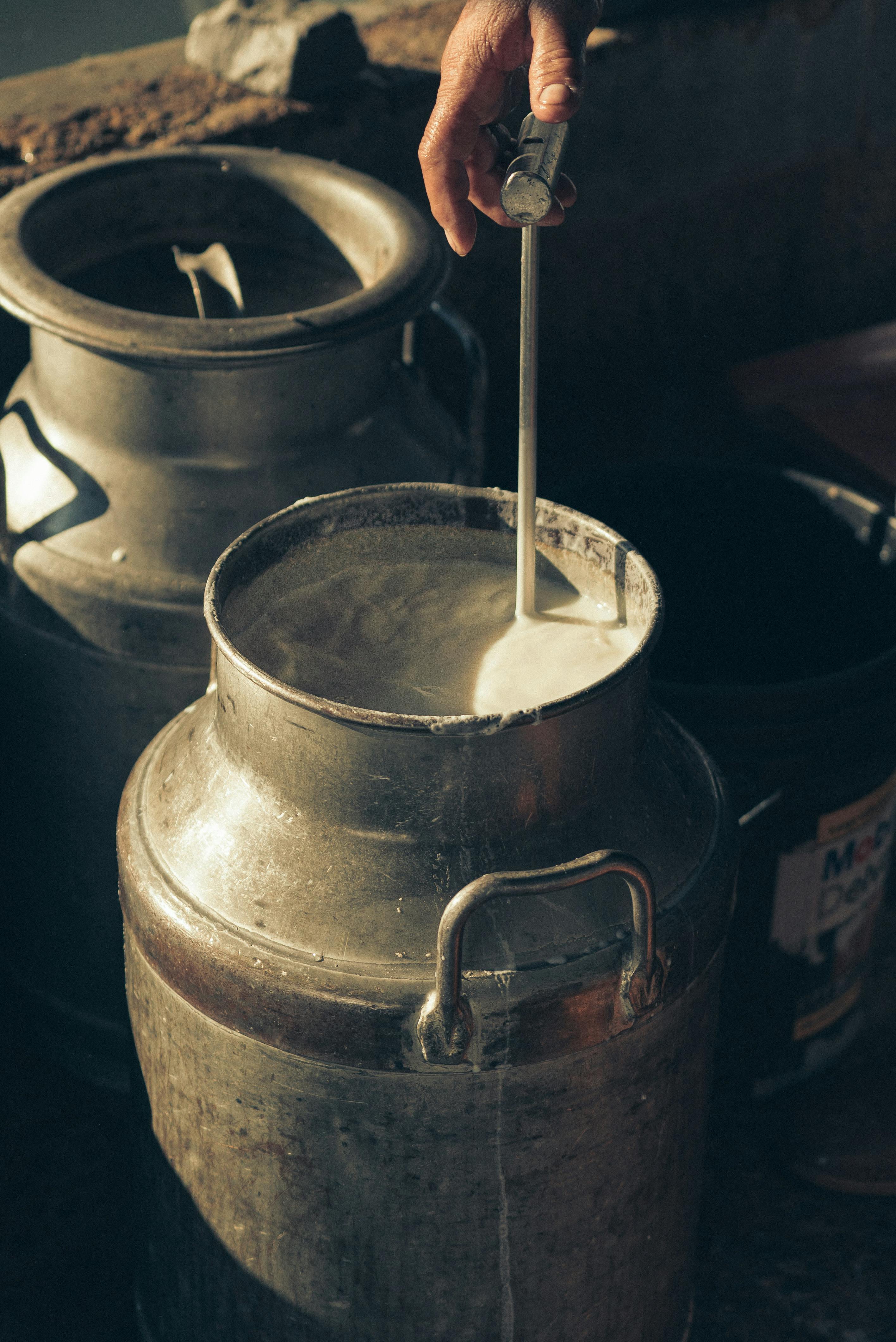
What is raw milk, really? It is milk that has not been heated enough to kill pathogens. That is the whole trick. Not magic. Not superior. Just unprocessed in one narrow sense. People like to pretend that because something is “natural,” it must be better. Frankly, that idea has sent a lot of people to the bathroom and, in some cases, to the hospital.
What is pasteurized milk? Milk heated briefly to reduce harmful microbes, usually through high-temperature short-time pasteurization. The process is simple, and it works. I’ve analyzed the nutrition side of this argument before, and the facts do not budge much: pasteurization has minimal impact on protein, calcium, and most vitamins, while sharply improving safety. That is a good trade.
The issue matters because milk shows up in many training and wellness plans. Athletes use it for protein, carbs, fluids, and micronutrients. Parents use it for children. Older adults use it for bone health. If you drink milk as part of a Workout Plan, you should care about the actual evidence, not a loud person on a podcast with a microphone and too much confidence.
The U.S. Centers for Disease Control and Prevention has repeatedly warned that raw milk is one of the most common sources of foodborne illness linked to dairy. The FDA says the same thing. So does the American Academy of Pediatrics. Not exactly fringe outfits. You can read the plain-language summaries at the CDC’s page on raw milk here and the FDA’s consumer guidance here.
Here’s the kicker: raw milk supporters often argue that pasteurization destroys enzymes, beneficial bacteria, or nutrition. That claim sounds clever until you check the chemistry. Enzymes are not some mystical health talisman, and the few nutrients affected by heat are not enough to justify higher infection risk. If you want probiotics, eat fermented foods that are actually meant to be fermented, or use a tested supplement. Don’t play Russian roulette with a jug of milk.
Milk, at its best, is a practical food. It supplies high-quality protein, calcium, potassium, and often vitamin D when fortified. In training terms, that matters. Protein supports muscle repair. Carbohydrate helps restore glycogen after hard sessions. Fluids help rehydration. The question is not whether milk can be useful. It can. The real question is whether your milk should come with a warning label. With raw milk, the answer is yes.
A sane wellness approach is boring in the best way. Eat real foods. Train with purpose. Sleep enough. Keep food safety standards high. Treat the body with respect, because it is not disposable. That sounds old-fashioned because it is. Old-fashioned wisdom often survives for a reason.
What follows is the science, minus the theater.
What is raw milk, and what is pasteurization?
Raw milk is unpasteurized milk from cows, goats, or sheep. That means it can contain pathogens from the animal, the environment, the milking equipment, or handling. Pasteurization is a heat treatment designed to reduce those microbes to safe levels. It was not invented to annoy activists. It was invented because people kept getting sick.
The technical argument is simple. Heating milk to a validated temperature for a set time destroys disease-causing organisms while preserving the bulk of the food’s nutritional value. Protein remains protein. Calcium remains calcium. Carbohydrate remains carbohydrate. Fat remains fat. The difference between “raw” and “pasteurized” is mostly microbiological, not mystical.
Some raw milk advocates toss around claims about lactase, lactoferrin, immunoglobulins, or “living enzymes.” Fine. Those sound scientific. They are also mostly irrelevant at the serving level. If a nutrient or compound exists in raw milk but does not survive pasteurization well, you should ask a rude but necessary question: does losing it matter more than avoiding dangerous infection? Usually, no.
The CDC has documented outbreaks and hospitalizations linked to raw milk, especially in children, pregnant women, older adults, and immunocompromised people. That is not a “small risk” if you are the one who gets it. The FDA’s warning is equally plain: raw milk can carry harmful bacteria and is not safer or more nutritious than pasteurized milk. See the CDC overview here and FDA guidance here.
The biggest scam in the raw-milk debate is false equivalence. People compare a carefully handled farm story to a broad public-health system. That is not how food safety works. Real-world systems have to protect millions of people, not just one person with a romantic idea about dairy. Medicine and nutrition both run on population risk, not vibes.
In wellness terms, this matters because people are often trying to do two things at once: improve health and avoid ultra-processed food. Fair enough. But rejecting processing altogether is childish thinking. Some processing is essential. Pasteurization, freezing, canning, and fermentation are not enemies of health. They are tools. Good stewardship means using tools that reduce harm.
That idea fits a broader moral common sense too. Our bodies are not toys. They deserve care, moderation, and prudence. It is not heroic to ignore avoidable risks just to sound tough on social media. It is careless.
Core benefits and why the science favors pasteurized milk
Safety is the first benefit. Pasteurization dramatically lowers the risk of foodborne illness. That is the main point, and it is enough. A food that is less likely to cause diarrhea, fever, dehydration, or worse is the better food.
Nutrition is largely preserved. Pasteurized milk still provides complete protein, calcium, phosphorus, potassium, vitamin B12, riboflavin, and often vitamin D if fortified. In other words, it still does the job people buy milk for. The “raw is more nutritious” line is mostly marketing with boots on.
Recovery support is real. Milk is useful after training because it combines protein and carbohydrate in a convenient package. That makes it a practical option after strength training, endurance work, or hard interval sessions. If you want a deep evidence-based look at how recovery works, the American College of Sports Medicine has useful position statements, and the NIH Office of Dietary Supplements has solid nutrient references. I’ve tested enough workout nutrition claims to say this plainly: the basics beat the hype every time.
Public health matters. Raw milk outbreaks can spread beyond the person who bought the bottle. Families, children, and vulnerable adults can get hit. That is why health guidance is strict. We do not build sensible nutrition advice around “I personally felt fine.” That is not data. That is a diary entry.
Consistency beats folklore. Pasteurized milk is standardized, regulated, and predictable. When you are trying to plan meals around training, predictable wins. A small dose of skepticism is healthy here. When raw milk enthusiasts claim they “feel better,” you have to ask whether that is due to actual physiology, placebo, confirmation bias, or simply better overall diet habits in that moment.
It fits a balanced wellness philosophy. Health is not a purity contest. Moderation, safety, and usefulness matter more than trend-chasing. The body is to be cared for, not treated like a lab experiment by amateurs.
The research on this topic is plain enough that you do not need a translator. Organizations with no stake in dairy romance keep saying the same thing. Pasteurization saves people from preventable illness. Raw milk does not offer enough upside to compensate for the risk. That is the end of the argument, even if the internet keeps trying to reopen it.
Step-by-step guide: how to choose milk for health, training, and family use
Step 1: Choose pasteurized milk unless a doctor tells you otherwise for a specific medical reason. That is the baseline. It is not exciting, but it is correct.
Step 2: Match the milk type to your goals. Need extra calories for bulking? Whole milk can help. Want fewer calories? Lower-fat milk may fit better. Need protein after lifting? Any pasteurized milk will do the job. I’ve looked at enough nutrition plans to say this bluntly: most people overcomplicate what should be a simple grocery decision.
Step 3: Check fortification and storage. Many dairy products are fortified with vitamin D. Keep milk cold, respect expiration dates, and do not drink from containers that smell off or look clumpy. Basic hygiene is not optional.
Step 4: Use milk strategically around training. After a workout, milk can support muscle repair and glycogen restoration. Pair it with fruit, cereal, or a sandwich if you need a fuller recovery meal. If lactose bothers you, consider lactose-free milk or yogurt. No need to suffer for ideology.
Step 5: For children, pregnant people, older adults, and anyone with compromised immunity, keep the rule even tighter: avoid raw milk completely. Their infection risk is higher, and the consequences can be harsher. The CDC is direct about these groups, and for good reason. Read its safety guidance here.
Step 6: If your broader wellness plan includes strength training, cardio, and recovery, milk should be one small piece, not the whole story. Sleep, protein intake, resistance exercise, and enough total calories matter more. Fancy supplements do not fix lousy habits. Everyone wants a miracle; nobody wants a routine.
Step 7: If you want to reduce ultra-processed foods, do it intelligently. Swap sugary drinks for milk if that helps. Use plain yogurt, cheese, eggs, meat, beans, fruit, and vegetables as part of a steady diet. Avoid the childish “all processing is bad” line. It is wrong and impractical.
Step 8: Keep perspective. Milk is food. It is not a sacred object. Health is built from repeated ordinary choices, done with discipline. That includes respecting the body as something entrusted to you, not something to be used recklessly for a stunt.

If you want a more complete nutrition framework for athletes, the Academy of Nutrition and Dietetics has practical guidance on sports nutrition at eatright.org. Not glamorous. Very useful. Exactly the sort of source people ignore until they need it.
Comparison table: pasteurized milk vs raw milk
| Factor | Pasteurized Milk | Raw Milk |
|---|
| Food safety | Much lower pathogen risk | Higher risk of harmful bacteria |
| Nutrition | Protein, calcium, potassium, vitamins largely preserved | Similar nutrient profile, but no meaningful advantage proven |
| Training use | Reliable recovery food after workouts | Unsafe gamble with no performance edge |
| Consistency | Standardized and regulated | Variable depending on handling and source |
| Best for children, pregnant people, older adults | Yes | No |
| Public health risk | Low when handled correctly | Higher outbreak potential |
| Bottom line | The sensible choice | The risky choice |
The table is not subtle because the evidence is not subtle. Pasteurized milk wins where it counts. Safety. Consistency. Practical nutrition. Raw milk’s main selling point is romantic language, not better outcomes.
Common mistakes to avoid
Confusing “natural” with “safe.” Poison ivy is natural too. So is bacteria in untreated milk. The word itself proves nothing.
Overstating tiny nutrient differences. Yes, pasteurization can slightly reduce some heat-sensitive compounds. No, that does not make raw milk healthier overall. The risk trade-off is lopsided. The science is boring here, and boring is good.
Using anecdotes as proof. “My family drinks raw milk and nobody got sick” is not evidence. It is luck, until it is not. That is a brutal sentence, but it is the correct one.
Assuming food freedom means no standards. Adults should make informed choices. Fine. But informed choices require actual facts, not influencer theater. You can value local farming, better animal care, and cleaner ingredients without pretending raw milk is harmless.
Ignoring vulnerable populations. Even if a healthy adult thinks they can roll the dice, children and pregnant women should not be exposed. Public health is a shared responsibility. Charity begins with ordinary prudence, not stubbornness.
Turning milk into a culture war prop. That is where this argument gets foolish. Milk is not a loyalty test. It is a food. Use the safer form.
Thinking recovery nutrition requires raw dairy. It does not. After training, the goal is to get protein, carbohydrate, fluids, and sodium when needed. Pasteurized milk can do that job well. A banana and a glass of safe milk beat an ideology sandwich every time.
If you want more on food safety, the USDA and CDC both have plain guidance on handling dairy and preventing contamination. That material is less dramatic than internet claims, which is why it is more trustworthy.
Frequently asked questions
Is raw milk healthier than pasteurized milk?
No. There is no strong evidence that raw milk is healthier overall, and there is clear evidence it carries more foodborne illness risk. That should settle it.
Does pasteurization destroy all nutrients?
No. Pasteurization preserves the major nutritional benefits of milk, including high-quality protein, calcium, and most vitamins. The nutrient loss story is exaggerated.
Can athletes use milk for recovery?
Yes. Pasteurized milk can be a useful recovery food because it provides protein and carbohydrate. It is practical, affordable, and easy to use after training.
Who should avoid raw milk completely?
Children, pregnant people, older adults, and anyone with a weakened immune system should avoid raw milk entirely. For them, the risk is not worth it.
For more on the safety side, the FDA’s raw milk page covers the basics without the nonsense. Good place to start if you want facts instead of slogans.
Does raw milk taste better?
Some people think so. Taste is subjective. Safety is not. You can prefer the flavor of one food without claiming it is better for health.
Final thought
Health advice should be honest, not theatrical. Raw milk is not a secret wellness elixir, and pasteurization is not some villainous act of modernity. It is a public-health tool that keeps people safe while preserving the food’s useful nutrition. That is exactly the kind of ordinary, humble intervention that good medicine and good nutrition rely on.
I have little patience for food myths dressed up as rebellion. They waste time, confuse families, and put vulnerable people at risk. If you want better health, use the boring stuff that works: train with intent, eat enough protein, get sleep, manage stress, and choose safer foods. The body is a gift, and like any gift, it should be cared for with discipline and gratitude, not swagger.
So, no, raw milk is not better. It is riskier. The sensible choice is pasteurized milk, and the evidence has been saying that for a very long time. Frankly, there is no need to make this harder than it is.