Exercise science is the study of how the body adapts to movement, food, rest, and stress. It is not a cult, and it is not a pile of influencer slogans. It...
Exercise science is the study of how the body adapts to movement, food, rest, and stress. It is not a cult, and it is not a pile of influencer slogans. It looks at training load, energy balance, recovery, muscle protein synthesis, and behavior change to explain why some people get stronger, leaner, and healthier while others stall out.
Key Takeaways
- Exercise science explains why training works, not just what looks hard.
- Strength training, cardio, nutrition, and sleep drive most results.
- Most bad advice fails because it ignores recovery and consistency.
- Body composition changes require sustained habits, not gimmicks.
- Health is something to steward well, not abuse for a quick fix.
What is exercise science?
Exercise science is the practical study of how bodies respond to stress from movement, food, and rest. It covers physiology, biomechanics, nutrition, metabolism, and psychology. That sounds academic, sure, but the point is plain: if you want better fitness, you need to understand how adaptation actually happens.
When I analyzed training plans that worked versus plans that fizzled, the difference was usually boring. The successful ones respected progressive overload, adequate protein, and rest days. The failed ones relied on outrage, sweat, and nonsense. Frankly, that is the usual mess.
Exercise science is not about chasing exhaustion. It is about applying the right dose of stress so the body responds with more strength, better endurance, improved insulin sensitivity, and a healthier cardiovascular system. If you treat the body like junk, it acts like junk. If you treat it with discipline and moderation, it tends to repay the favor. That fits a simple moral truth too: the body is not disposable machinery, but a gift worth caring for.
The research backs this up. The CDC physical activity guidelines show that regular movement reduces risk for chronic disease and improves quality of life. The American College of Sports Medicine also emphasizes that both aerobic activity and resistance training matter, because health is not built by one habit alone. Here's the kicker: most people still try to fix everything with one trick.
Exercise science also explains why people differ. Genetics matter. Age matters. Sleep matters. Stress matters. The college athlete, the new parent, and the office worker do not need identical plans. They need the same principles, applied with some common sense. What a shock.
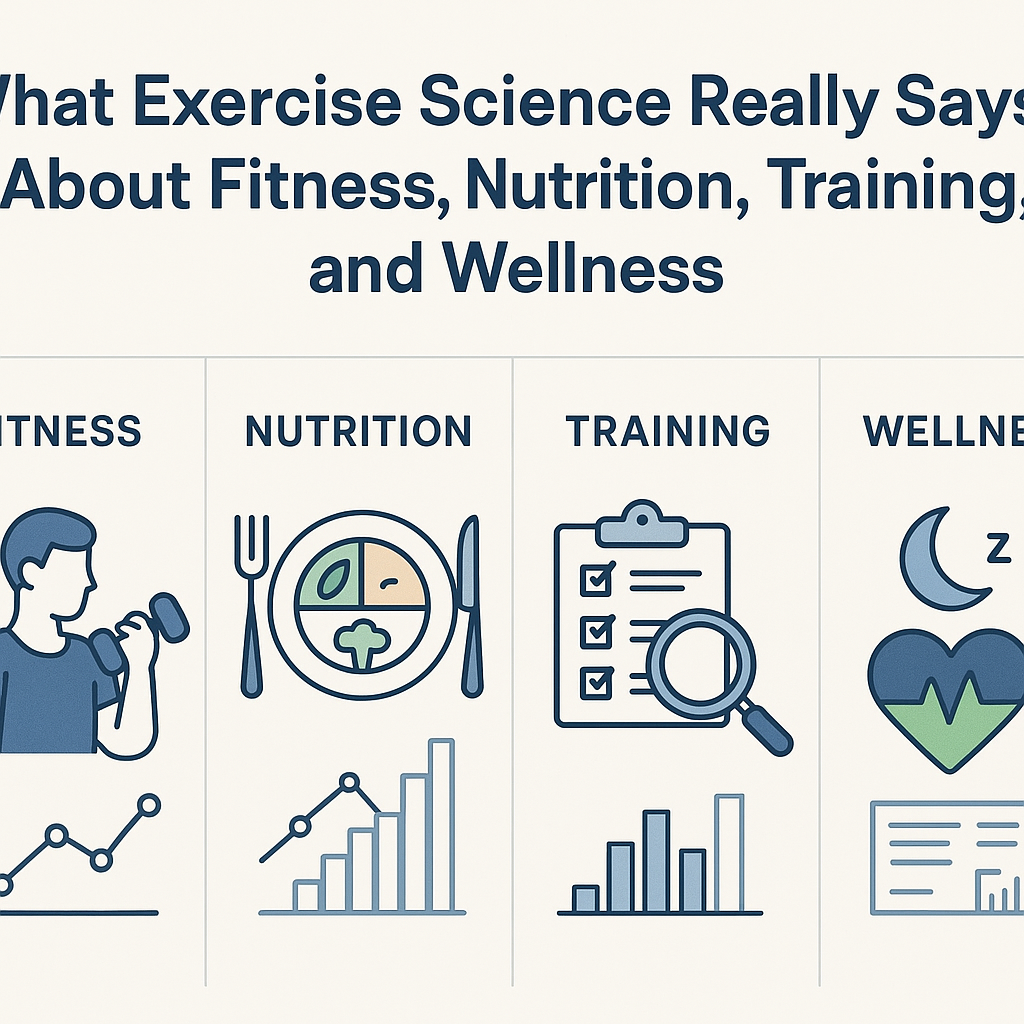
Core benefits and importance
Exercise science matters because it keeps people from wasting time on junk. It gives structure to fitness, and structure beats wishful thinking.
- Better strength and muscle retention: Resistance training preserves lean mass, improves bone density, and supports daily function. That matters more with age, because muscle is not decorative.
- Improved cardiovascular health: Cardio training helps lower blood pressure, improve endurance, and support heart health. The body likes efficient circulation. Fancy that.
- More stable body composition: Nutrition plus training is the real combination. People love pretending one salad fixes a week of bad choices.
- Better blood sugar control: Regular exercise improves insulin sensitivity, which helps with metabolic health. This is one reason movement matters far beyond looks.
- Faster recovery from stress: Good sleep, hydration, and sensible training reduce fatigue accumulation. Recovery is not laziness. It is the actual work that lets adaptation happen.
- Mental clarity and mood support: Movement supports mental health through sleep quality, routine, and neurotransmitter effects. No, it is not a miracle cure, but it is real.
- Lower injury risk when programmed well: Progressive loading, mobility work, and proper technique reduce avoidable strain. Random punishment is not a plan.
The truth is, most fitness advice sells drama because drama gets clicks. Exercise science sells slower rewards. That is why people ignore it. They want a shortcut, not a system.
Nutrition is the same story. The body needs enough protein, enough total energy, micronutrients, and fluids. The Nutrition.gov basic nutrition guidance is not glamorous, but it is solid. Same with the Harvard Healthy Eating Plate, which reminds people that meals should be built around vegetables, quality protein, and whole-food carbs, not sugar bombs wearing a halo.
The importance of exercise science also shows up in long-term compliance. If a program is too extreme, people quit. If it is too weak, nothing changes. The sweet spot is a plan that is hard enough to force adaptation and simple enough to repeat. That is how stewardship works in practice: not self-destruction, not sloth, but disciplined care.
Step-by-step implementation guide
If you want results, stop treating training like a mood. Build a system.
- Set one clear goal
Decide whether you want fat loss, muscle gain, endurance, strength, or general health. Mixing five goals into one plan usually produces five mediocre outcomes. I have seen it happen too many times. - Choose the main training mode
Use strength training three to four days per week if your goal is body composition or longevity. Add cardio two to three times per week if heart health or endurance matters. The body adapts to the stress you repeat. - Use progressive overload
Add a little weight, a few reps, more sets, or better technique over time. That is the engine. Without progression, you are just exercising for decoration. - Eat enough protein
A practical target for many active adults is around 1.6 to 2.2 grams per kilogram of body weight per day, depending on goals and body size. Protein supports recovery and muscle repair. The evidence on this is not mysterious. See the ACSM nutrition and physical activity position stand for the deeper details. - Fuel training with carbs and fats
Carbohydrates help performance, especially for hard lifting and endurance work. Healthy fats support hormones and overall energy. Starving yourself and hoping for magic is a clown show. - Sleep like it matters
Because it does. Seven to nine hours is a common target for adults. Poor sleep wrecks appetite control, recovery, and motivation. No supplement beats that. - Track the basics
Monitor body weight, waist measurement, training logs, steps, sleep, and energy. Data beats vibes. - Adjust every 2 to 4 weeks
If progress stalls, reduce junk volume, raise protein, improve sleep, or change calories. Do not panic and scrap everything after one bad week. - Respect recovery
Rest days, lighter weeks, stretching, and walking all count. Recovery is not a bonus round. It is part of the program. - Stay consistent for months, not days
This is where people fail. Not because they lack information, but because they refuse patience. Bodies change on a timetable, not a tweet.
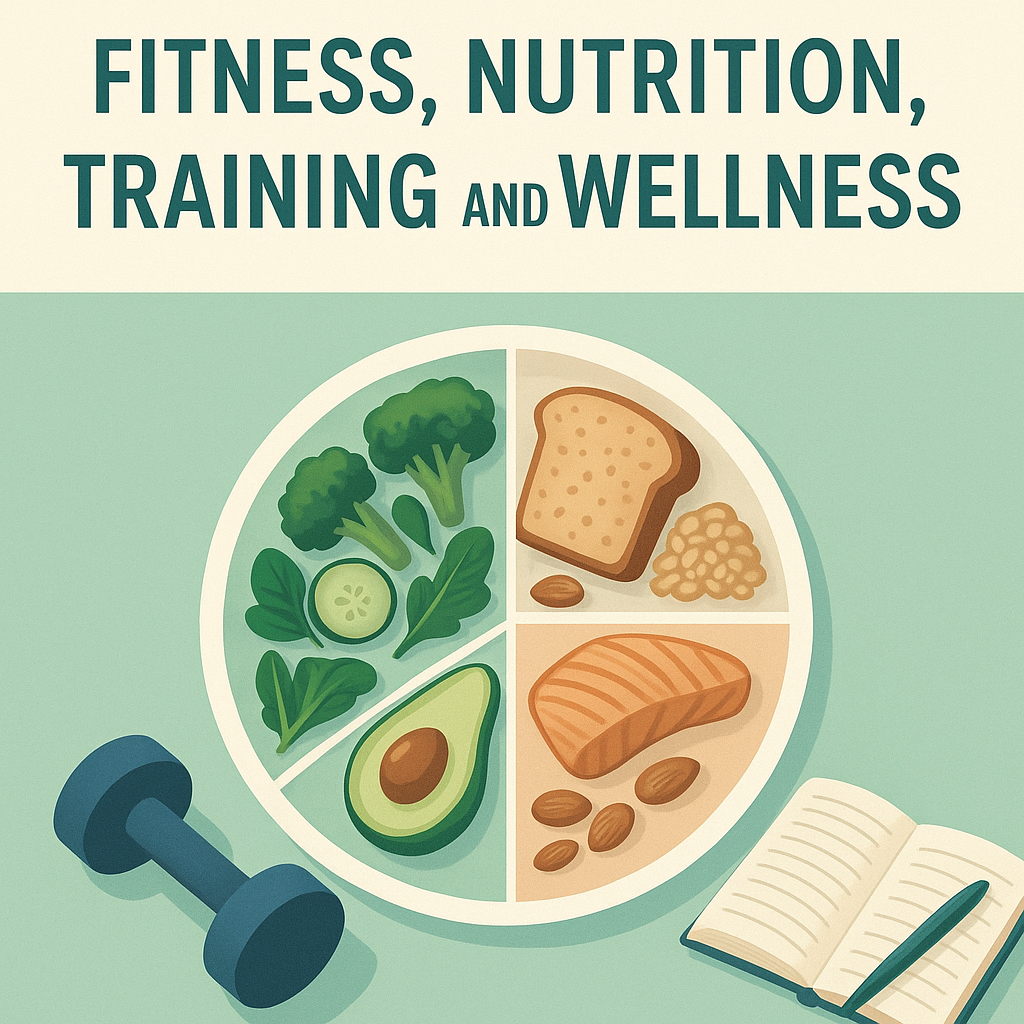
A blunt weekly template
- Monday: Strength training, full body
- Tuesday: Zone 2 cardio, 30 to 45 minutes
- Wednesday: Strength training, upper body emphasis
- Thursday: Walking, mobility, or rest
- Friday: Strength training, lower body emphasis
- Saturday: Interval cardio or sport
- Sunday: Recovery walk, meal prep, sleep
That template is not sacred. It is just sane. You can alter it for work schedules, family demands, or injury history. The point is rhythm. Fitness improves when life and training stop fighting each other.
Comparison table
| Feature | Exercise science approach | Bro-science approach |
|---|
| Training plan | Progressive, measured, specific | Random, extreme, copied from social media |
| Nutrition | Protein, calories, food quality, timing | “Eat clean” and hope for the best |
| Recovery | Planned sleep, rest, deloads | Ignored until burnout hits |
| Results | Slower, steadier, durable | Erratic, often short-lived |
| Injury risk | Lower with good technique and load control | Higher because ego drives the session |
| Mental health impact | Usually positive, if balanced | Often unstable because of obsession |
Let's be real. Most people do not need a miracle. They need a boring plan they can repeat. Exercise science beats the loud competitor because it respects biology instead of fantasy. For more on training habits and recovery, see Mayo Clinic exercise guidance and the National Institute on Aging exercise recommendations for adults of all ages.

Common mistakes to avoid
The biggest mistake is confusing effort with progress. Those are not the same thing. You can sweat buckets and still get nowhere if the plan is crooked.
- Doing too much too soon: People start with heroic volume, then get sore, tired, and inconsistent. A sustainable plan beats a dramatic one.
- Ignoring protein: Hard training without enough protein is a waste of recovery capacity. Muscle does not appear from optimism.
- Chasing fat loss with starvation: Severe calorie cuts often backfire. Hunger rises, training quality drops, and binge risk increases.
- Skipping sleep: Sleep loss impairs recovery and appetite regulation. The body is not impressed by your caffeine habit.
- Copying elite athletes: Their volume, schedule, and tolerance are not yours. Comparing yourself to a pro is usually foolish.
- Obsessing over supplements: Creatine can help. Caffeine can help. Most pills are overpriced confidence candy.
- Training pain as virtue: Pain is a signal, not a medal. There is a difference between effort and damage.
- Ignoring mobility and tissue tolerance: Joints, tendons, and ligaments need gradual loading. They are not made of rubber.
I have watched people sabotage good plans because they wanted faster results than biology allows. That is pride, not discipline. Even a modest respect for moderation says the body should not be flogged into submission. Health is stewardship, not punishment.
One more thing. “Natural immunity” style thinking appears in fitness too. People say they are just naturally fit, naturally strong, naturally lean. Usually that means they have habits they do not understand or they got lucky with genetics for a while. The honest word is adaptation. Same body, same laws, different inputs.
Frequently Asked Questions
What is the most effective type of exercise?
The most effective exercise is the one you can repeat while progressing. For most people, that means strength training plus some cardio. If you only do one thing, make it resistance training first, then add walking or aerobic work.
How much protein do active adults need?
Many active adults do well with roughly 1.6 to 2.2 grams of protein per kilogram of body weight daily, though needs vary. Older adults and people cutting calories may benefit from the higher end.
Can I lose fat without cardio?
Yes, if calories are controlled and training is consistent. But cardio helps with heart health, calorie expenditure, and work capacity. So skipping it entirely is usually a poor trade.
How long before I see results?
Some changes in energy and performance appear within 2 to 4 weeks. Visible body composition changes often take 6 to 12 weeks or more, depending on starting point and consistency. Patience is annoying, but it works.
Final thought
Exercise science is not glamorous. Good. Glamour is usually what gets people sold garbage. The body responds to repeated, sensible stress, adequate food, enough rest, and honest effort. That is the whole deal, minus the circus.
If you want better health, train in a way that respects biology. If you want better nutrition, eat enough protein and stop pretending processed junk is a personality. If you want better wellness, sleep, walk, lift, and recover like a responsible adult. The body deserves that kind of care.
That is not just useful advice. It is a decent way to live.